
Why Stills Still Matter in a Video-First Funnel
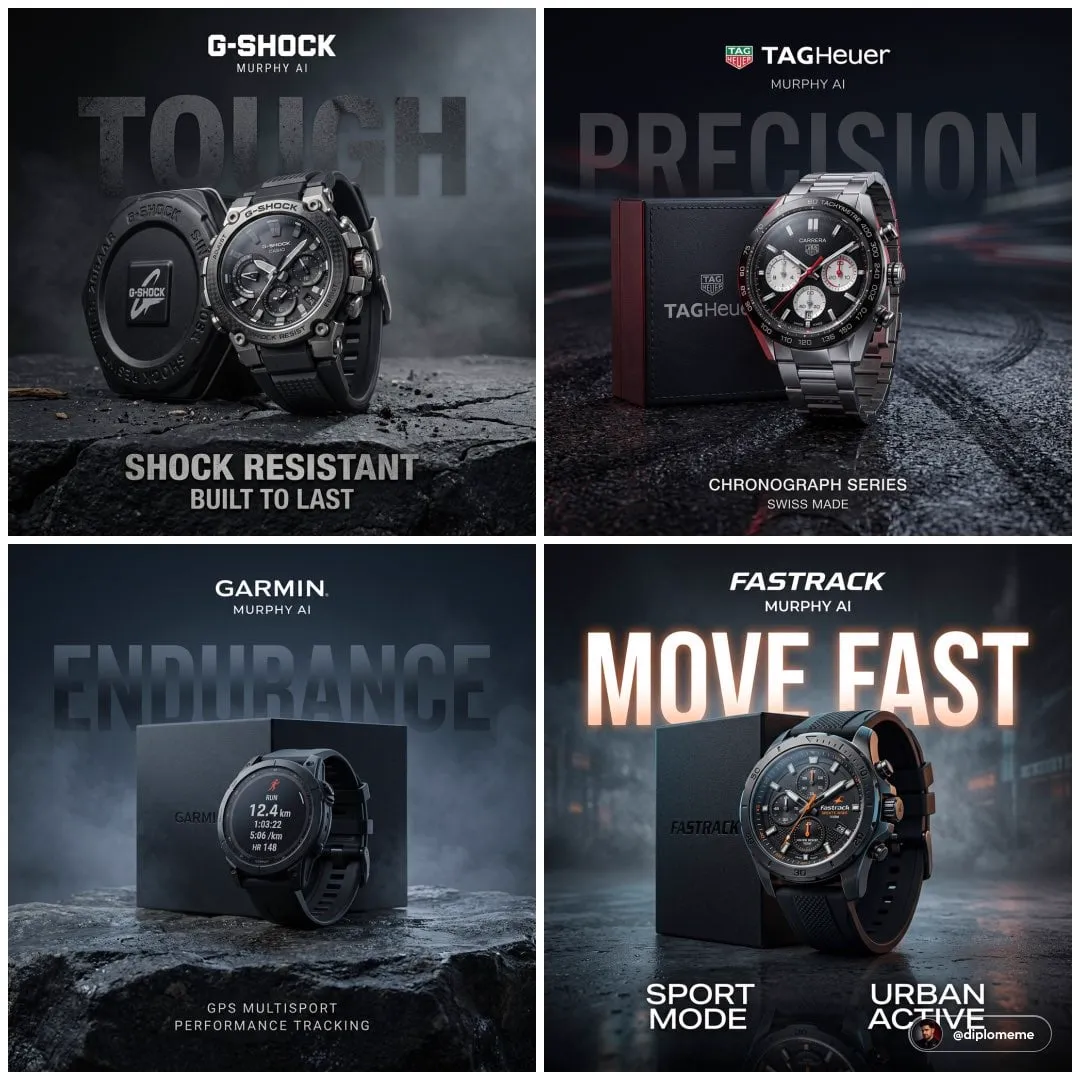
Most marketing teams already own the hardest asset to produce: a strong still image. Product photography, lifestyle shots from an earlier campaign, app screenshots, founder portraits, and customer photos sit in shared drives doing occasional work in carousels and email headers. Image-to-video generation gives those frames a second life. You supply one image, describe how the scene should move, and receive a short clip that keeps the original composition, lighting, and color while adding the motion that modern feeds reward.
The practical benefit is speed rather than novelty. A studio reshoot means planning, casting, location work, and post-production. Animating an existing frame takes minutes. That changes what fits inside a campaign calendar: a dozen motion variants of one product photo aimed at different audiences, weekly creative refreshes instead of quarterly ones, and tests for ideas that would never justify a production budget.
Stills are also controllable. You know exactly what the viewer sees in frame one, which means you know what the hook looks like before generation begins. Text-only video prompts often surprise you in the first two seconds, and those two seconds decide whether anything else gets watched. Starting from a crafted image removes that uncertainty.
How Image-to-Video Generation Actually Works
What the model reads from your frame
An image-to-video model does not simply animate everything it sees. It interprets your frame and predicts what a plausible next moment would look like. Composition, subject placement, depth cues, and lighting direction all feed that prediction. A clear focal point with obvious foreground and background separation gives the model a strong spatial map. A flat, cluttered frame gives it ambiguity, and ambiguity shows up as warping.
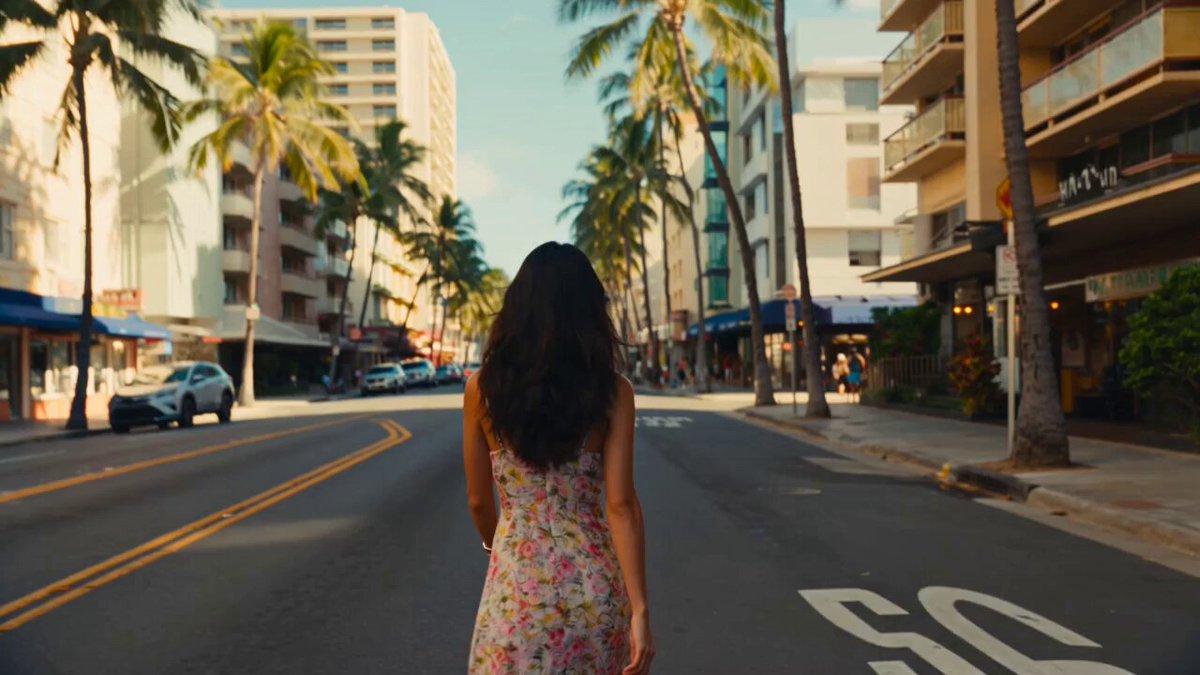
This is why a well-lit product on a clean surface animates more reliably than a busy street scene. The model needs to understand what is solid, what is background, and where light comes from before it can move anything convincingly.
Motion priors: what a model does by default
Every model carries built-in assumptions about how scenes move. People breathe and shift weight. Fabric ripples. Water flows. Cameras drift slightly. Left alone, a model will apply these assumptions, which is often pleasant but rarely on brand. If you want a specific gesture — a hand reaching for a product, a slow push toward a label — you have to state it and give the model enough room in the frame for the motion to complete.
Where artifacts come from
Most visible failures trace back to predictable sources. Text and logos warp because the model treats them as texture. Hands and faces distort when they are small or partially occluded. Thin structures such as wires, glasses frames, and hair strands flicker. Mirrors and glass produce ghosting because reflections need consistent geometry. Fast camera moves amplify all of it. The fix is usually to reduce motion speed, increase subject size, and remove elements that require precise interpretation.
Preparing the Source Image: A Pre-Flight Checklist
Before you generate anything, spend five minutes improving the input. It is the single highest-leverage step in the entire workflow.
- Resolution and aspect ratio. Match your target placements first. Vertical crops of horizontal images often cut off the subject area needed for motion.
- Subject size. The subject should occupy roughly a third to two-thirds of the frame. Tiny subjects force the model to invent detail.
- Headroom for movement. Leave space in the direction the subject will move, that is where the model will generate new pixels.
- Clean edges. Hard, well-defined subject boundaries animate better than soft or blended ones.
- No baked-in text. Headlines and price tags baked into an image usually shimmer. Add them in the editor instead.
- Neutral lighting direction. Strong side light with an obvious source animates more consistently than ambiguous multi-source lighting.
- Licensing and model releases. Confirm you have the rights to animate the image and any people in it, especially for paid distribution.
If a frame fails most of these checks, do not fight it. Pick a different still, or rebuild the frame in an image editor first. Editing a still for ten minutes saves far more time than repeatedly regenerating a clip that will never settle.
A Repeatable Workflow, From One Still to a Campaign Clip
Step 1: Define the single beat
A generated clip should communicate one idea, not three. Write the beat as a sentence: the bottle rotates toward the label, the model turns to camera, steam rises over the cup. If your sentence needs the word and more than once, split it into two clips.
Step 2: Build or select the frame
The frame is your hook. Choose the still that already works as a thumbnail. If you are assembling one from product photos, composite and color-grade it first so the model inherits a finished look rather than a raw file.
Step 3: Write the motion brief
Keep it short and physical. State subject motion, camera motion, speed, and duration. For example: slow push-in, subject remains still, shallow depth of field, four seconds. Then add one negative instruction for the most likely failure, such as avoid text distortion in the background signage.
Step 4: Generate in small batches
Run three to five variations of the same brief with different seeds or slightly different motion words. Variation is cheaper than perfectionism. Compare them side by side at thumbnail size, because that is how viewers will first see them.
Step 5: Select, extend, and finish
Pick the take with the cleanest first second and the least flicker. If you need a longer clip, extend from the last clean frame instead of generating a long clip in one pass. Then finish in an editor: add captions, music, logo animation, and safe-zone padding. Sound does more for perceived quality than any extra generation pass.
Step 6: Version by placement
Once the clip works, export versions. Vertical for short-form feeds, square for grid placements, and a longer cut for pre-roll. Adjust the first frame per placement so the hook lands immediately in each context.
Prompt Patterns That Produce Predictable Motion
Consistency beats creativity in prompt writing. Build a small vocabulary of motion phrases and reuse them across a campaign so your clips feel like they belong to the same family.
Reliable patterns include:
- Push-in: camera moves slowly toward the subject, subject stays still, shallow depth of field.
- Pull-back reveal: camera pulls back to reveal the surrounding environment, lighting unchanged.
- Product rotation: the object rotates slightly to show the side profile, background fixed.
- Ambient life: steam rises, liquid settles, leaves move gently in wind, subject motionless.
- Human micro-motion: subject shifts weight, blinks naturally, hair moves slightly, camera handheld drift.
- Light shift: soft light sweeps across the surface, no camera movement, no subject movement.
Keep motion intensity moderate. Moderate motion reads as premium and reduces artifacts. Aggressive motion reads as chaotic and multiplies the chance of warped geometry.
Always include at least one constraint. Saying what should not move is as useful as saying what should, because it prevents the model from animating background elements you wanted static.
Consistency Across a Campaign: Characters, Products, and Brand
A single good clip is a deliverable. Ten clips that look like they came from the same shoot is a campaign. Consistency is a production discipline, not a model setting.
Start with a character or product reference sheet. For people, capture front, three-quarter, and profile frames in the same light and wardrobe. For products, capture the angles you plan to animate, plus a clean label reference. Then reuse the same reference set for every generation in the series instead of sampling new frames each time.
Lock the look with three anchors: a color palette, a lighting direction, and a motion signature. The motion signature is the part most teams skip. Decide that every clip uses slow camera drift and no subject rotation, and suddenly a set of unrelated images feels like one visual system.
For brand elements, keep logos, taglines, and legal lines out of generation. Composite them in the editor. Generated typography is unpredictable, and a warped logo costs more trust than any motion gain is worth. Reserve safe areas in your still for those overlays before you animate, so the finished clip has room for them.
Finally, document what worked. A short internal note listing the brief, the settings, and the outcome saves an enormous amount of rediscovery when the next campaign starts from a similar image.
Matching the Visual Style to the Marketing Goal
Not every campaign should look photoreal. The right style depends on the claim you are making, the channel, and how much scrutiny the creative will face.
- Photoreal live-action look. Best for premium products, services, and any category where realism signals credibility. Requires the cleanest source images and the most restrained prompts.
- Subtle stylized motion. Suited to lifestyle and beauty categories where atmosphere matters more than literal accuracy.
- Product tabletop. Ideal when the object is the hero, because simple geometry and controlled lighting animate reliably.
- Illustrated or animated. Strong for education, onboarding, and app explainers, and far more forgiving of artifacts.
- Deliberately casual, user-generated feel. Works for social proof and performance creative, where slight imperfection increases authenticity.
Use two decision tests. First, would an artifact undermine a factual claim? If yes, choose a more forgiving style or keep motion minimal. Second, does the style match where the ad will appear? A polished studio look can feel out of place in a casual community feed, and a rough handheld look can weaken a premium placement.
Testing and Iteration: Making Motion Creative Measurable
Generated video makes creative testing cheaper, which means the bottleneck moves from production to measurement. Structure your tests so results are actually interpretable.
Test one variable at a time. Good variables to isolate: the first frame, motion intensity, clip duration, caption style, and aspect ratio. Changing four things at once produces a winner you cannot explain and cannot repeat.
Track the metrics that match the format. For short-form, watch hook rate and three-second retention first, then click-through and conversion. A clip with a strong hook and a weak finish is a finishing problem, not a concept problem, and the fix is usually editing rather than regeneration.
Build a testing cadence. Generate a batch of variants weekly from your existing still library, run them against a control, and promote the winners into evergreen rotation. Over a quarter, that cadence compounds into a library of proven motion assets, all built from images you already paid for.
Common Mistakes That Waste Time and Budget
- Animating a weak still. If the frame is not compelling, motion will not save it. Fix the image first.
- Overloading the brief. Three simultaneous movements in one clip rarely resolve cleanly.
- Ignoring aspect ratio. Cropping after generation often removes the motion you paid to create.
- Baking in text. Generated typography warps. Composite headlines in the editor.
- Skipping sound. Muted clips feel unfinished. Music, captions, and a light whoosh do most of the polish work.
- Chasing one perfect take. Five quick variants beat twenty refinements of a single attempt.
- Never reusing settings. Without documentation, every campaign restarts from zero.
- Publishing without rights checks. Confirm image rights and personal releases before paid distribution.
FAQ
How long should a generated marketing clip be?
For feed placements, three to six seconds is usually enough to establish the hook. Longer cuts work for pre-roll and landing page hero sections, but build them by extending from a clean frame rather than generating one long take.
Can I animate the same product image across many campaigns?
Yes, and you should. Keep a reference set of product angles, lock your lighting and motion signature, and reuse the same brief structure. That reuse is what turns a few images into a consistent visual system.
Why does text in my generated clips look distorted?
Models treat letterforms as texture rather than symbols. Keep text out of the source frame and out of the prompt, then add headlines, prices, and legal lines as editor overlays.
Do I still need a video editor?
Almost always. Generation produces the shot, not the ad. Captions, music, logo animation, safe-zone padding, and correct exports are what make the clip usable in a campaign.
What is the fastest way to improve results?
Improve the source image. Cleaner lighting, a clearer focal point, and more headroom in the direction of motion fix more problems than any prompt rewrite.
How many variations should I generate per concept?
Three to five per brief is a practical range. It gives you real choice without turning selection into a second job, and it keeps the workflow fast enough to run weekly.
