
Cinematography has always felt like a craft you either know or you do not. The language of visual storytelling, the rules of composition, the way light shapes a mood, seems formidable to someone starting from nothing. Yet the last few years have changed how people learn it. AI tools now act as patient, knowledgeable companions that can guide a beginner through every shot, explaining not only what looks good but why. This article is for anyone who wants to learn cinematography from zero and is curious how an AI assistant can accelerate the journey.
The transformation in video production is more than a tooling upgrade, it is a shift in who gets to make polished work. A beginner who understands a few core principles and has a capable assistant can produce footage that looks thoughtful and intentional. The purpose of this guide is to give you a clear starting point: the fundamentals of digital cinematography, how AI can mentor you through composition, lighting, and camera work, and the practical workflows that help you improve steadily.
Understanding the fundamentals through an AI lens
Cinematography, at its heart, is the art of controlling what the camera reveals and how the audience feels about it. Every decision, where to place the subject, how to light the scene, how the camera moves, shapes meaning. The good news is that the core principles are learnable, and they apply whether you are shooting on a phone or a cinema camera.
An AI assistant helps by making these principles concrete. Instead of reading a textbook on the rule of thirds, you see examples and get immediate feedback on your own frames. The theory stops being abstract because it is mapped directly onto the practice of building a shot.
For a complete beginner, the mental model matters more than rote rules. Understanding that the camera is a narrator, that framing directs attention, and that light tells the viewer where and what to feel, gives you a foundation on which everything else can build.
The building blocks of visual composition
Composition is the arrangement of elements in the frame to guide the viewer's eye and reinforce meaning. It is the first area where AI assistance pays off, because it is visual and immediate.
The rule of thirds is the classic starting point: dividing the frame into a grid and placing your subject along those lines to create a more dynamic, pleasing arrangement. But composition goes deeper. Leading lines direct attention, negative space creates breathing room, and balance determines whether a frame feels tense or calm.
An AI mentor can look at your frame and explain which of these principles are at play and how you might adjust. It can suggest tightening the crop, shifting the horizon, or emphasizing a subject. This kind of iterative feedback is exactly how visual judgment develops, faster than trial and error alone.
Mastering lighting and color through simulation
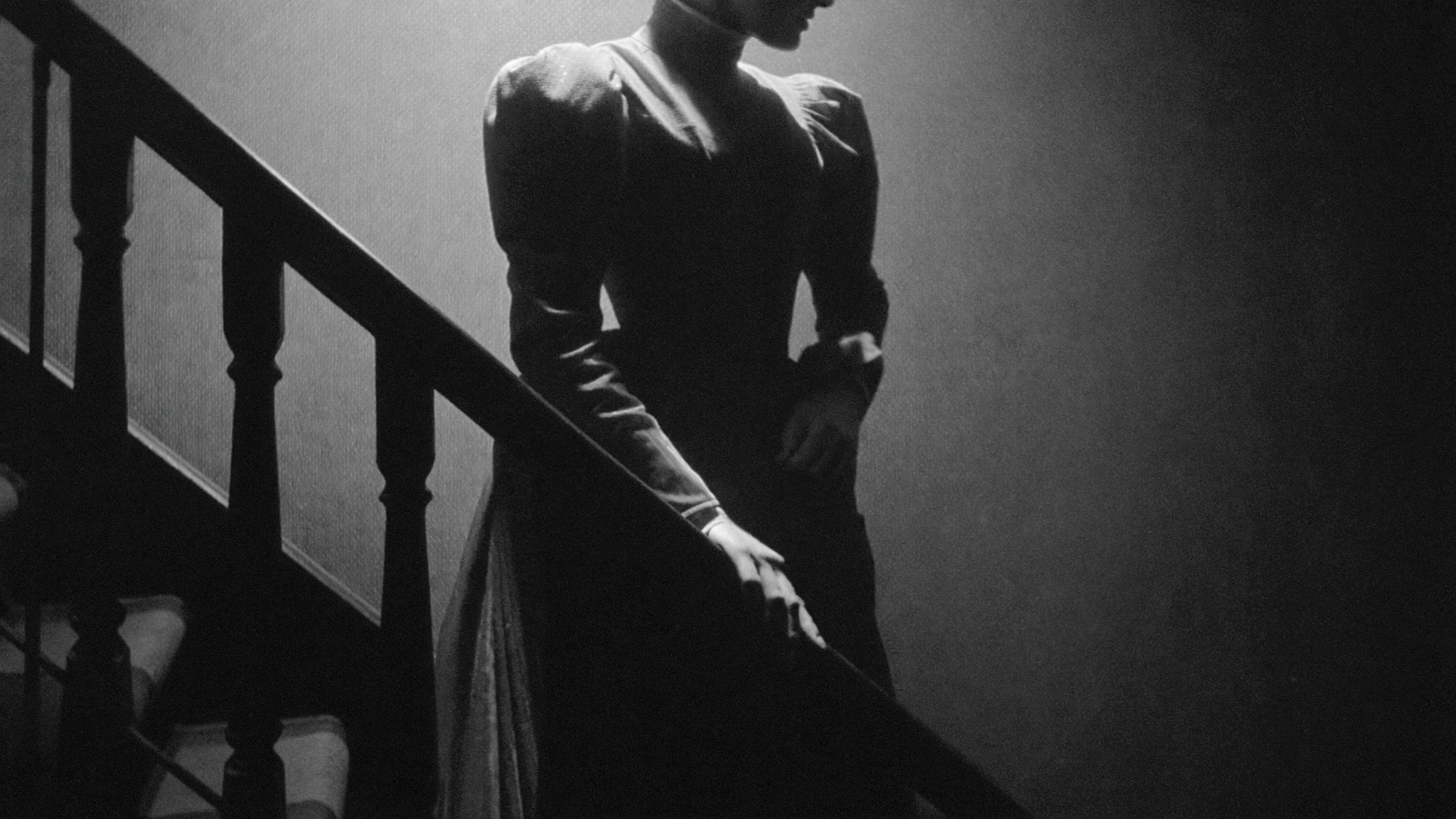
Lighting is often described as the soul of cinematography, and for good reason. It defines mood, directs focus, and creates dimensionality. Beginners frequently stall at concepts like three-point lighting or color temperature because they are hard to practice without a full studio.
Digital simulation changes that. AI-driven environments let you experiment with lighting setups virtually, seeing how a change in key-light position, fill, or color grade transforms a scene instantly and without cost. You can iterate dozens of times in an afternoon, internalizing cause and effect far faster than on a physical set.
Color is the partner to light. Understanding color temperature, contrast, saturation, and the emotional weight of a palette turns a merely correct image into a crafted one. Tools that help you grade and describe the mood of a palette give a beginner the vocabulary and judgment that used to come only from years of experience.
Exploring camera movement and virtual lenses
Camera work is where a video separates itself from a photograph. Movement creates energy, reveals information, and connects the viewer to the action. For a beginner, understanding when to hold still and when to move, and how to move, is a critical skill.
AI tools increasingly allow you to direct camera behavior through text and reference, essentially giving you virtual lenses and rigs to experiment with. You can try a slow push-in for intimacy, a tracking shot for momentum, or an aerial shot for scale, all without a physical crew or expensive gear.
Learning by directing virtual camera behavior teaches the underlying grammar of camera movement. Once you understand why a dolly-in tightens emotional focus, you can apply that thinking to any real-world shoot, even with just a handheld phone and deliberate movement.
Choosing the right generative engines
Modern AI cinematography leans on the quality of the underlying generative video models. For a learner, this matters because the tool's visual output is your classroom. A model that handles realism, motion, and prompt fidelity well gives you more capable materia for practicing.
Some engines excel at photorealism and physical accuracy, ideal for realistic scenes. Others balance speed and cost, letting you iterate freely while learning. Specialized models can handle particular styles, like animation or specific aesthetic treatments, expanding what you can explore.
The practical advice is to not overinvest in the premium engine for every experiment. Use lower-cost options for learning and iteration, and reserve the best engines for the final shots you intend to show. This lets you practice generously without worrying about budget.
Using multi-image fusion for consistency
One of the biggest hurdles in learning cinematic storytelling is maintaining consistency across a sequence. When characters or locations change appearance between shots, the illusion of a continuous story breaks. Professional productions solve this with careful art direction; beginners usually lack that control.
Multi-image fusion is a technique that anchors a character or scene across multiple shots by combining several reference images. It keeps a subject recognizable and consistent, which is essential when you are practicing multi-shot narratives rather than single hero frames.
For a newcomer, this means you can practice telling a coherent short story, with a recurring character and a consistent look, without the resources of a production studio. The craft of continuity becomes something you can learn hands-on.
Moving from single shots to scene structure
Once you can compose a strong shot, the next step is thinking in scenes. A scene is a sequence of shots working together to advance a story idea, and structuring it well is a skill in itself.
Begin by moving from a synopsis to a shot list: deciding what each shot needs to communicate, in what order, and how they will cut together. An AI assistant can help here by suggesting coverage options and pointing out gaps in your plan, acting as a creative sounding board for narrative blocking.
Blocking is the staging of actors and camera in the scene space. Understanding simple blocking patterns, such as shot, reverse shot, and the details of where subjects look, gives your scenes a professional rhythm. Practice this systematically and your ability to tell visual stories will grow quickly.
Advanced prompts for cinematic results
Prompting is a craft in itself, and it is central to getting good output from generative tools. The difference between a flat result and a cinematic one often comes down to how precisely you describe the desired look.
Effective cinematic prompts describe camera, light, mood, and framing together. Instead of "a runner on a field," you might specify an over-the-shoulder shot, golden-hour backlight, shallow depth of field, and a feeling of quiet determination. The more specific the visual intent, the closer the output matches a directed scene.
Learning promptcraft is an excellent way to build cinematic vocabulary. Each prompt forces you to articulate what you want visually, which reinforces the same principles you study in composition and lighting. The two skills compound.
Building a practice routine that leads to growth
Learning cinematography is a physical craft, and improvement comes from volume and reflection. AI changes the economics of practice, letting you generate and experiment far more than you could with a physical camera and crew.
Set a regular practice habit, even a small one. Recreate a shot you admire, study a frame from a favorite film and rebuild it in a generative tool, or take one principle and explore a dozen variations. Each practice session produces artifacts you can compare, so your taste and technique improve together.
Keep a reference library of frames and shots you love, and describing them builds the vocabulary you will use in prompts and in directing real shoots. Over time, you will notice you are no longer guessing; you are making deliberate choices based on understanding.
Understanding focal length and framing choices
Focal length shapes how a scene feels as much as what is in it. A wide lens expands space and emphasizes environment, making a subject feel small within their world. A long lens compresses distance and isolates the subject, pulling the background close and focusing attention. Choosing the right lens for the emotional intent is a fundamental directorial decision.
In a generative workflow you have the freedom to experiment with these choices instantly. Try the same subject and same lighting at several focal lengths and compare the emotional result. Wide for loneliness, close for intimacy, a middle ground for neutral realism. Internalizing these relationships teaches you to read any scene through the lens of what lens serves the story.
Perspective also plays a role. Low angles make subjects feel powerful; high angles make them feel small or observed; eye level feels neutral and conversational. These cues are the cinematic equivalents of punctuation, guiding how the viewer feels at every moment. Practicing them deliberately is one of the fastest ways to add depth to your work.
Working with aspect ratio and composition guides
Before generating, choose the frame your story will live in. Widescreen cinematic ratios suggest the big screen and ambition, while a square or vertical frame signals social and modern. You can always crop later, but planning the frame from the start protects the composition.
Modern tools let you overlay classic composition guides, the thirds, the golden ratio, and the rule of diagonal, directly on your view. Using these as training wheels accelerates learning, but the real goal is to internalize that balance and intentionality are what matter, not the literal grid.
As you practice, you will start seeing the grid even when it is not drawn. That is the moment composition shifts from a rule you follow to a habit you feel. When you can look at a frame and know it is unbalanced, or know precisely where a subject should sit to create calm or tension, you have absorbed the craft rather than memorized it.
Managing output consistency across a project
Consistency separates a single nice frame from a coherent piece of work. If every shot in a sequence looks like it was made by a different person, the story falls apart. Defining a consistent look is a discipline you can practice from the start.
Establish a small set of visual constants before you begin: a color palette, a lighting direction, a lens style, and a mood keyword. Apply them to every prompt you write. When the whole set holds together, the sequence reads as one intentional film rather than a gallery of experiments.
Characters deserve the same attention. If a story stars a recurring character, anchor their appearance once and keep them consistent across scenes. Techniques such as referencing a fixed character image keep them recognizable, so the emotional arc you build actually lands on the same person you introduced at the start.
FAQ
Can I really learn cinematography without a physical camera?
Yes, especially the conceptual foundations. AI generative tools and simulation let you practice composition, lighting, camera movement, and storytelling without a budget or crew. When you do pick up a real camera, you will bring a much stronger understanding.
What should I learn first?
Start with composition and framing, then lighting and color, then camera movement and scene structure. These build naturally on each other and give you the fastest sense of progress.
Do I need to be a strong writer to prompt well?
No. Cinematic prompting is about visual specificity, describing light, angle, mood, and framing, not prose. You will develop this vocabulary through practice regardless of your writing background.
How long does it take to get good?
Everyone differs, but consistent practice with fast iteration typically produces visible improvement in a matter of weeks. The key is volume plus reflection, which AI enables far more affordably than traditional training.
Is AI-generated practice useful for real shoots?
Absolutely. The principles you internalize, composition, lighting relationships, camera grammar, and continuity, transfer directly to physical production. The craft of seeing translates across tools.
What about the cost of learning tools?
Many capable tools offer free or low-cost tiers sufficient for practice. Use paid or higher-quality tiers sparingly for final showcase work while you learn on more economical options.
