
The Sci-Fi Genre Was Built for This Moment
Science fiction has always been the most visually demanding genre in filmmaking. It asks for impossible worlds, advanced effects, complex environments, and precise character design, all while keeping the story believable. For most of cinema history, that ambition required studio budgets. The genre became a symbol of what only the biggest productions could afford.
AI video generation changes that equation at the root. The tools that once required a visual effects department are now accessible to a single creator with a clear vision. Sci-fi, the genre most constrained by production cost, becomes the genre most liberated by generative tools.
This guide walks through the full process of making sci-fi videos with AI: building the world, keeping characters and environments consistent, using cinematic language, designing sound, and assembling everything into a finished short film. The goal is not to replace filmmakers; it is to give them a new set of instruments.
Why Sci-Fi Is the Perfect Test Case for AI Video
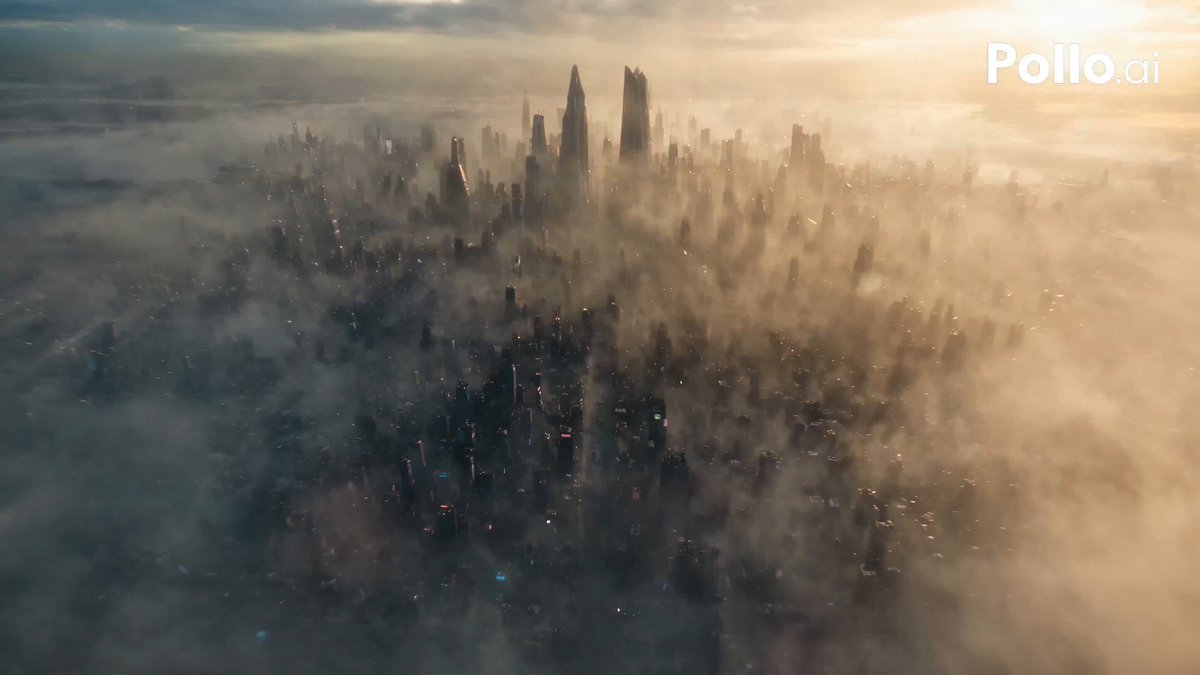
Every technical challenge in AI video is amplified in sci-fi. Character consistency matters when your protagonist wears a distinctive suit across dozens of shots. Environment coherence matters when the story takes place on an alien world that must feel like one place, not a collage. Physical plausibility matters when spaceships move, portals open, and gravity behaves differently.
The genre also demands visual identity. A sci-fi film lives or dies on the credibility of its world. If the architecture, the color palette, and the technology design stay consistent, the audience will believe in the story even when the effects are clearly generated. If they drift, the illusion collapses immediately.
That makes sci-fi an excellent training ground. Master these problems on an ambitious genre, and every other kind of video becomes easier. The discipline required for worldbuilding, reference management, and shot planning transfers directly to any production.
Building the World Before You Generate
The most important work in a sci-fi video happens before a single frame is generated. It is worldbuilding: deciding what this universe looks like, how it feels, and what rules it follows. Write down the visual identity of your world: the architecture style, the color palette, the level of technology, the mood of the light.
Then create a visual bible. Generate or collect reference images for every recurring element: the hero character, the supporting characters, the key locations, the vehicles, the signature props. These references become the anchors that keep your shots consistent across the entire production.
The visual bible also protects your story. When a scene needs a new location, you generate it from the same design language instead of inventing something that clashes with the rest of the film. This is how real productions work, and it is how AI productions should work too.
Character Consistency: Your Cast Under Contract
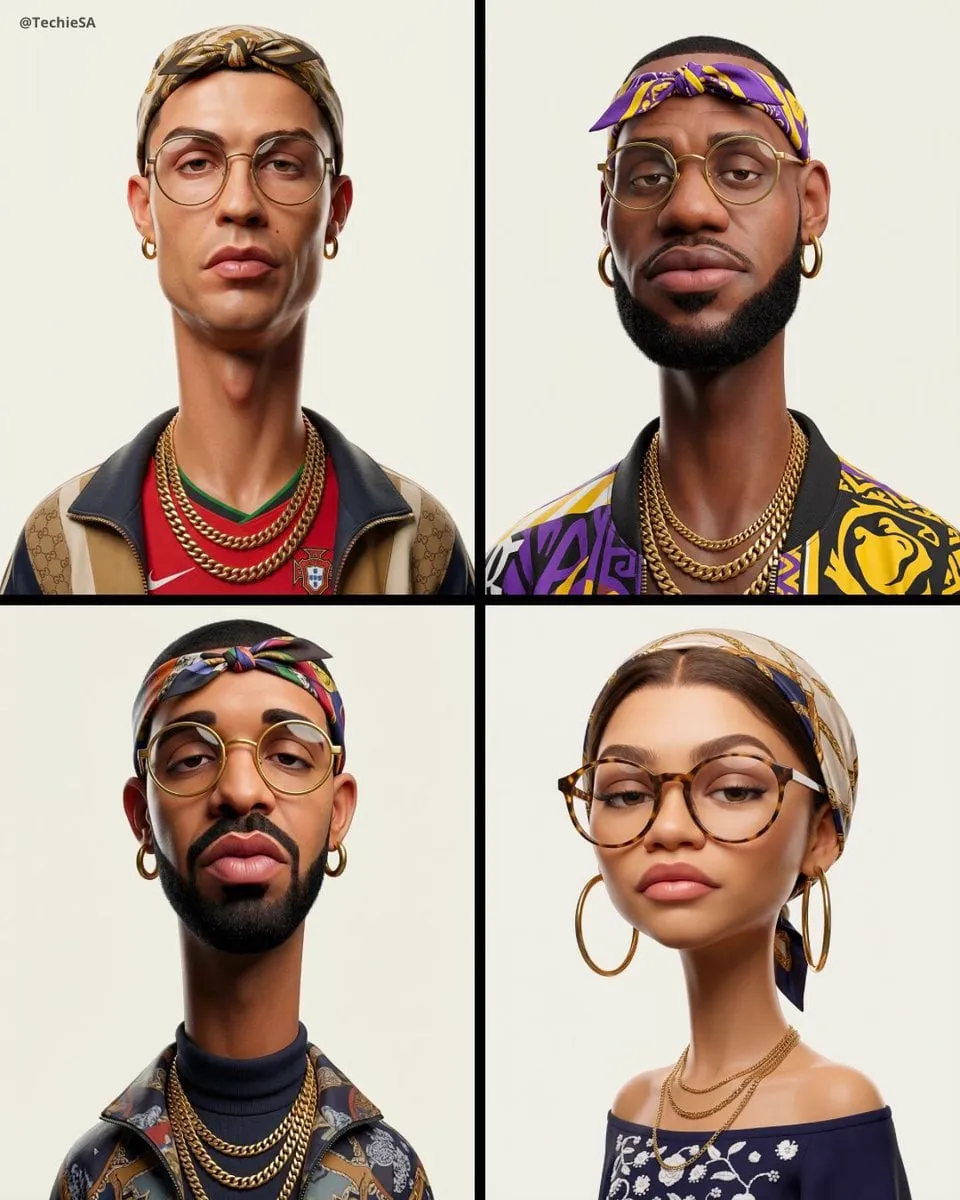
The most common failure in AI-generated sci-fi is character drift. The hero's suit changes color between shots. The alien's face shape shifts. The villain's mask redesigns itself every scene. For a genre that depends on recognizable characters, this is fatal.
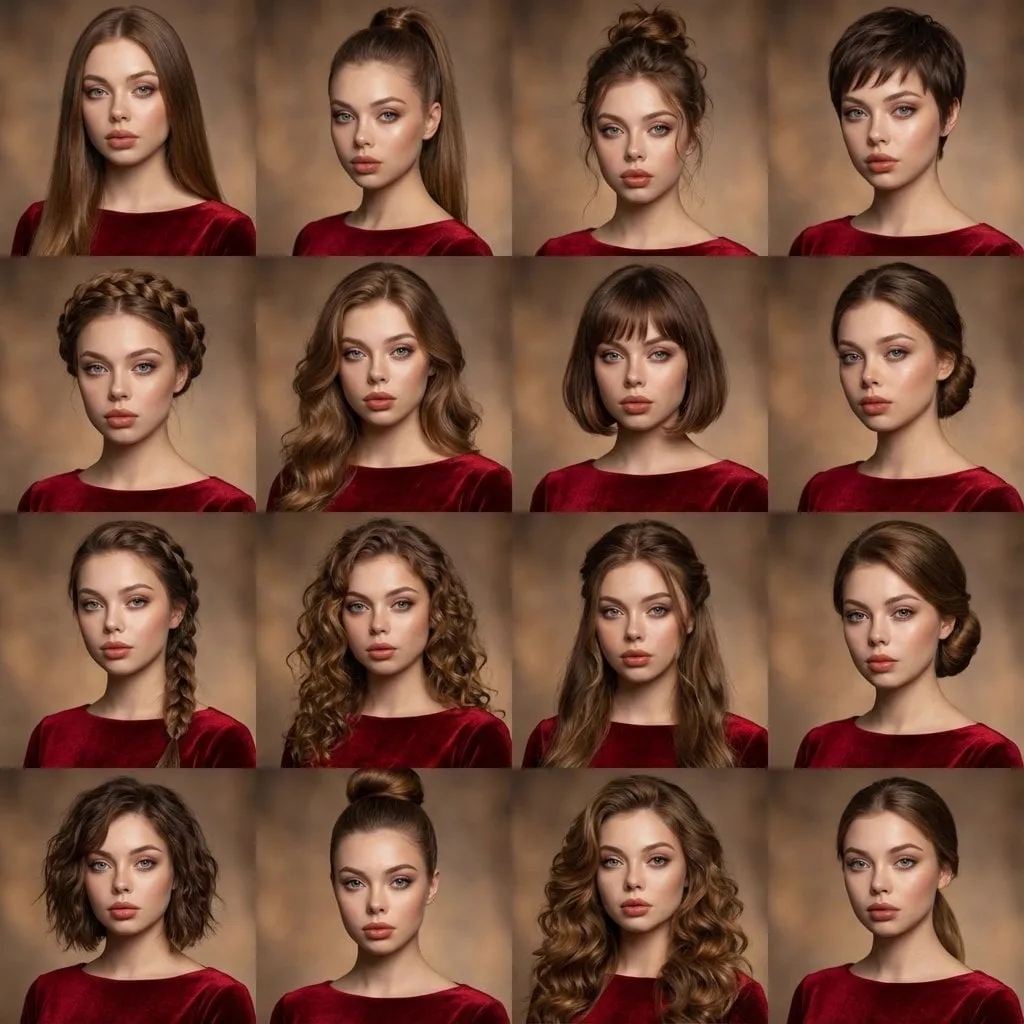
The solution is the same as in professional animation: lock the character before you shoot. Assemble multiple reference images of each character, from different angles and in different lighting. Use multi-reference generation so the model understands which features are permanent. For a series or a longer film, invest in training a dedicated character model; it is the closest AI video has to signing an actor to a contract.
Apply the same discipline to environments and props. The space station must be the same space station in every shot. The ship's cockpit, the alien ruins, the city skyline, each needs its own reference set. Build the library once, and every subsequent shot gets faster and more consistent.
Using Cinematic Language with AI
A sci-fi film is not a sequence of impressive images; it is a sequence of deliberate choices. Camera language is where you assert authorship over the generated footage. Slow push-ins build tension. Wide establishing shots sell the scale of a world. Low angles make characters feel powerful or threatening.
Write camera directions into your prompts with the same care you give to subject descriptions. Specify the lens feel, the movement direction, the speed, and the mood. "Slow push-in toward the alien artifact" is a direction; "wide orbit revealing the city below" is a direction. Vague prompts produce generic footage; directed prompts produce shots that cut together like a film.
Think about shot variety. A common weakness of AI video is visual monotony: every shot at the same distance, same angle, same rhythm. Plan your shot list like a director: establishing, medium, close-up, insert, reaction. The alternation of scale and pace is what gives a sequence rhythm.
The AI Director Agent as Your First Assistant
Modern production tools increasingly include director-style agents that help translate a story into shots. You describe the scene and the emotional beat, and the agent proposes a breakdown: how many shots, what each shot shows, which camera move fits the mood, and what pacing keeps the scene alive.
This is especially valuable in sci-fi, where scenes often involve complex action and world logic. An agent that understands basic cinematography can turn a paragraph of description into a shootable shot list, and it can suggest variations you would not have considered. You remain the director; the agent is your first assistant.
The agent also helps with model routing. Different shots demand different capabilities: a fast model for a simple insert, a high-fidelity model for the hero reveal, a motion specialist for the chase. A good agent recommends the right tool for each moment, which keeps quality high and cost under control.
From Concept to Short Film: A Step-by-Step Workflow
Here is a repeatable pipeline for a sci-fi short film with AI.
First, write the story. Keep it short, three to five minutes at most, and define the emotional arc. Second, build the world: create the visual bible with references for characters, locations, and props. Third, storyboard the film: break the script into shots and generate concept stills for each key moment. Fourth, lock the references: make sure every recurring element has a stable reference set. Fifth, generate the shots: produce each one with the appropriate model, using your visual bible and shot list. Sixth, assemble and edit: cut the shots into a sequence, adjust pacing, add titles. Seventh, design the sound: music, effects, and voice complete the illusion. Eighth, review the whole film, not just individual shots, and regenerate anything that breaks the world.
The first four steps determine the quality of everything that follows. Do not rush them. A weak world bible produces a film that looks generated; a strong one produces a film that looks made.
Sound Design for Science Fiction
Sound is where many AI films fall apart. A visually ambitious scene with generic music and no effects feels hollow. Sci-fi, in particular, depends on sound to sell the impossible: the hum of a reactor, the echo of a corridor, the texture of an alien voice.
Design sound in layers. Start with a music bed that follows the emotional arc of the film. Add environmental effects that match the visuals: engines, wind, machinery, distant alarms. Add foley for actions on screen. Finally, add dialogue or narration, using AI voice synthesis when you need clean voiceover in any language.
Sound also helps consistency. The same spaceship should sound the same every time it appears. The same location should carry the same ambient texture. Note your sound signatures in the same visual bible, and the world will feel coherent to the ear as well as to the eye.
Common Mistakes and How to Avoid Them
The first mistake is skipping the visual bible. Without locked references, the world drifts, and you discover it only after wasting hours of generation. Build the references first.
The second mistake is generating before storyboarding. A shot list focuses the work and prevents the "one beautiful clip after another, no story" syndrome. Plan shots, then generate.
The third mistake is neglecting camera language. If every shot is a medium shot at eye level, the film will feel flat no matter how good the images are. Vary the scale and the angles deliberately.
The fourth mistake is treating sound as an afterthought. Sound is half of the cinematic experience. Design it alongside the visuals, not at the end of the schedule.
Distribution and Building an Audience
A finished film is the beginning, not the end. How you distribute AI-generated sci-fi determines whether the work builds an audience or disappears into the feed. The genre has a passionate community, and that community rewards creators who are transparent about their process and generous with their craft.
Cut a short teaser from your film and release it where short-form video thrives. Tease the world, not the plot; the goal is to make people ask what happens next. Behind-the-scenes content performs especially well in this niche: your workflow, your reference library, your failed shots. Audiences love seeing how the impossible was built.
Series thinking compounds the advantage. A single short film is a portfolio piece; a series of shorts in the same world is a franchise. Because your visual bible and reference library survive the first project, every follow-up film costs less and ships faster. That is the flywheel of the AI filmmaker: one world, many films, growing craft and audience with each release.
What to Do When Generation Fails
Failures are part of the process, and they are almost always diagnosable. When a shot comes back wrong, resist the urge to regenerate blindly with the same prompt. Ask what kind of failure it is.
If the subject changed appearance, the problem is references. Strengthen the reference set, add more angles, or lock the character model. If the motion is jittery or unnatural, the problem is the model or the action complexity; simplify the action or switch to a model known for stable motion. If the style drifted, the problem is the style references or the prompt language; return to your visual bible. If the scene just looks weak, the problem is composition, so revisit the camera direction and the frame description.
Diagnose first, then regenerate. A systematic approach to failures turns them into the fastest learning path you have. Each failed shot teaches you something about your references, your prompts, or your model choices, and documenting those lessons makes every subsequent project smoother.
Frequently Asked Questions
How long should an AI sci-fi short be? Start with three to five minutes. Longer films strain consistency and workflow; shorter films let you focus on quality.
Do I need to know filmmaking to use these tools? It helps enormously. The tools generate pixels, not decisions. A basic understanding of shots, pacing, and story structure will multiply the quality of your output.
Can I reuse the same world for multiple films? Yes, and you should. A well-documented world bible and reference library make sequels and spin-offs dramatically cheaper to produce.
What if my generated shots are inconsistent? Go back to references. Inconsistency almost always means the reference set was weak, the prompts were vague, or the model was pushed beyond its reliable range.
The Future of Science Fiction Production
The tools for AI filmmaking are improving faster than the industry can absorb them, and the genre with the most to gain is the one that was always limited by budget. Science fiction was never constrained by imagination; it was constrained by the cost of realizing imagination. That constraint is dissolving.
The filmmakers who will stand out are not the ones with the most powerful tools. They are the ones with the clearest worlds, the most disciplined workflows, and the strongest stories. Build your world, lock your references, plan your shots, design your sound, and let the machines do the heavy lifting. The future of cinema is not waiting for permission; it is being built, shot by shot, by people who refused to wait for a studio budget.
