
Why Character Consistency Breaks Down in AI Video
Generative video models are excellent at producing one beautiful shot. They are much worse at producing the same person twenty times in a row. That gap between a striking still and a recognizable character is where most AI video projects quietly fall apart.
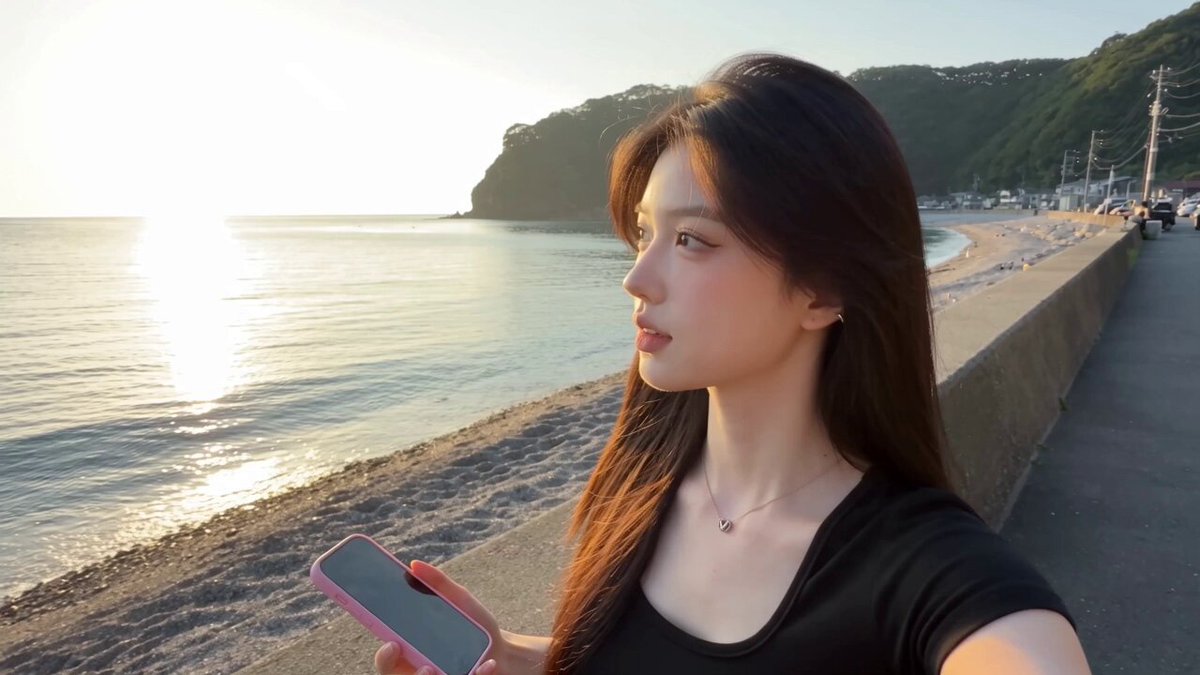
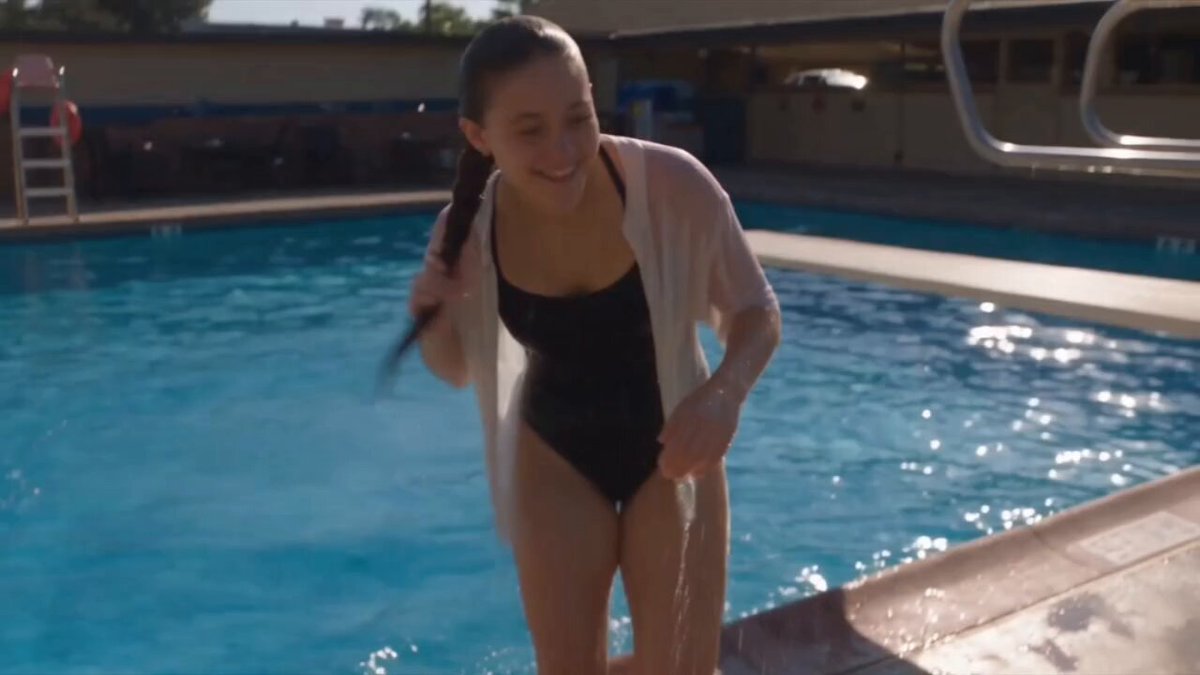
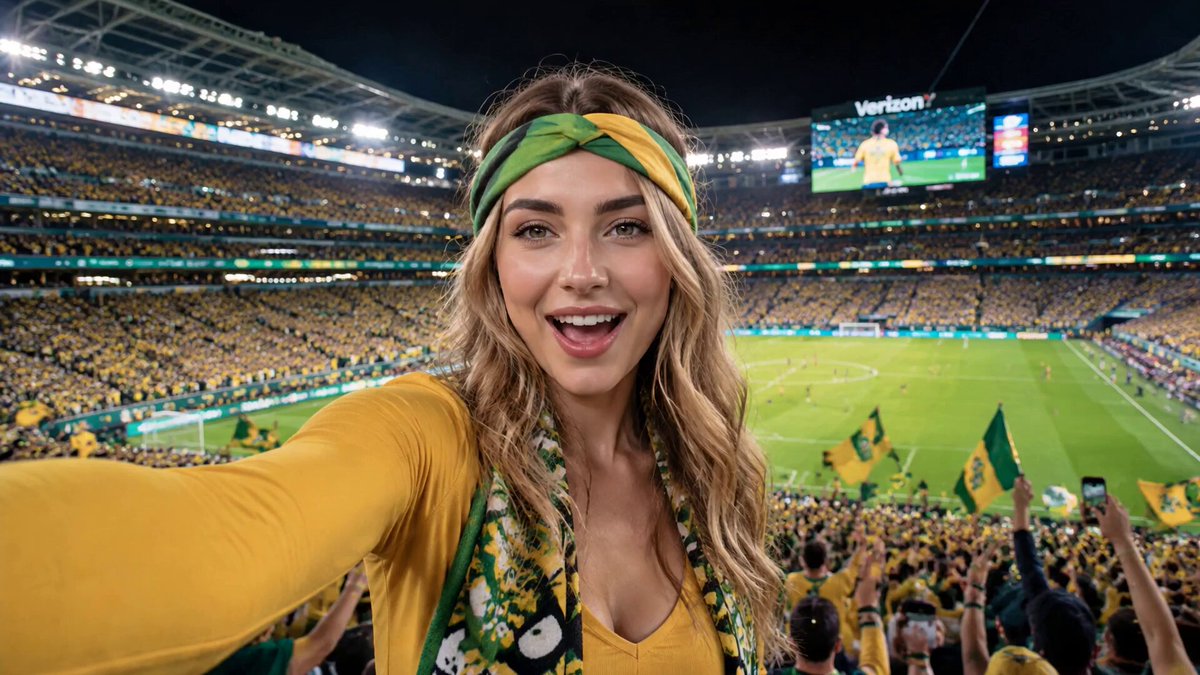
The reason is structural. A character is not an image, it is an identity that persists across time, camera angles, lighting conditions, and emotional states. Video models, by default, treat every generation as a fresh act of imagination. They have no memory of the face they produced thirty seconds ago, and no obligation to reproduce it. The result is drift: a jawline that softens between shots, eyes that shift color, hair that changes length, a nose that narrows in wide shots and widens in close-ups.
Drift shows up in predictable places:
- Angle changes. A profile shot is generated from different training associations than a frontal shot, so the same prompt can produce two different people.
- Lighting changes. Hard key light versus soft window light changes the geometry the model infers, which often changes the face along with it.
- Wardrobe and prop changes. Swapping a jacket can reset the whole identity embedding, because the model treats the outfit as part of the character description.
- Motion and duration. The longer a shot runs, the more opportunity the model has to reinterpret features frame by frame.
- Prompt rewriting. Even a small paraphrase between shots, from "short dark hair" to "dark cropped hair," can nudge the output into a different face.
For a one-off clip, none of this matters. For a series, an ad campaign with multiple cutdowns, an explainer with a recurring presenter, or a narrative short, it matters enormously. Viewers forgive imperfect animation. They do not forgive a protagonist whose face changes three times in ninety seconds. Consistency is what signals that a character is a character and not a random output.
This is the problem multi-image fusion was developed to solve, and it is worth understanding as a technique rather than as a feature attached to any single tool.
What Multi-Image Fusion Actually Does
Multi-image fusion is a conditioning strategy. Instead of describing a character in words and hoping the model interprets those words the same way each time, you supply several reference images and let the model derive an identity from them. Those references are blended into the generation process through attention conditioning and identity embeddings, so the model is no longer inventing a face, it is reconstructing one it has already been shown.
The critical distinction is that fusion is not a face swap. A face swap pastes a photo onto a generated head and usually produces uncanny results, because the lighting, skin texture, and geometry do not match. Fusion influences the generation from the beginning, which means the face is built to fit the scene rather than inserted into it afterward. Skin catches the scene lighting correctly, shadows fall naturally, and the result survives close-ups.
Reference Roles and How They Interact
Not every reference image does the same job. A workable mental model is to assign each image a role:
- Identity anchor. A clean, neutral, well-lit portrait. This carries the most weight and should almost never change.
- Angle references. Three-quarter and profile views that teach the model how the face behaves in three dimensions.
- Wardrobe references. Full-body or medium shots that lock clothing, silhouette, and color palette.
- Expression references. Smiling, serious, surprised, so the model learns how features move rather than only how they rest.
- Style reference. A single image showing the intended visual treatment, whether that is photoreal, painterly, or animated.
When these roles blur, results degrade. If your style reference also happens to be your only identity reference, the model will average the two and you will get a character who looks like a compromise between them.
Why More References Isn't Automatically Better
There is a real ceiling here. Beyond roughly six to eight references, extra images start fighting each other. Small inconsistencies, a slightly different hair part, a different lens, a different white balance, get averaged into a face that resembles nobody. The practical rule is: fewer references, cleaner references, clearly assigned roles. Two perfect references beat ten mediocre ones every time.
Building the Reference Set: A Character Bible That Works
Before you generate a single second of video, build a reference sheet. This is the same discipline a production designer uses for a live-action show, translated into images.
The Six-Image Minimum
For a character who will appear in varied shots, aim for at least:
- A neutral frontal portrait, eyes open, mouth relaxed, no strong expression
- A three-quarter view, same lighting
- A profile view, same lighting
- A full-body shot in the primary costume
- A medium shot with a secondary expression, such as a genuine smile
- One image in a different lighting environment to show how the face reads in shadow
If the character appears with a second outfit, add one full-body reference for that outfit. Do not add five. Outfit changes are handled far more reliably by prompt and by wardrobe references than by stacking near-duplicates.
Consistency Inside the References Themselves
References only teach a model what they agree on. If three of your images were shot with a wide lens and three with a telephoto, the model learns a distorted head shape. Keep the reference set internally consistent:
- Same lens or focal length range where possible
- Same white balance and color grade
- No beauty filters, no skin smoothing, no heavy retouching
- No occlusion of the face by hands, hair, or props
- Resolution high enough to show pore-level detail, since fine texture is what anchors identity in close-ups
- Neutral backgrounds, so the model does not learn the background as part of the character
The last point is underrated. If every reference image has the same blue studio backdrop, the model may start reproducing that backdrop, or worse, tinting the character's skin and clothing to match it.
Naming, Storage, and Versioning
Treat references like source code. Use a naming convention that encodes role and version, such as amanda_identity_v3_front.png, and freeze a set the moment it produces good results. When you later tweak a reference, create a new version instead of overwriting. Half of all consistency bugs come from someone quietly replacing one reference image in a set that was otherwise working.
Prompt Craft for Fusion-Based Generation
References do most of the heavy lifting, but prompts still decide whether a shot succeeds. The goal is to make the prompt describe the scene and the action, and let the references describe the person.
Anchor Tokens Over Descriptions
If the model supports a named character token or a saved character identity, use it. A short token like [amanda] keeps the prompt from re-describing facial features, which is exactly where drift creeps in. Every time you type "sharp cheekbones and almond eyes," you invite the model to reimagine them slightly differently.
When tokens are not available, use a fixed descriptor block, copied and pasted verbatim from shot to shot. Same words, same order, every time. Never paraphrase your own character description.
Separate Identity, Action, and Camera
Structure prompts in tiers so each tier can be edited independently:
- Identity tier: the token or frozen descriptor block
- Action tier: what the character is doing, verb by verb
- Camera tier: shot size, lens feel, movement, angle
- Environment tier: location, time of day, weather, background activity
- Style tier: grade, film stock, render treatment
When something goes wrong, you change one tier. Changing all of them at once makes it impossible to know what fixed it, or what broke it.
Negative Constraints That Actually Help
Negative prompts are most useful for the failure modes you keep seeing, not for generic lists. Typical contenders: changing facial features, inconsistent eye color, extra fingers, warping jawline, morphing identity, duplicate face. Keep the list short, and update it based on your own output, not someone else's template.
A Repeatable Multi-Image Fusion Workflow
Here is a workflow that holds up across projects.
Step 1: Lock the character concept on paper. Write a one-paragraph description with three or four unforgettable traits. This is your reference for judging every generation.
Step 2: Assemble the reference sheet. Six images, roles assigned, consistent lighting, no filters.
Step 3: Run an identity test grid. Generate twelve to twenty still images at varying angles and lighting, using references only, no video. Review them as a contact sheet, not one at a time. If the character is not stable across a contact sheet, no video model will save you.
Step 4: Pick a golden still. Choose the single still that best matches your concept. This becomes your north star and your first frame for difficult shots.
Step 5: Generate keyframes. Build the shot list, then generate a still for the first, middle, and last beat of each shot. Approve the stills before animating anything. Still images are cheap and fast; video is not.
Step 6: Animate in short beats. Generate three to five second clips rather than long continuous takes. Short clips drift less, and they are easier to regenerate in isolation when one beat fails. Assemble them in an editor; viewers read a cut as intentional, while they read a morph as a mistake.
Step 7: Re-anchor periodically. Every so often, regenerate a shot starting from the golden still instead of from the previous clip. This resets accumulated drift.
Step 8: QC and archive. Run a consistency pass, then archive the reference set, prompts, and seeds together so the character can be reproduced months later.
Keyframe-First Beats Text-First
Text-first generation is faster to start and slower to finish. Keyframe-first takes longer upfront but gives you control over composition and identity before motion introduces chaos. For any project with a recurring character, keyframe-first wins on total time.
Style Shifts Without Losing the Face
Sooner or later you will need the same character in a different visual treatment: a noir sequence, a watercolor explainer, a stylized anime insert. The mistake is to rebuild the character for the new style.
A better approach is to keep identity and style on separate weighting paths. Hold the identity references constant and change only the style reference and style tier of the prompt. If the model supports separate strength controls, keep identity strength high and style strength moderate. If it does not, generate in the original style first, then apply a style transformation as a post-process, checking the face at each stage.
Two guardrails help:
- Test with a single shot. Never convert a whole sequence before confirming that the transformation preserves the face.
- Keep one identity reference in the target style. A single well-made example image in the new style often stabilizes the entire sequence.
Expect the exact same face to be impossible across radically different render styles. What you want is a face that remains unmistakably the same person, which is a different and more achievable standard.
Quality Control and Drift Detection
Consistency is a review process, not a setting. Build a checklist and use it every time.
- Landmark spacing. Eye separation, eye-to-hairline distance, and nose-to-chin proportion should hold steady across shot sizes.
- Distinguishing marks. Moles, scars, freckle patterns, ear shape, and brow shape are the fastest tells of an identity swap.
- Hands. Hands are where models confess. If the hands look wrong, the shot needs regeneration regardless of the face.
- Color of eyes and hair under different lighting. Warm light makes brown eyes look amber; that is fine. Green eyes turning blue is not.
- Continuity at cuts. Scrub the timeline at every cut point. Small jumps are visible even when individual frames look good.
Create a contact sheet of all shots featuring the character and review the whole sheet at once. Drift is almost invisible frame by frame and obvious in a grid.
When you do detect drift, decide quickly whether to regenerate the shot, extend from the golden still, or accept and cover it with a cut. Not every inconsistency deserves a full rebuild; a shot that lasts two seconds on screen may not be worth another hour of work.
Common Mistakes, Fixes, and Decision Criteria
| Mistake | Why it hurts | Fix |
|---|---|---|
| Using filtered or retouched references | The model learns an idealized face it cannot reproduce | Use raw, neutral images |
| Changing prompts between shots | Each paraphrase nudges identity | Freeze a descriptor block |
| Generating long takes | More frames, more drift | Cut into short beats |
| Mixing front-facing only references | No three-dimensional information | Add three-quarter and profile views |
| Restyling before locking identity | Style and identity get entangled | Lock identity first, style later |
| No archive of settings | Character cannot be reproduced | Version references, prompts, and seeds |
When choosing an approach, match the tool to the job:
- Single reference image: fine for a single shot or a background character.
- Multi-image fusion: the right default for any recurring character across multiple shots or episodes.
- Custom training on a character: worth it when the character will appear in hundreds of shots and you need the highest fidelity, but it demands a much larger and cleaner dataset.
- Traditional shooting or 3D: still the most controllable option when the budget supports it, and a sensible source for your reference sheet if you have access to it.
FAQ
How many reference images do I actually need?
Four to six clean images covering frontal, three-quarter, profile, and full-body views will outperform fifteen near-duplicates. Add an outfit reference only when the wardrobe genuinely changes.
Can I use phone photos as references?
Yes, as long as lighting is even, the face is unobstructed, and no filters are applied. A modern phone in soft daylight beats a heavily edited studio portrait.
Why does the character look right in stills but wrong in video?
Motion models reinterpret features frame by frame. Keep shots short, re-anchor from your golden still, and review at cut points rather than only at the start of each clip.
Do I need references for every outfit?
No. Reference the primary look and describe secondary outfits in the prompt using the identity token. Add a reference only if a costume is central to the story.
How do I handle characters with glasses, beards, or hats?
These occlude the face and weaken identity transfer. Include at least one reference without the accessory to keep the underlying facial structure anchored, then reintroduce the accessory through prompt and reference together.
Is consistency easier in stylized animation than photorealism?
Often yes, because viewers are more tolerant of small anatomical variation in stylized work, and hard edges and flat shading hide micro-drift. Photoreal close-ups remain the hardest case.
What if the model keeps averaging two different faces?
That usually means conflicting references. Remove the outlier image, or split the two characters into separate identity sets rather than blending them in one.
How often should I rebuild the reference set?
Only when a project changes substantially: a new season, a redesign, or a shift into a new render style. Otherwise, keep the frozen set and reuse it.
The through-line is simple. Treat character identity as an asset you maintain, not an outcome you hope for. Assemble a clean reference sheet, keep prompts stable and structured, generate in short beats, and review with a checklist. Do that, and the same face will still be recognizable on shot four hundred.
