
The Consistency Problem, Solved
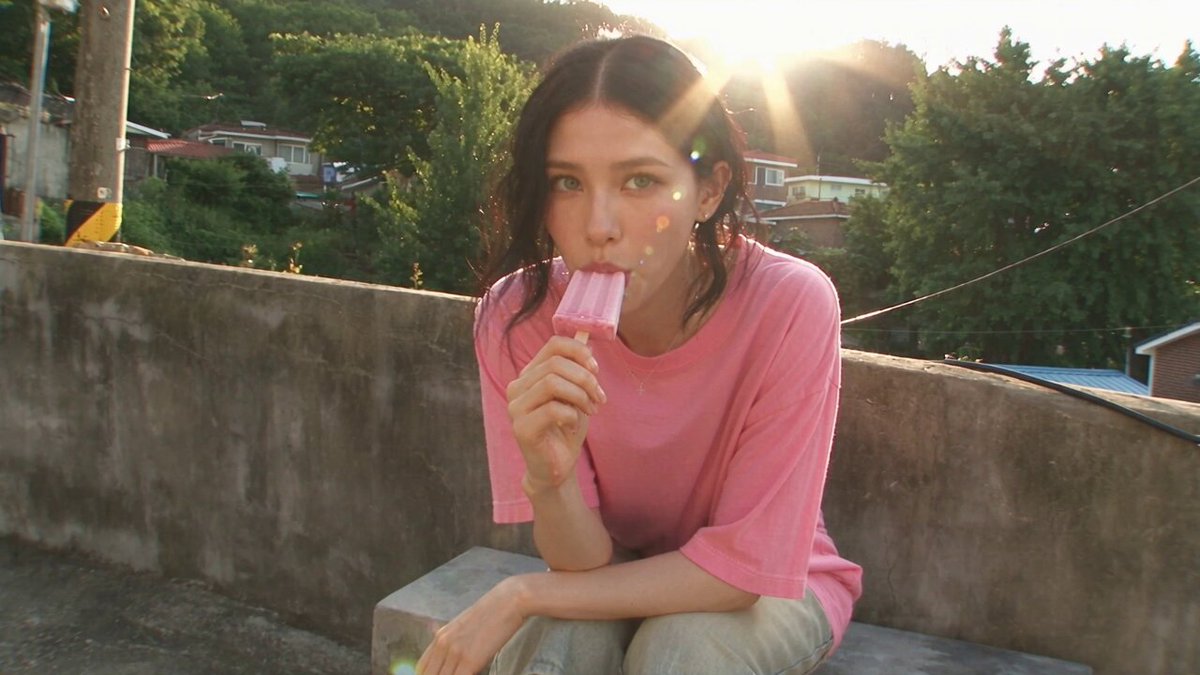
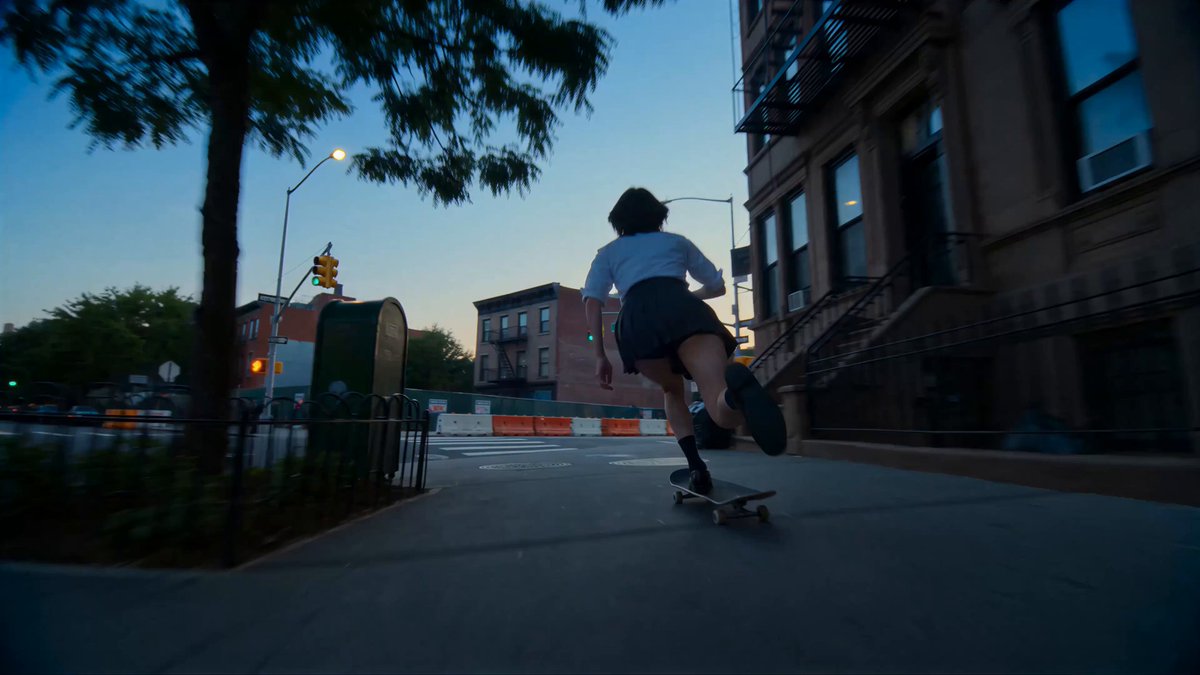
If you've spent any time generating AI videos, you know the pain: you create the perfect character, generate a beautiful first scene, and then in scene two... it's a completely different person. Different hair, different face, different clothes.
This isn't a minor inconvenience — it's the single biggest barrier between AI video generation and professional content creation. Multi-image fusion is the solution.
What Is Multi-Image Fusion?
Multi-image fusion is a technique where you provide the AI model with multiple reference images of your character, and the model uses these as visual anchors throughout the generation process.
Instead of asking the AI to "remember" what your character looks like from a text description, you're saying: "This is exactly what my character looks like. Use these images as your reference for every single frame."
The AI encodes the visual features from your reference images — facial structure, hair color and style, body proportions, clothing details — and constrains the generation process to maintain these features.
The Technical Foundation
Multi-image fusion works through a process called visual feature anchoring:
-
Feature Extraction: Each reference image is processed through a vision encoder that extracts high-dimensional feature vectors representing the character's visual identity.
-
Cross-Attention Conditioning: During generation, the model uses cross-attention layers to reference these feature vectors, ensuring the output stays consistent with the reference.
-
Temporal Consistency: Across frames, the model maintains a running representation of the character's features, reducing drift over time.
Step-by-Step Workflow
Phase 1: Character Design
Before touching any video tool, design your character thoroughly. Use the Domer AI Image Generator to create reference images. You need at minimum:
- Front view (neutral expression)
- Profile view (shows facial structure from the side)
- 3/4 angle (most commonly used in animation)
- Full body shot (for scenes showing the entire character)
For best results, add:
- Action poses (walking, gesturing)
- Emotional expressions (happy, determined, surprised)
- Different lighting conditions
Phase 2: Reference Organization
Keep your references clean and consistent:
- Same clothing and accessories across all reference images
- Neutral backgrounds (white or light gray is ideal)
- Even, diffuse lighting (avoid harsh shadows)
- High resolution (at least 1024x1024)
Phase 3: Prompt Engineering for Consistency
When writing prompts for your scenes, always reinforce the character's key features:
"Generate a scene where [character name] — maintaining her shoulder-length red hair pulled back in a ponytail, green eyes, and navy blue jacket with gold buttons — walks through a rainy city street at night."
By restating the physical description in each prompt, you help the model maintain the connection to your reference images.
Phase 4: Generation and Iteration
Generate your first scene with Domer AI Video Generator and immediately check for consistency issues. Common problems and fixes:
- Face shape drift: Add more frontal reference images
- Hair color shift: Ensure all reference images have identical hair color under consistent lighting
- Clothing changes: Lock in clothing details in every prompt
- Height/proportion changes: Include full-body reference with known scale reference
For the best results, use Seedance 2.0, which has native multi-image fusion support and produces exceptional character consistency.
Pro Techniques
The "Hero Sheet" Method
Create a single reference image that's a character sheet — showing your character from multiple angles, with different expressions and poses, all in one image. This single image becomes your master reference.
Style Anchoring
Beyond character consistency, use multi-image fusion to maintain a consistent art style. Include style reference images (paintings, illustrations, movie stills) alongside your character references.
Incremental Complexity
Start simple: generate static scenes first to verify consistency. Only add complex motion and camera movement once you're confident the character stays stable.
Facial Feature Locking
If you're getting facial drift, create a reference image that's purely the character's face, filling the entire frame, with flat even lighting. This gives the model the cleanest possible facial encoding.
Common Failure Modes (And How to Fix Them)
-
The Morphing Face: Character's face gradually changes across a long video
- Fix: Use 5-7 reference images instead of 3. Include extreme close-ups.
-
The Outfit Swap: Clothing details randomly change
- Fix: Create a dedicated "clothing reference" image showing the outfit clearly in good lighting. Mention clothing in every prompt.
-
The Style Drift: Art style changes from scene to scene
- Fix: Include 2-3 style reference images and mention style keywords consistently.
-
The Attitude Shift: Character's personality/expression doesn't match the scene
- Fix: Create expression reference images and specify emotional state in prompts.
The Business Case for Multi-Image Fusion
If you're creating content professionally, multi-image fusion isn't optional — it's a competitive necessity. Here's why:
- Brand consistency: Your audience recognizes your characters, building loyalty
- Series potential: Create multi-episode content where characters remain recognizable
- Client satisfaction: Deliver consistent results that clients can build marketing around
- Efficiency: Spend less time fixing inconsistency, more time creating
Conclusion
Multi-image fusion transforms AI video from a "cool demo" into a production-ready tool. The extra effort of creating proper reference images pays for itself many times over in reduced iteration cycles, higher quality output, and the ability to create serialized content.
Start your next project with the multi-image fusion workflow. Spend the time upfront on your reference images. Your future self — and your audience — will thank you.
