

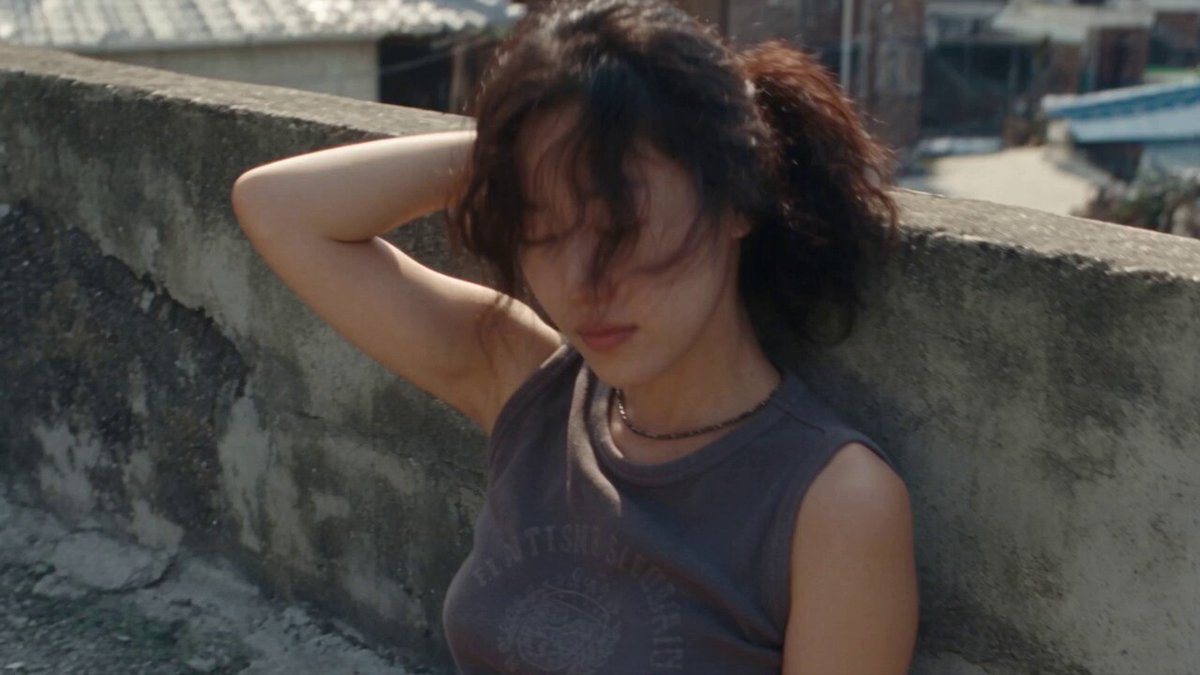
Why Philippine Cinema Is a Useful Lens for AI Video Work
Philippine cinema has spent decades as one of Southeast Asia's most prolific storytelling engines. It supports a mainstream studio sector that turns out crowd-pleasing dramas and romantic comedies, a restless independent scene that regularly lands on festival programs, and a diaspora audience that consumes Filipino stories from Manila to Dubai to Los Angeles. What makes the industry such a useful case study for AI-assisted video is not its size but its constraints: tight budgets, short shooting windows, unpredictable weather, limited visual effects capacity, and an audience that now watches mostly on phones.
Those constraints are exactly where AI video tools earn their keep, or fail loudly. A director in Metro Manila working with a five-person crew faces the same questions as a solo creator in Cebu or a branded-content team in Singapore: Can I lock a visual look before I spend money on a shoot day? Can I keep a character's face consistent across twelve short episodes? Can I test a scene before I build the set? Generative video, image, and audio tools do not answer all of those questions, but they dramatically change the cost of asking them.
This guide takes a workflow-first approach. It covers how audience behavior is shifting, where AI genuinely helps in a film pipeline, how to structure pre-production around generative tools, how to hold character and lighting consistency, what still breaks in production and post, and how to choose tools without losing the cultural specificity that makes Filipino storytelling worth watching in the first place.
How Audience Behavior Is Reshaping Production
The most consequential change in Filipino screen media is not a camera or a codec. It is attention. Viewers increasingly meet stories inside feeds: Facebook, TikTok, YouTube, and regional streaming apps. A feature that once needed a theatrical window to justify its budget can now be broken into eight vertical episodes, each three to six minutes long, released weekly, and subtitled for diaspora viewers who watch during commutes.
That shift has three practical consequences for anyone producing video today.
Turnaround beats polish. A serialized short-form show lives or dies on cadence. If a team delivers one strong episode every ten days, the algorithm rewards them. If they deliver one flawless episode every six weeks, the audience forgets them. Anything that compresses the distance between script and publish has outsized value.
Small crews carry more weight. A three-person team may be writer, director, editor, and social manager all at once. Tools that remove repetitive labor — rough storyboards, shot lists, first-pass subtitles, rough cut assembly — free the same people to spend time on performance and story.
Cultural specificity is the differentiator. Global platforms are flooded with generic content. What travels is what feels unmistakably local: the texture of a barangay street at dusk, the rhythm of Tagalog banter, the particular tension of a family dinner where nobody says what they mean. AI tools should accelerate the making of those scenes, never flatten them into interchangeable footage.
The strategic takeaway is simple. Use AI to compress logistics, not to homogenize voice.
Where AI Genuinely Helps — and Where It Doesn't
Hype tends to describe AI as a replacement for production. In practice, the useful applications cluster in pre-production and in the repetitive corners of post. Understanding the boundary prevents expensive disappointment.
Strong fit
- Script breakdown and scene cards. Converting a screenplay into structured scene descriptions, locations, cast requirements, and day-of-day groupings.
- Look development. Generating mood boards, color palettes, wardrobe references, and lighting studies in hours rather than days of reference hunting.
- Storyboards and shot lists. Producing rough frame sketches for every setup, which makes a shot list concrete and exposes coverage gaps before the shoot.
- Previz and animatics. Turning boards into rough timed sequences so the team can feel pacing before committing to a schedule.
- Subtitles, dubbing drafts, and localization. Generating first-pass Tagalog, English, or regional-language subtitles that a human then corrects.
- Roto, cleanup, and upscaling. Removing boom shadows, replacing skies, sharpening archive footage, and stabilizing handheld material.
Weak fit
- Hero performance. Facial micro-expression in a dramatic close-up still resists convincing synthesis. Real actors remain irreplaceable in emotional scenes.
- Complex physical interaction. Handoffs, fights, food preparation, crowded streets — anything with contact between bodies or objects — frequently produces artifacts.
- Continuous long takes. Generation favors short bursts. Extended unbroken shots usually need seam-aware planning.
Not ready for prime time
- Replacing principal photography wholesale on a dialogue-driven drama.
- Generating a culturally accurate period setting with no reference material and no human art direction.
- Trusting automatic subtitle timing for dialogue-heavy scenes without review.
The pattern across all three categories is consistent: AI is excellent at producing options and drafts. It is unreliable at producing final emotional truth. Build your workflow so that humans own the finishing pass.
A Practical Pre-Production Workflow
Here is a pre-production sequence that works for a small team, whether the output is a short film, a branded spot, or a vertical series. Each step produces an artifact the next step consumes.
Step 1 — Break the script into scene cards
Feed the screenplay into a language model and ask for a structured table: scene number, slug line, interior or exterior, time of day, characters present, props needed, and a one-line dramatic purpose. Review the output line by line — models misread oblique stage directions — then export it to a spreadsheet. You now have the spine of your schedule and budget.
Step 2 — Build look development boards
For each major location and character, generate a board of eight to twelve images exploring palette, texture, and lighting direction. Deliberately generate outside your comfort zone: hard noon sun, neon night, fluorescent interior. The goal is not to pick a pretty frame but to define a visual rule set: what does this world look like, and what does it never look like?
Step 3 — Storyboard every setup
Use image generation with your look board as reference to sketch each shot. Keep the sketches rough. A storyboard's job is to communicate framing, screen direction, and coverage, not to be finished art. Mark the shots you expect to be difficult — crowd scenes, stunts, complex camera moves — so the schedule reflects reality.
Step 4 — Cut an animatic
Sequence the boards in an editing timeline with temporary dialogue reads and scratch music. Twenty minutes here regularly saves a full shoot day. You will discover that two scenes say the same thing, that a transition needs a bridging shot, or that an episode peaks five minutes in when it should peak at two.
Step 5 — Write the shot list from the animatic
Because the animatic already establishes order and duration, the shot list becomes a checklist rather than a creative exercise. Number each setup, note lens and movement intent, and flag any shot requiring special equipment.
Look Development and Character Consistency
Consistency is where generative pipelines usually collapse, and it is worth its own discipline. If a character's face, wardrobe, or hairstyle drifts between cuts, the audience feels the seam instantly, even if they cannot name what is wrong.
Treat consistency as a data problem, not a prompting problem. Create a character sheet: three to five reference images at different angles, a fixed wardrobe list, distinctive details such as a scar, a watch, or a hair clip, and a written description of temperament. Reuse those references every time the character appears. Where a tool supports it, lock a seed value or train a small personal style adapter so the model reproduces the same face rather than a cousin of it.
Lighting consistency follows the same logic. Decide early whether your story lives in warm tungsten interiors, cool overcast daylight, or high-contrast night exteriors, and record the reference frames that define each mode. When a generated frame does not match, correct the reference, not the prompt. Prompts drift; references anchor.
Finally, document everything in a shared folder with predictable names. An unlabeled character reference is worthless three weeks later when a different editor picks up the project.
Production, Post, and Localization
On set, AI's role shrinks and logistics dominate. The most valuable on-set applications are unglamorous: prompter apps for dialogue, automatic continuity notes cross-referenced against the shot list, and quick playback transcoding. Some teams use generative tools to create a temporary sky replacement or set extension for reference, but the final capture should stay photographic unless the shot is explicitly designed as a generated insert.
Post is where the compounding returns appear.
Assembly and rough cuts. Speech-to-text transcription lets an editor search dialogue instead of scrubbing audio. That alone can halve the time spent finding the best take.
Cleanup. Object removal, wire and rig removal, boom shadow fixes, and stabilization are mature and reliable when used on small areas.
Color. AI-assisted color matching between shots keeps a scene visually coherent when coverage was captured under changing weather.
Sound. Dialogue isolation removes traffic noise from a street scene. Voice tools can generate temporary scratch dubs so a director can judge a scene in a different language before paying for a studio session.
Localization. For Filipino productions targeting both domestic and diaspora audiences, a Tagalog-and-English subtitle pass doubles potential reach. Always have a native speaker review generated subtitles; idioms and regional expressions are the first casualties of machine translation.
The cardinal rule in post is that generated elements must survive a close look on a phone screen and a laptop. Export at final resolution, watch on both, and only then commit.
A Micro-Budget Example: Six Vertical Episodes
Consider a hypothetical production: a six-episode vertical drama about a night-shift nurse in Quezon City, budgeted at roughly the cost of two shooting days.
The team starts with look development, generating a palette of fluorescent hospital corridors and humid blue pre-dawn streets. The animatic reveals that the pilot is too slow, so they restructure the opening around a single urgent scene. Because a real hospital is unavailable, three scenes are shot in a rented clinic and two are planned as generated establishing inserts — clearly stylized, never pretending to be documentary footage of a real facility.
Character consistency is handled with a locked reference sheet for the lead: two wardrobe changes, one hairstyle, one identifying detail. Location references are grouped by lighting mode so that the generated inserts match the shot footage.
Post runs in parallel with shooting. Each day's footage is transcribed, logged, and rough-assembled. Subtitles are drafted automatically and corrected by a bilingual team member. The final episodes ship weekly, with the generated inserts composited last so they benefit from locked color.
Total savings come from three places: fewer shoot days, faster assembly, and zero reshoots caused by missing coverage, because the animatic exposed the gaps beforehand. None of that savings came from replacing actors or writers.
Common Mistakes and How to Avoid Them
Chasing generated beauty instead of story. It is easy to spend a week producing gorgeous frames that do not serve a scene. Set a hard cap on look development and move on.
No reference discipline. Teams that prompt from memory get drift. Teams that maintain a locked reference folder get consistency.
Skipping the human review layer. Generated subtitles, dubs, and copy all need a native check. Shipping an embarrassing translation costs far more than the ten minutes it takes to fix.
Letting lawyers arrive last. Likeness, consent, music, and location permissions still apply. A signed release before the shoot is worth more than a clever cleanup afterward.
Treating AI output as final. Everything generated should pass through a human finishing pass for performance, timing, and cultural accuracy.
Over-automating the schedule. Scheduling is a judgment call about people, weather, and emotion. Use tools to organize information, not to decide the plan.
Erasing local texture. If every generated background looks like a generic Southeast Asian street, the story loses the specificity that made it worth telling. Shoot the real street. Generate the impossible one.
Choosing Tools: Decision Criteria and Guardrails
Not every tool deserves a place in your pipeline. Score candidates against criteria that matter to a small production.
| Criterion | What to look for |
|---|---|
| Output resolution and aspect ratio | Native vertical and widescreen without upscaling artifacts |
| Consistency controls | Reference image input, seed locking, or personal style adapters |
| Shot length | Clips long enough to cut without constant re-stitching |
| Language handling | Accurate subtitles and dubbing in Tagalog and English |
| Export and licensing clarity | Clear terms for commercial use and distribution |
| Learning curve | A new team member can produce a usable draft within a day |
| Pipeline fit | Exports files your editor already works with |
The guardrails matter as much as the features. Keep a written policy on likeness consent, never generate a real person's face without permission, label synthetic footage where required by the platform, and archive your prompts and references so decisions can be explained later. If a client asks how a shot was made, you should be able to answer in one paragraph.
FAQ
Will AI replace film crews in the Philippines?
No, and the framing misses the point. AI compresses pre-production and repetitive post work while leaving performance, direction, and cultural authorship with people. The teams that benefit most are small crews using tools to buy back time for story.
How do I keep a character's face consistent across episodes?
Build a locked reference sheet with multiple angles, fixed wardrobe, and distinctive details. Reuse it in every generation, lock a seed if your tool supports it, and train a small personal adapter when drift persists. Consistency comes from reference discipline, not from better adjectives in a prompt.
Can I use generated footage in a commercial release?
Usually yes, but licensing varies by tool. Review the terms for commercial and broadcast use, avoid generating recognizable real people without consent, and keep documentation of what was generated versus captured.
What is the fastest win for a small production?
An animatic built from rough AI storyboards. It typically costs less than a day of work and frequently exposes coverage gaps or pacing problems that would otherwise surface during the shoot.
Is AI good enough for full dialogue scenes?
Not for emotional close-ups. Use it for establishing shots, inserts, impossible locations, and stylized transitions. Shoot real actors for anything that depends on subtle expression.
How should subtitles be handled?
Generate a first pass, then have a bilingual team member correct idiom, timing, and register. Automated subtitles are a time saver, never a final deliverable.
What about preserving Filipino identity in generated imagery?
Feed the model real references from real places, and shoot on location whenever feasible. Generate only what you cannot physically capture, and keep art direction in human hands.
