
Photorealism without the render farm
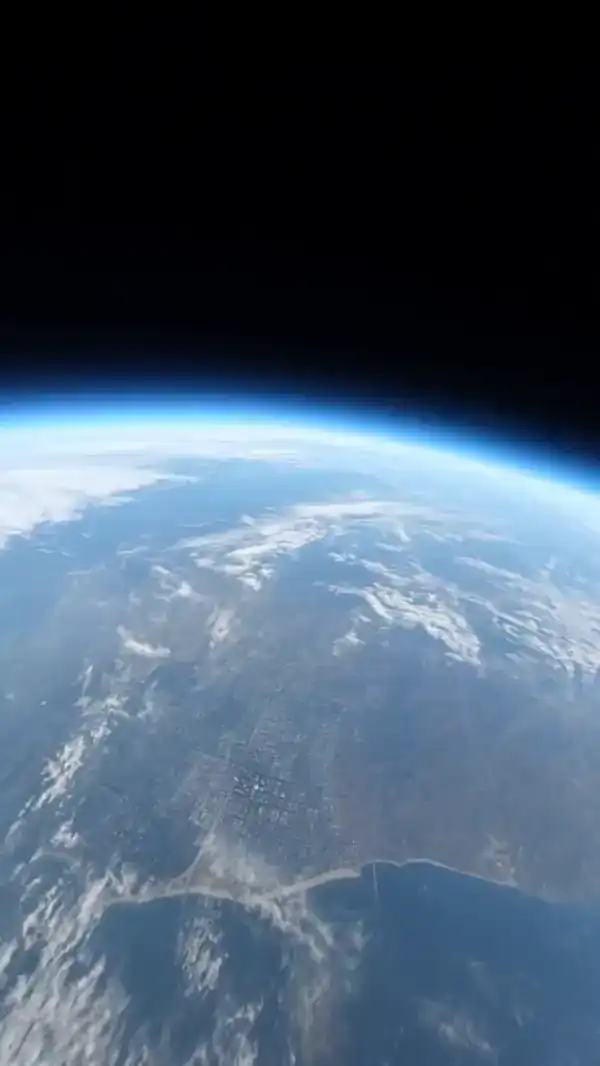
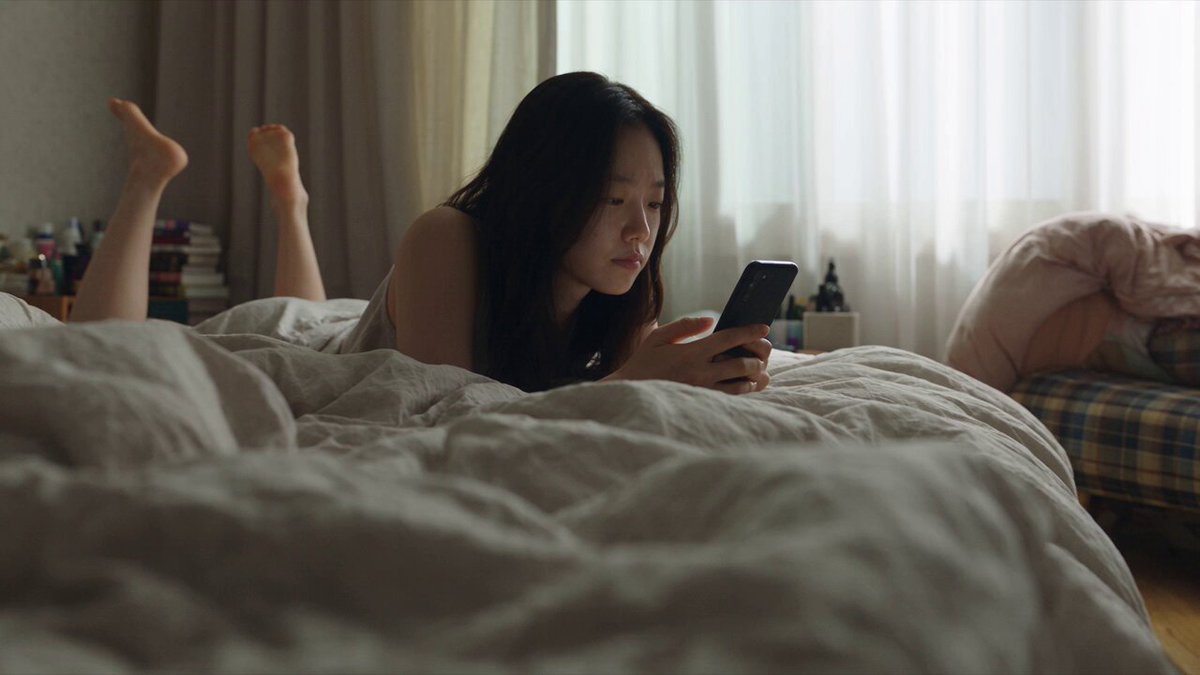
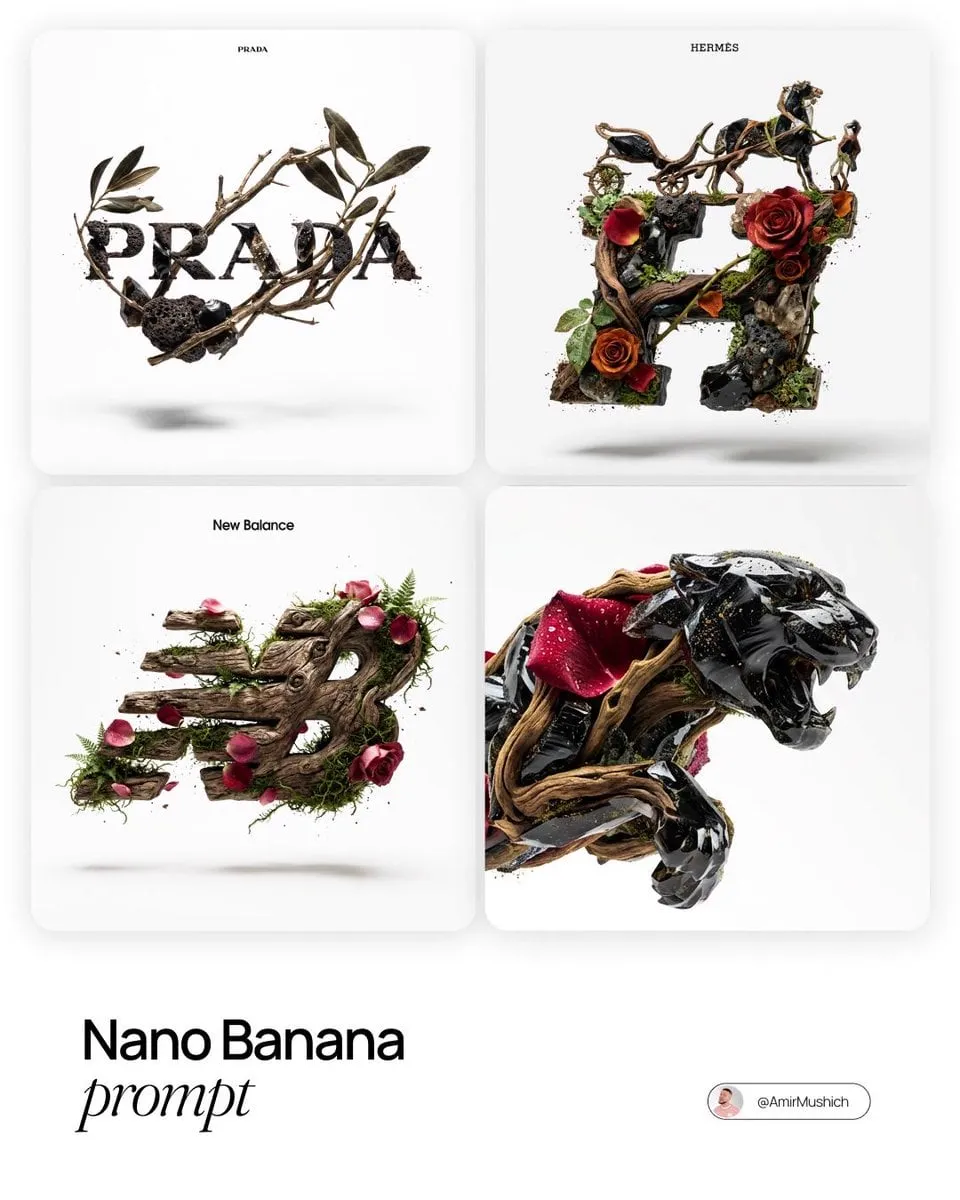
For years, photorealistic 3D rendering was the exclusive domain of studios with serious hardware and specialist teams. The AI era changed that. Today, the same visual language — depth of field, realistic materials, believable lighting — can be reached through models that translate text and images into production-ready visuals.
This guide explains how to elevate your content from generic to photorealistic with AI, without a render farm or a VFX budget.
What photorealism actually requires
Detail at every level
Photorealism is not one feature; it's the sum of many: accurate lighting, realistic materials, natural motion, and consistent perspective. The best AI models are trained on vast, high-quality datasets that encode these qualities. Your job is to ask for them explicitly in your prompts and references.
Physical plausibility
Viewers may not know why an image feels real, but they notice when physics is off. Light that behaves naturally, materials that reflect correctly, motion that follows believable paths — these create the subconscious impression of reality.
The models that get you there
High-fidelity generators
Models known for photorealistic output excel at texture, lighting and material simulation. They're ideal for hero shots: product visualization, cinematic openings, detailed close-ups. Reserve them for the scenes where detail matters most.
Motion-focused models
For animation, what matters is natural, coherent motion. These models handle camera paths, object movement and physics better, producing results that don't feel "generated."
Stylized models for contrast
Not every scene needs photorealism. Stylized models can create intentional contrast — a realistic scene that shifts into illustration or anime — adding artistic dimension to your work.
Building visual consistency
Reference images as anchors
Photorealism and consistency go hand in hand. Create a set of reference images for characters, products and environments with an AI image generator, then use them as anchors across all scenes. This keeps lighting, materials and identity stable even when you switch models.
Keyframe control
For animation, define how each shot begins and ends. Models with first-to-last frame control let you lock the start and end states, with the AI filling the middle. This is the closest bridge to traditional CGI workflow: precise control over transformations and camera movement.
A workflow that scales
Phase 1: Concept and style guide
Define the visual language before generating anything: palette, lighting style, material feel. Create reference images that embody these choices.
Phase 2: Rapid prototyping
Generate quick versions of each scene with fast, economical models. Validate composition and pacing before investing in high-quality renders.
Phase 3: Final production
Regenerate approved scenes with high-fidelity models. Use text-to-video for new ideas and image-to-video to animate existing assets.
Phase 4: Post-production
Add sound, music and color grading. In photorealistic work, audio is often what sells the illusion — a well-designed soundscape completes the realism.
Real-world applications
Product visualization
Photorealistic renders let brands showcase products before physical prototypes exist. Material fidelity and believable lighting make the difference between a mockup and a premium presentation.
Marketing and advertising
Campaigns that demand cinematic quality no longer require full production teams. Photorealistic AI visuals can be iterated quickly across formats and markets.
Independent filmmaking
Pre-visualization and concept validation, which once took days or weeks, now happen in hours. Independent creators can explore visual directions before committing resources.
Common mistakes
- Skipping references: photorealism without anchors drifts into inconsistency.
- Ignoring physics in prompts: describe motion and lighting realistically, or the result feels "off."
- Using one model for everything: different scenes need different model strengths.
- Neglecting audio: visual realism without sound feels hollow.
Conclusion
Photorealistic 3D renders and AI animation are no longer out of reach for individual creators. The technology has democratized a discipline that once demanded studios and render farms. What separates a generic result from an elevated one is method: strong references, explicit prompts, consistent visual language and a disciplined workflow.
Start with a single product or character, master the process, then scale to larger projects. Photorealism is not about the most expensive tool — it's about using the right tools with intention. Get that right, and your content will look like it came from a studio, because it now carries the same visual language.
