
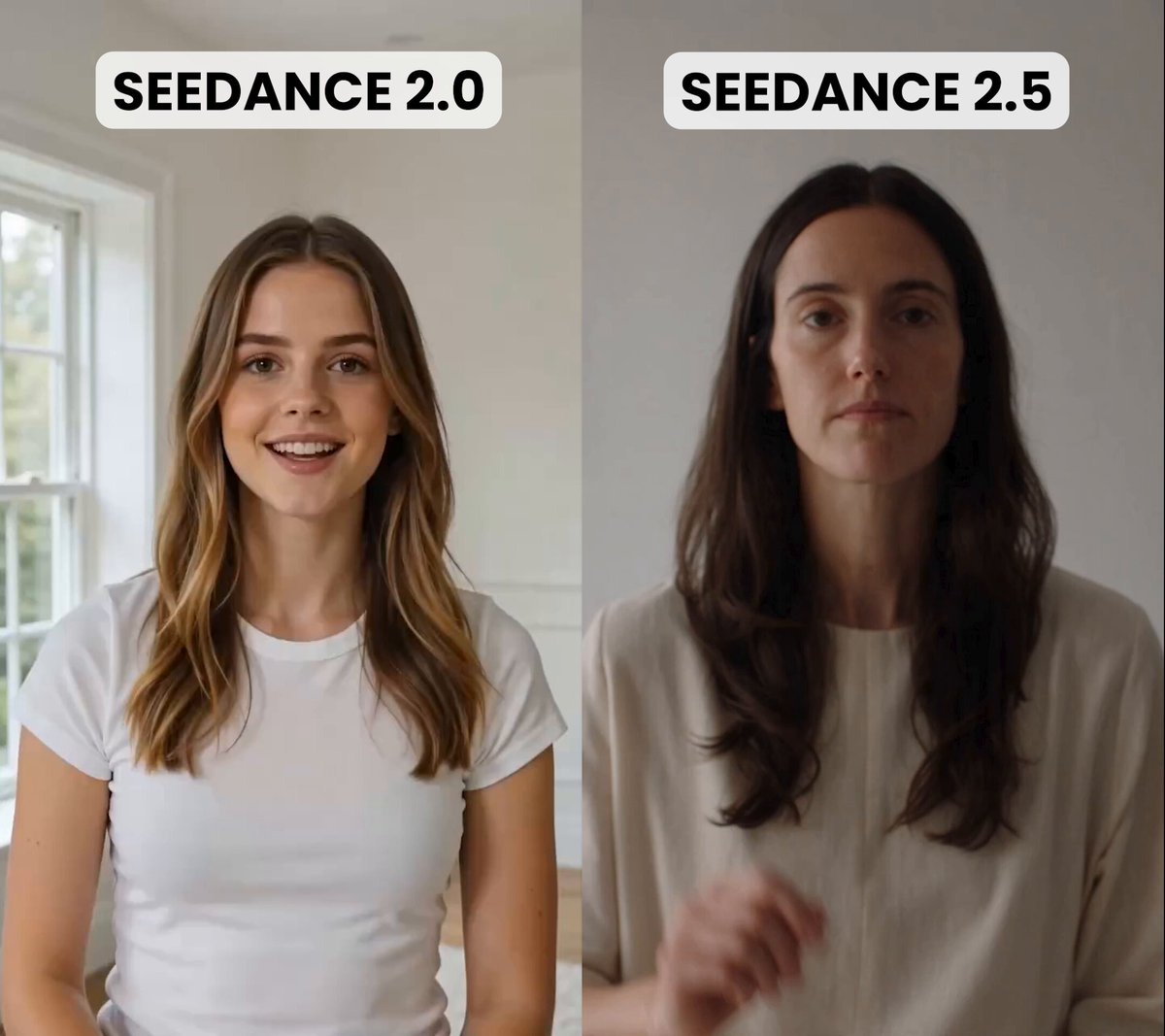
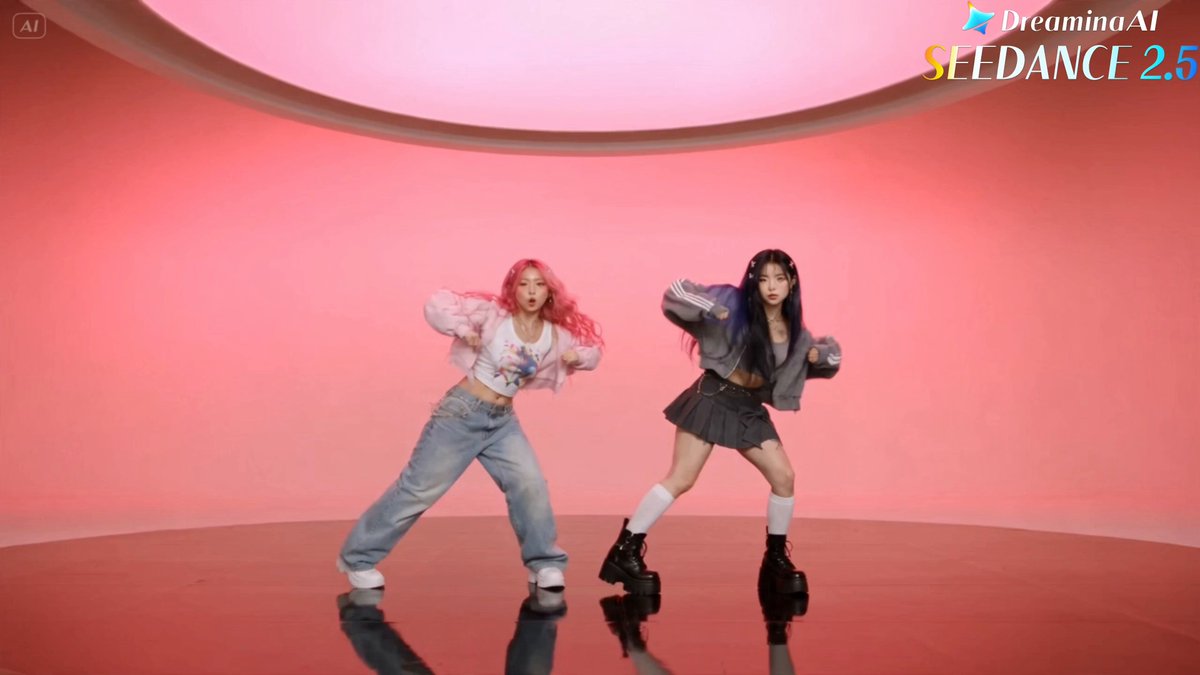
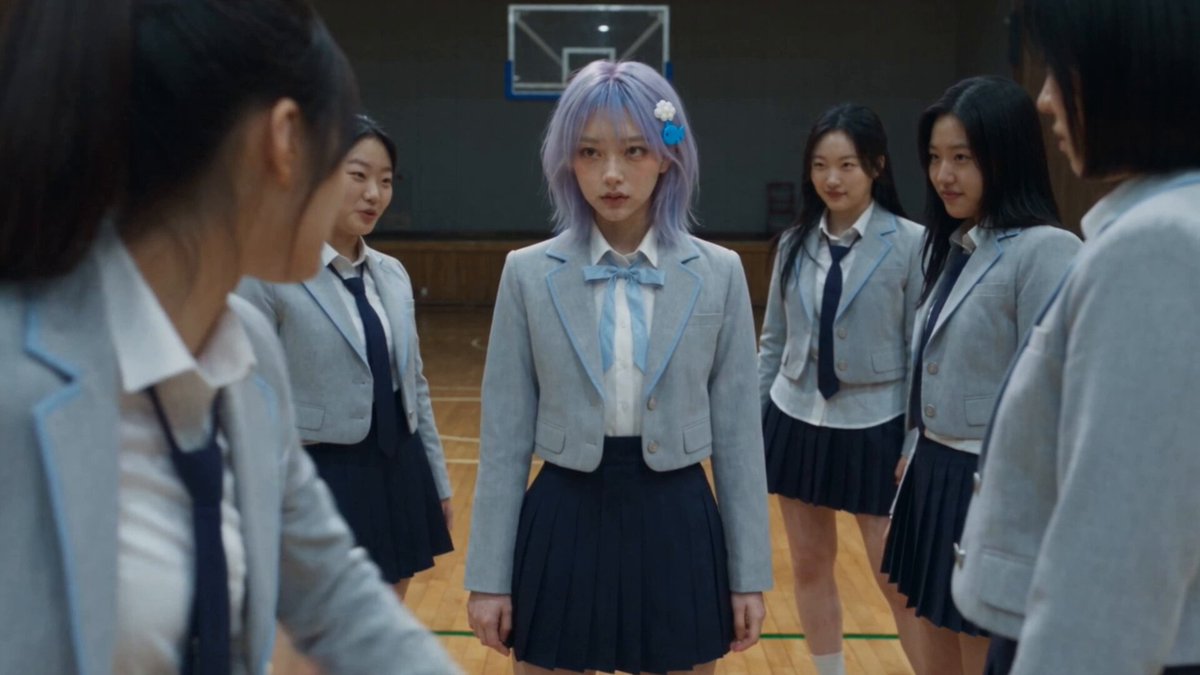
AI video generation has become a daily production tool for indie creators, marketing teams, and studios. Pika 2.3 is one of the most visible names in that shift, but it is not the only option. Runway's Gen series, Kling AI, Tencent Hunyuan, and a range of specialized models each solve different problems. The practical question is not 'which model wins?' but 'which model fits this scene, this deadline, and this visual target?' This guide breaks down Pika 2.3's strengths, compares it with other current generators, and lays out a multi-model workflow for short films, ads, social clips, and experimental projects.
Why Model Comparison Is a Workflow Skill, Not Just a Spec Sheet
Comparing AI video models by spec sheets is misleading. Resolution numbers, maximum clip length, and frame rates matter, but they do not tell you how a model behaves when you need a character to keep the same jacket across five shots, or when you need a product label to stay legible during a camera move. The useful comparison is workflow-based: how fast can you iterate? How well does the model follow a complex prompt? How much manual cleanup does each output require? How does it handle reference images, motion, and style consistency?
A model that produces stunning single shots but drifts in style across a sequence will slow you down. A model that is slightly less photorealistic but locks in character identity may be the better choice for episodic content. The right comparison framework includes:
- Prompt fidelity: Does the model interpret camera moves, lighting, and subject actions as written?
- Temporal consistency: Do faces, clothing, and background details remain stable?
- Image control: Can you drive the generation with a reference image, sketch, or pose?
- Motion realism: Are movements natural, or do they show warping, ghosting, or unnatural speed?
- Iteration speed: How quickly can you generate variations and select the best take?
- Cost efficiency: How many generation attempts does a usable shot require?
- Output flexibility: What aspect ratios, frame rates, and export options are available?
When you evaluate models through this lens, Pika 2.3 and its competitors stop being a popularity contest and become a toolkit.
Pika 2.3: Core Strengths and Ideal Use Cases
Pika 2.3 represents a clear step forward for accessible AI video generation. It focuses on balancing speed, visual quality, and user-friendly controls. That makes it a strong default for creators who need quick iterations without a steep learning curve.
Visual Fidelity and Motion Realism
Pika 2.3 produces clean, detailed frames with convincing lighting. Skin textures, reflections, and environmental details hold up well in short clips. Motion is generally smooth, especially for subtle camera movements and moderate subject action. It handles everyday scenes—people walking, product rotations, nature shots—with a level of realism that works for social media, explainer videos, and concept previews.
Where it stands out is in the consistency of a single shot. If you keep the prompt focused and avoid rapid scene changes, the model maintains object shapes and lighting direction well. That reduces the flicker and morphing that plagued earlier generations.
Prompt Adherence and Image-to-Video Control
Pika 2.3 responds well to structured prompts. It understands camera language such as 'slow dolly in,' 'handheld tracking shot,' and 'static wide angle.' It also respects style cues like 'cinematic teal and orange,' 'soft morning light,' and '35mm film grain.' For creators who plan shots in advance, this predictability is valuable.
Image-to-video is one of its strongest features. You can provide a reference frame and describe the motion you want. This is ideal for animating still photos, bringing storyboard panels to life, or creating motion from a product mockup. The model often preserves the composition and color palette of the source image, which helps maintain visual continuity.
Speed and Iteration Friendliness
Pika 2.3 is built for fast iteration. Short clips generate quickly, which means you can test multiple prompt variations in a single session. That speed changes how you work: instead of polishing one prompt for an hour, you generate five interpretations and pick the best. This approach is especially useful for social media content, where volume and freshness matter.
The interface encourages experimentation. You can adjust motion strength, aspect ratio, and duration without leaving the creative flow. For teams that need to produce daily content, that efficiency is a major advantage.
Where Pika 2.3 Falls Short
No model is perfect. Pika 2.3 can struggle with complex multi-character interactions, intricate hand movements, and very specific text rendering. Long clips may drift in style or lose detail in the background. If your project requires precise character consistency across many shots, you will need additional tools or a different model for those sequences. Pika 2.3 is excellent for individual shots, quick concepts, and social-first content, but it is not a complete replacement for a full animation pipeline.
The Wider Field: How Other Modern AI Video Models Compare
Pika 2.3 does not exist in a vacuum. Several other models push different strengths. Understanding them helps you build a flexible workflow.
Runway Gen Series and Cinematic Control
Runway's Gen series has become a favorite for cinematic work. It offers advanced camera controls, motion brushes, and strong image-to-video capabilities. The outputs often have a filmic quality that appeals to directors and editors. Runway also integrates with broader post-production workflows, making it easier to move from generation to editing.
Compared with Pika 2.3, Runway may offer finer control over camera movement and subject isolation. However, it can be slower and more resource-intensive. For projects where every frame needs a specific look, Runway is a strong candidate. For rapid social content, Pika 2.3 often wins on speed.
Kling AI and Strong Motion Consistency
Kling AI has gained attention for its motion coherence. It handles complex actions—running, dancing, object interactions—with fewer artifacts than many competitors. Character consistency across shots is also a focus, which makes it suitable for narrative sequences. If your project involves continuous action or recurring characters, Kling AI is worth testing.
The trade-off is often generation speed and accessibility. Some models require more setup or have longer queue times. The best approach is to use Kling AI for hero shots that demand motion accuracy, while using faster models for b-roll and transitional scenes.
Specialized Models for Animation, Product Shots, and Social Clips
Beyond the big names, there is a growing ecosystem of specialized models. Some focus on anime and illustration, preserving line art and flat colors. Others are optimized for product photography, keeping labels and materials sharp. Others are designed for vertical social video, with built-in templates for hooks, captions, and transitions.
These specialized tools can outperform general models in their niche. For example, an anime-focused model will maintain character design better than a photorealistic generator. A product-focused model will render reflections and packaging text more accurately. The key is to match the tool to the task rather than forcing one model to do everything.
Open-Source and Budget-Conscious Options
Open-source video models are also improving. They offer more control over deployment, privacy, and customization. While they may not match the polish of commercial models out of the box, they can be fine-tuned for specific styles or characters. For teams with technical resources, they provide a path to long-term cost management and unique visual identity.
Budget-conscious creators can also combine free tiers and lower-cost models for experimentation, reserving premium models for final shots. This tiered approach keeps projects moving without overspending on every iteration.
Decision Criteria: Matching the Model to the Project
Choosing a model is a series of trade-offs. Use the following criteria to guide your decisions.
Narrative Films and Character-Driven Stories
For narrative work, consistency is king. You need the same character, wardrobe, and environment across multiple shots. Prioritize models with strong image-to-video, seed control, and character reference features. Pika 2.3 can handle individual shots well, but for a full sequence you may want to combine it with a model that excels at identity preservation or use a character sheet workflow. Generate a set of reference images first, then use them as inputs for each shot.
Product Ads and Commercial Visuals
Product videos require sharp details, accurate colors, and stable geometry. Text on packaging must remain readable. Here, specialized product models or high-fidelity modes in Runway and similar tools often outperform general generators. Use Pika 2.3 for lifestyle shots and quick concept tests, then switch to a model with better text and material rendering for the final hero shots.
Social Media Shorts and Meme-Style Content
Speed and trend responsiveness matter most. Pika 2.3's fast generation and simple controls make it ideal for daily shorts, meme edits, and reactive content. You can generate multiple variations, add captions, and publish quickly. For this use case, perfect realism is less important than timing and humor.
Experimental and Artistic Projects
Artistic projects benefit from models that offer unusual styles or unpredictable outputs. Some models excel at surreal transformations, glitch effects, or painterly motion. Pika 2.3 can produce stylized results with the right prompt, but specialized artistic models may offer more distinctive aesthetics. Experiment with multiple models and blend outputs in post-production.
Iteration Speed vs Final Quality
Always consider how many iterations a shot will need. If you expect ten or more attempts, a fast model saves hours. If you need one perfect shot, a slower, higher-quality model may be worth the wait. A common strategy is to prototype with a fast model, then recreate the winning shot with a premium model using the same prompt and reference frame.
Building a Multi-Model Workflow from Script to Screen
A professional AI video workflow rarely relies on a single model. Here is a step-by-step process that combines tools effectively.
Step 1: Script and Shot List
Start with a clear script and shot list. Break the video into individual shots with descriptions of action, camera angle, lighting, and duration. This planning reduces wasted generations and helps you assign the right model to each shot. For example, a dialogue scene may need a character-consistent model, while a landscape establishing shot can use a faster model.
Step 2: Reference Frames and Style Frames
Create or collect reference images for each shot. These could be storyboard sketches, photos, or AI-generated stills. Use an image generator to create style frames that define the color palette, lighting, and composition. These frames become inputs for image-to-video models and help maintain visual continuity across different generators.
Step 3: Prompt Design for Each Model
Each model has its own prompt preferences. Pika 2.3 responds well to concise, descriptive prompts with clear camera directions. Runway may benefit from more technical language about camera lenses and movement. Kling AI may need action-focused prompts. Write a base prompt for each shot, then adapt it to the model you are using. Keep a prompt log so you can reproduce successful results.
Step 4: Generation and Selection
Generate multiple variations for each shot. Use different seeds, motion strengths, and prompt phrasings. Review the outputs for motion quality, consistency, and adherence to the shot list. Select the best take, but also note any usable b-roll or alternative angles. Organize your files with clear naming conventions so you can find them later.
Step 5: Upscaling, Interpolation, and Post-Production
Raw AI video often benefits from post-processing. Use upscaling tools to increase resolution, frame interpolation to smooth motion, and color grading to unify the look. If you used multiple models, color grading is especially important to make the shots feel like they belong to the same project. Add sound design, music, and voiceover to complete the experience.
Step 6: Feedback Loop and Model Switching
Treat the workflow as a loop. After assembling a rough cut, identify weak shots. Decide whether to regenerate with the same model using a refined prompt, or switch to a different model that handles that shot type better. Over time, you will build a mental map of which model works best for which scenario.
Prompting Strategies That Work Across Generators
Good prompts are the difference between a usable shot and a wasted generation. These strategies apply to Pika 2.3, Runway, Kling AI, and most other models.
- Start with the subject and action. 'A woman in a red coat walks through a rainy street' is clearer than 'cinematic scene.'
- Specify camera movement. Use terms like 'slow pan left,' 'dolly in,' 'handheld tracking,' or 'static wide shot.'
- Describe lighting and mood. 'Soft golden hour light,' 'neon reflections,' 'high-contrast noir' guide the model's color and shadow decisions.
- Include style references. 'Shot on 35mm film,' 'anime style,' 'claymation' help set the aesthetic.
- Limit simultaneous actions. One main action per clip reduces artifacts.
- Use negative prompts when available. Exclude 'blurry,' 'distorted hands,' 'extra limbs,' or 'text' if you do not need it.
- Reuse seeds for consistency. If a model supports seeds, keep the same seed across shots with similar subjects.
- Use image prompts for identity. For recurring characters, generate a reference image and use it as the first frame for each shot.
Consistency across shots also depends on pre-production. Create a character sheet with multiple angles and expressions. Define a color script for the project. Keep wardrobe and props consistent in your prompts. These small details reduce the need for heavy post-production fixes.
Common Pitfalls and How to Avoid Them
Even experienced creators run into predictable problems. Here are the most common pitfalls and how to sidestep them.
- Relying on one model for everything. No single model excels at every task. Build a small toolkit and assign models to shots based on their strengths.
- Ignoring aspect ratio and platform requirements. Decide early whether you need vertical, square, or widescreen. Generating in the wrong ratio wastes time.
- Underestimating iteration time. AI video is iterative. Budget time for multiple generations per shot, especially for complex scenes.
- Forgetting audio. Silent clips feel incomplete. Plan for music, sound effects, and voiceover from the start.
- Overprompting. Too many details can confuse the model. Focus on the essential elements and let the model fill in the rest.
- Neglecting post-production. Color grading, stabilization, and sound design are what make AI video look professional.
- Using inconsistent style frames. If your reference images vary in lighting and color, your final video will feel disjointed.
Practical Scenarios: Which Model to Pick and Why
To make the comparison concrete, here are a few scenarios and suggested model choices.
Scenario 1: A 15-second social media ad for a skincare product. Use Pika 2.3 for lifestyle shots and quick texture close-ups. Use a product-focused model for the hero shot where the label must be readable. Add captions and a trending audio track.
Scenario 2: A short narrative film with a recurring character. Use a model with strong character consistency, such as Kling AI, for dialogue and action shots. Use Pika 2.3 for establishing shots and b-roll. Create a character reference sheet and use image-to-video for each appearance.
Scenario 3: A product explainer with animated diagrams. Use a model that handles motion graphics or 2D animation. Pika 2.3 can animate simple elements, but a specialized animation model may produce cleaner results. Combine with screen recordings and motion graphics in post.
Scenario 4: A meme-style video for social media. Speed is everything. Use Pika 2.3 to generate a quick, funny clip. Keep the prompt simple and the duration short. Add text overlays and sound effects for comedic timing.
Scenario 5: An experimental art piece. Try multiple models and blend the outputs. Use Pika 2.3 for smooth motion, another model for glitch effects, and a third for painterly textures. The goal is novelty, so embrace unpredictability.
FAQ: Pika 2.3, AI Video Models, and Workflow Decisions
Is Pika 2.3 the best AI video model overall?
There is no single 'best' model. Pika 2.3 excels at speed, ease of use, and image-to-video control. Other models may beat it in cinematic control, motion consistency, or specialized styles. The best model depends on your project.
Can I use Pika 2.3 for professional client work?
Yes, especially for social media content, concept videos, and short ads. For high-end commercial work, combine Pika 2.3 with upscaling, color grading, and sound design. Some clients may require a model with more advanced licensing or consistency features.
How do I maintain character consistency across shots?
Create a character reference sheet with multiple angles. Use image-to-video with the same reference image for each shot. Keep wardrobe, lighting, and camera style consistent in your prompts. If the model supports seeds, reuse them.
What is the biggest mistake when starting with AI video?
Expecting one generation to be perfect. AI video is iterative. Plan for multiple attempts, review each output critically, and refine your prompts. Also, do not neglect audio and post-production.
Should I use multiple models in one project?
Yes, many professional workflows use multiple models. Assign each shot to the model that handles it best. Use consistent style frames and color grading to unify the final result.
How do I manage costs across different models?
Start with fast, lower-cost models for prototyping. Once you have a winning shot design, recreate it with a premium model if needed. Monitor how many generations each shot requires and adjust your workflow accordingly.
What about audio generation?
Many AI video tools now include audio features, but dedicated audio tools often provide better control. Generate music, sound effects, and voiceover separately, then sync them in your editor.
Final Thoughts: A Balanced Approach to AI Video
Pika 2.3 is a powerful, accessible entry point into AI video generation. It shines in fast iteration, image-to-video control, and social-first content. But it is not the only tool you should know. Runway Gen series, Kling AI, Tencent Hunyuan, and specialized models each bring unique strengths. The most effective creators treat these models as a toolkit, not a religion.
Build a workflow that starts with clear planning, uses reference frames for consistency, and assigns each shot to the model best suited for it. Iterate quickly, post-process carefully, and always keep the final story in mind. With that approach, Pika 2.3 and its contemporaries become not just generators of clips, but genuine creative partners.
