

Why AI Video Stopped Being a Novelty
A few years ago, an AI-generated clip was something you shared because it existed at all. Today it is something you share because it works. Marketing teams who once budgeted weeks and five-figure sums for a single hero spot now knock out six platform variants before lunch, and the difference between those two worlds is no longer access to the technology. It is craft.
That shift matters because the bottleneck moved. Generating footage is cheap and fast. Deciding what footage to generate, keeping a campaign visually coherent across twenty clips, and knowing when a smaller model will beat a flagship one — that is where the real work lives now. Professional marketing video with AI is a direction problem, not a rendering problem.
This guide walks through the practical layers of that work: selecting models on purpose, holding characters and products visually consistent, delegating to AI director agents without losing control, and building a workflow that survives a deadline. It is written for marketers, creative leads, and in-house content teams who need output that looks intentional rather than experimental.
The Three Tiers of AI Video Work
Before choosing a model, decide what kind of shot you are making. Nearly every marketing video is built from three tiers of work, and each tier has different requirements.
Hero shots carry the brand promise. These are the three to six seconds that appear in the ad, on the landing page hero, and in the pitch deck. They need maximum detail, believable physics, and careful lighting. You generate many takes and accept that most get discarded.
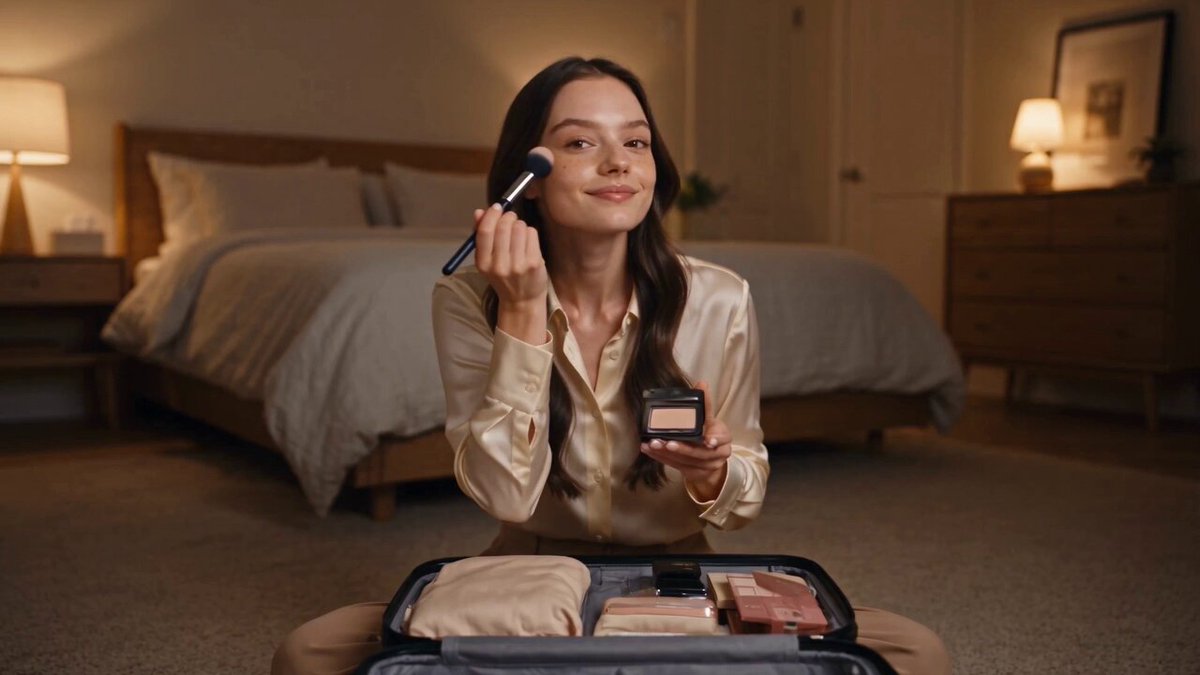
Support shots connect the hero moments: hands opening packaging, a city establishing view, a product rotating on a surface, a customer's reaction. Speed and consistency matter far more than spectacle. A model that renders fast and matches the existing look beats a technically superior model that takes eight minutes per clip.
Utility assets are the workhorse footage — background plates, texture loops, social cutdowns, bumpers, and vertical crops. Volume is the goal. If your workflow cannot produce utility assets cheaply, your team will spend its budget on filler.
The most common mistake teams make is treating every shot like a hero shot. The result is a slow pipeline, a depleted budget, and a schedule that collapses in the final week. Sort your shot list into these three tiers before you open a single generation interface.
Choosing the Right Generation Model on Purpose
Model selection is a decision you should be able to defend in one sentence. Four criteria cover most cases.
Fidelity and realism. Does the output need to pass as real footage? Product shots for a premium brand usually do. Stylised explainer content usually does not, and paying for photorealism there is wasted effort.
Motion complexity. Simple camera moves, slow push-ins, and product rotation are handled well by most modern models. Fast human action, hands interacting with objects, and complex multi-subject choreography remain hard. If a shot requires both hands and dialogue, consider splitting it into two shots.
Duration and coherence. Longer clips drift. A model that holds a subject steady for five seconds may lose it completely at twelve. If your scene needs to breathe, plan for multiple shorter clips edited together rather than one long generation.
Consistency controls. This is the criterion teams underrate. Does the model accept a reference image, a character reference, or multiple reference images at once? Can it lock a face, a product, or a wardrobe across separate generations? For any campaign with a recurring subject, this capability decides your shortlist far more than raw visual quality.
A practical shortlist exercise: pick the two shots in your project that are hardest to get right, generate both with three candidate models, and compare them side by side at the size they will actually be viewed. Do not evaluate at full resolution on a large monitor. Evaluate in the placement where the audience will see them.
Image-to-Video Versus Text-to-Video
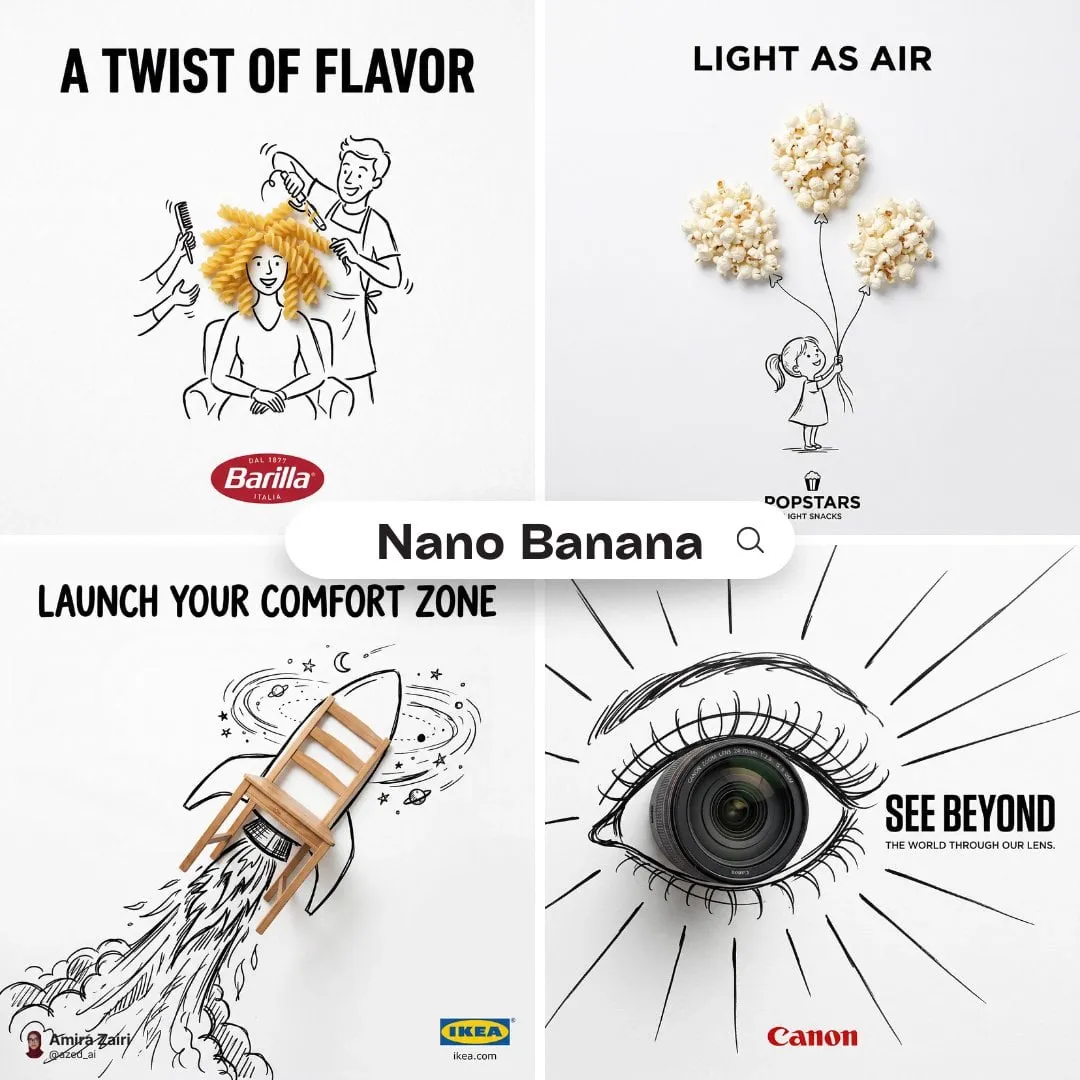
Text-to-video is best for exploration — finding a mood, testing a concept, producing a first pass before the brand assets arrive. Image-to-video is best for control: you supply a still that already has the composition, colour, and product framing you want, and the model animates it.
For marketing work, most final shots should be image-to-video. You retain composition authority, the brand look is baked in before motion is added, and the number of wasted generations drops significantly. Reserve text-to-video for storyboards, mood tests, and utility assets where exact framing does not matter.
Keeping Characters and Products Consistent Across a Campaign
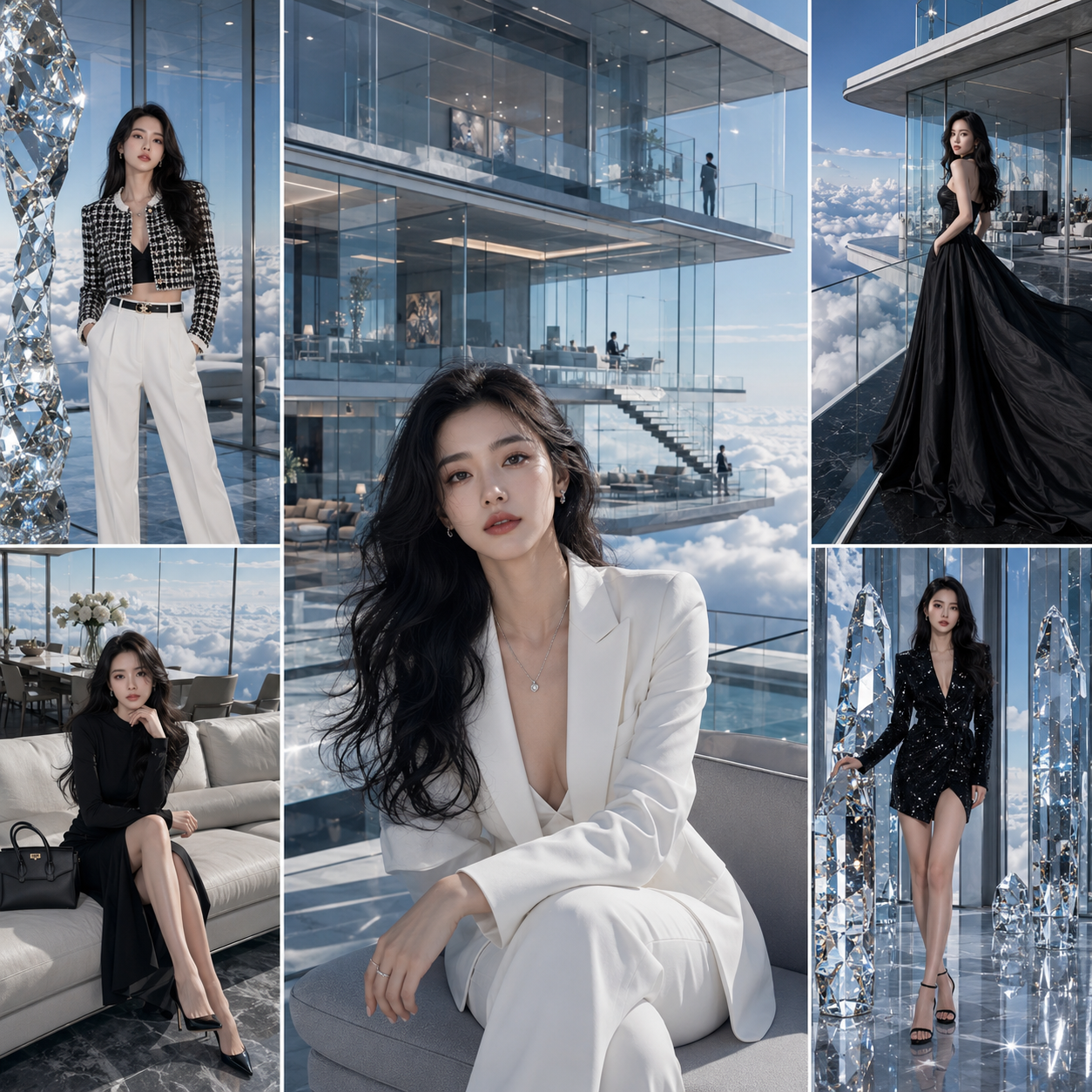
Inconsistency is the fastest way to make AI video look amateur. A face that changes between shots, a jacket that shifts colour, a bottle whose label mutates — audiences notice instantly, even if they cannot say why something feels off.
Lock the Subject Before You Animate
Start every recurring subject as a high-quality still. Generate the character or product in a neutral pose against a clean background, and refine that image until it is exactly right. This still becomes your anchor. Every subsequent shot references it.
Use Multiple References, Not One
When a model supports several reference images, use them deliberately. Give it the hero still for identity, a second angle for three-dimensional understanding, and a detail crop for texture and colour accuracy. Feeding three complementary references consistently produces better stability than feeding one perfect reference and hoping the model infers the rest.
Write Character Descriptions Once and Reuse Them Verbatim
Keep a plain-text block describing each recurring subject — age range, build, hair, wardrobe, distinguishing features, material and colour of any product. Paste that block, unchanged, into every prompt that features the subject. Paraphrasing between shots is one of the most common causes of drift, because the model treats each new phrasing as a new description.
Separate Identity From Action
Structure prompts in two parts: a fixed identity clause and a variable action clause. The identity clause never changes. The action clause describes motion, camera behaviour, and environment. This keeps your edits to the variable half and prevents accidental identity changes when you tweak the scene.
Run a Consistency Pass Before You Commit
Generate one short clip from every planned scene, at low resolution, and watch them back to back as a sequence. This single step catches colour shifts, wardrobe changes, and proportion drift before you spend time on high-quality renders. Fixing drift costs one regeneration at this stage and an entire afternoon later.
Working With an AI Director Agent
Director agents add a layer between your intent and the raw generation call. Instead of you writing shot grammar, they propose camera movement, pacing, framing, and transitions, then execute across multiple shots. Used well, they compress the gap between a script and a shot list.
What a Director Agent Is Genuinely Good At
Shot decomposition. Give it a paragraph of narrative and it returns a sequence of shots with camera directions and rough durations. This is fast, useful first-draft work that would otherwise take a videographer an hour of planning.
Cinematography vocabulary. It will apply terms like dolly in, rack focus, low angle, and over-the-shoulder correctly. If your team lacks film training, this is a real capability upgrade.
Motion graphics direction. For animated text, logo reveals, kinetic typography, and lower thirds, a director agent can sequence elements and suggest timing that complements the edit.
Iteration at scale. Ask for five interpretations of the same scene with different camera languages and pick your favourite. Doing that manually is tedious; doing it through an agent is a coffee break.
Where You Must Stay in the Loop
A director agent does not know your brand. It does not know that your product must never appear at that angle, that your legal team requires a disclaimer in the final three seconds, or that your audience responds badly to fast cuts. Treat its output as a shot list from a talented freelancer who has never read your brand guidelines.
Set explicit constraints before you delegate: aspect ratios, maximum shot length, colour palette, subjects that must not appear, and any motion that is off-limits. Then review the plan before execution, not after.
A Workflow That Keeps Control
- Write a one-paragraph brief describing audience, message, and emotional tone.
- Ask the agent for a shot list with camera directions and durations.
- Edit that list — add, cut, reorder, and annotate with brand constraints.
- Have the agent generate the hero shots first; approve the look before anything else.
- Lock the reference stills for every recurring subject.
- Generate support and utility shots against those locked references.
- Assemble, check consistency, then produce platform cutdowns.
The critical rule is step four. Never let a director agent generate an entire campaign at once. Approve the look on one shot and treat everything afterward as replication.
Budget-Aware Model Strategy
Professional output does not mean using the most expensive option for every shot. It means matching cost to the value of the shot.
Spend where the audience looks. Hero shots, product close-ups, and faces justify premium models. Background plates, transitions, and filler loops rarely do.
Generate low, approve, then render high. Most workflows let you preview at reduced resolution. Approve composition and motion cheaply, then commit to a final-quality render only for shots that survive review.
Reuse references aggressively. Once a subject is locked, every shot featuring it becomes faster and cheaper. The upfront cost of building a strong reference still pays back across the whole campaign.
Keep a style bank. Save prompts, reference images, and settings that produced approved shots. Rebuilding a look from scratch in the next campaign is pure waste.
Set a per-shot generation ceiling. Decide in advance how many attempts a shot is allowed. If it has not worked after that many tries, the shot is wrong, not the model — simplify the scene or split it into two shots.
Post-Production and Platform Delivery
Generations rarely ship as-is. A short, disciplined post pass separates credible marketing video from obvious AI output.
Stabilise and reframe first. Small drifts in framing are easier to correct than motion artefacts. Crop margins intentionally so you have room to reframe for vertical.
Colour-match across shots. Apply one grade to the whole sequence rather than grading clips individually. Consistency of colour reads as professional more than any single beautiful frame.
Add sound before you judge pacing. Silence makes good edits feel slow. Lay down music, then adjust cut points to the beat.
Cut on movement. Transitions land better when the outgoing and incoming shots are both in motion. This masks generation imperfections and makes the sequence feel intentional.
Deliver in the native ratios. Produce 16:9, 1:1, and 9:16 versions from the same master rather than cropping a finished edit after the fact. Vertical framing should be designed, not inherited.
Common Mistakes and How to Avoid Them
Generating before locking references. Every shot becomes a one-off, and consistency collapses. Lock subjects first.
Overloading prompts. Long prompts with conflicting instructions produce unpredictable results. Keep the identity clause short and the action clause focused on one idea.
Chasing realism on stylised content. It is slow and unnecessary. Match model choice to the intended style.
Ignoring aspect ratio during generation. Asking a model to imagine vertical composition inside a wide frame produces weak vertical crops. Generate natively where possible.
No approval checkpoint. Approving a look after twenty shots have been generated means regenerating twenty shots. Approve at one.
Skipping the editorial plan. Editing is where pacing and message live. Treat AI output as footage, and treat your timeline as the actual creative work.
FAQ
How long does a professional AI marketing video take to produce?
A straightforward thirty-second campaign piece with locked references typically takes two to four working days from brief to delivery, including iteration and post. Complicated sequences with heavy motion graphics or multiple recurring characters take longer, mostly because of consistency testing rather than generation time.
Do I need video editing experience?
Basic editing literacy helps substantially, but it is not the barrier it used to be. The bigger skill is shot planning: knowing what the sequence needs to communicate before generating anything. Teams that plan well produce good results with modest editing experience.
Can AI video replace a production crew?
For product explainers, social campaigns, internal communications, and concept work, it can replace a large share of traditional production. For live action with real people, physical demonstrations, and high-stakes brand films, human crews remain the stronger choice. The realistic position is augmentation: AI handles volume and exploration, crews handle authenticity and risk.
How do I stop characters from changing between shots?
Anchor each subject with a strong reference still, supply multiple complementary reference images, reuse an identical description block in every prompt, and run a low-resolution consistency pass before committing to final renders.
Which shots should I generate with AI and which should I shoot?
Generate anything expensive, slow, or physically impossible to capture: aerial establishing views, abstract product environments, stylised motion, and volume social cutdowns. Shoot anything that depends on a real person's credibility, a real product's exact appearance, or a location's specific character.
How many variants should I generate per shot?
Plan for three to five attempts on hero shots and one to two on support shots. If you regularly exceed that, the problem is usually the shot design rather than the model.
Will AI video hurt my brand's quality perception?
Only if it looks unintentional. Audiences are tolerant of stylised AI when the craft is consistent. They punish inconsistency, mismatched colour, drifting faces, and audio that does not fit. Discipline in references, colour, and pacing does more for brand perception than any single model upgrade.
Where to Start
Pick one campaign — not a test, a real deliverable — and run it through the tier system: sort shots into hero, support, and utility; choose models per tier; lock references for every recurring subject; approve one hero shot before generating anything else; then assemble and grade as a sequence. That single project will teach you more about your team's real bottlenecks than months of experimentation.
The technology will keep improving, and models will keep getting faster and more controllable. The teams that win will not be the ones with early access. They will be the ones who built a workflow around planning, consistency, and editorial judgement — the parts of video production that AI made faster, and made more valuable.
