
From idea to finished video in record time
The demand for high-quality video content is growing faster than traditional production can keep up. Months-long pipelines are no longer viable when content needs to be published quickly. AI video tools have collapsed production timelines, turning weeks of work into days — or even hours. The challenge is no longer technical execution but strategy: choosing the right models, keeping characters consistent, and structuring the production efficiently.
Master the model ecosystem
Professional results come from using the right tool for each task. A single model rarely does everything well. Some models excel at photorealistic detail, others at natural motion, and others at fast iteration. The key is to build a multi-model pipeline:
- Use high-end models for the shots that matter most.
- Use faster, cheaper models for drafts, backgrounds, and transitions.
- Prepare reference images to anchor characters and styles.
- Combine image and video tools to get the best of both worlds.
Consistency: the secret to professional speed
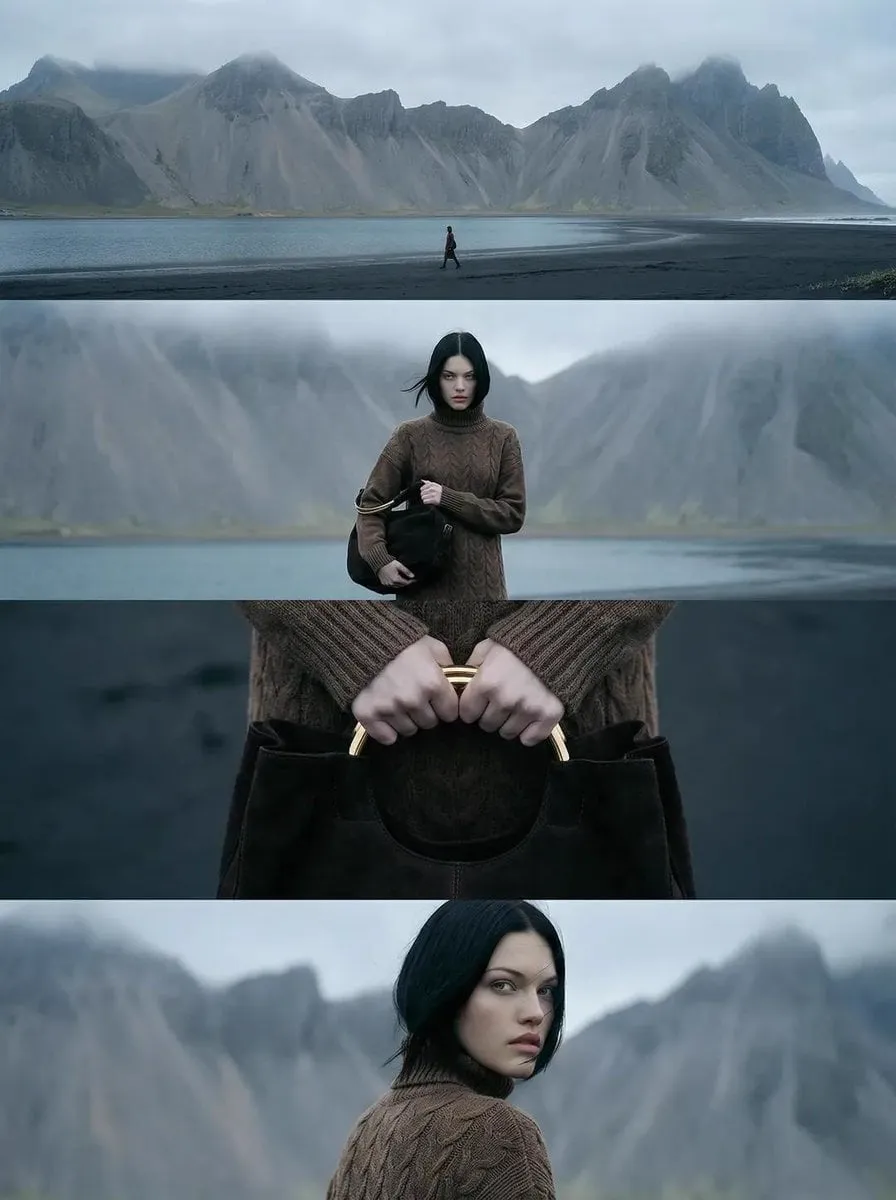
The biggest time-saver in AI video work is consistency. When a character changes appearance between shots, you waste hours on corrections. The solution is to define a visual identity once and reuse it everywhere. Provide multiple reference images of the character from different angles and lighting conditions, and every generation will follow that identity.
This is essential for longer narratives and series. Viewers expect characters to stay recognizable, and a consistent look builds trust in the content. Consistency also makes editing easier: scenes flow together without jarring jumps.
AI direction for structure and pacing
Modern AI tools include direction assistance that suggests camera angles, shot sizes, and scene sequences based on established cinematic principles. This is invaluable when you're working fast. The system can break a script into a shot list, propose transitions, and keep the narrative coherent across scenes.
For creators without deep filmmaking experience, this lowers the barrier significantly. Instead of guessing at camera movements, you describe the feeling you want, and the tool translates it into concrete parameters.
From script to screen: a practical workflow
- Write a clear script or outline divided into scenes.
- Decide which scenes need maximum quality and which can use faster models.
- Create reference images for characters and environments.
- Generate key shots first, then fill in transitions.
- Check consistency across scenes and regenerate if needed.
- Add audio: voice-over, music, and sound effects.
- Export in the right format for your platform.
Tools for every stage
Start with an AI video generator for the core production. If you have images or concept art, use image-to-video to bring them to life. For completely new scenes from text, text-to-video is the most flexible option. Prepare your references and style guides with an AI image generator, and use image-to-image when you need to adapt existing visuals.
Optimizing time and budget
Speed doesn't mean spending more. A smart approach is to budget your heavy model usage carefully. Use expensive, high-quality models only for the crucial shots — close-ups, emotional peaks, product showcases. Use lighter models for establishing shots and transitions. This way, you maintain quality while keeping costs under control.
Batch generation also helps: generate multiple variations in one session, review them, and pick the best. This reduces waiting time and lets you iterate quickly.
Common mistakes to avoid
- Relying on a single model for every task.
- Skipping reference images and losing character consistency.
- Ignoring audio until the end — sound is half the experience.
- Overloading the video with unnecessary effects.
Conclusion
Going from script to screen with AI is now a realistic workflow for any creator. By mastering multi-model pipelines, locking down consistency with reference images, and using direction assistance, you can produce professional videos in a fraction of the traditional time. Combine AI video generation, image generation, and image-to-video into a repeatable process, and you'll be able to publish high-quality content consistently.
