
Why Shoppable Video Became the Default Format for Social Selling
Social feeds used to be a discovery layer only. A viewer saw something interesting, left the app, searched for the product on a storefront, and perhaps bought it a day later. Every one of those steps leaked demand. Shoppable video collapses most of that distance: the product tag, the price overlay, the pinned link, and the checkout all live inside the same scroll where the desire was created.
That shift matters because attention and purchase intent now happen simultaneously. A viewer watching a jacket move in the wind, or a blender pulverize frozen fruit, forms a buying judgment in seconds. If the path from that judgment to a purchase takes four taps and a login, most of it evaporates. If it takes one tap, a meaningful share converts.
Three forces pushed this format into the default position:
- Production cost collapsed. A phone, a window, and a small LED panel can produce footage that looks deliberate rather than amateur.
- Platforms shipped commerce primitives. Product tags, synced catalogs, in-app checkout, and live shopping carts removed the need for a separate storefront visit.
- Audiences stopped resisting. Buying from a video no longer feels unusual, particularly for low-consideration or visually driven products.
The practical consequence is that video is no longer a top-of-funnel luxury for creators and small brands. It is the storefront. Creators who treat it that way — with scripts, shot lists, and measurement — consistently outsell those who treat it as a vibe.
Still, "shoppable" is not a magic property. A video becomes shoppable when the product is visible, the value is legible, and the action is obvious. Strip away any of those three and you have a pleasant video with a link nobody taps.
How Shoppable Video Converts: The Mechanics Behind the Tap
Conversion in a shoppable video is not a single event. It is a chain of small confirmations, and the viewer abandons the chain the moment one link feels weak.
The first two seconds decide the audience
The opening frame has one job: tell the right person that this is for them. Not the product name. Not your handle. The situation. "If your desk cable situation looks like a nest of snakes, watch this" outperforms "Introducing the CableBox Pro" every single time, because the first line recruits the viewer into a problem they already recognize.
Strong openers usually fall into four patterns:
- Problem mirror — show the frustration before showing the fix.
- Result first — show the finished outcome, then rewind to how it happened.
- Contrast — before and after, side by side, no narration needed.
- Curiosity gap — a genuinely odd visual that needs an explanation.
Demonstrate, do not describe
Descriptive copy in video form — "our fabric is breathable and durable" — is wallpaper. Demonstration is proof. Pour water on the fabric. Stretch it. Fold it into a bag. The viewer needs to see the claim survive contact with reality.
Practical rule: for every product claim in your script, ask what a five-second visual proof would look like. If you cannot think of one, cut the claim. Claims without proof create doubt, and doubt is the most expensive emotion in a commerce video.
Reduce risk, then ask
Objection handling is what separates a demo from a sales asset. Common objections for physical products: sizing, durability, shipping speed, return policy, whether it fits an existing setup. You do not need to answer all of them in the video — you need to answer the one that kills the sale, usually in a lower-third caption or a single line of voiceover.
Make the action impossible to miss
The final four seconds should have exactly one instruction. "Tap the tag," "link in the first comment," "swipe up." Two calls to action split attention and reduce both.
Planning a Campaign Before You Shoot
Most weak shoppable videos are weak at the planning stage, not the shooting stage. Fixing the plan is cheap; reshooting is not.
Choose products by visual legibility, not by margin alone
The best shoppable products have four traits:
- Visible transformation — they change something on camera (clean, organize, cook, brighten).
- Instant comprehension — a stranger understands what it does in three seconds.
- Low explanation cost — no regulatory or technical lecture required.
- Shipping-friendly — the promise does not depend on perfect logistics.
A high-margin item that needs ninety seconds of setup explanation will usually underperform a mid-margin item that demonstrates itself.
Map audience to platform before you script
Different surfaces attract different intent. A short vertical clip tends to catch cold audiences who need the problem framed from scratch. A longer platform-native video or livestream tends to attract warm audiences who already follow you and want depth. Write two versions of the same idea rather than forcing one script to serve both.
Build an asset checklist
Before every shoot, confirm you have:
- A hero shot of the product in use, not on a table.
- A close-up that proves texture, material, or detail.
- A scale reference (hand, face, common object).
- Three hook variations of the opening line.
- One plain-spoken testimonial or review screenshot, if available.
- A clean vertical cut at full resolution for each target aspect ratio.
Ten minutes of checklist work saves an entire reshoot.
A Repeatable Production Pipeline, Step by Step
A pipeline matters more than gear. Here is the sequence that keeps output consistent when you are producing several videos a week.
Step 1 — Write the script backwards from the action
Start with the closing line, then build backwards. If the final beat is "tap the tag for the bundle," the video must set up why the bundle is the obvious choice. Scripts written forwards tend to wander; scripts written backwards tend to land.
A workable 30-second structure:
- 0–3s: hook
- 3–8s: problem or desire made concrete
- 8–20s: demonstration and proof
- 20–26s: objection handling and offer
- 26–30s: single call to action
Step 2 — Capture in the right order and volume
Shoot the demonstration first, while energy is high and the product is clean. Then shoot pickups: extreme close-ups, slow-motion pours, hands entering frame, packaging details. A reliable ratio is three times more footage than you think you need, particularly for close-ups, which are easy to under-shoot and painful to fake later.
Lighting rules that hold up on every platform:
- One large soft source at 45 degrees, one bounce card opposite.
- Avoid overhead-only lighting, which flattens texture.
- For product close-ups, use a small rim light to separate the object from the background.
- Keep the background quieter than the product. Motion behind the subject competes for attention.
Step 3 — Record clean audio and plan the captions
Most viewers watch with sound off. That does not make audio optional — it makes captions mandatory and voiceover a bonus. Record a clean scratch track anyway, because it gives you timing and makes editing faster. Captions should be positioned to avoid the area where your product tag or overlay will sit; check this on a phone, not only in the editor.
Step 4 — Edit for retention, not for beauty
Cut on motion. Remove the frames where nothing changes. Add a visual change every two to three seconds — a new angle, a zoom, a text pop — because the platform's algorithm reads retention and the viewer's thumb reads boredom.
Step 5 — Export per platform and verify the overlay
Export a master at your highest quality, then produce native aspect ratios and durations for each destination. Overlay the tag position in your editor as a placeholder so you know nothing important is hidden. This is the single most common technical error in shoppable video: a beautiful shot of the product with the price tag covering the product.
Where AI Video Tools Fit (and Where They Do Not)
AI-assisted production is most useful where repetition is high and emotional nuance is low. It is least useful where the entire value of the video is your genuine reaction to a product.
Strong fits for AI assistance:
- Multiple hook variants. Generate or assemble eight openings for the same footage and test them.
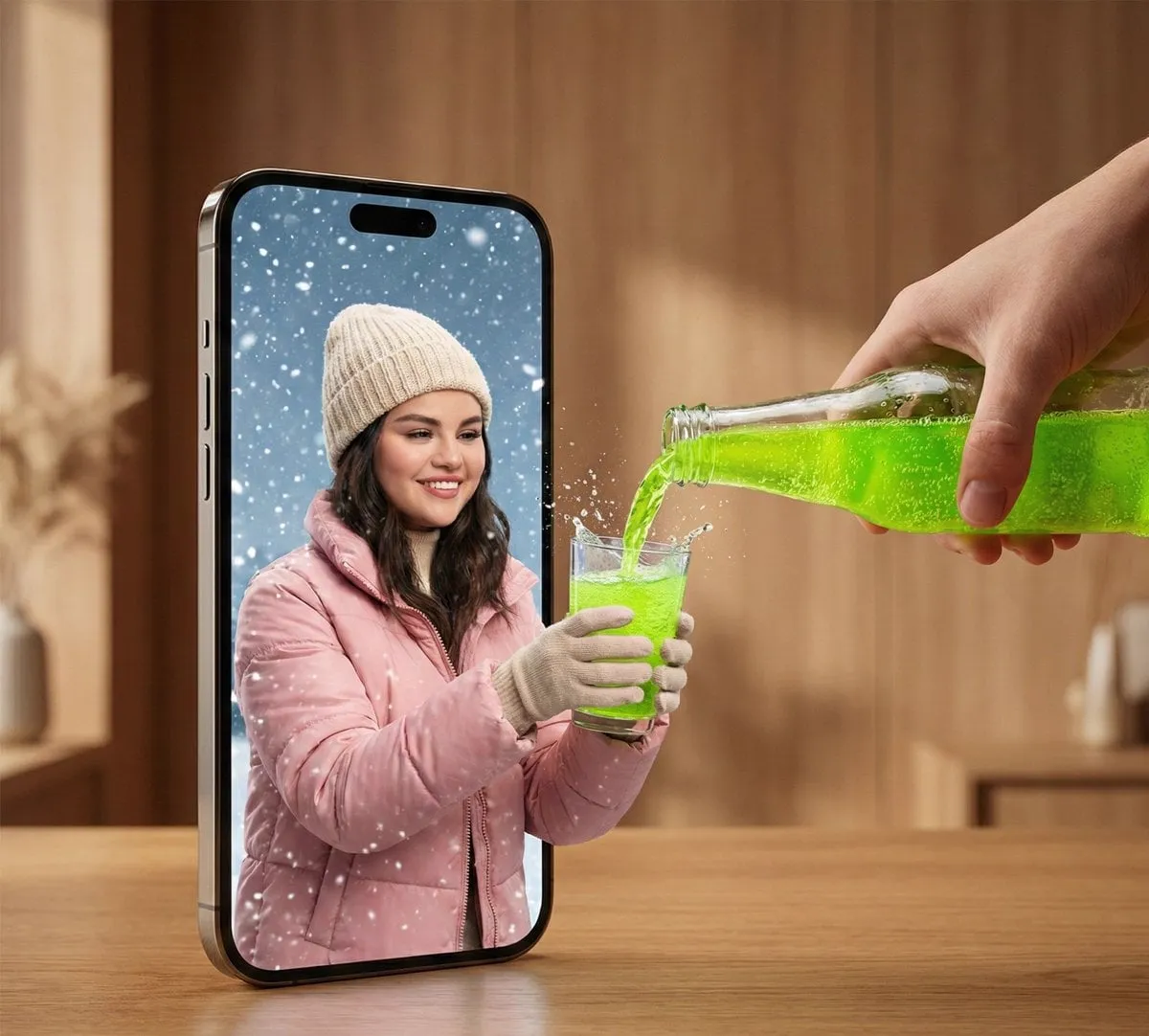
- Background and set extension. Replace a cluttered room with a clean studio backdrop without reshooting.
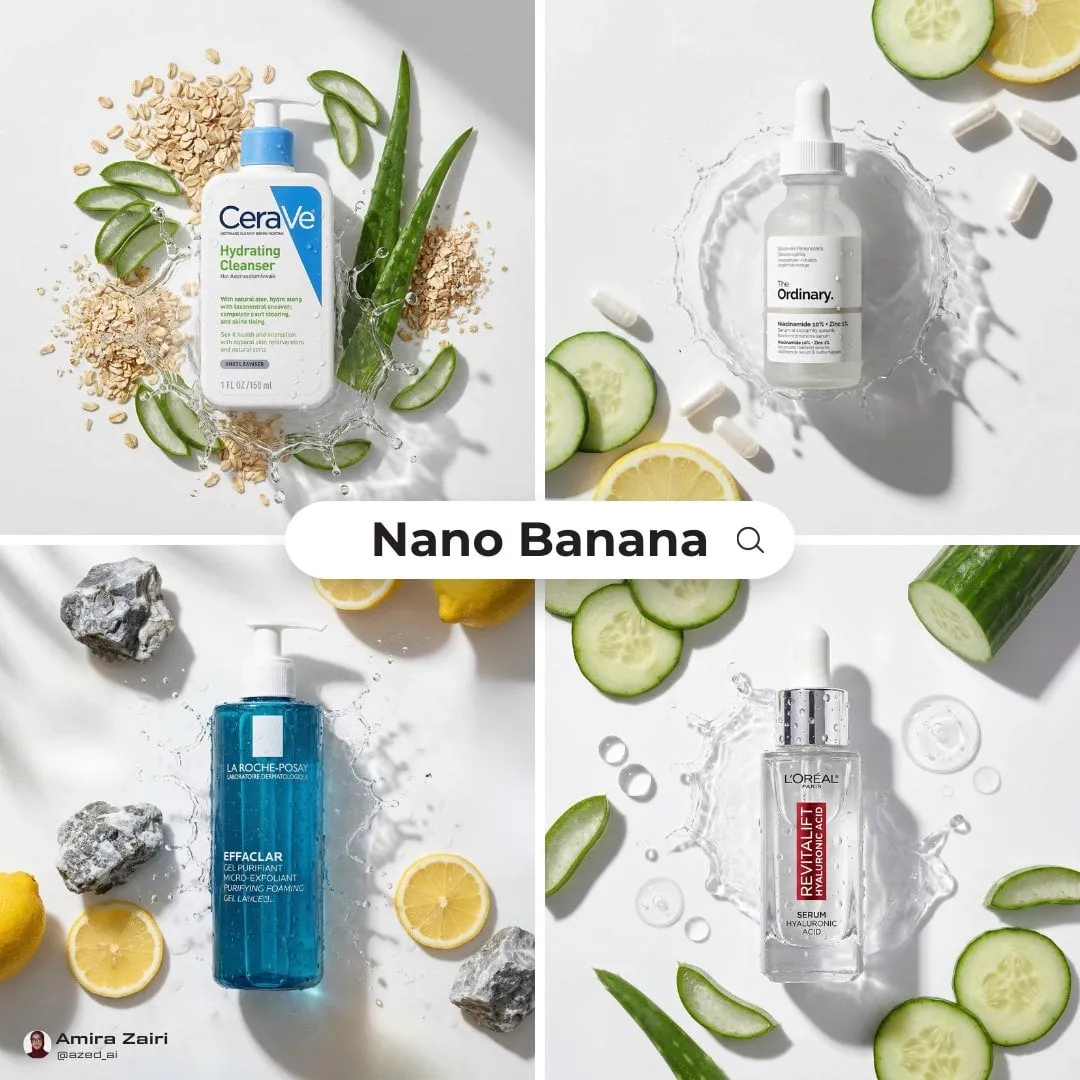
- Product background plates. Create consistent brand backgrounds for a whole catalog.
- Localization. Subtitle and voice variants for different language audiences from one master edit.
- B-roll assembly. Fast first-pass cuts that you refine by hand.
Weak fits:
- Explainer segments where the product must behave with physical accuracy.
- Testimonial content, which depends on real human credibility.
- Anything where a synthetic artifact would undermine trust in a purchase decision.
A practical hybrid workflow: shoot the demonstration with a real camera, use AI for hooks, backgrounds, and variants, then finish with human editing for pacing. This keeps the proof real while making the versioning cheap.
When evaluating any generation tool, test it against four criteria before committing:
- Consistency — does the same product look like itself across shots?
- Control — can you specify framing and camera movement precisely?
- Resolution and aspect ratio — does it output clean vertical at full resolution?
- Rights and licensing — are the outputs and any training assets cleared for commercial use in your market?
Platform-Specific Formatting and Overlay Strategy
Same idea, different packaging. Treat each destination as its own product.
Vertical short-form
Fast cuts, captions on by default, hook in the first frame, product visible within three seconds. Assume no sound and no context about you. The link or tag needs to appear early enough that a viewer who decides at second eight can still act.
Long-form and platform-native video
Longer runtimes support a full demonstration, comparison, or "I tried this for thirty days" narrative. Retention here depends on structure rather than speed: clear chapters, visible progress, and a payoff at the end. Place the tag once at the start and once at the natural decision point, not repeatedly throughout.
Live shopping
Live converts on urgency and interaction. Prepare a run-of-show with timed demonstrations, a pinned offer, and a moderator answering sizing and shipping questions in chat. Rehearse the transitions between products; dead air is what kills live sessions.
Landing page and overlay consistency
Whatever the video promises must match the destination. If the video says "bundle for a flat rate," the landing page must not show a different package. Mismatch between creative and destination is one of the highest-impact conversion killers, and it is entirely avoidable.
Measuring Performance Without Fooling Yourself
Vanity metrics feel good and teach nothing. Use a hierarchy instead.
Tier 1 — Retention diagnostics. Three-second view rate, average watch time, and the drop-off point. If viewers leave at second six, your hook was fine and your first transition was not.
Tier 2 — Intent signals. Tag taps, link clicks, saves, and shares. Saves are a strong predictor of later purchase for considered products.
Tier 3 — Commerce outcomes. Add-to-cart rate, conversion rate, average order value, and return rate. Always include return rate; a video that sells a product people send back is a loss disguised as a win.
Attribution in a messy environment
Perfect attribution no longer exists. Use three imperfect signals together:
- UTM-tagged links for direct click tracking.
- Unique codes or campaign-specific landing pages to capture in-app purchases that lose referrer data.
- Post-purchase surveys asking where the buyer first saw the product.
Triangulating three weak signals beats trusting one strong-looking one.
Testing cadence
Change one variable per test: hook, thumbnail, or call to action — never all three. Give each variant enough impressions to escape noise before judging it, and keep a written log of what you changed and what happened. The log becomes your most valuable asset after six months.
Common Mistakes That Kill Conversion
Hiding the product for the first ten seconds. Build-up only works when the audience already trusts you. For cold traffic, show the thing immediately.
Filming in landscape and cropping later. You lose resolution and framing control, and product tags end up covering the subject.
Overloading the video with calls to action. One instruction converts; three confuse.
Ignoring the comment section. Comments are where objections surface. Answering a sizing question publicly often converts several silent viewers.
Using the same creative everywhere. A hook that works on a fast-scroll feed often feels frantic on a long-form surface.
Neglecting packaging and unboxing shots. For many categories, the tactile reveal is the strongest proof of quality you have.
Forgetting the mobile check. Always review the final export on a phone at normal brightness, with autoplay on, sound off, and the overlay visible.
Chasing polish over clarity. A slightly rough video with an obvious, well-lit demonstration beats a cinematic video where nobody can tell what is being sold.
Decision Criteria for Your Production Stack and Scaling
When your output grows past a few videos a week, the bottleneck stops being ideas and starts being logistics. Decide your stack along four axes:
- Volume. Under five videos a month, keep it simple: phone, one light, one editor. Above twenty, invest in templated editing, batch shooting days, and generated hook variants.
- Product complexity. Simple, visual products tolerate automation. Technical products need human explanation and probably a longer format.
- Brand risk tolerance. Regulated categories should keep AI assistance to background and formatting, not claims.
- Team capacity. One person can realistically script, shoot, edit, and publish three to five shoppable videos a week at good quality. Beyond that, split roles or accept a drop in craft.
Batch production is the highest-leverage change. Book one shoot day, capture six products, then edit across two weeks. The per-video cost of setup drops sharply, and consistency improves because lighting and background stay identical.
To scale without losing authenticity, keep the demonstration and the human reaction real, and automate the parts nobody watches for: backgrounds, resizing, captions, and versioning. Authenticity lives in the proof, not in the export settings.
FAQ: Shoppable Video for Creators
How long should a shoppable video be?
Short-form performs best between 15 and 35 seconds for single-product demonstrations. Longer runtimes work when the product genuinely needs comparison or setup explanation. The video should end when the argument ends, not at a fixed duration.
Do I need professional gear?
No. Consistent lighting, clean audio, and a stable frame matter far more than sensor size. A phone, a soft light, and a tripod will outperform expensive gear used inconsistently.
Should I use AI to generate the whole video?
For product demonstrations, no. Real footage of the product functioning is the proof that drives purchase. Use generated assets for backgrounds, hooks, and variants, and keep the core demonstration real.
How many videos should I publish per product?
Three to five distinct angles: problem framing, demonstration, objection handling, comparison, and social proof. Test them as separate creatives rather than combining everything into one long video.
What if my first videos get no sales?
Diagnose in order. If viewers leave before three seconds, the hook is wrong. If they watch but do not tap, the offer or the tag placement is wrong. If they tap but do not buy, the landing page or price is the issue. Fix the earliest broken link first.
How do I handle multiple languages?
Cut one master edit with clean audio and minimal on-screen text, then produce subtitle and voiceover versions per language. Keep captions inside safe margins so they do not collide with product overlays.
Do product tags hurt retention?
They can, if they cover the subject or appear before the viewer understands the product. Place them where the decision naturally happens — after the demonstration for cold audiences, early for audiences who already know you.
A Starting Point That Actually Works
If you take one thing from this guide, take the sequence: choose a product that demonstrates itself, write the script backwards from a single action, shoot the proof before the polish, format natively for each platform, and measure retention before revenue.
Start with one product and three hook variants this week. Publish them, log the results, and change one variable next time. Shoppable video rewards iteration far more than it rewards production budgets — and the creators who treat it as a repeatable system, not a one-off launch, are the ones whose feeds turn into storefronts.
