


Why Short-Form Video Rewards Systems Over Luck
Vertical short-form video has become the default distribution format for entertainment, education, and brand work. That shift changed what a producer actually does. A decade ago, producing meant logistics: secure a budget, book a crew, keep the shoot on schedule, hand footage to an editor. Today the role looks closer to product management for attention. You decide which ideas get built, how the first three seconds are engineered, how many versions of one concept ship, and which metrics justify making more of the same.
Creators who stay visible are rarely the most technically gifted filmmakers. They are the ones with the tightest feedback loops. They write more ideas than they can shoot, shoot faster than feels comfortable, and publish with an explicit hypothesis about why a video should work. When it fails, they know which assumption broke.
That is the transferable lesson from the biggest challenge-driven channels. Not the explosions or the giant giveaways — those are consequences of scale, not causes of it. The repeatable part is the operating system underneath: relentless iteration, escalation treated as a design variable, and a refusal to treat any single upload as precious.
This guide breaks that operating system into practical pieces: a hook framework, a script structure, a production pipeline, a realistic view of where AI generation helps and where it hurts, a retention editing approach, an analytics decision model, and the mistakes that quietly kill otherwise strong reels.
The Producer Mindset: Volume, Iteration, Escalation
Great short-form producers think in batches, not in individual videos. A batch mindset changes everything downstream. Instead of asking "is this idea good enough to make?" you ask "is this idea good enough to earn a slot in a batch of twelve?" That reframing lowers the emotional cost of a flop and raises the standard for everything that ships.
Volume is a buffer against variance
Any single video is a coin flip with unknown odds. Twelve videos with a consistent structure is a measurable experiment. Aim for a cadence you can sustain for eight weeks without burning out, then protect that cadence like a contract. Ten mediocre uploads that teach you something beat one polished upload that teaches you nothing.
Escalation is a variable, not a vibe
Ask of every script: what changes between second five and second twenty-five? If the answer is "more talking," the idea is thin. Escalation can be physical (a bigger challenge), informational (a reveal), emotional (a reversal), or visual (a location or scale jump). Write the escalation beat before you write the dialogue.
Iterate across versions, not within one
When a concept works, do not polish it — re-cut it. Change the hook line, swap the opening frame, shorten the setup, add captions where there were none. Two or three variants of a proven concept usually outperform one brand-new idea built from scratch. This is the cheapest growth lever in short-form, and most creators ignore it because they find repetition boring. Your audience does not see your process; they see a feed.
Decide who the video is for
Before production, name the viewer in one sentence: their context, what they already believe, and what they want in the next thirty seconds. A reel that tries to serve everyone produces a hook that speaks to no one. Narrow targeting is not a limitation; it is what makes the first frame legible to the algorithm and the human scrolling past it.
Hooks: Winning the First Three Seconds
The hook is not a line. It is a promise plus a reason to keep watching. Producers who consistently win treat the hook as a small piece of engineering with components that can be tested independently.
The three hook families
Visual hooks rely on an image that is confusing, extreme, or unusually specific. A camera pointing at something the viewer cannot immediately identify buys you two seconds of curiosity. Verbal hooks are short spoken or on-screen statements that set up tension: a number, a contradiction, a warning. Tension hooks skip explanation entirely and drop the viewer into the middle of conflict or motion.
Most strong openings combine two families. A visual that raises a question plus a line that promises the answer is more reliable than either alone.
A thirty-second hook test
Mute the first three seconds and watch them. Can you tell what kind of video this is? Now listen without looking. Does the audio alone create curiosity? If either test fails, rebuild the opening before touching anything else. Fixing a weak hook after the edit is like renovating a house with a cracked foundation.
Hook mistakes that show up constantly
- Starting with a logo, an intro animation, or a greeting.
- Explaining the premise before showing anything.
- Using a hook that promises something the video does not deliver.
- Writing a hook that only makes sense with sound, then shipping it to a feed where most viewers start muted.
- Recycling the same hook formula across every upload until it reads as a template.
The last one is subtle. A formula works until the audience recognizes it, and recognition is where curiosity dies.
Script Architecture for 15 to 60 Second Videos
Short-form scripts are not miniatures of long-form scripts. They have their own beat structure, and the timing is unforgiving. Use a beat sheet rather than a screenplay, and write to the timing you intend to publish.
| Beat | Typical timing | Job |
|---|---|---|
| Hook | 0–3s | Create a question the viewer cannot answer yet |
| Stakes | 3–7s | Establish what is at risk or what is unusual |
| First turn | 7–15s | Introduce complication or escalation |
| Payoff | 15–35s | Deliver the promise made in the hook |
| Loop or button | final 2–4s | Reward completion and encourage a rewatch |
Write the payoff first
If you cannot state the payoff in one sentence, the video is not ready. Once the payoff is fixed, the hook becomes easier: it should be the most intriguing half-truth you can tell about that payoff without lying. Working backwards prevents the most common failure in short-form — an engaging opening attached to a video that has nowhere to go.
Cut every sentence that does not add information
Read the script aloud. Every clause that exists to sound natural is a candidate for deletion. Short-form rewards density: information per second, not words per minute. A forty-second video with twenty tight seconds of content usually outperforms a sixty-second video with the same twenty seconds padded out.
Plan for silent viewing
Write on-screen text as a parallel track, not a transcript. The text should advance the story even when the audio is muted. If your captions are only a copy of the dialogue, you are wasting a second narrative channel at almost no cost.
A Repeatable Production Pipeline From Idea to Upload
A producer's real output is throughput. The goal is a pipeline where a good idea can move from note to published video without three rounds of approval and a week of waiting.
Pre-production
Keep a single idea bank with a consistent format: title, hook line, payoff, escalation, and location or asset needs. Review it weekly and promote ideas into a shooting list. Anything that has sat unpromoted for a month is either not good enough or missing a specific resource — both are useful signals.
Production day
Batch by location and by lighting setup, not by idea. Shoot multiple videos in the same room before moving. Brief on camera: the first ten minutes set the energy for the rest of the day, so open with something low stakes and warm up deliberately. Capture vertical natively rather than cropping later; framing for vertical is a craft choice that does not survive a crop.
Post-production
Build an assembly deadline and stick to it. The single biggest schedule killer in short-form is the open-ended edit. Give yourself a fixed number of passes: structure pass, pacing pass, sound pass, captions pass. Export, review once on a phone screen, and publish. Most viewers will watch on a device that hides the imperfections you are agonizing over.
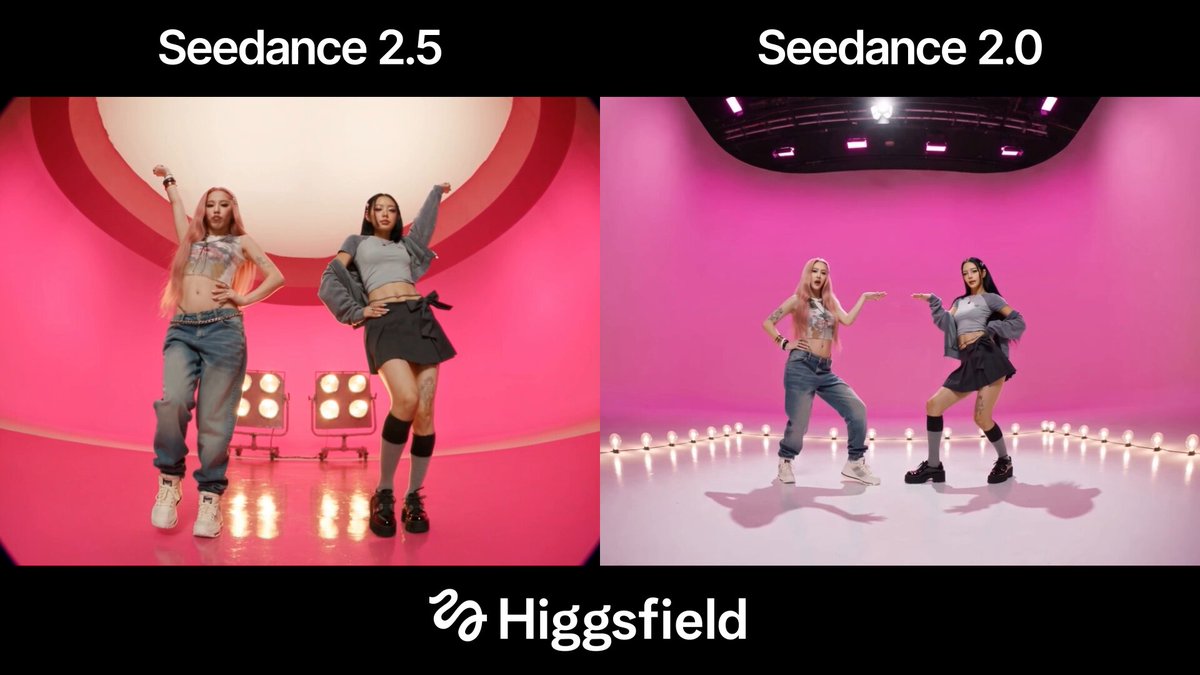
Where AI Genuinely Helps (and Where It Gets in the Way)
AI video generation and AI editing assistants have changed what a small team can attempt. The mistake is treating them as a replacement for production thinking rather than as amplifiers of it.
Strong uses
- Concepting and variation. Generate twenty thumbnail or opening-frame options in minutes, then shoot only the strongest two or three.
- Shot lists and storyboards. Turn a script into a visual plan before anyone touches a camera.
- Impossible shots. Inserts, aerials, and scale shots that would blow the entire budget in real life.
- Captions and localization. Auto-captions, then translation, then dubbed versions in a second or third language.
- Rough-cut assembly. Auto-assembled edits from a script are good enough to judge pacing, even if every cut is replaced later.
Weak uses
- Generating an entire video from a prompt and hoping the structure carries itself.
- Using AI voices for content where a specific human voice is the product.
- Leaning on generated B-roll in every upload until the channel looks anonymous.
Taming the artifact problem
Generated footage drifts: faces change, clothing shifts, hands dissolve. Consistency comes from constraint. Lock a character reference and reuse it. Keep camera angles simple — wide, medium, close — and avoid complicated motion that exposes generation limits. Prefer short clips of two to four seconds and cut them together; the cuts hide continuity gaps that a long take would expose. Check hands, eyes, text, and reflections in every frame before you commit, and treat any generated shot that survives review as a keeper rather than re-rolling indefinitely.
Keep a human at the decision points
AI can suggest, draft, and render. A person should still choose the hook, approve the payoff, and decide whether the final cut earns the upload. Judgment is the part of the workflow that compounds over time; generation speed does not.
Retention Editing: Engineering the Watch-Through
Retention is not about constant motion. It is about removing reasons to leave. Watch your own edit twice and note every moment where your attention drifts — those are the drop-off points, and they are usually structural rather than technical.
Identify the two drop-off zones
Almost every short-form video loses viewers at the same two places: about one second in (before the hook lands) and right after the setup ends (before the escalation begins). Fix the first with a faster, more specific opening frame. Fix the second by cutting the setup in half or moving the first turn earlier.
Cut on meaning, not on rhythm
Music-driven cuts look impressive in an editing timeline and feel mechanical to viewers. Cut when the information changes. If two sentences do the same job, one of them is dead weight.
Use visual change as punctuation
A new angle, a zoom, an inserted graphic, a text card: each change resets attention briefly. Use them at transition points in the argument rather than on a fixed beat grid. A cut every two seconds for sixty seconds is noise; a cut at the exact moment the story turns is a hook in miniature.
Design the ending to loop
End on a line or image that echoes the opening. When the loop works, the rewatch happens before the viewer consciously decides to rewatch, and that final second of retention shows up in the data.
Reading Analytics to Improve the Next Batch
Analytics are only useful if they change a decision. Track a small set of metrics and attach a specific action to each one.
- Three-second hold. Low? Rebuild the opening frame and the first spoken line.
- Average watch time. Low but hold is fine? The middle is sagging; cut the setup.
- Completion rate. Low? The payoff is arriving too late or is not strong enough.
- Shares and saves. Low despite good retention? The video is watchable but not useful or surprising enough to pass on.
- Rewatches. High? You have a loop worth reusing as a structural template.
Review metrics in batches, not per video. A single upload underperforming is noise; four uploads with the same weak metric is a pattern. Write one sentence of conclusion per batch — for example, "openings that start mid-action hold better than openings that start with a question" — and carry it into the next twelve scripts. Those sentences accumulate into a channel-specific playbook that no external guide can hand you.
Common Mistakes and How to Fix Them
- Producing instead of testing. You spend three days on one video and skip the other eleven ideas. Fix: cap production time per video and enforce the cap.
- Confusing effort with quality. Expensive setups do not guarantee retention. Fix: judge every idea by its hook and payoff, not its budget.
- Ignoring the first frame. A great video with a flat opening frame loses before it begins. Fix: design the first frame before you write the script.
- Over-explaining. Context that feels necessary to you is often a wall for a new viewer. Fix: assume the viewer knows nothing and cares about very little.
- Letting generated footage set the story. When AI shots drive the narrative, structure suffers. Fix: script first, generate second.
- Publishing without a hypothesis. If you cannot say what you expected to happen, you cannot learn from the result. Fix: one sentence per upload, written before publishing.
- Changing everything at once. Redesigning hook, format, length, and style simultaneously makes results unreadable. Fix: change one variable per batch.
FAQ: Short-Form Video Production Questions
How many ideas should I write before shooting one?
At least five to one. Writing is cheap; production is not. The ratio forces you to choose the strongest concept instead of the first one that came to mind.
Do I need expensive equipment?
No. A modern phone, decent light, and clean audio will carry most short-form formats. Where budget genuinely matters is sound quality and lighting consistency, not camera resolution.
How long should a reel be?
As long as the idea justifies and not one second longer. Under fifteen seconds suits single-beat ideas; thirty to sixty seconds suits escalation and payoff structures. Test lengths in batches rather than changing per video.
Should I use AI-generated footage in every video?
Only where it adds something you could not otherwise shoot. Used sparingly, it expands what is possible. Used everywhere, it erases the visual identity that makes a channel recognizable.
How do I know when to abandon a format?
Give a format a full batch — eight to twelve uploads — before judging it. If the best performer in that batch underperforms your channel's baseline median, retire it and reallocate the slot.
What separates a good producer from a great one?
Decision speed. Great producers gather the same information as everyone else and act on it sooner, which gives them more iterations per quarter and, eventually, better instincts. Everything else in this guide is downstream of that habit.
The practical starting point is small: write ten hooks, choose three, shoot one, publish it with a written hypothesis, and read the numbers forty-eight hours later. Repeat that loop twelve times and you will have built something more valuable than any single viral video — a repeatable way to find the next one.
