


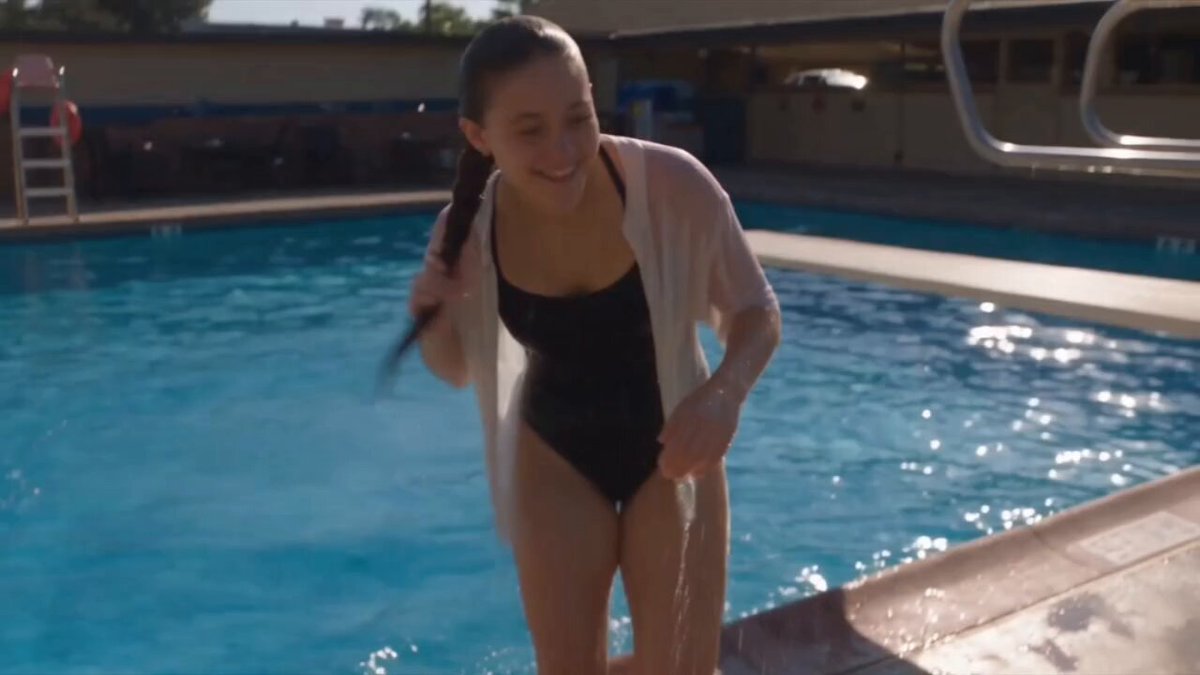
Why Short Video Still Decides Who Gets Discovered
Vertical video is now the front door of nearly every platform. Long-form work still builds depth and loyalty, but the first contact between a new viewer and your channel usually happens in a feed where the thumbnail hardly matters because the first frame is the thumbnail. That single shift reshuffles everything: packaging moves inside the video, the opening line does the job of a title, and pacing becomes a hook in its own right.
The practical consequence is that production and distribution can no longer be separated. A short video is a compressed argument: a promise, an escalation, and a payoff delivered in less time than most people take to decide whether they care. Treat it as engineering rather than luck, and results become repeatable instead of accidental.
Three constraints shape every good short:
- Attention is finite and heavily front-loaded.
- Context must arrive without confusion.
- The ending has to justify the beginning.
Everything below is a workflow for satisfying those three constraints with predictable effort rather than inspiration.
The Anatomy of a Short That Travels
A short that spreads is rarely one brilliant idea. It is a stack of small decisions that remove friction. Before you worry about effects, map the four beats every successful short contains: hook, context, escalation, resolution. Missing any one of them produces the same symptom, which is viewers leaving without a reason to stay.
The first two seconds
Your first frame should already be mid-action or mid-statement. Avoid logos, intros, greetings, and slow establishing shots. If the idea genuinely needs setup, deliver that setup as a caption or a single line of voiceover while the visual is already moving. Test the opening by muting it: if the first two seconds make no sense without sound, the hook is fragile.
A useful exercise is the cold open rewrite. Take your current opening line and delete the first five words. Nine times out of ten the sentence improves, because the filler was doing nothing except delaying the point.
The middle that earns the ending
Viewers tolerate complexity; they do not tolerate confusion. Between seconds three and fifteen, deliver one new piece of information every three to five seconds. Change the shot, the camera distance, the caption, or the sound, but change something. Escalation is what converts curiosity into commitment.
Structure the middle around a single question. Every beat should make that question more interesting, not more crowded. If you find yourself introducing a second idea, you have found your next video, not your current one.
The loop and the rewatch
The strongest shorts create a reason to watch twice: a detail hidden in the background, a sentence that lands differently once you know the ending, or a cut that returns to the opening frame. Loops matter because platforms count repeat views as engagement, and viewers who rewatch are far more likely to comment, follow, or share.
Do not force a gimmick loop. A well-timed return to the opening image or phrase is enough. The goal is a small, satisfying click of closure, not a puzzle the viewer has to solve.
A Pre-Production Workflow That Prevents Wasted Shoots
Most weak shorts were doomed before the camera turned on. Pre-production for short video is short, but it is not optional, and skipping it is the fastest way to burn a weekend on footage you never use.
Idea capture and filtering
Keep a running list of ideas written as viewer problems, not topics. How to fix muddy phone audio beats audio tips. Twice a week, filter the list with three questions: is the promise specific, can it be delivered in under a minute, and would someone send it to a friend with the same problem?
Anything that passes all three moves to the production queue. Everything else stays in the list, because some ideas simply need a better angle before they are worth a shoot.
The one-line promise and beat sheet
Write one sentence that states exactly what the viewer will get. Then write four to six beats: the hook, the context, two or three escalation steps, and the payoff. This takes ten minutes and saves hours, because dead middle sections become visible on the page instead of in the edit.
If a beat does not change what the viewer knows or feels, cut it. Ruthless trimming at the page is far cheaper than trimming in post.
Shot list, asset plan, and b-roll bank
List the shots you actually need, marking each as filmed, screen capture, graphic, or generated. Keep a standing b-roll folder organized by mood, such as texture, motion, environment, hands, faces, so you are never hunting for filler at the last minute. Filler is what makes otherwise good shorts feel generic.
Batching matters too. Shoot six to eight shorts in one session with the same lighting and wardrobe so your publishing cadence never depends on your motivation on a given evening.
Choosing Tools Without Overbuying
Tool choice should follow your bottleneck, not the trend cycle. Ask what is actually slowing you down: writing, filming, editing, or publishing consistency. Then buy or learn one solution for that specific stage.
Writing and hook drafting
A plain document plus a timer outperforms a complex app for most creators. Draft ten hooks for one idea, then pick the sharpest. Reading them aloud is the fastest filter available: anything that sounds like an announcement fails immediately.
AI generation versus filmed footage
Use generated footage when the concept is impossible or expensive to film: abstract explanations, historical scenes, imagined environments, or product concepts that do not exist yet. Use filmed footage when trust, personality, or authenticity drives the topic. The best results usually mix both, with generated visuals carrying transitions and concept shots while filmed segments carry the argument and the face.
Whichever path you take, generate supporting clips at the same aspect ratio and frame rate as your main footage. Mismatched frame rates are one of the most common reasons an AI-assisted edit looks unpolished, and fixing it in post always costs more than setting it correctly up front.
Editing, captions, and sound
Choose an editor that handles vertical timelines without forcing a workaround, supports fast caption styling, and exports quickly on your hardware. Captions are not decoration. A large share of feed viewing happens muted, and burned-in text is often what carries the story when the audio is off.
Keep a small sound kit: one track for tension, one for momentum, one for resolution. Consistent audio branding makes a channel feel familiar before a viewer consciously recognizes it.
Consistency: The Quiet Advantage
Consistency is the difference between a video that performs and a channel that grows. It applies to visuals, voice, and rhythm, and it compounds in a way that single viral hits do not.
Character and look consistency
If your content features recurring characters or a host, lock the details: wardrobe colors, camera height, lens distance, color grade. When you use generated visuals, keep reference images and prompt language stable so faces, clothing, and environments do not drift between clips. Drift reads as carelessness even when viewers cannot name what changed.
Vertical composition and motion
Design for the phone. Keep the subject in the middle third, leave headroom for captions, and move the camera deliberately. Slow push-ins, reveals, and pans read as intentional. Handheld chaos reads as amateur unless it is a stylistic choice you commit to fully across the whole channel.
Platform Adaptation: One Idea, Several Cuts
The same core idea should be cut differently for each surface. A feed built around fast swipes rewards harder hooks and quicker payoffs. A platform with longer average watch time tolerates a slower build and a richer explanation. The mistake is uploading one export everywhere and hoping the edit travels.
Practical adaptation rules:
- Rebuild the first two seconds for each platform rather than reusing them.
- Adjust caption size and placement so nothing collides with interface elements.
- Trim the middle for swipe-heavy feeds and expand it where viewers expect context.
- Re-record the spoken hook when the tone of the platform differs.
This sounds like extra work, but it is not new production. It is one shoot, several edits, and it multiplies the reach of the same effort without multiplying the cost.
Retention Engineering: Holding Viewers Past the Halfway Mark
Retention is the metric that most directly predicts distribution, and it is also the most controllable because it responds to structure rather than luck. Three techniques do most of the work:
- Open loops: state that something is coming, then deliver it later.
- Micro-payoffs: a small win every few seconds keeps the reward feeling continuous.
- Pattern breaks: a sound cut, a zoom, a text flash, or a change of speaker resets attention.
Study your retention graph rather than your average view duration, because the shape of the curve tells you where the problem lives. A drop at second four means the hook overpromised. A steady flat slope through the middle means the pacing is too uniform. A cliff right before the ending means your payoff arrived too late or was too small to justify the wait.
Publishing, Testing, and Reading the Numbers
Publishing is not the end of the process. It is the measurement stage, and it only works if you decide in advance what you are testing.
Make hooks the variable
Publish two versions of the same idea with different openings when you have the volume for it. Keep the middle and ending identical so the result tells you something specific about the hook rather than about the whole video. Over a month, that gives you real evidence about what your audience responds to.
Metrics that matter
Watch three numbers together: hook retention at three seconds, average percentage viewed, and shares per thousand views. Shares are the strongest signal that a short did something a like cannot express. Raw views alone are noisy, because they depend heavily on how the feed happened to distribute you that day.
Iterate or retire
Give an idea three attempts before retiring it. If hooks keep failing while the topic performs well in other formats, the problem is packaging. If retention collapses regardless of the hook, the idea may simply be too narrow to carry a series.
Mistakes That Quietly Kill Reach
- Explaining before showing. Visuals should carry context, not merely illustrate narration.
- Reusing a horizontal edit in a vertical frame with black bars.
- Front-loading branding instead of value.
- Chasing a trend with no connection to your normal subject matter.
- Ignoring audio quality. Muddy sound makes good footage feel cheap.
- Publishing irregularly and then blaming the algorithm.
- Measuring one video instead of a pattern of ten.
Each of these is fixable, and most are fixed before the edit rather than during it. If you only address one, fix the first: show the thing before you explain the thing.
FAQ
How long should a short video be? As long as the idea earns and not a second longer. Many strong shorts land between 20 and 45 seconds, but the correct length is the shortest version that still delivers the payoff.
Do I need AI tools to grow? No. AI helps with speed, scale, and visuals you cannot film, but structure, audio, and consistency often matter more than generation itself.
How often should I publish? Pick a cadence you can sustain for two months. Three thoughtful shorts per week beat fourteen rushed ones, and the calendar is part of the craft.
What if my first ten videos fail? Assume the first twenty are calibration. Improve one variable at a time, whether that is the hook, the pacing, or the payoff, and compare sets rather than single videos.
Should captions be burned in? Usually yes for feed viewing, but keep them clear of the interface zones at the top and bottom of the frame so nothing important gets covered.
Is it worth filming in batches? Almost always. Batch days lock your lighting, wardrobe, and energy, and they remove the excuse that you did not feel like shooting today.
Closing note
Short video rewards people who treat it as a craft with measurable inputs. Build a repeatable pipeline from idea filter to beat sheet to shot list, keep your visuals and voice consistent, study retention rather than raw views, and let each video answer one clear question. Do that for a few months, and the difference between a lucky hit and a growing channel becomes obvious to anyone watching.
