
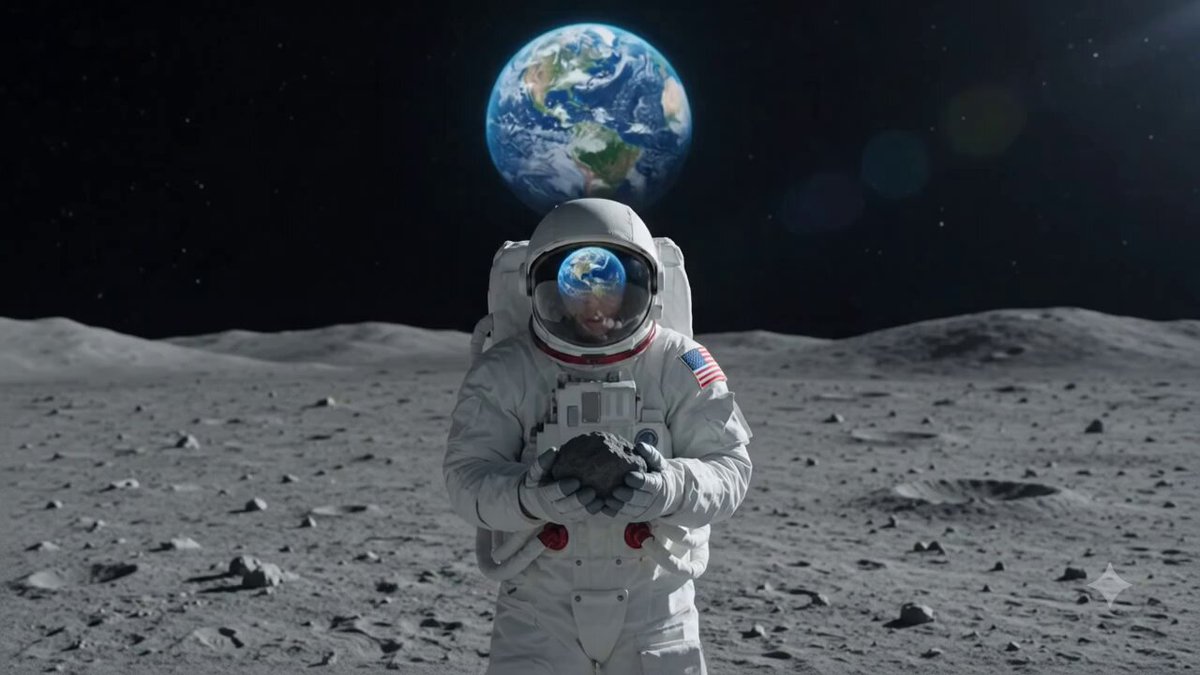
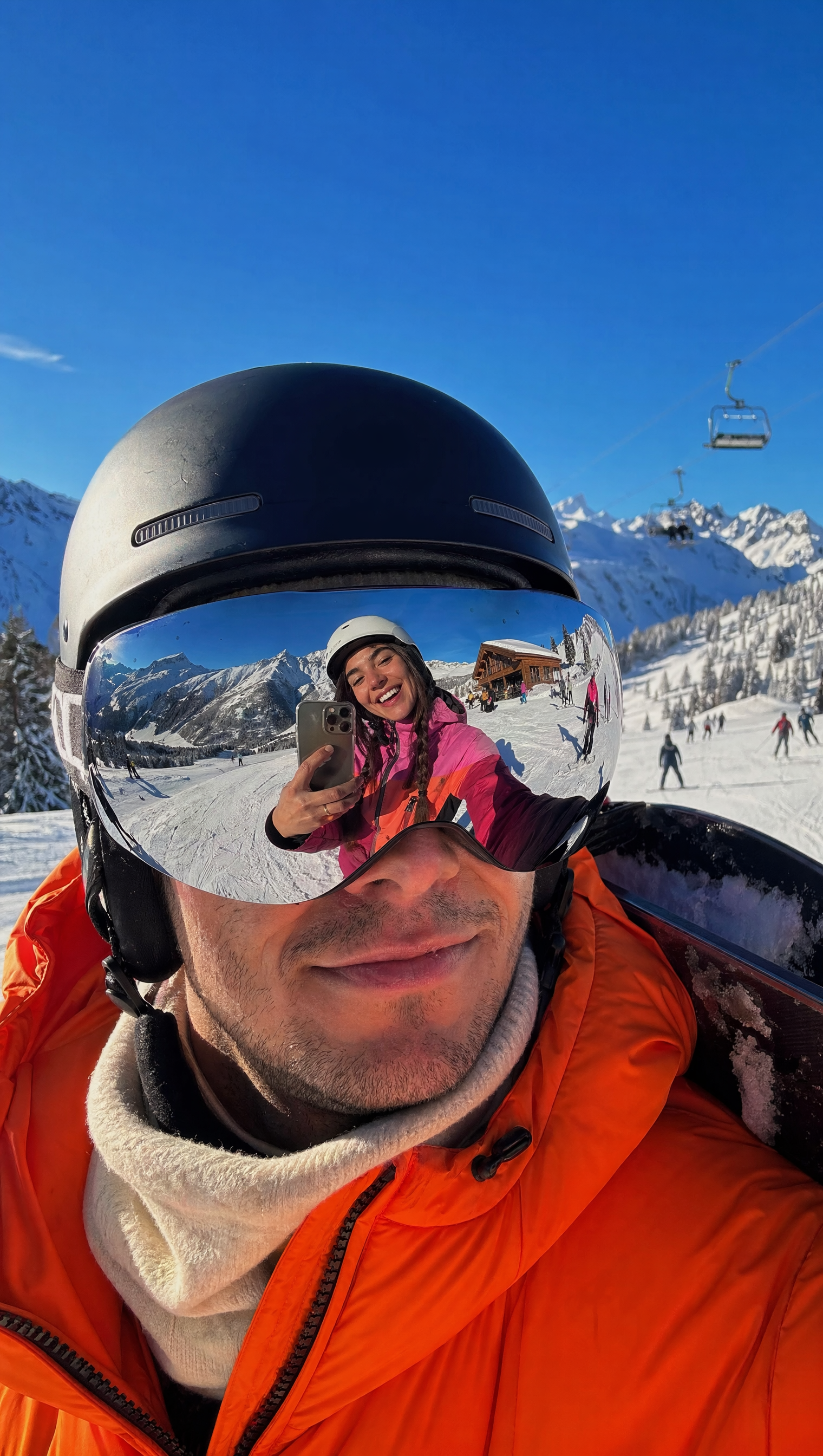
For most of the short history of moving pictures, making a video meant gathering real equipment, real people, and real time. Cameras rolled, actors performed, editors sculpted hours of footage into minutes. You can still work that way, of course, but a different route now exists: describe what you want in text, supply a reference image or two, and let generative models animate the scene for you. This is not a futuristic promise from a trade show; it is a working method used by thousands of creators every day. This article looks at how text-and-image-to-video tools actually work today, which models matter, and how to combine prompts and references into polished, cinematic results.
A Genuine Shift in Visual Storytelling
Characterizing this moment as "just another upgrade" undersells it. The generative approach to video is a change in the fundamental unit of production. Instead of a shoot where every mistake costs money, you get an iterative loop where a bad idea costs almost nothing and a good idea can be refined within minutes.
The impact shows up in what people are willing to attempt. Small brands that once outsourced every piece of video now prototype in-house. Educators generate quick explainers. Indie storytellers pitch animated scenes without a studio. The psychological shift matters as much as the technical one: when experimentation is cheap, people take more creative risks, and that is where genuinely interesting work comes from.
None of this requires abandoning craft. On the contrary, the technology rewards people who think about storytelling, pacing, light, and character, because those are exactly the signals you feed into the machine.
The Mindset Shift from Shoot to Craft
There is an important mental adjustment along the way. In traditional production, you try to capture the perfect moment in one take and spend the rest of the budget salvaging it. With generative tools, you expect imperfection as the default and treat rendering as a search for the take that works. That inversion changes how you spend your time and your attention.
Instead of fearing mistakes, you welcome them as information. A mangled hand tells you the anatomy is weak at that angle. A flat exposure tells you the light cue is missing. A drifting face tells you the reference is too loose. Read the failures, adjust the instruction, and try again. This is a much more forgiving workflow than a physical shoot, provided you embrace the iteration.
What Text and Images Each Contribute
The most underrated change in modern tools is the use of images alongside text. Pure text generation is powerful but leaves a lot to interpretation. Add a reference image and you hand the model a concrete anchor: this is the character, this is the place, this is the color palette.
Text carries the intent and the motion. Images carry the fixed identity. Together they solve the hardest problem in generative video, which is stability across shots. A character described only in words will drift between generations. A character anchored to a specific still will look recognizably like themselves in every scene, provided you reuse the same reference.
This matters most for narrative work. If you want a viewer to follow a character through several scenes, that character has to be consistent. Multi-image fusion, where a portrait reference and a background reference are combined in one prompt, gives you both the identity and the setting in a single generation, which is exactly the building block a story needs.
When Images Are, and Are Not, the Answer
References are powerful but not a universal cure. They anchor identity and setting, yet they cannot fix weak motion, poor pacing, or a muddled story. If two characters need to interact, you may need a separate composite reference showing them together. If a scene changes location, you need new location stills. Building the right reference set for each scene is part of the planning, not an afterthought.
Keep images and text in tension, not conflict. The image pins down what must not move; the text describes what should move. If the two disagree, the model can pick either, so make sure your written description is consistent with the reference you attach.
The Model Library: Matching the Engine to the Job
You no longer have to choose one engine and live with its limitations. Mature platforms aggregate a library of models, each with distinct strengths, and let you switch engines per shot.
Premium Models for Near-Cinematic Output
The flagship models are built to impress. They handle complex scene descriptions, lighting direction, and camera vocabulary with confidence. The open-vocabulary series understands descriptive prompts well and is known for a non-destructive editing philosophy that keeps results stable. Others in this tier trade some prompt nuance for photorealistic motion and stronger physics in the rendered frames.
Reach for this tier when the shot is a hero, a reveal, a product close-up, or anything that will be scrutinized by an audience. The render cost is higher, but the quality carries the moment.
Global Breakthrough Models
A handful of models have become shorthand for the state of the art. The long-duration model opens up continuity, allowing a scene to unfold rather than jump. The character-focused model handles facial detail and identity transfer well. Another well-known engine excels at stylized, art-directed motion that feels more like animation than live action.
These are the models you choose when you want the output itself to be the differentiator, when a striking look matters more than turnaround time.
Efficient and Regional Specialists
On the other end of the spectrum sit the efficiency models: fast, cheap, and great for volume. Storyboarding, rapid iteration, and bulk concept tests are their natural habitat. Regional specialists, meanwhile, often bring unique training data and aesthetics, useful when you want an authentic cultural or stylistic flavor in the frames.
The practical lesson is simple: do not become a one-model house. Your shot list will contain different needs, and the best results come from routing each shot to the engine that fits.
Building Your Own Model Palate
You do not need to master every engine. Over time, identify two or three you trust for reliability, one you like for speed, and one specialist you reach for when a project needs a particular look. Keep that shortlist current and test new releases against your own workload before you rely on them.
This shortlist becomes your personal palette. You know what each engine will and will not do, which saves enormous time compared to a fresh evaluation for every shot. A narrow, well-understood palette beats a wide, unfamiliar one almost every time.
Directing Without a Camera
Film grammar has not disappeared from AI workflows; it has moved into the prompt. The models have absorbed enough cinematic vocabulary that your words behave like a tiny directing crew.
Compose With Shot Language
Describe the frame the way a director of photography would. Wide for establishing space, close-up for emotion, over-the-shoulder for dialogue, low angle for power, high angle for vulnerability. These cues translate surprisingly well into generated images.
Control the Camera Feel
Add motion and lens language. A slow push-in builds tension; a dolly out reveals scale; a handheld feel adds urgency. Mention depth of field, shallow for portraits and interviews, deep for landscapes, and the model will adjust focus behavior accordingly.
Light Like a Cinematographer
Lighting is half of the cinematic look. State the motivation of the light, golden hour warmth, cool winter north light, neon in a rain-slick street, and the mood follows. Underspecified lighting is why many generated videos look flat; a single deliberate light cue fixes it.
Write Direction, Not Just Content
The prompts that read like direction rather than like narration produce better results. Instead of "a sad man walks down a street at night," try "wide shot, a man in a coat walks slowly down a wet street, cool sodium-vapor light, low contrast, slow tracking shot." The second version hands the model concrete choices to make rather than a mood to guess at.
You are essentially writing a micro shooting script. The more your prompt resembles what a director would tell a camera operator and a gaffer, the closer the output comes to intentional cinema.
Keeping Consistency Across a Sequence
Consistency is the technical craft of generative video, and it deserves real attention.
In practice it means fixing your references before you write your shot list. Generate the character portrait first, the hero prop, and the location still if you have one. Lock these in stone. Every subsequent prompt should reference the same images and describe the same attributes in the same words.
Within a sequence, keep wardrobe and setting language consistent. If your character is wearing a red coat in shot one, the model may still drift in later shots, so reinforce it textually even though the reference image should carry most of the weight. The combination of visual reference plus repeated description is dramatically more reliable than either alone.
Expect imperfection. Even with references, you will re-roll frames. Build re-roll time into your schedule and treat a failed take as information, a signal that you should tighten the prompt, adjust the reference, or change the model.
Consistency Becomes a Brand Asset
For anyone producing serial content, consistency is not just a technical convenience; it is a brand asset. A recognizable character who appears across many videos builds loyalty in a way that a fresh, inconsistent cast never will. Viewers return to follow a face they know.
That is why serious creators invest in a library of canonical references for their recurring cast and environments. Once established, that library is reused across every video, giving the whole channel a coherent visual identity that audiences learn to trust.
A Repeatable Five-Step Workflow
Putting it all together, a dependable process looks like this.
Step one, lock the concept. Write a single sentence describing the finished piece and a rough target duration. Decide the mood, cheerful, tense, melancholic, so every later choice is anchored.
Step two, build references. Create the character portrait, location still, and any hero objects. Treat these as preproduction assets.
Step three, write the shot list. Break the concept into beats and give each beat a prompt with subject, action, camera, and lighting. Six to ten shots is a normal short-form skeleton.
Step four, draft cheaply. Run every shot through a fast model first. Review the assembly, find weak links, and revise prompts before committing real generation budget.
Step five, refine and finalize. Regenerate the selected shots at high quality with references passed forward, assemble in an editor, add sound and captions, and export for your platform.
This loop keeps costs sane and quality sky-high, because iteration happens on cheap drafts rather than expensive finals.
Installing the Loop Through Templates
To make the workflow habitual, build simple templates you reuse. A character sheet, a shot-list template, a per-shot prompt skeleton, and a reference checklist help you repeat good behavior without re-deciding everything each time.
Templates are not a substitute for creativity; they relocate your attention to the interesting decisions. When the structural overhead is automated, you spend your energy where it belongs, on the concept, the beats, and the look.
Pitfalls That Waste Your Time and Budget
Several habits reliably sabotage generative video projects. Over-stuffed prompts produce muddled frames, so cut to the essential clauses. A missing character reference guarantees a face that changes shape, so never run multi-shot narrative without one. Forgetting aspect ratio results in awkward crops, so decide vertical or horizontal before you generate anything.
Sleeping on reference enforcement is the most expensive mistake. People often generate an excellent first shot, love it, then prompt the next shot from scratch and wonder why the character changed. The extra minute spent wiring references into prompt two is the difference between a coherent film and a collage.
Finally, do not treat final-quality generation as the place to experiment. Save experiments for the cheap draft phase. Know what you want before you spend heavy renders.
Knowing When to Cut and Move On
A common trap is pouring time into a single stubborn shot that refuses to cooperate. Before burning through many renders on one frame, step back. Sometimes the problem is the shot itself: it reads poorly, it is extraneous to the structure, or it asks the model to do something it simply will not do well.
Choose a different angle, rephrase the action, split it into two smaller shots, or cut it entirely. The willingness to abandon a weak idea is as valuable as the skill to fix a strong one. Finished work usually benefits more from subtraction than from a single obsessively polished frame.
How the Craft Will Keep Changing
The direction of travel is clear. Generations grow longer, motion becomes more controllable, object permanence improves, and alignment between text input and rendered output tightens. Audio and dialogue are folding into the same pipelines, pointing toward single-prompt, fully-finished shorts in the not-too-distant future.
None of this removes the need for judgment. Someone still has to decide what story to tell, which shots matter, and what looks good. The creators who thrive will be the ones who combine a director's eye with a willingness to operate the machine as an iterative tool, testing, discarding, and refining until the frame earns its place.
The revolution is here, and it is a craft problem more than a hardware problem. The people reading this are already early enough to get good at it while the field is still settling.
A Note on Ethics and Attribution
It is worth being deliberate about how you present AI-assisted work. If your content shows identifiable people, objects, or places that are generated rather than real, label it clearly where the platform expects honesty. Avoid using the likeness of real, identifiable individuals without permission, and respect content or usage policies of the platforms you publish on.
Responsible use is not just a legal concern; it protects the trust your audience places in you. A small disclaimer where appropriate, and a commitment to not impersonate real people, keeps your practice both sustainable and credible as the field matures.
Frequently Asked Questions
Can I use both text and an image in the same generation?
Yes. Modern tools accept both a written prompt and one or more reference images, often combined through multi-image fusion for character plus setting control.
What is the ideal number of shots for a short video?
For sub-minute short-form content, roughly six to ten distinct shots generally keep pacing tight without becoming disjointed.
Do I need to be fluent in English to prompt well?
No. The models understand descriptive language well regardless of the author's native tongue, and you can write prompts in languages the tool supports.
Which model should a beginner start with?
Start with a fast, forgiving efficiency model to learn prompt craft and shot structure, then graduate to premium models for hero shots once your workflow is stable.
Is character consistency ever fully automatic?
Not today. Strong references and repeated descriptions make it reliable, but reviewing each frame and re-rolling flawed takes remains a necessary part of the process.
