
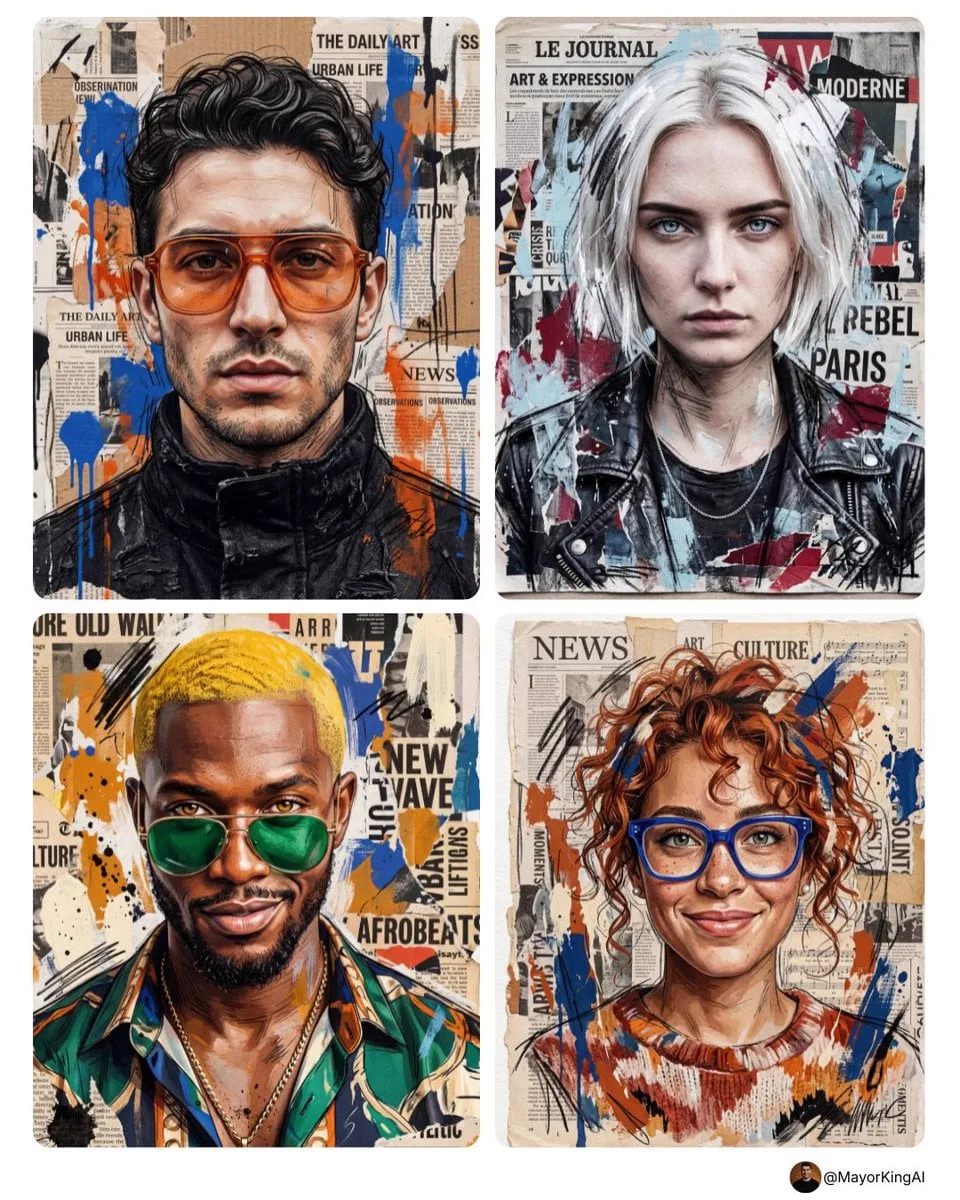
Music videos have long been one of the most expensive and time-consuming parts of the music industry. Between hiring a crew, securing locations, and days of editing, the costs quickly add up. But a new generation of smart tools is changing the equation. Today, artists and creators can start from a simple text prompt and end up with a polished, narrative-driven music video.
This guide walks through everything you need to create high-quality, text-driven music videos with smart AI tools: the technical foundations that shape quality, the process of writing effective prompts, managing character consistency, and the workflow that keeps production on track.
The Technical Foundations of Quality
The quality of a generated music video rests on three pillars: the generative model you choose, the resolution and frame control you use, and how well you manage the resources behind the scene. Weak foundations produce muddled visuals no matter how good your story is.
Modern diffusion models have become remarkably good at interpreting natural language and turning it into coherent video frames. The key is feeding them the right descriptions and giving them the compute they need to produce clean results. Starting with the best model you can afford pays off more than polishing a weak generation afterward.
How Diffusion Models Interpret Text
Understanding how the model reads your prompt helps you write better ones. The model breaks your description into visual concepts and stitches them together around the subject and mood you ask for. Vague language yields vague output, while specific, layered descriptions give the model enough direction to render something cinematic.
Think of your prompt as a director's note. It should describe the subject, the setting, the lighting, the color mood, and the movement. The more dimensions you cover, the more the output matches the feeling of your track.
Writing Prompts That Feel Like Music
Text-driven music videos need prompts that carry rhythm and emotion, not just a description of objects. Start from the meaning of your song and translate it into images. If the track is melancholic, describe muted colors and slow camera drift. If it is euphoric, describe bright lights, motion, and energetic cuts.
From Lyrics to Scenes
A practical method is to break your song into sections and assign a scene to each. The intro, verse, chorus, and bridge each get their own descriptive paragraph. Then you generate each scene separately and assemble them, mirroring the structure of the music itself.
This approach keeps each scene focused and gives you control over pacing. You are scoring the visuals to the song rather than generating one long, unfocused sequence and hoping it works.
Keeping Style and Character Stable
Character consistency is as important in music videos as in any narrative project. If a singer or dancer changes appearance between scenes, the video loses coherence. Use a set of reference images to lock the identity, and reuse the style keywords across every scene so the visual treatment stays uniform.
Keep a style sheet for the whole video: the palette, the lighting mood, the camera language, and the look of any recurring character. Applying that sheet consistently is what makes several separate generations feel like one deliberate video.
Building an Efficient Workflow
A smart workflow keeps you from drowning in random generations. Structure the process so that most of your effort goes into choice, not chance.
Plan Before You Generate
Write a short creative brief before touching any tool. Define the concept, the key images, the mood, and the structure of scenes. The brief is the backbone of the video; everything else is execution.
Generate in Batches and Iterate
For each scene, produce a few variants and review them against the brief. Compare lighting, composition, and whether the emotion matches. Iterate on the best variant until it feels right before moving to the next scene. This keeps the whole pipeline moving in one direction.
Assemble and Polish
Once every scene is approved, bring them together on a timeline. Adjust pacing to the music, add transitions, and handle the final color and audio touches. The AI produces the raw material; you shape it into a finished piece.
Managing Production Resources
High-quality generation can be heavy on compute and time. A queue-based approach helps: submit work in order, process it in batches, and monitor progress so you always know what is running and what is done. Automating the repetitive parts frees you to focus on creative judgment.
Set clear expectations for how long a full video takes. Rushing every scene to a deadline tends to degrades quality. Give yourself room to iterate on the shots that matter most.
Choosing the Right Visual Style
Different songs call for different visual treatments. A folklore ballad might suit painterly, textured visuals, while an electronic track fits clean neon and geometric motion. Match the model and the style keywords to the emotional register of the music.
Experiment with several looks before committing. Rendered test stills are cheap and let you compare moods quickly. Pick the treatment that best serves the song and then apply it consistently.
Common Mistakes and How to Avoid Them
Most disappointing music video projects share a few avoidable problems.
-
Using one giant, vague prompt for the whole video instead of per-scene descriptions.
-
Skipping character references and ending up with a drifting protagonist.
-
Ignoring the style sheet, so scenes clash even when individually generated.
-
Trying to generate everything at the last minute without iterating on the key shots.
-
Reviewing only static frames while glossing over motion and pacing issues.
Avoiding these traps is mostly a matter of planning and patience, which are cheap compared to the cost of remaking a video.
Frequently Asked Questions
How technical do I need to be to use these tools?
Very little. Modern tools are designed for creators, not engineers. The key skills are writing clear prompts, planning a brief, and judging results.
Can I match the video timing to my actual song?
Yes. Generate scenes to fit the structure of your track and assemble them on a timeline to match the beat and sections.
Do I still need editing skills?
Basic editing skills help you assemble scenes, add transitions, and pair visuals with audio. The AI handles the generation, but you make it feel like a video.
Is character consistency really necessary for a music video?
If your video features a recurring subject, yes. Consistency is what makes the video feel intentional and professional rather than random.
Conclusion
Text-driven music videos are within reach of any creator with a clear idea and a willingness to plan. Smart AI tools remove the cost and friction of traditional production while putting creative control squarely in your hands.
Write a strong brief, break your song into scenes, lock in character and style, and iterate with discipline. The result is a polished music video that communicates your vision without the budget of a major-label shoot.
The Creative Brief as Your North Star
Before any production, a strong creative brief saves you from chasing scattered ideas. It does not need to be long, but it should be specific. Write down the concept of the video, the emotional arc of the song, the key recurring images, and the visual style you want. By the time you finish the brief, you should be able to describe the finished video in a few crisp sentences.
That clarity directly improves your generations. Every prompt you write afterward answers the same question: how does this scene serve the concept? When a generation drifts off-concept, you catch it instantly and move on, rather than endlessly polishing something that was never right.
Choosing a Look That Fits the Song
The visual treatment should reinforce the feeling of the music. A lo-fi, textured look suits intimate and nostalgic tracks. Sleek, high-contrast, geometric visuals fit electronic and upbeat songs. Naturalistic cinematography works for acoustic and emotional ballads. Decide the treatment early and apply it everywhere.
Test a few directions with quick stills before committing. Locked to a single look, a video feels deliberate; bouncing between looks, it feels random. Your audience reads the visual coherence as intention, even subconsciously.
The Role of Music in the Visual Rhythm
A music video is choreography between image and sound. The cuts, the camera movement, and the scene changes should land on the beat and follow the song's dynamics. When you assemble scenes on a timeline, place the transitions so they echo the musical structure rather than happening at random.
Pay attention to the chorus. That is where energy peaks, so give it the strongest, most visually striking section. The verses can breathe, the bridge can narrow down, and the chorus can open up. Building this dynamic deliberately makes the video feel composed, not merely generated.
Using Motion to Carry Emotion
Subtle motion choices communicate a lot. Slow, drifting camera moves suggest calm, nostalgia, or longing. Quick cuts and shake suggest energy, urgency, or excitement. Think about what emotional job each shot is doing and steer the camera language accordingly. Even in AI generation, you can guide these choices in your prompt and your scene structure.
Turning Reference Material Into a Style Kit
Create a small style kit that travels with the project: a palette, a set of lighting keywords, camera-language notes, and any character references. This kit is what you paste, in adapted form, into every scene description. It is the practical guarantee that five separate generations will look like five shots from one video.
Revisit the kit between scenes. Models occasionally need nudges to stay on palette or mood. You will refine the kit a few times during a project, and that is healthy: it is a living guideline, not a law.
Keeping the kit visible while you review generations makes drift obvious the moment it appears. When a render shifts hue or mood, you compare it directly against the kit and decide whether to adjust the prompt or the kit itself. A good kit should be stable but not rigid; it guides the model toward a look without forcing every frame through a cookie cutter.
Handling Long Projects Without Burning Out
A full music video is a marathon. Pace yourself by dividing the work into scenes and treating each scene as a micro-project with an end state. When a scene reaches approval, that is a win; do not reopen it unless a later decision forces a change. Moving forward deliberately keeps momentum and prevents perfectionism from stalling the whole project.
Batch your reviews. Check several renders together rather than approving or rejecting each in isolation. Comparisons let you see consistency issues that individual looks hide. An efficient review rhythm is what lets you finish at all.
Mistakes That Quietly Ruin Music Videos
-
Letting the chorus look weaker than the verses because energy got spent early.
-
Adopting so many visual styles that the video reads as a collage of clip ideas.
-
Ignoring motion and judging only beautiful stills, then being surprised by pacing problems.
-
Rewriting the creative brief midway through and forcing scenes to be reworked.
-
Forgetting that the music itself is the editor: the visuals must follow the song, not the other way around.
Each of these is easy to avoid with a brief, a style kit, and a review rhythm. They all stem from planning shortfalls, not from lack of talent.
Frequently Asked Questions (II)
How long does a text-driven music video take to produce?
Plan for a few days for a typical single. A clear brief and an efficient batch review process compress most of that, while a vague concept stretches it considerably.
Do I need to match every bounce of the beat?
No. Match the overall sections and the emotional peaks. Fine-tempo cuts are optional flavor; the structure is what matters.
Can I use AI-generated video for commercial release?
Many platforms permit AI-assisted creation when the composer holds the rights to the underlying song. Check the licensing terms of each tool and each distribution channel before release.
What is the most common first project for a beginner?
A single-scene lyric visual or a short ambient mood piece. It lets you learn the tools and the review rhythm before committing to a multi-scene narrative.
