
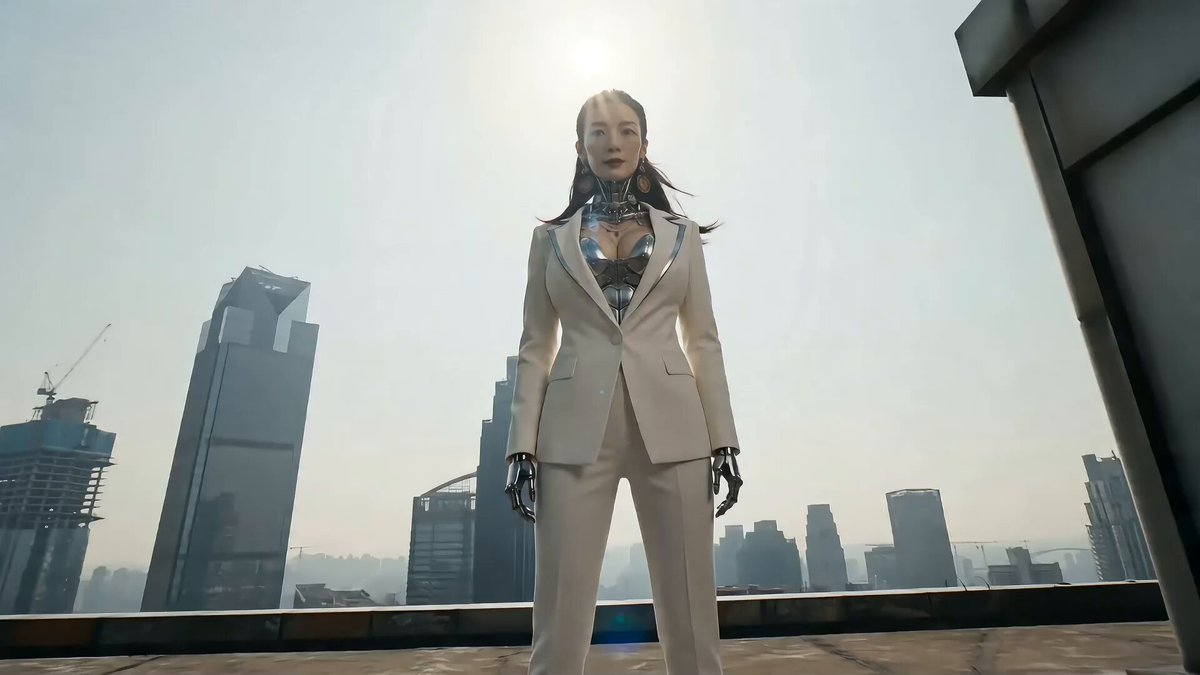
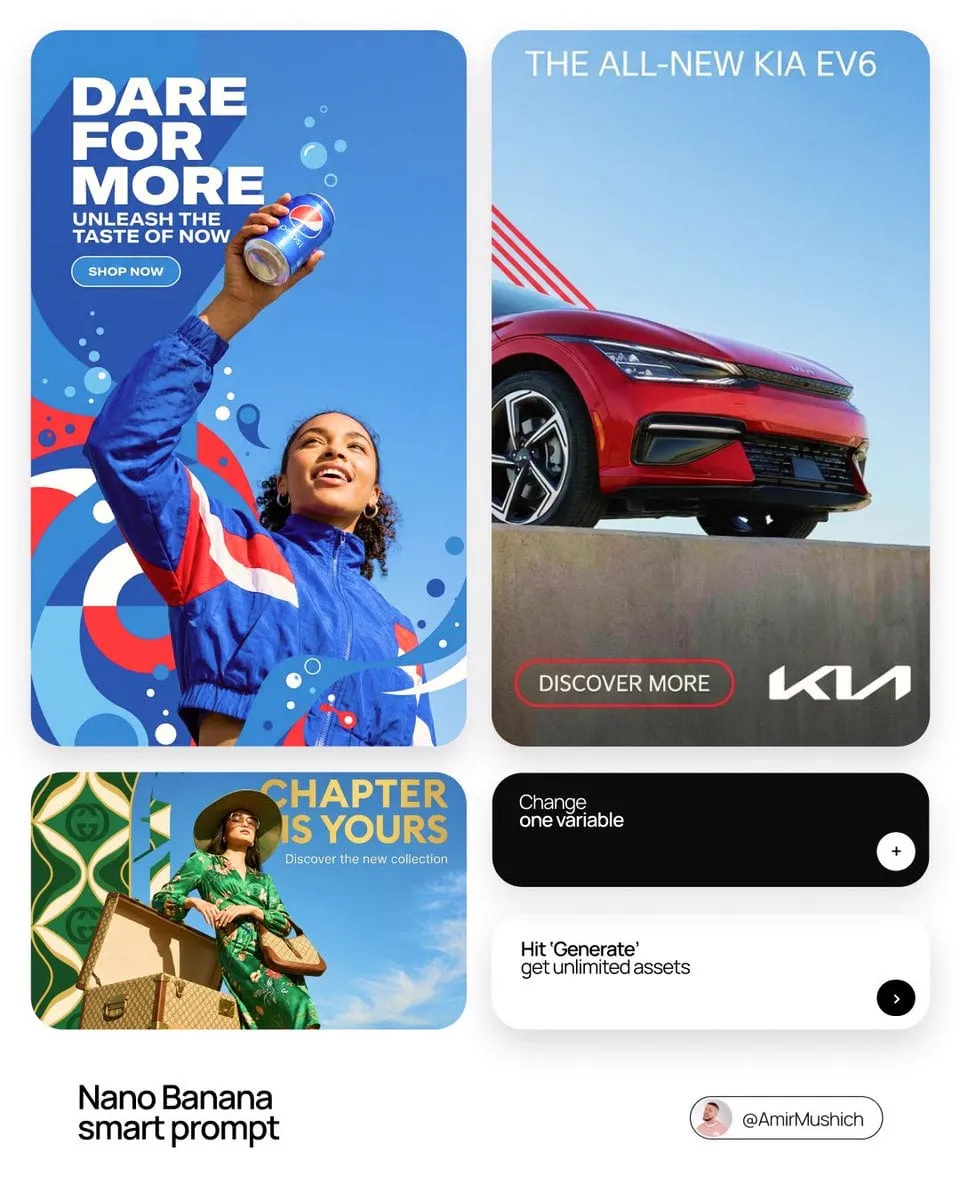
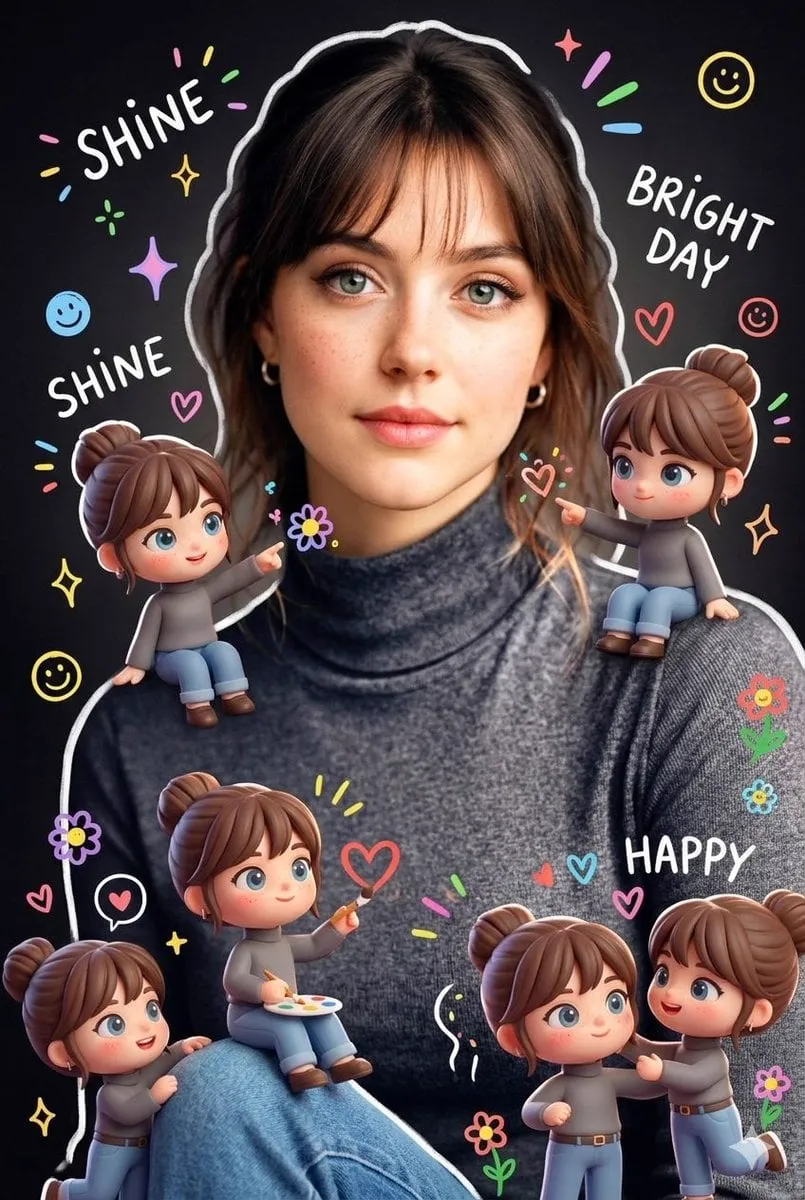
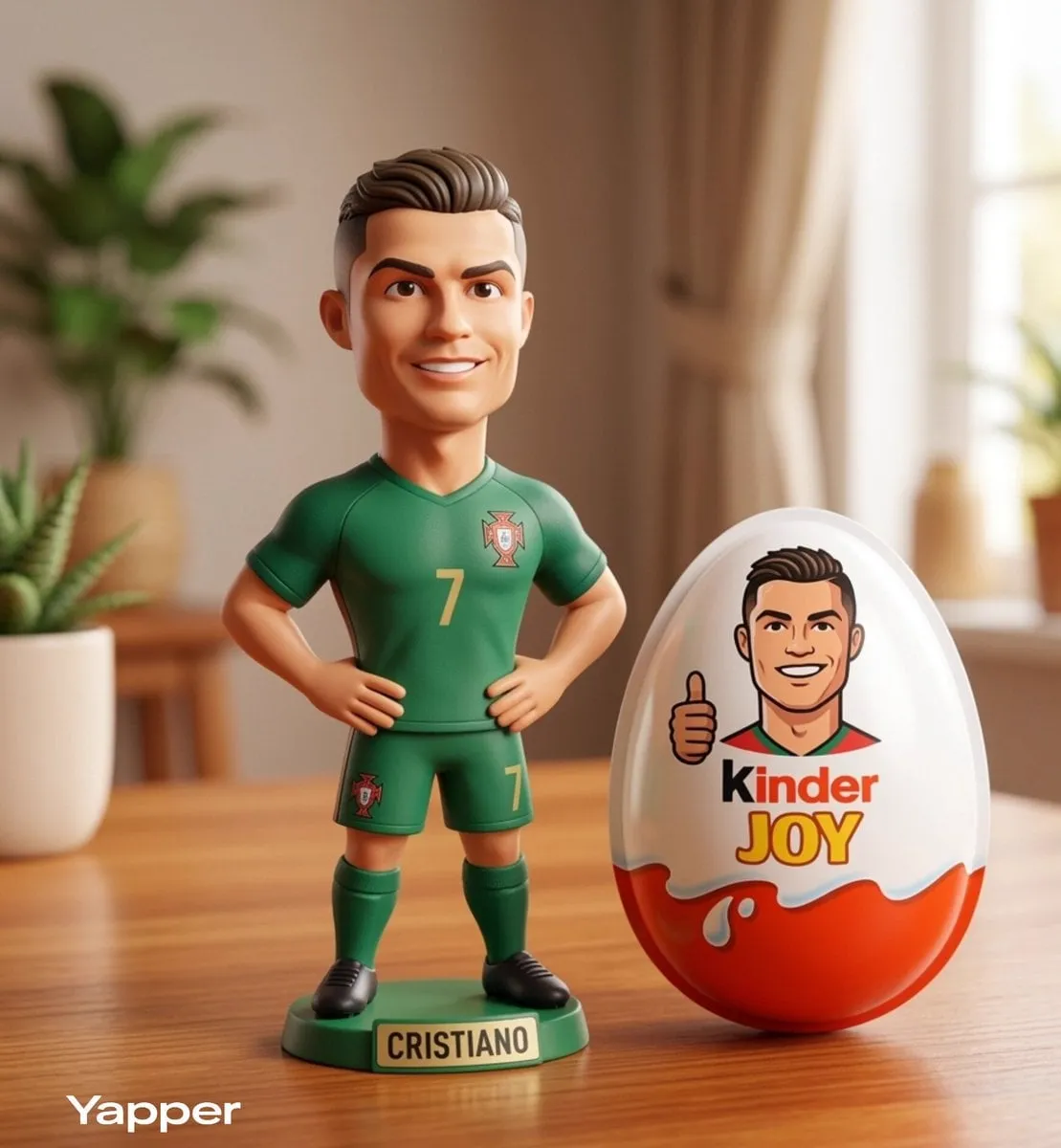
Turning a raw idea into a finished video used to mean three things: a camera, a crew, and a schedule. Today the bottleneck has moved. The hard part is no longer producing footage, it is deciding which of a hundred possible interpretations of your idea is worth rendering first. This guide is a practical walkthrough of that decision layer: how to convert a messy text brief into a watchable clip, how to keep a character or product consistent across shots, how to choose between the many video generation models and tool categories now available, and how to run the whole thing as a repeatable creative workflow instead of a one-off experiment.
Why text-to-video workflows changed the planning stage
When generation is expensive and slow, planning is optional — you cannot afford many attempts anyway. When a single shot can be produced in minutes, planning becomes the entire job. Teams that skip it end up with a folder of disconnected clips that look impressive individually and nonsensical together.
Three practical shifts follow from that.
First, writing becomes a production skill. A prompt is not a wish, it is a shot list compressed into prose. People who can describe framing, motion, lighting, and duration clearly get usable output far more often than people who describe a mood and hope.
Second, iteration gets cheap but attention does not. Generating twenty variants is easy; reviewing twenty variants carefully is not. The winning workflows front-load a written spec and generate fewer, better-informed versions.
Third, consistency turns into the real constraint. Anyone can create one beautiful clip. Building a sequence where the same protagonist, wardrobe, and color palette survive eight shots is where most projects stall — and it is the part worth designing around from the first line of the brief.
The idea-to-video pipeline: five stages that actually matter
Treat the work as five stages. Each has a clear input, a clear output, and a review gate before the next one starts.
Stage 1: Compress the idea into one sentence
Write the concept as a single sentence containing a subject, an action, and a payoff: "A ceramicist opens a kiln at dawn, and the glow reveals a finished vase." If you cannot compress it, you do not yet know what the video is about. Everything downstream inherits the ambiguity.
Stage 2: Break it into shots with intent
Turn the sentence into a numbered shot list. For each shot record four fields: what the camera sees, what moves, how long it lasts, and what the viewer should feel. A six-shot clip for a thirty-second video is a reasonable starting ratio; fewer shots means each one carries more weight and needs stronger motion.
Stage 3: Pick the generation route per shot
Not every shot needs the same tool. A static product hero frame is a text-to-image job with subtle animation. A person walking through a doorway is a text-to-video job. A transformation from sketch to finished painting is an image-to-video job with a defined first frame. A character reappearing in three scenes is an image-to-video job where you reuse the same reference image every time. Matching the route to the shot is the single highest-leverage decision in the pipeline.
Stage 4: Generate, review, and keep notes
Generate in small batches, review at real speed, and write down what changed between prompts. A one-line note like "adding 'handheld, 35mm' fixed the stiffness" is worth more than ten saved clips, because it transfers to every future project.
Stage 5: Assemble for rhythm
Cut for pacing, not for completeness. Trim every shot to the moment where it lands, add sound design before you add transitions, and reserve one slow shot as an anchor. If the piece feels flat, the problem is usually shot duration, not missing effects.
How to write prompts that survive translation into motion
Most disappointing output traces back to prompts that describe a still image and expect motion as a bonus. A generation-ready prompt answers six questions in plain language.
- Subject: who or what, described with specific physical detail rather than adjectives like "stunning."
- Action: one primary motion plus one secondary motion. More than two motions produce mush.
- Camera: static, slow push in, handheld follow, orbit, or crane. Naming the camera move does more work than naming the lens.
- Environment: location, time of day, weather, and the light source.
- Look: film stock feel, color temperature, contrast, grain.
- Duration and rhythm: how long the shot should feel, and whether motion should ease in or stay constant.
A prompt built from those six parts might read: "A baker lifts a proofed loaf onto a peel, steam rising, slow push-in from a low angle, pre-dawn bakery with warm window light, soft contrast, fine grain, calm and steady motion." That is specific enough to render predictably and short enough to iterate on.
Two habits sharpen prompts quickly. Keep a personal phrase library of camera and lighting language that has worked before, and change one variable at a time when testing. Changing five things at once teaches you nothing about which one mattered.
Handling dialogue, text, and screens
On-screen text is still the least reliable element in generated footage. Letters wobble, short words merge, and long words drift. Practical workarounds:
- Keep on-screen text under four words per shot and hold the shot longer than feels natural.
- Generate a clean plate without text, then add typography in the editor where you control kerning and timing.
- For product labels, generate the scene without the label and composite a real asset.
- If a character must speak, keep the dialogue short and check lip sync at normal speed, not frame by frame.
Consistency: the hardest problem in AI video
A sequence falls apart when the protagonist's jacket changes color, the kitchen layout shifts, or the lighting jumps between shots. Four techniques address this, and they stack well.
First, anchor with reference images. Establish your character, product, or location once as a high-quality still, then start every subsequent shot from that same reference. Reusing one reference is more reliable than re-describing a person in words, because text descriptions drift.
Second, lock the look in writing. Write a short "style contract" — three to five lines covering palette, contrast, grain, and camera behavior — and paste it into every prompt. Consistency comes from repetition, not from cleverness.
Third, control the first and last frame where the tool allows it. Defining both ends of a shot turns a guess into an interpolation, which is especially useful for transformations, reveals, and match cuts.
Fourth, generate coverage, not singles. For any important moment, produce a wide, a medium, and a close version in the same style so the edit has choices without a visual break.
A practical consistency checklist before you generate a batch:
- Is the character reference identical across all prompts?
- Does every prompt carry the same style contract?
- Are camera moves compatible, so shots can cut together?
- Do all shots share a plausible light direction for the same scene?
- Is there at least one wide shot to establish geography?
Choosing among model and tool categories without chasing hype
Model names change constantly and comparisons age badly. Categories age much better. Evaluate options by what they are optimized for:
- Cinematic realism: strong on skin texture, depth of field, and dramatic light. Best for narrative and brand film work; weakest on long coherent action.
- Motion-heavy action: strong on physics, fast camera moves, and energy. Best for sports, dance, and product-in-motion; weaker on fine facial detail.
- Stylized and animated: strong on illustration, anime, and painterly looks. Best for explainers and character work; less predictable for photoreal people.
- Image-to-video specialists: strong at animating a supplied frame with tight fidelity. Best when brand accuracy matters, because your source image controls the look.
- Editing and extension tools: strong at continuing a shot, extending duration, or changing a detail without regenerating everything. Best for polish passes late in the edit.
Match the category to the shot, then within a category test two or three options on the same twenty-second brief. Score them on four criteria you can observe: fidelity to the prompt, motion quality, consistency across attempts, and speed of usable output. That test takes an afternoon and saves weeks of second-guessing.
Cost and speed planning
Generation budgets behave like rendering budgets: volume is cheap, retries are not. Plan around three numbers — attempts per finished shot, average time per attempt, and review minutes per attempt. If a finished shot takes five attempts at two minutes plus one minute of review each, that shot costs fifteen minutes of wall-clock time regardless of how cheap the generation is. Reducing the attempt count through better prompts is almost always the fastest optimization available.
Different workflows for different creative goals
Short-form social clips
Optimize for a strong first two seconds. Generate more vertical shots than you need, keep individual shots under four seconds, and design a loop point so the clip rewards a second watch. Character continuity matters less here than visual punch.
Product and e-commerce video
Optimize for accuracy. Start every shot from real product photography, use image-to-video for controlled motion, and keep backgrounds simple enough that the product stays the hero. Avoid generating the product itself from text; render the environment around a real asset instead.
Narrative and brand story
Optimize for emotion and continuity. Lock a style contract and character reference before generating anything, storyboard every shot, and treat the first and last frame of each shot as a deliberate composition.
Educational explainers
Optimize for clarity. Favor stylized or diagrammatic visuals, hold shots longer, and let a consistent visual metaphor carry the series. Sequence shots so each one answers the question the previous shot raised.
Abstract and experimental loops
Optimize for texture. This is where you can safely ignore continuity and let motion carry the piece. Generate many short variants and build a library of reusable background motion for later projects.
Where automation and orchestration fit
As projects grow, the individual generation step stops being the hard part. Coordination becomes the problem: which shots are queued, which references they use, which version is final, and what still needs review.
Three orchestration patterns help at different scales.
Pattern one, the shot ledger. A simple table where every shot has a route, a prompt version, a reference asset, and a status. This costs nothing and prevents the most common failure — regenerating something you already approved.
Pattern two, staged generation. Run all first frames before running any motion, so failures in image quality surface before you spend time animating them. This is the video equivalent of rendering a rough pass before a final.
Pattern three, queue-based batching. When you have dozens of shots, treat generation as a batch job with clear inputs and outputs, submit in batches, and review by batch rather than by individual render. Batch review keeps your judgment consistent because you are comparing similar shots side by side.
A robust production setup also separates concerns: a job queue that tracks state, a storage layer that keeps every asset versioned by shot, and a review surface that shows the latest approved version. Whether you build that yourself, use an editor's built-in versioning, or lean on a platform that manages jobs for you, the underlying requirement is the same — you must always be able to answer "which version of which shot is current, and what produced it?"
Quality control before you publish
Run the same checks on every clip. Errors that look minor on a phone screen look obvious on a television.
- Anatomy check: hands, teeth, ears, and eye direction at normal speed and at half speed.
- Physics check: does steam rise, does fabric fall, do liquids behave?
- Continuity check: wardrobe, props, light direction, and background across cuts.
- Text check: any on-screen lettering legible and correctly spelled.
- Audio check: music, room tone, and any voice track balanced so dialogue sits above the bed.
- Duration check: no shot overstays; the first three seconds earn the fourth.
- Aspect check: correct framing for each destination, with safe margins for interface overlays.
- Disclosure check: where a platform or client requires it, note that the content is AI-generated.
If a clip fails two or more checks, regenerate it rather than patching it with effects. Filters hide problems on a monitor and amplify them on a projector.
Building a reusable prompt and asset library
The compounding asset in AI video is not the model you subscribe to — it is your own library. Build three collections and keep them tidy.
Prompt blocks: subject patterns, camera moves, lighting setups, and style contracts, each saved as a short reusable paragraph. Structure your own material the way a well-organized prompt library or built-in style system would: named, searchable, and grouped by use case.
Reference assets: approved character sheets, product plates, location stills, and color boards. Version them by date so you can always trace which reference produced which output.
Negative and fix list: the failure modes you keep hitting, with the phrasing that resolved them. This list becomes your troubleshooting manual.
Treat the library as documentation. A short note on why a prompt worked is more valuable six months later than the prompt itself.
Common failure modes and how to fix them
The clip looks static
Cause: the prompt describes a scene, not an action. Fix: name the primary motion and the camera move explicitly, and add a secondary motion such as drifting smoke, passing traffic, or shifting fabric.
The subject morphs mid-shot
Cause: too many competing elements or an overly long duration. Fix: shorten the shot, reduce the number of moving subjects, and define the first frame from an approved still.
Details melt in the background
Cause: an overloaded prompt where background description competes with the subject. Fix: simplify the environment to two or three defining features and let the subject carry the detail.
Faces drift between shots
Cause: no shared reference. Fix: reuse the same approved character image as the starting frame for every shot, and keep the style contract identical.
Motion is technically correct but boring
Cause: the camera and subject move in the same direction at the same speed. Fix: create tension — move the camera one way and the subject another, or contrast a slow camera with fast action.
Output feels uncanny
Cause: perfect symmetry, even lighting, and zero imperfections. Fix: add asymmetry, one practical light source, slight handheld movement, and small environmental detail like dust or steam.
A worked example from brief to final cut
Consider a thirty-second clip for a coffee roaster.
The one-sentence idea: "A roaster listens to the beans, and the crack tells them when to pull the batch."
Shot list: a close-up of a hand on the drum handle; beans tumbling in warm light; steam and chaff rising; the roaster's face lit by the drum; beans cooling in a tray; the finished bag on a counter.
Routes: the hand and the face are image-to-video jobs anchored on real photography for authenticity. The tumbling beans and rising chaff are text-to-video jobs focused on motion. The cooling tray is a text-to-video job with a slow orbit. The final bag is an image-to-video job using a real product photo.
Consistency: one style contract — warm amber palette, shallow depth of field, fine grain, handheld but steady. One lighting direction: the drum glow from camera left in every interior shot.
Review: generate three attempts per shot, keep the best, and note which prompt phrasing produced smooth motion. Total attempts land around eighteen, of which six survive. The note that saves the most time next project: naming the light source directly in the prompt.
Assembly: cut the six shots to about thirty seconds, front-load the drum glow, and end on the bag with two seconds of quiet so the last frame breathes.
Frequently asked questions
How long should an AI-generated shot be? Most generated shots work best between two and six seconds. Shorter reads as a cutaway, longer invites the model to drift. For anything past eight seconds, expect to extend the shot in an editor or generate a follow-on shot from the previous frame.
Do I need image references if I only want a quick clip? Not for a single standalone clip. The moment you plan more than one shot with the same subject, references stop being optional — they are the cheapest consistency tool available.
Is text-to-video good enough for client work? Yes, for many categories of client work, provided you treat it as one stage of a production rather than the whole production. Clients react to final pacing, sound, and typography far more than to the generation method.
How many attempts should I plan per shot? Budget three to five for a straightforward shot and more for complex motion. If a shot consistently needs ten or more, rewrite the prompt instead of grinding through more attempts.
What is the fastest way to improve output quality? Improve the prompt, not the settings. Specifying the light source, the camera move, and a single primary action resolves the majority of quality complaints.
Should I use one model for everything? No. Different categories of shots reward different strengths. Pick per shot, then standardize within a project so the look stays coherent.
How do I keep a series visually consistent across weeks? Freeze a style contract and a reference set, version them, and reuse them unchanged until the series ends. Consistency is a documentation problem more than a generation problem.
Can I include real people? Handle likeness with care and written permission, keep generated people distinct from real individuals, and follow the disclosure rules of every destination platform you publish to.
What should I do when a shot keeps failing? Change the route rather than the wording. If text-to-video will not hold the motion, try image-to-video from a strong still, or split the moment into two simpler shots.
Getting started this week
Pick one idea you have already described in a sentence. Write a six-shot list, choose a route for each shot, and build one style contract. Generate three attempts for the two most important shots, review them at normal speed, and edit the two survivors into a fifteen-second cut with sound. Finish it rather than perfecting it.
Then write down three notes: which prompt phrasing produced the best motion, which reference image held consistency, and which shot needed a different route. Those three notes are the beginning of a library, and the library — not any individual model — is what makes the next project faster than this one.
