
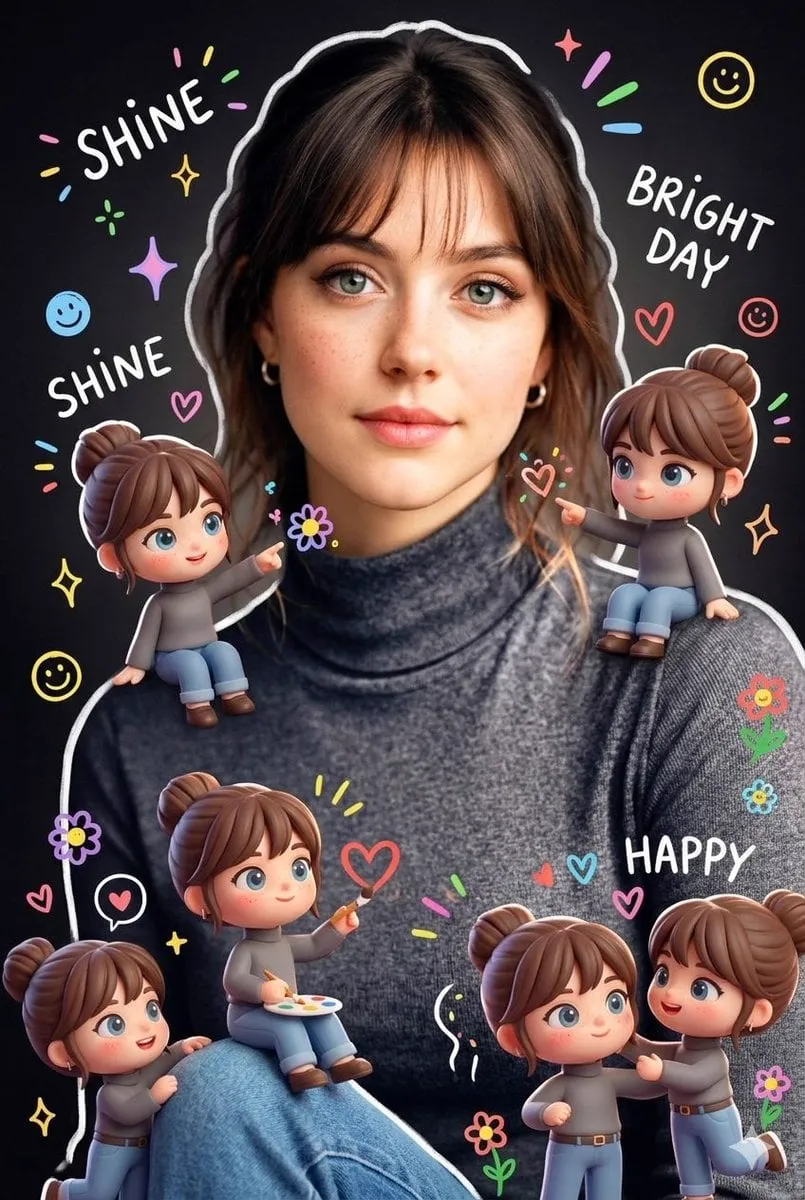
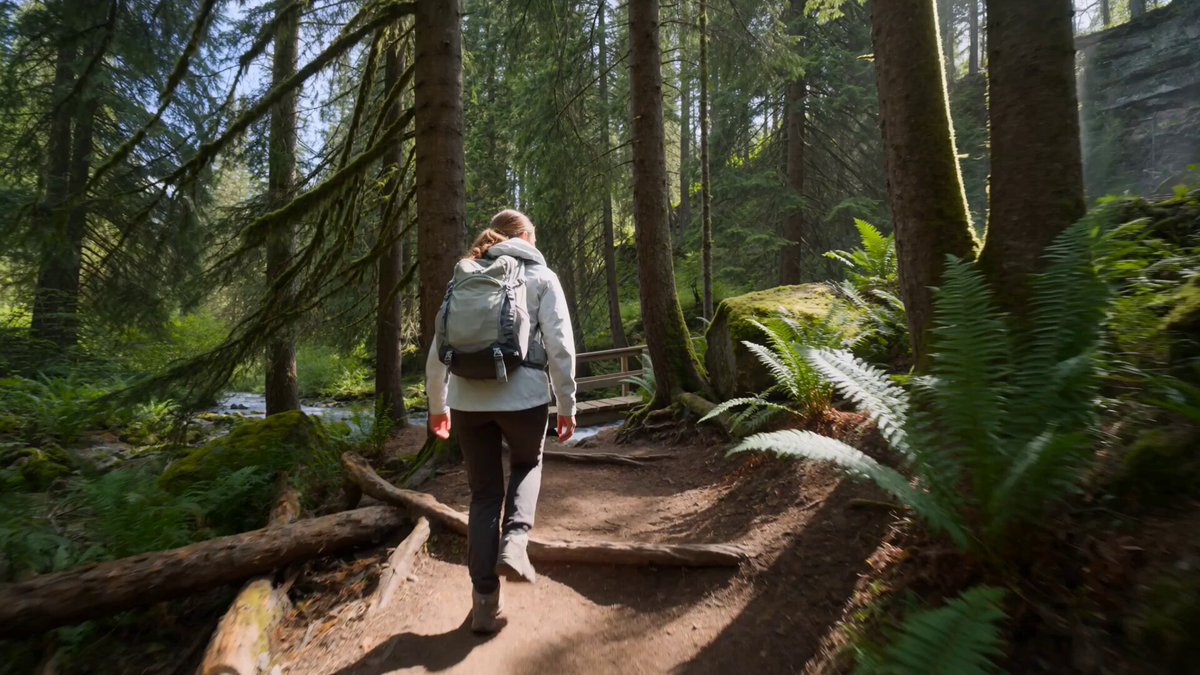
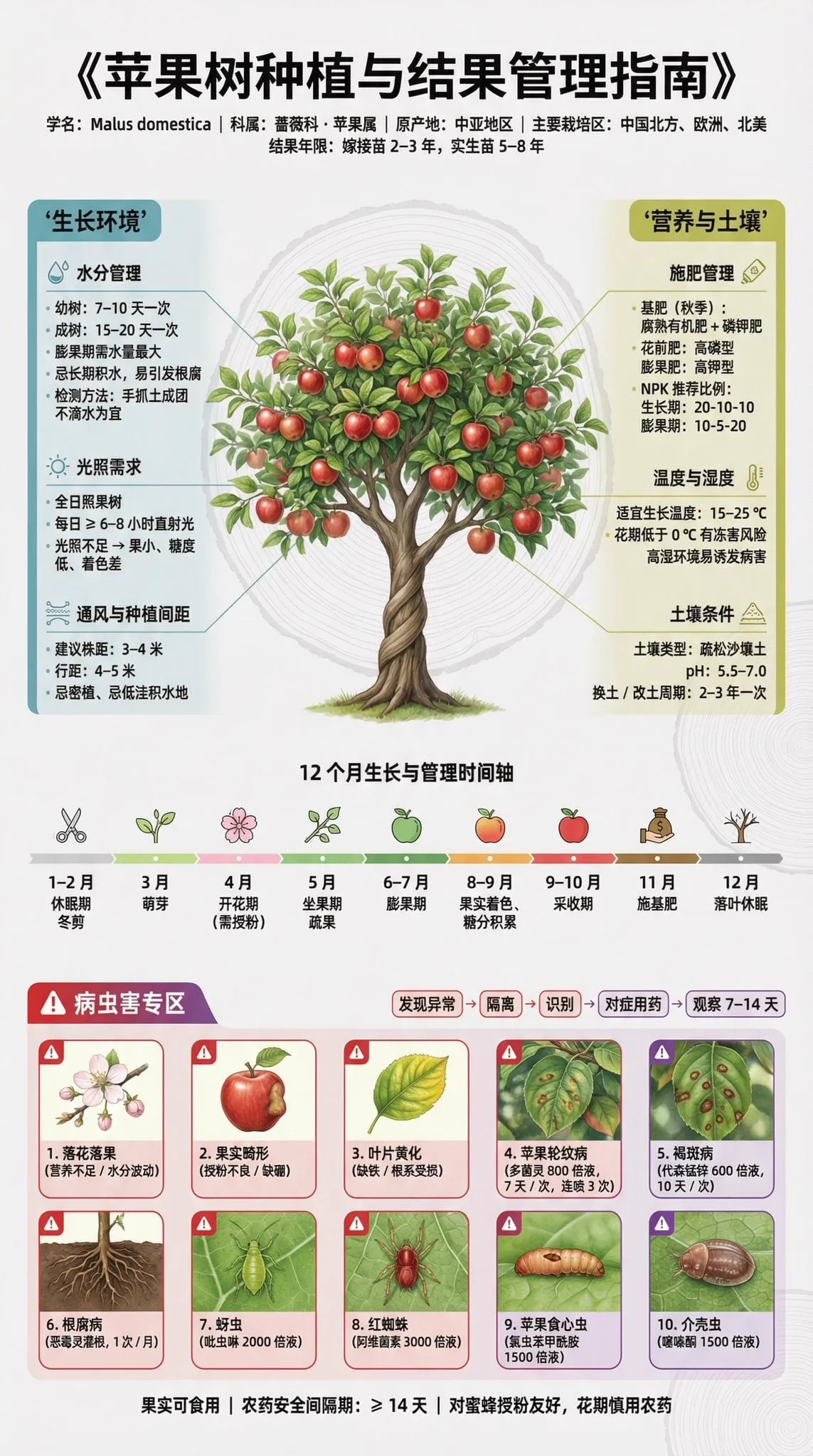
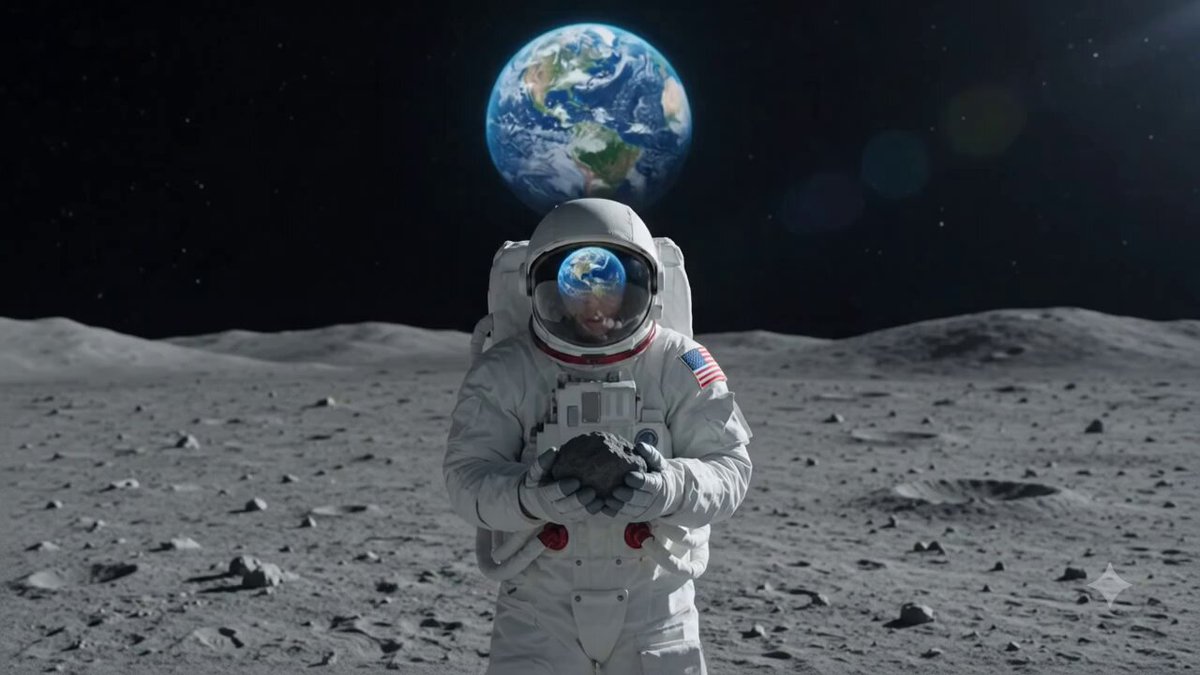
The difference between an AI image that makes people stop and one they scroll past is rarely raw model quality. In the same release week, one creator produces a portrait that looks like it belongs in a magazine while another produces something derivative and flat, and the gap is usually explained by one thing: how well they wrote the prompt. Prompting is not magic, it is a structured skill, and it is the lever that converts an excellent model into excellent results.
This guide is a practical prompt-engineering course for the broad landscape of AI image generators and video tools. We cover the anatomy of a strong prompt, why structure matters more than length, how negative prompting filters out the failures, how to write results a given model can actually reach, and the cinematography vocabulary that elevates a prompt from a description to a direction. We also look at the higher-level skills of keeping characters and environments consistent and controlling motion and timing in video. By the end, you will have a repeatable method rather than a collection of lucky phrases.
Why Prompt Structure Beats Prompt Length
A common beginner instinct is to add more and more adjectives until the prompt becomes a paragraph. Usually this produces muddy, contradictory output, because the model has no idea which elements are most important. The single highest-leverage change you can make is to replace disorganized length with clean structure.
Think of a structured prompt as answering, in order: the subject, the setting, the action, the camera or perspective, the style, and the lighting. When you answer those six questions clearly, you give the model the scaffolding it needs. The subject is what is actually in the image. The setting places it. The action, for video, says what the subject does. The camera describes how we see it, the style describes the visual language, and the lighting describes the mood.
Order matters because earlier terms often carry more weight. Put your most important element first, keep filler out, and separate the sections so both the model and you can read the prompt back exactly. A prompt you can reason about is a prompt you can iterate on, and iteration is the actual engine of good results.
A Reusable Base Template
A dependable template keeps you consistent across many tries. A serviceable skeleton looks like this: [primary subject], [key detail about that subject], in [setting], [action or emotion], [camera or viewpoint], [art style or medium], [lighting and mood], [format details such as aspect ratio if the tool supports it].
Fill the slots with specific, concrete words rather than vague ones. "A weathered fisherman," beats "an old man." "A rain-soaked neon alley at night," beats "a street." "Soft rim light from a cool blue source," beats "nice lighting." Specificity is what gives the model material to build a distinct image instead of a generic one, and it is also what makes your style reproducible.
Do not treat the template as a cage. For a minimalist poster, you might strip the setting entirely. For an abstract piece, the subject might be the style. The template is a starting scaffold, not a rule, and the skill is knowing which slots matter for the image you want.
Subject and Setting: Give the Model Ground Truth
The clearest improvement in most prompts is a more specific subject. Instead of describing a person in the abstract, describe the details that make them identifiable: age, build, clothing, hair, distinguishing features, expression. Instead of a generic landscape, name the kind of place, the time of day, the weather, and the key landmarks. The model has seen millions of images, and it renders best when you point precisely at one.
The setting is where consistency across a series begins. If you are generating several images that should share a world, describe the setting with the same anchor details every time: the same sky color, the same architecture, the same dominant color palette. Repetition of concrete details is the mechanism of visual continuity.
Equally important is guarding against contradictions. A prompt that says "daylight" and "moonlit" or "sleek futuristic" and "rustic antique" forces the model to compromise into a believable average that satisfies neither. Decide what the world is and describe it coherently, and ask the model, in effect, to stay within it.
Camera Language in Still Images
Photography vocabulary is one of the fastest ways to lift an image. Describe the camera height and angle, lens type, depth of field, and focal length in plain terms: "wide-angle establishing shot," "tight close-up with shallow depth of field," "low angle looking up," "over-the-shoulder view." These terms give the model a concrete viewpoint and affect how intimate or distant the result feels.
Depth of field is especially powerful. A shallow depth of field isolates the subject and makes a portrait feel professional. A deep focus keeps the whole scene crisp and can convey scale. Describe which you want, and the model will separate the subject from its background the way a photographer would.
For motion-capable tools, the same vocabulary extends into the shot description: tell the model what the camera does, whether it is static, pushing in, tracking laterally, or handheld. Camera choices are not decoration; they are how you tell the viewer where to look and how to feel, so use them deliberately in still and moving images alike.
Style and Reference Words
Style words point the model at a visual language. Some are useful, such as "photorealistic," "documentary," "anime," "watercolor," "CinemaScope," "Noir lighting." Others are vague and unhelpful, like "beautiful," "nice," "great." The best style prompts combine a medium, a mood, and a quality: "gritty documentary film still," "soft studio editorial portrait," "bold graphic-design poster."
Be careful with overused style keywords that produce repetitive output. If you lean on the same handful of trending style words every time, your work will start to resemble everyone else's. Start with a clear medium and mood, then differentiate with your own combination of subject, setting, and color choices. Individual style emerges from the specific, unusual combinations you make, not from a stock word.
If a particular reference or aesthetic matters, describe it as concretely as possible. Name the era, the technique, the palette, and the feel, and let the model synthesize rather than relying on a single overloaded keyword. The more the prompt draws on real visual knowledge, the more distinct and useful the output can be.
Negative Prompting and Filtering Failure
Negative prompting is the instruction about what you do not want, and it is often what saves an otherwise good result. The most common offenders are artifacts: extra fingers, distorted hands, warped text, duplicate faces, and background glitchiness. Feeding those as negatives ("no extra fingers, no warped hands, no distorted faces, no blurry artifacts") can meaningfully clean up output.
Negative prompting is also useful for style control. If you generate a photorealistic image but keep getting an illustration-like render, pushing against that ("not illustrated, not cartoon, not painted") can hold the model to realism. If you want a portrait and keep getting a crowd, negative "no other people" can enforce the single-subject composition.
Use negatives sparingly and specifically, because overloading them with dozens of exclusions can degrade quality or produce unintended effects. The strongest set of negatives targets the failures you actually observe in your own results. Keep a personal list of the artifacts that appear in your chosen model and reuse it, and you will raise the average quality of every run.
Controlling Characters and Environments Across a Series
Consistency across a series of images or a video is the advanced skill. When you want the same character to appear in many shots, define them completely once and reuse that definition verbatim in each prompt. Name their appearance, wardrobe, style, and features consistently. Where the tool supports a reference image, use a canonical portrait and carry it forward through every generation that needs it.
Environments follow the same rule. A consistent world relies on repeated anchor details: the same palette, the same architecture, the same light source. If a market appears in several images, keep the description of that market the same so the world reads as one place rather than several unrelated ones.
Restraint again is the ally. A series with one or two well-defined characters in a small set of consistent locations is dramatically easier to keep coherent than a sprawling cast across many settings. The discipline of curating what you introduce directly protects the illusion of continuity, which is what makes audiences believe the images belong together.
Motion and Timing in Video Prompts
For AI video, motion and timing are part of the prompt's job description. Describe what moves, how it moves, and how fast. "A train pulls slowly through the frame," "water ripples gently," "the character turns quickly to the camera," gives the model the physics it needs to produce believable, purposeful movement rather than random drift.
Timing shows up in both the motion description and the editing language. A slow, deliberate shot builds a different feeling than a quick energetic one. When you plan a video, decide the intended pacing beat by beat, describe each shot with its motion and duration in mind, and assemble the edit so that rhythm carries the emotion the story needs.
In longer sequences, keep the character and environment references applied to every clip you generate so the pieces can be joined into a coherent whole. The craft you apply per-clip, camera, light, motion, and consistency, is exactly what lets separate shots assemble into a believable scene.
Iterating and Reading Your Own Output
Prompting is a feedback loop. The first run is a hypothesis; the second, third, and tenth are refinements. Learn to read your output and translate what you see into the next instruction. Too busy? Simplify the subject list. Too bright? Adjust the lighting. Wrong medium? Correct the style words. Each observation sharpens the prompt.
Keep a small library of prompts that worked and why. Note the phrasing that produced the texture you liked, the negatives that removed your most common artifacts, and the camera words that consistently delivered the framing you wanted. Over time this personal prompt library becomes your fastest path to a reliable, recognizable style, far more useful than a generic set of online formulas.
Treat every failure as information. A failed run is not wasted; it tells the model and you which direction to adjust. The creators who improve fastest are the ones who inspect their own output honestly and iterate on it in a structured way rather than starting over randomly each time.
Building a Personal Prompt Library
As you iterate, a pattern will emerge: certain phrasings consistently deliver the texture you like, certain negatives remove your most common artifacts, and certain camera words reliably produce the framing you wanted. Capture those findings. A simple reference document, organized by the outcome you want, turns your accumulated experiments into a reusable advantage instead of a set of forgotten guesses.
Organize the library by effect rather than by the tool. A useful structure lists entry points as results such as "portrait depth," "cinematic night street," "product hero shot," or "coherent series," with a short, tested prompt for each. When a new project starts, you open the relevant entry, adapt the subject details, and begin from a proven base rather than from a blank line.
Steal from yourself deliberately. The fastest way to develop a recognizable style is to notice what you repeat, refine it, and recombine it with new subjects. Build the habit of saving any run that surprises you in a good way, and checking that saved library before every new series. Over a few months these saved wins become the skeleton of your entire visual identity.
The Bottom Line
Prompt engineering is the practical skill that determines what you get out of the modern generation of AI image and video tools. Structure beats length, specificity beats vagueness, camera and style vocabulary gives you control, negative prompting filters failure, and deliberate repetition across a series buys you coherence.
None of it is mysterious. Start with a clear template, answer the key questions about subject, setting, camera, style, and light, iterate on the evidence of your own output, and build a library of what works for you. The model is the brush; the prompt is your hand. The better you direct it, the more the images stop looking like generic AI and start looking like yours.
