


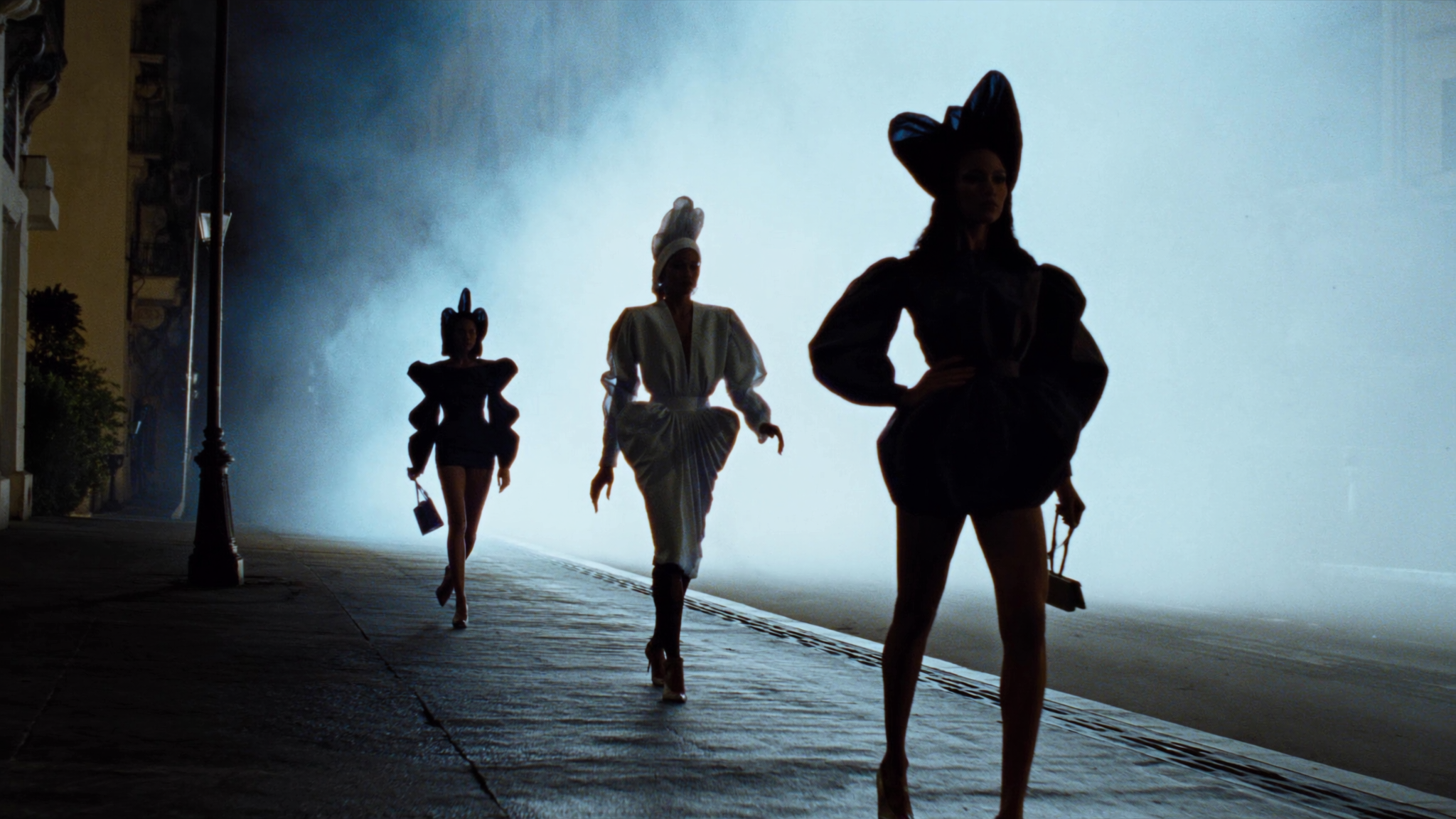
Why Video Content Training Became a Marketing Priority
Video stopped being a specialist format years ago. It is now the default unit of communication on nearly every consumer platform, and marketing teams are expected to produce it continuously rather than in occasional campaigns. That shift created a skills gap: many marketers are strong at positioning, copy, and channel strategy, but have never been trained to plan a shot, write a prompt, direct a generation tool, or judge whether a clip is good enough to publish.
Training closes that gap. The goal is not to turn every marketer into a filmmaker. The goal is to give a team a shared vocabulary, a repeatable workflow, and enough craft to produce credible video at a consistent pace without depending on a single overworked editor or an outside agency for every asset.
There are three forces pushing video training to the center of marketing operations.
Distribution rewards volume and iteration. Feeds prioritize fresh, watchable content. A team that can ship ten tested variations per week learns faster than a team that ships one polished hero film per quarter. Volume only works when quality stays above a visible floor, which is exactly what training provides.
Production costs collapsed, but judgment did not. Generative tools removed most of the cost of creating a first draft of footage. They did not remove the cost of deciding what to say, how to structure a narrative, which take is usable, and how to keep a brand recognizable across dozens of clips. Judgment is the scarce resource now.
Roles are blurring. Copywriters storyboard. Social managers edit. Performance marketers write prompts. When responsibilities overlap, a shared training program prevents each person from inventing a private, incompatible process.
The Modern AI Video Workflow, Step by Step
A workflow is only useful if every step has a clear input, output, and owner. The sequence below works for both fully generated video and hybrid projects that mix generated shots with filmed footage, screen recordings, and stock clips.
Step 1: Write a one-page brief
The brief defines the audience, the single message, the desired action, the channel, the aspect ratios, the runtime, and the tone. It also names the constraints that matter most in generative work: does the product need to appear exactly? Are real people in frame? Is there a legal or claims restriction? One page, no exceptions. Briefs that live in someone's head become rework.
Step 2: Script for the first three seconds
Most viewers decide within the first moments whether to keep watching. Write the opening line, the first visual, and the on-screen text before writing anything else. Then write the body as a sequence of beats: problem, proof, demonstration, objection handling, call to action. Keep a version with timecodes so the editor and the prompt writer are working from the same map.
Step 3: Build a shot list or storyboard
A shot list is faster than a storyboard and usually enough. For each shot, note duration, framing, subject, action, camera movement, lighting mood, location, and whether it will be generated, filmed, or sourced. This is where continuity problems get caught cheaply instead of after generation.
Step 4: Generate or capture footage
Generate the shots that are expensive or impossible to film — abstract concepts, distant locations, stylized product moments — and film or record the shots that depend on real faces, real hands, or precise product detail. Mixing sources is normal and usually produces a better result than forcing everything through one method.
Step 5: Assemble, edit, and design sound
Rough assembly first: place shots on the timeline in script order, then trim for pace. Add the voice layer, music, and sound effects, then cut to the audio rather than cutting picture to a fixed idea of rhythm. Sound design is the fastest way to make generated footage feel intentional instead of synthetic.
Step 6: Caption, version, and export
Burned-in captions remain essential for feed viewing. Export the primary cut, then produce vertical, square, and landscape versions with reframed safe areas. Finally, label every export so it can be traced back to the brief and the take it came from.
Matching Generation Methods to Marketing Goals
Different marketing problems call for different production approaches. Choosing the method before writing the script saves a great deal of wasted effort.
Text-to-video for concepts and mood
Best when the asset needs atmosphere, motion, or a metaphor rather than a specific person or product. Use it for brand films, teaser clips, abstract transitions, and background plates. Keep prompts concrete about lighting, lens, movement, and pacing; vague prompts produce generic results.
Image-to-video and multi-image continuity
Best when you need a consistent subject across several shots. Start from a still that matches your brand palette and subject, then animate it with restrained motion. Feeding several related stills into a single sequence keeps wardrobe, environment, and styling stable, which is the single biggest visual weakness in AI-assisted marketing video.
Presenter and voice-led formats
Best for explainers, testimonials, and educational content where trust matters. An on-camera presenter, whether filmed or synthesized, should carry the argument, with generated footage used as supporting visuals. Always disclose synthetic presenters where audiences or regulations expect it.
Editing-first and repurposing workflows
Best when you already own footage. Long webinars, interviews, and product demos can be mined for dozens of short clips. Here the training priority is finding hooks, cutting cleanly, and adding captions and context, not generation at all.
Prompt Engineering for Reliable Marketing Video
Prompting is a craft skill, and like any craft skill it improves with deliberate practice and a shared reference library.
A prompt structure that scales
A reliable prompt covers six things: subject, action, environment, camera, lighting, and style. Add duration and pacing guidance where the tool supports it. For marketing work, also state brand constraints explicitly — color palette, wardrobe, tone, and anything that must not appear.
A workable template:
[Subject and wardrobe], [action in present tense], in [environment with one or two concrete details], shot as [framing and camera movement], lit by [lighting description], in the style of [reference], with [brand constraint]. Avoid [unwanted element].
Keeping products, people, and locations consistent
Consistency comes from reusing anchors: the same reference still, the same descriptive phrases copied verbatim, and the same lighting language across every shot in a sequence. Variation comes from changing only the camera and the action, never the identity descriptors. Teams that keep a shared "anchor sheet" of approved descriptions produce far more coherent sequences than teams that rewrite prompts from scratch each time.
Failure modes and fixes
- Warping and melting details. Shorten the clip, reduce motion intensity, and lower the complexity of the scene.
- Identity drift between shots. Lock a reference image and repeat the identity descriptors exactly.
- Generic, stock-looking output. Add specificity: lens, time of day, texture, and a non-obvious detail.
- Text rendered incorrectly. Never rely on generated text; add typography in the editor instead.
- Overly fast, unnatural movement. Slow the action in the prompt and consider generating a longer shot and speeding up selectively in post.
Building an Internal Training Program
A training program should produce working assets, not certificates. Structure it around real deliverables.
A four-week ramp
Week one — language and critique. Everyone watches a curated set of strong and weak marketing videos and writes notes on hook, pacing, and clarity. Introduce the brief template and the shot list.
Week two — scripting and prompting. Each participant writes a 20-second script and a matching shot list, then generates at least six variants of one shot to learn how prompt changes affect output.
Week three — assembly and sound. Everyone edits a 20-second clip from a shared footage folder, adds captions, and mixes voice and music. This is where most people discover how much quality comes from editing rather than generation.
Week four — ship and review. Each person publishes one asset on a real channel and presents results alongside their process notes. Review sessions should focus on decisions, not taste.
Roles and ownership
Even small teams benefit from naming an owner for each stage: brief, script, generation, edit, review, and publishing. One person can own several stages, but every stage needs a name attached so handoffs do not stall.
Practice projects that mirror real work
Use real constraints: a 15-second product teaser, a 30-second explainer, a vertical hook for paid social, and a repurposed clip from an existing webinar. Simulated projects with invented brands teach less because nobody has to defend a claim or match a real product.
Asset Management, Brand Safety, and Review
Generated video multiplies files quickly. Without structure, teams lose track of which take was approved and re-generate work they already have.
Naming and versioning
Adopt one naming convention across the whole team: campaign, asset type, aspect ratio, version, and date. Keep the prompt and reference images in the same folder as the export. When a clip performs well, the ability to reproduce its look is worth more than the clip itself.
Brand kits and guardrails
Maintain a living document with approved color values, typography, logo placement, tone-of-voice rules, legal claims, and a list of things that must never appear. Convert the most important rules into prompt fragments and editing presets so compliance is the default rather than an afterthought.
Review checkpoints
Two checkpoints are usually enough: a script-and-shot-list review before generation, and a locked-cut review before export. Reviewing individual generated clips in isolation wastes time; review the sequence.
Measuring Performance and Iterating
Training pays off only when results feed back into the process.
A simple metric ladder
Track attention first, then comprehension, then action. Attention metrics include three-second retention and average watch time. Comprehension metrics include completion rate and comment sentiment. Action metrics include click-through rate, conversion rate, and assisted conversions. Judging a video only on the final conversion hides the fact that most losses happen in the first two seconds.
Structured testing
Change one variable at a time: hook, thumbnail, opening visual, caption style, or call to action. Run tests with enough volume to be meaningful, and record every test in the same spreadsheet as the brief so learnings accumulate instead of disappearing.
Turning results into briefs
When a format wins, convert it into a reusable template: the hook structure, the shot list pattern, the pacing map, and the prompt anchors. Templates are how a team compounds knowledge across campaigns.
Common Mistakes That Slow Teams Down
- Starting with tools instead of message. Choosing a generation model before writing the brief guarantees rework.
- Chasing realism at the expense of clarity. Audiences forgive stylization; they do not forgive confusion.
- Ignoring the sound layer. Weak audio makes even good footage feel amateur.
- Generating too long. Shorter clips warp less and cut better.
- No review gate. Letting anyone publish anything erodes brand consistency fast.
- No archive of prompts. Without a library, teams rediscover the same solutions repeatedly.
- Treating training as a one-time event. Formats and tools change; a monthly critique session keeps skills current.
Choosing Tools Without Locking Yourself In
Tool selection should follow workflow needs, not the reverse. Evaluate candidates against the criteria below.
| Criterion | What to check |
|---|---|
| Output control | Can you control camera, motion, lighting, and duration? |
| Continuity | Does it support reference images and multi-shot coherence? |
| Edit integration | Can exports move cleanly into your editor and asset library? |
| Aspect ratios | Are vertical, square, and landscape supported natively? |
| Collaboration | Can teammates comment, version, and hand off work? |
| Licensing and rights | Are commercial use and synthetic media disclosure clear? |
| Portability | Can you move assets out without losing context? |
Build a two-week pilot with real briefs before committing. The team that can describe exactly why one tool fits their workflow will adapt faster when the next generation of models arrives.
FAQ
How long does it take a marketer to become competent with AI video?
Most people can produce publishable short-form work after two to four weeks of deliberate practice, provided they are working on real briefs with real review. Full fluency with continuity, sound design, and multi-shot sequences usually takes a few months of consistent production.
Do we still need editors if generation tools keep improving?
Yes, and their role becomes more strategically important. Generation produces raw material; editing produces meaning through pacing, sound, and structure. Teams that treat editing as the core discipline consistently outperform teams that treat it as cleanup.
How do we handle disclosure for synthetic presenters or voices?
Follow the rules of the platforms you publish on and the regulations that apply to your market, and default to transparency when a reasonable viewer could be misled. A short on-screen or description note is usually sufficient.
What is the single highest-leverage skill to train first?
Writing a tight hook and a matching shot list. If the first three seconds and the shot plan are strong, generation and editing become straightforward. If they are weak, no amount of tooling will rescue the asset.
How many variations should we produce per concept?
Three to five hooks is a reasonable starting point for paid social, more for high-volume testing programs. The goal is learning, not volume for its own sake — every variation should test a specific hypothesis.
Can a small team run this without a dedicated video producer?
Yes, if the workflow is documented and one person owns each stage. The limiting factor is usually review capacity, not production capacity, so keep approval loops short and decisions explicit.
Where should training budget go first?
Into structured critique and real project practice. Courses and tutorials help with vocabulary, but the fastest improvement comes from shipping work, reviewing it honestly against performance data, and reusing what worked.
