How does an ai 3d image editor add depth to photos?
An ai 3d image editor applies depth cues, layered separation, or stylized 3D visual treatment to a flat source image. You upload an image and describe the type of dimensional look you want—subtle depth, layered scene elements, or a stylized 3D character or product rendering. The tool processes the image and creates a version with the requested dimensional treatment. Review the result to confirm it achieves the intended depth effect without losing important details before using it.
AI 3D Image Editor: Add Depth to Photos
Product with dimensional depth
Input
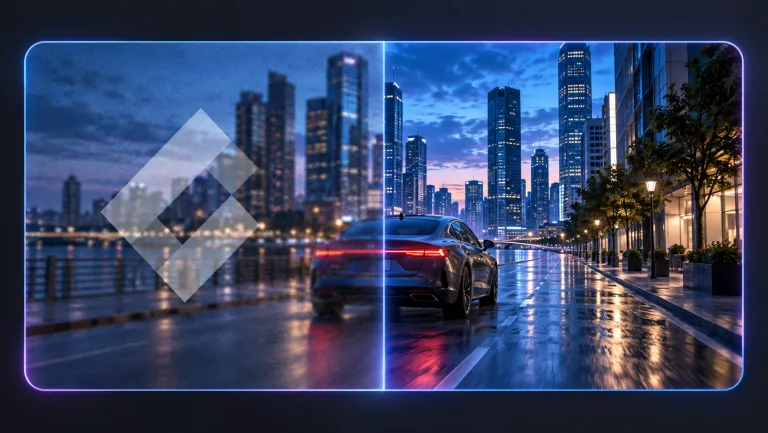
Upload a flat product photo, then request a dimensional look with softer shadows, visible layers, and more depth in the scene.
Expected output
A product image with a dimensional appearance and enhanced depth cues, ready to review for realism and visual appeal.
Portrait to 3D character style
Input
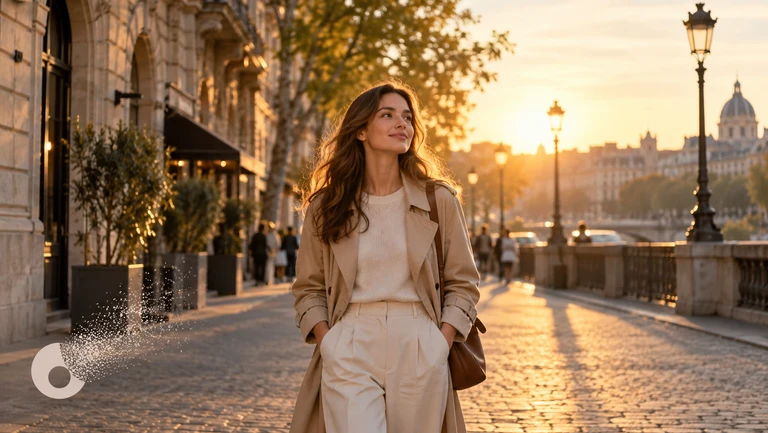
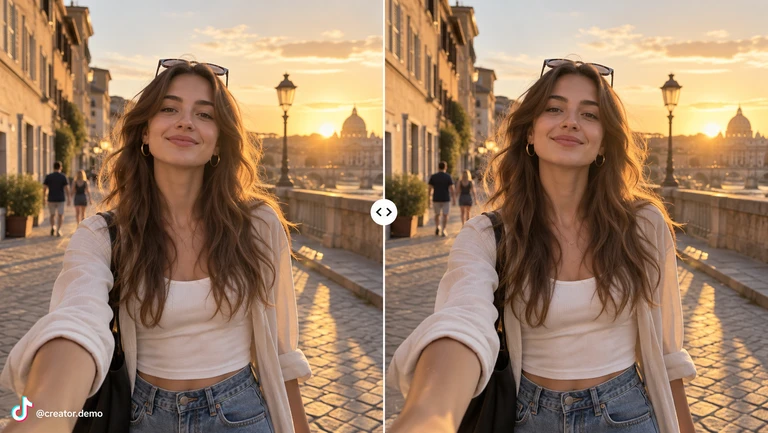
Upload a portrait photo, then request a stylized 3D character look with rounded forms while keeping the person recognizable.
Expected output
A stylized 3D character version of the portrait with simplified shapes, to review for likeness before using as an avatar or illustration.
Landscape with separated layers
Input
Upload a landscape photo, then request visible depth between the hills, trees, and sky layers.
Expected output
A layered landscape version with enhanced separation and depth cues, ready to compare with the original for visual effectiveness.
Transform a flat source image into a visual with dimensional appearance by adding depth cues, layered elements, or stylized 3D treatment, then review the result before use.
Add depth to flat images
Transform a standard 2D photo into a visual with dimensional appearance without shooting in 3D or using complex 3D modeling software.
Explore stylized 3D looks
Apply 3D character styling, product rendering treatments, or layered scene effects to existing photos to match specific visual branding or creative directions.
Review dimensional results
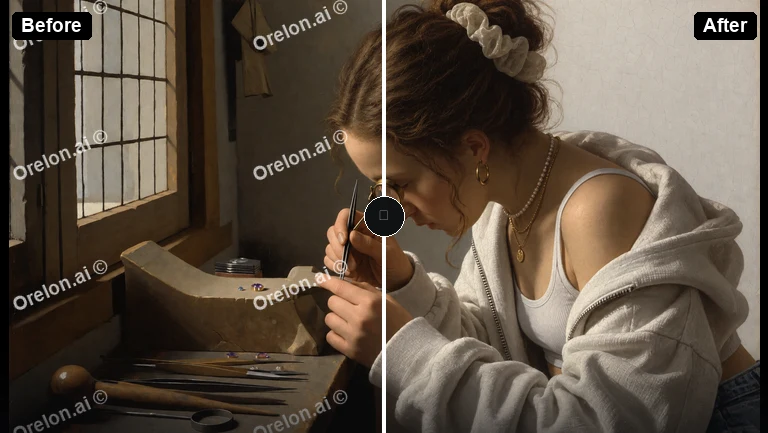
Compare the 3D-treated version with the original to confirm that the depth effect enhances the image without losing important subject details.
How It Works
1
Upload the image you want to refine
Start with an image you have the right to edit.
2
Describe the profile-picture changes you want
Keep the requested edits specific so the intended profile look is clear.
3
Generate, compare, and download
Review the output for likeness, accuracy, and the final profile crop before using it.
Requesting dimensional edits that stay clear
A clear source image and a specific description of the dimensional effect you want help you get useful results without over-processing.
Input Constraints
Only upload images you have permission to edit and use.
Keep the requested changes focused on the profile-picture outcome you need.
Review the final image for likeness and context before sharing it.
Practical Tips
Use a source image with a visible face and enough detail around the subject.
Ask for one or two concrete changes, such as a neutral background or a square crop.
Compare the result with the original image before choosing a version to use.
Privacy
Do not upload personal or sensitive material unless you have permission to use it.
Usage Rights
Confirm that you have the rights needed for the inputs and intended use of the result.
Prompt recipes
Copy a structure, then adjust the subject, lighting, camera, and output details for your own result.
Subtle product depth enhancement
Add subtle 3D depth to this product photo with enhanced shadows, visible edge separation, and a slight sense of volume, keep the overall look realistic and natural.
Enhances product presentation without making it look overly stylized, useful for ecommerce where you want to show dimension while maintaining photographic realism.
Layered landscape depth
Separate this landscape into visible depth layers with the foreground, midground, and background clearly distinguished, add atmospheric perspective and depth haze to distant elements.
Creates a stronger sense of space and scale in landscape photos, making flat scenes feel more immersive for travel or nature content.
3D character avatar style
Transform this portrait into a 3D character style with simplified rounded shapes, smooth surfaces, and cartoon-like dimensional features while keeping the person recognizable.
Creates a distinctive avatar or profile picture style that stands out on social platforms while maintaining enough likeness for recognition.
Architectural depth visualization
Add clear depth and dimensional layering to this building photo with enhanced perspective, visible planes at different depths, and stronger separation between structural elements.
Helps viewers understand the three-dimensional form of architectural subjects, useful for design portfolios or real estate presentations.
Product render style
Transform this product photo into a 3D render style with smooth surfaces, perfect edges, studio-quality depth and lighting, while maintaining the product's recognizable features.
Creates a polished, high-end product presentation that looks like professional 3D rendering without the time and cost of actual 3D modeling.
Pop-out dimensional effect
Apply a pop-out 3D effect where the main subject appears to come forward from the background, add depth separation, slight shadow beneath the subject, keep colors and details intact.
Draws attention to the main subject by creating visual depth that makes it stand out, useful for social media posts or advertising where you want immediate visual impact.
Best use cases
Match the workflow to the input you have and the result you need before opening the generator.
Use case
Best input
Expected result
Tool
Enhanced product presentation
Clear product photo, describe subtle depth enhancement with realistic shadows and edge separation
Product image with enhanced dimensional appearance while maintaining photographic realism
Image to Image with depth and shadow enhancement
3D avatar or character creation
Portrait photo, describe 3D character style with simplified shapes while keeping likeness
Stylized 3D character version suitable for avatars, profiles, or illustration use
Image to Image with 3D character style transformation
Landscape depth enhancement
Landscape or scene photo, describe layer separation and atmospheric depth
Scene with enhanced depth perception through visible layering and atmospheric effects
Image to Image with layer separation and depth haze
Professional 3D render look
Product or architectural photo, describe 3D render style with smooth surfaces and perfect lighting
Image that looks like professional 3D rendering without actual 3D modeling work
Image to Image with 3D render style transformation
Enhanced product presentation
Input: Clear product photo, describe subtle depth enhancement with realistic shadows and edge separation
Result: Product image with enhanced dimensional appearance while maintaining photographic realism
Tool: Image to Image with depth and shadow enhancement
3D avatar or character creation
Input: Portrait photo, describe 3D character style with simplified shapes while keeping likeness
Result: Stylized 3D character version suitable for avatars, profiles, or illustration use
Tool: Image to Image with 3D character style transformation
Landscape depth enhancement
Input: Landscape or scene photo, describe layer separation and atmospheric depth
Result: Scene with enhanced depth perception through visible layering and atmospheric effects
Tool: Image to Image with layer separation and depth haze
Professional 3D render look
Input: Product or architectural photo, describe 3D render style with smooth surfaces and perfect lighting
Result: Image that looks like professional 3D rendering without actual 3D modeling work
Tool: Image to Image with 3D render style transformation
Limitations to know before generating
Adding 3D depth to flat images can create artifacts or unnatural edges in complex scenes—review carefully to ensure the result looks intentional.
Stylized 3D character transformations may change facial features or proportions in unexpected ways—always review for likeness before using as a profile picture.
Depth effects work best on images with clear subject-background separation—busy or cluttered compositions may not produce clean dimensional results.
The tool cannot create true 3D models or multi-angle views—it applies dimensional styling to a single flat image.
Complex lighting or reflections in the source image may not translate well to dimensional treatments—simpler lighting usually produces cleaner results.
AI-generated dimensional effects should be reviewed for realism and appropriateness before use in professional or commercial contexts.
Creative Suite: AI Video Generator & AI Image Generator Tools
Power up your creative workflow with our AI-driven tools. Generate stunning videos, create images, and apply custom adjustments - our AI Video Generator and AI Image Generator offer a complete solution for all your creative needs.