How does an AI image to video animator actually work?
You stay in the animator's chair. The route takes one still image plus a written motion instruction: you load a picture you are allowed to use, spell out what moves and what stays locked, choose the available animation settings, and generate a short clip to review. It replaces keyframes and timelines with sentences, which makes it practical when you want movement for a social post, a portfolio piece, or a teaching visual and do not need frame-by-frame control. If a take comes out wrong, editing the instruction and generating again is the whole revision loop.
AI Image to Video Animator for Still Photos
Pet photo with natural movement
Input
A sharp photo of a dog sitting in a park, with the motion described as ears flapping in a light breeze while the dog holds its pose.
Expected output
A lively short clip where small movements play around a steady subject, keeping the photo's look while adding life.
Rainy street at night
Input
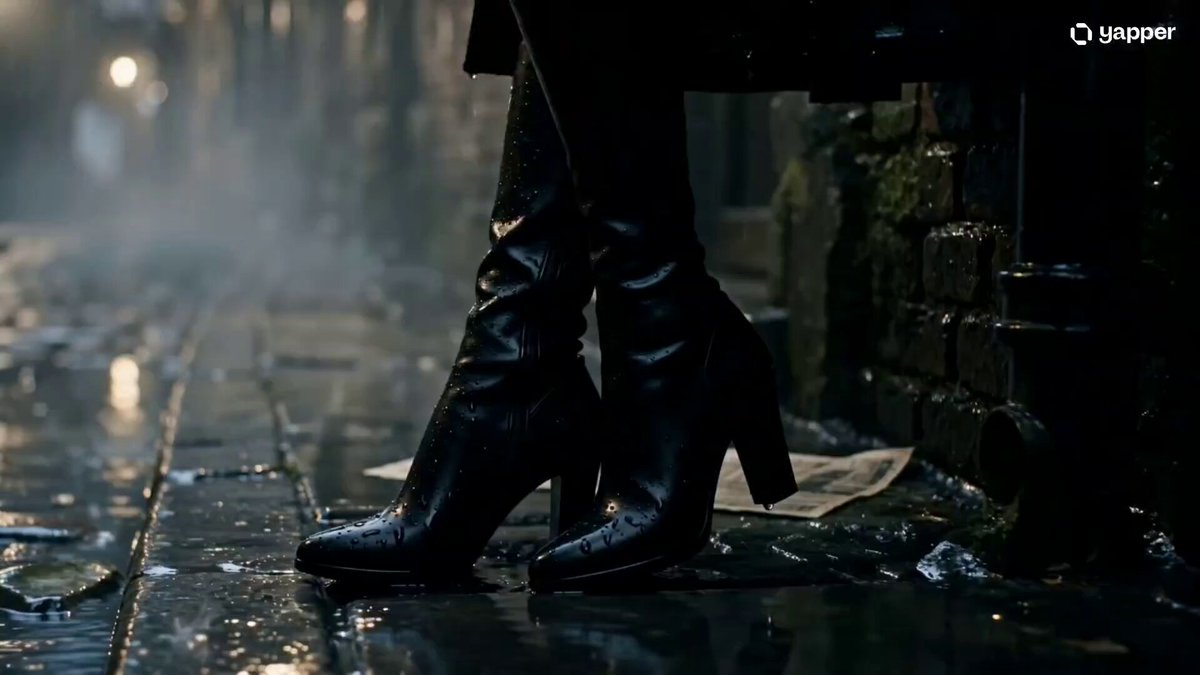
A photo of a city street after rain, with the motion described as neon reflections shimmering on the wet asphalt while a distant train passes as the only large movement.
Expected output
A moody clip in which reflections ripple and one light source travels through an otherwise calm scene.
Watercolor painting that keeps its texture
Input
A watercolor painting of sailboats on a lake, with the motion described as boats bobbing on gentle waves and clouds sliding slowly overhead.
Expected output
A soft animation where the boats and clouds move slightly while the paper texture and paint edges stay recognizable.
Animate a single picture you own by writing how each part should move, then generate and review a short clip of it.
You direct, the machine renders
Motion decisions live in your written instruction rather than in hidden defaults, so the clip follows the picture you brought instead of inventing its own scene.
Layered control over what moves
Splitting the picture into locked and moving parts, like a still horizon with drifting fog, gives results that read as intentional rather than random.
Cheap retries make comparison easy
Because a revision is just a reworded instruction, testing two directions for the same picture, such as a slow pan versus rising steam, costs minutes rather than a re-shoot.
How It Works
1
Provide your image and describe the motion
Provide an image you are allowed to use and describe the motion.
2
Choose the animation settings
Choose the available animation settings.
3
Generate, review, and download
Generate, review, and download a suitable result.
Writing motion instructions that hold up
Treat the instruction like stage direction for one actor at a time, and most first takes come back usable.
Input Constraints
Animate only pictures you own or have permission to use.
Give each generation one primary motion; competing actions pull the clip apart.
Match the described movement to the picture's scale and perspective so the result stays plausible.
Faces, text, and fine patterns warp easily, so either keep them still or expect to review closely.
Practical Tips
Structure the instruction as 'element, direction, speed', for example 'steam rises slowly upward'.
Lock the background first when you want a single subject to move, and say so explicitly.
Use camera language, such as a slow push toward the subject, when nothing inside the frame should move.
Keep a short list of instruction wording that worked for you; reuse patterns that produced clean motion.
Privacy
Do not upload personal or sensitive material unless you have permission to use it.
Usage Rights
Confirm that you have the rights needed for the inputs and intended use of the result.
Prompt recipes
Copy a structure, then adjust the subject, lighting, camera, and output details for your own result.
Layered nature motion
Animate this photo of a [natural scene] in layers: the [foreground object] stays completely still, mid-ground [grass or waves] sways gently, and high clouds drift left to right at a slow, even speed; natural daylight pacing; use it as an opening shot for an outdoor blog post.
Naming each layer and its own behavior prevents the common failure where everything wobbles at once, and the stated output use keeps the pacing calm.
Slow push toward the subject
Animate this photo of a [subject] with no subject movement at all: the camera pushes in very slowly toward the [main detail], background softens slightly as it recedes, even cinematic speed; use the clip as the intro frame of a portfolio page.
Camera-only motion is the safest pattern for portraits of objects and artwork, because nothing in the frame is asked to deform.
Weather pass over a static scene
Animate this photo of a [street or field] by adding weather only: light snow falls evenly across the frame while every building and surface stays fixed, cool muted tones, no camera movement; use it as a seasonal header for a newsletter.
Adding one overlay effect on top of a locked scene gives motion without asking the generator to reinterpret the subject.
Logo card breathing pulse
Animate this simple logo card for a [project]: the card scales up and down almost imperceptibly while the mark and all lettering stay pixel-locked, soft shadow beneath the card shifts slightly, neutral background; use it as a looping placeholder on a coming-soon page.
An almost invisible pulse reads as polish rather than animation, and pinning the lettering keeps the identity legible for a loop-style use.
Diagram comes alive for a lesson
Animate this science diagram of a [process]: the arrows grow from tail to head one at a time in the labeled order while labels, axes, and the background stay exactly as drawn; steady instructional pacing; use the clip inside a slide deck for class.
Sequenced arrow growth teaches order and direction, and locking every label protects the diagram's accuracy during review.
Best use cases
Match the workflow to the input you have and the result you need before opening the generator.
Use case
Best input
Expected result
Tool
Add motion to a photo for a social post
One clear photo of a single subject plus a one-sentence motion instruction with a locked background
A short attention-grabbing clip where the subject or atmosphere moves while the composition stays intact
Image to Video
Animate an artwork for a portfolio or gallery show
A painting or illustration with a clear style, plus idle-motion wording that pins the art technique
A gentle animated version of the piece that keeps brushwork or line art recognizable for display loops
Image to Video
Turn a lesson diagram into a teaching clip
A labeled diagram where the motion instruction sequences the arrows or stages and locks the text
An instructional clip that walks through the process order while keeping every label legible for review
Image to Video
Add motion to a photo for a social post
Input: One clear photo of a single subject plus a one-sentence motion instruction with a locked background
Result: A short attention-grabbing clip where the subject or atmosphere moves while the composition stays intact
Tool: Image to Video
Animate an artwork for a portfolio or gallery show
Input: A painting or illustration with a clear style, plus idle-motion wording that pins the art technique
Result: A gentle animated version of the piece that keeps brushwork or line art recognizable for display loops
Tool: Image to Video
Turn a lesson diagram into a teaching clip
Input: A labeled diagram where the motion instruction sequences the arrows or stages and locks the text
Result: An instructional clip that walks through the process order while keeping every label legible for review
Tool: Image to Video
Limitations to know before generating
The result is an interpretation of your instruction, so wording that feels obvious to you can still produce unexpected motion on the first try.
Thin subjects like fingers, whiskers, and small text are the most common places to see warping, and they deserve the closest review.
The workflow covers one still image and one motion idea at a time; it is not a tool for cutting multi-scene sequences.
Every clip should be watched end to end before publishing, since motion errors often appear only in a few frames.
You remain responsible for permission to use the source picture and for the intended use of the resulting clip.
Creative Suite: AI Video Generator & AI Image Generator Tools
Power up your creative workflow with our AI-driven tools. Generate stunning videos, create images, and apply custom adjustments - our AI Video Generator and AI Image Generator offer a complete solution for all your creative needs.