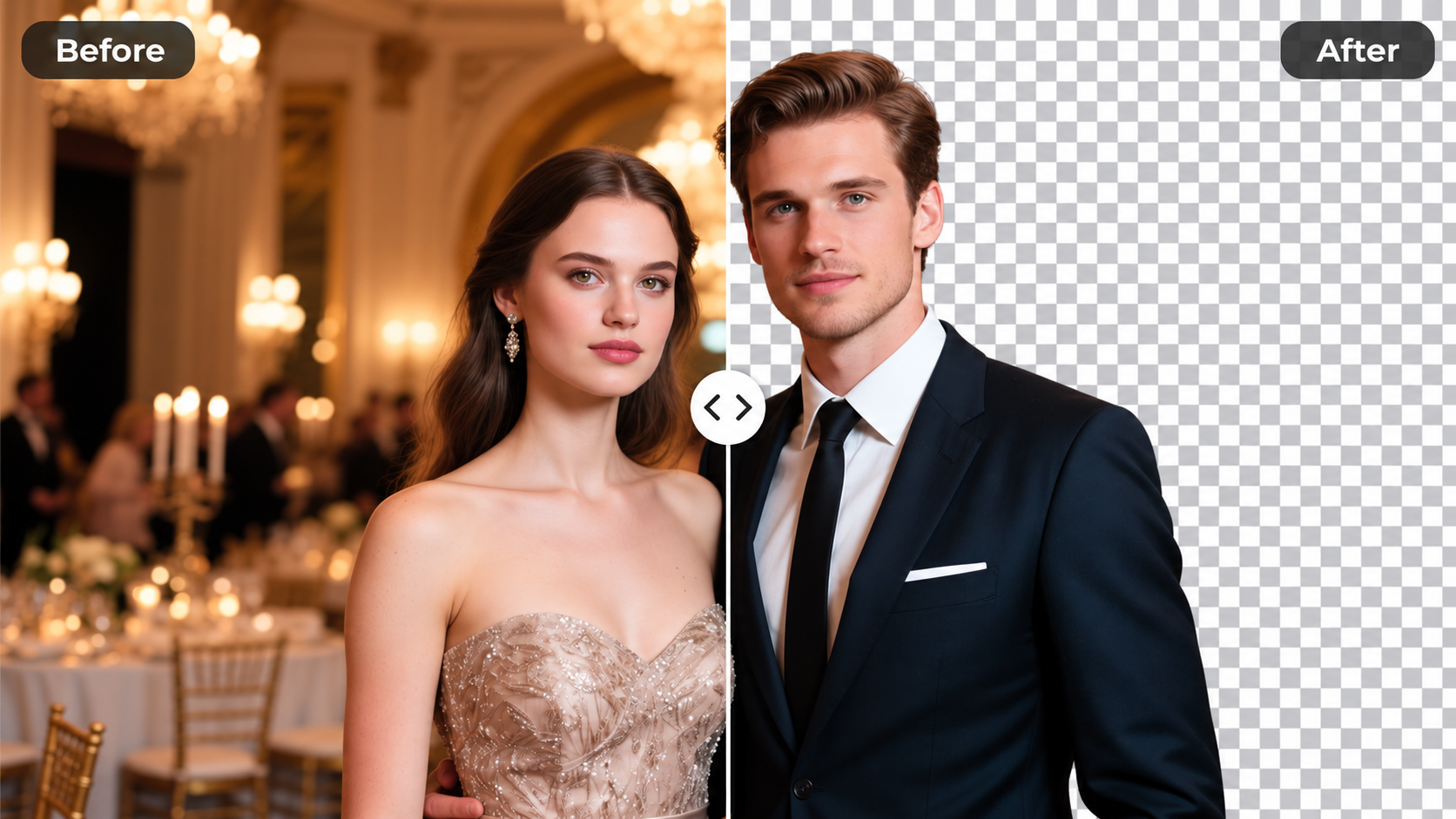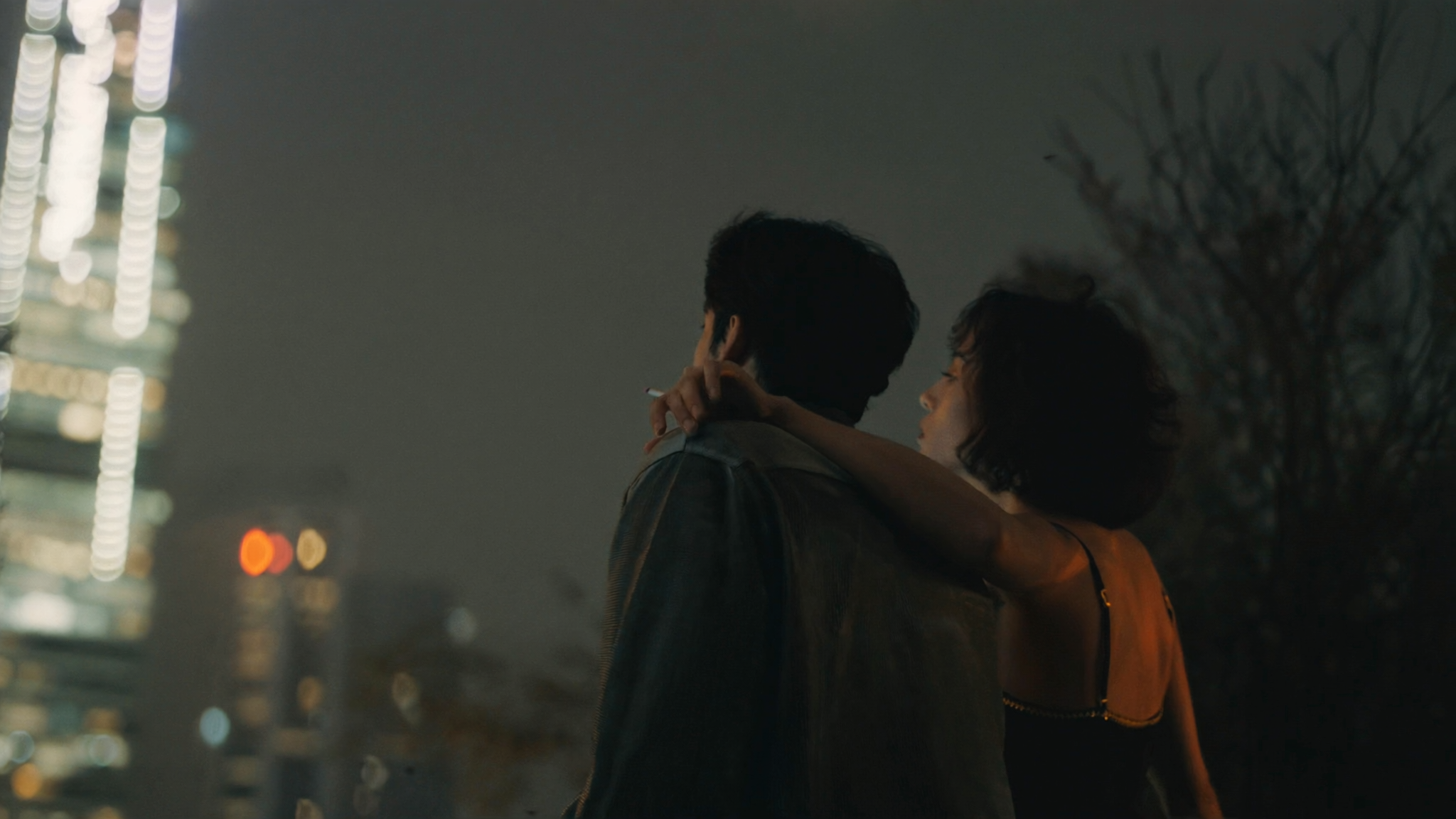
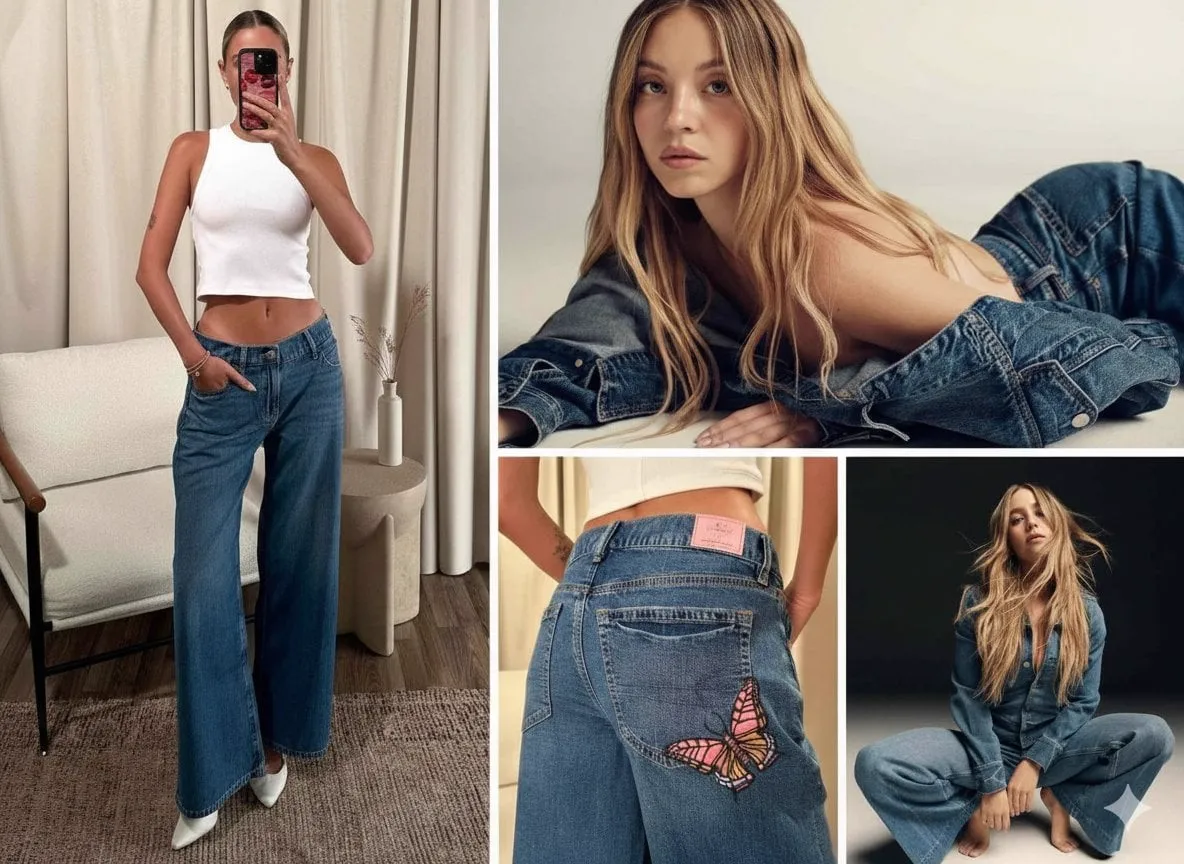
Too vague prompt
Input
A nice landscape
Expected output
A generic and unclear result because the prompt lacks subject details, setting, time of day, colors, and style direction
Use ai art generator fails to learn why AI art fails happen and how to prevent them. Understand common prompt mistakes and improve your generation success rate.
Loading...
AI art fails typically result from vague prompts, conflicting instructions, missing visual details, or unrealistic expectations. Common issues include distorted anatomy, nonsensical compositions, blurry or incoherent elements, and images that don't match the intent. Understanding these failure patterns helps you write prompts that produce usable results.
Input
A nice landscape
Expected output
A generic and unclear result because the prompt lacks subject details, setting, time of day, colors, and style direction
Input
A dog sitting in a park
Expected output
An improved version with a clear subject and setting, but may still lack composition, lighting, and style controls for a polished result
Input
A futuristic robot in a city with flying cars and neon lights and people walking and a blue sky and rain and reflections on the ground and a dog nearby
Expected output
A crowded scene where too many elements compete, resulting in reduced clarity on the main subject and composition
Understanding what causes poor results helps you write prompts that produce usable images on the first attempt.
Learn prompt techniques that reduce the number of failed generations, making the process more efficient.
Understand the limitations of text-to-image generation so you know what inputs produce reliable, useful results.
Describe the desired image.
Choose the available generation settings.
Generate, review, and download a suitable result.
Structure and specificity are the keys to reliable results.
Copy a structure, then adjust the subject, lighting, camera, and output details for your own result.
A red fox standing in a snowy forest clearing, afternoon sunlight, realistic wildlife photography style
Names one clear subject with color, location, time of day, and photographic style without competing elements
A medieval stone bridge over a river, autumn trees on both banks, overcast sky, muted color palette, wide landscape view
Establishes foreground subject, surrounding context, weather, color treatment, and camera perspective in a logical order
A minimalist line drawing of a coffee cup on a table, single continuous line, black ink on white paper
Leads with the art style, then describes a simple subject and execution method, keeping the prompt focused
A person reading a book in a dark room, single desk lamp illuminating the pages, warm pool of light, everything else in shadow, cinematic mood lighting
Centers the entire image around the lighting setup, with the subject and environment supporting that visual concept
A cyberpunk street at night with neon signs reflected in wet pavement, one main figure walking toward camera
Takes a complex genre and focuses on two key elements: the neon-lit environment and a single subject, avoiding clutter
Match the workflow to the input you have and the result you need before opening the generator.
Input: Remove half the prompt elements and generate again to isolate the problem
Result: Identify which part of the prompt caused distortion or nonsense
Tool: Text to Image with simplified, test-focused prompts
Input: Single simple subject with only the style keyword added
Result: Clean demonstration of how the style applies without complex scene interference
Tool: Text to Image with minimal subject plus style term
Input: Start with subject only, then add setting, then lighting, then style in separate tests
Result: Understand how each prompt component affects the final image
Tool: Text to Image with incremental prompt building
Input: Identify what went wrong, simplify to core idea, add back only essential details
Result: Usable image after removing the elements that caused the failure
Tool: Text to Image with revised, focused prompt
Power up your creative workflow with our AI-driven tools. Generate stunning videos, create images, and apply custom adjustments - our AI Video Generator and AI Image Generator offer a complete solution for all your creative needs.
Choose the credit package that works best for you.
No hidden fees • Cancel anytime • Unused credits roll over
Perfect for trying out AI creation.
Credits
2,400 credits per year
$59.99/year billed yearly
You save $60 · the equivalent of 6 months free
What's included
Perfect for light creators.
Credits
6,000 credits per year
$119.99/year billed yearly
You save $120 · the equivalent of 6 months free
What's included
Best value for creators.
Credits
14,400 credits per year
$399.99/year billed yearly.
Save $80 compared to monthly
What's included
For video creators and power users.
Credits
60,000 credits per year
$999.99/year billed yearly.
Save $200 compared to monthly
What's included
Questions? Contact us at support@domer.io
Open the tool and apply these tips for more consistent results.