Limited Time Offer: Get 50% OFF Starter & Basic Yearly Plans 🎉
AI art generator writing visuals from text
Use ai art generator writing to describe scenes from your manuscript and generate images to match your story. Visual drafts for writers, no design skill.
Describe a scene from your story in a text prompt — setting, characters, lighting, mood — and the generator produces a visual that matches. You can use the image as a reference while writing, share it with collaborators, or test visual directions for a cover or pitch. Review the result and adjust the prompt to refine the scene. It is a text-to-image workflow that helps writers visualize their narrative without needing design software or illustration skill.
AI art generator writing visuals from text
Visualize a story scene
Input
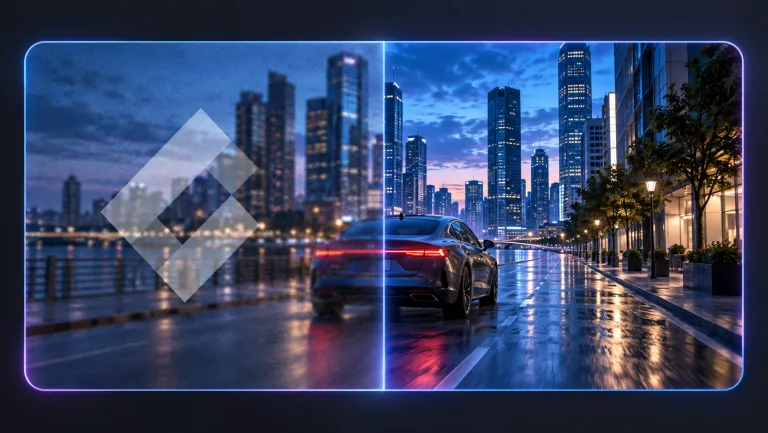
A rainy city street at night, neon reflections on wet asphalt, a lone figure with an umbrella walking toward a lit diner
Expected output
A moody night scene with neon reflections, a central figure, and a warm diner glow in the background
Character concept from a draft
Input
A retired lighthouse keeper in her sixties, wearing a patched wool coat, holding a brass telescope, standing on a stormy clifftop
Expected output
A character-focused image with a weathered coat, a brass telescope, and a dramatic stormy sky
Cover art idea
Input
A cozy mystery novel cover: a teapot, stacked letters, and a cat on a windowsill in soft afternoon light
Expected output
A clean book-cover-style composition with the teapot, letters, and cat in warm afternoon light
Turn a written scene or story moment into a matching visual for drafts, pitches, or covers
See scenes while you write
Turn a paragraph into a visual reference so settings and characters stay consistent across your draft.
Share ideas faster
Send a concrete image instead of a long description when you pitch a scene or storyboard.
Test visual directions
Generate several variations of the same scene to compare mood, palette, and composition.
How It Works
1
Describe the image
Describe the desired image.
2
Choose settings
Choose the available generation settings.
3
Generate and review
Generate, review, and download a suitable result.
Writing-Focused Prompt Tips
Describe the scene the way you would set it in a story: setting, subject, light, and mood.
Input Constraints
Describe only material you are allowed to use
Keep real people and personal details out of prompts unless you have permission
Avoid naming real products, logos, or protected characters
Review each result before using it in a publication
Practical Tips
Lead with the setting, then the subject, then the mood
Mention light and time of day to set the atmosphere
Keep camera-style detail short: angle, depth, and palette are enough
Privacy
Do not upload personal or sensitive material unless you have permission to use it.
Usage Rights
Confirm that you have the rights needed for the inputs and intended use of the result.
Prompt recipes
Copy a structure, then adjust the subject, lighting, camera, and output details for your own result.
Opening scene for a mystery novel
A Victorian study at night, fireplace crackling, leather armchair, scattered papers on a desk, warm amber light, cozy but suspenseful mood
Detailed setting, named light source, and mood keywords create atmosphere that supports the genre.
Character introduction for fantasy
A young blacksmith in leather apron, standing in a forge with glowing embers, soot on face, determined expression, medieval fantasy setting
Character description, setting, and expression keywords deliver a narrative-driven portrait.
Climactic scene in a sci-fi thriller
A spaceship control room in chaos, red emergency lights, sparks flying from consoles, crew in zero gravity, tense cinematic mood
Action setting, specific lighting, and tension keywords create a high-stakes visual moment.
Romantic scene for a historical novel
A couple standing on a moonlit garden balcony, 19th century clothing, soft silver light, roses climbing the stone wall, intimate mood
Period details, lighting, and mood keywords evoke the genre and emotional tone.
Book cover concept for a thriller
A foggy forest path at dusk, single figure walking away from camera, muted blue and gray tones, sense of isolation and suspense
Cover-focused composition, mood palette, and genre-appropriate setting create a marketable visual.
Best use cases
Match the workflow to the input you have and the result you need before opening the generator.
Use case
Best input
Expected result
Tool
Visual reference while drafting
Scene description with setting, lighting, and mood
A visual that helps you keep setting and tone consistent
Text to Image with narrative and atmosphere keywords
Character design for a series
Character description with costume, pose, and setting
A reference image for the character across books
Text to Image with character and genre keywords
Pitch visual for agents or publishers
Key scene or cover concept with composition and mood
A polished image that conveys the book's tone
Text to Image with cinematic and genre keywords
Social media teaser or promotion
Evocative scene or character with bold colors and composition
An eye-catching shareable image
Text to Image with social and visual impact keywords
Visual reference while drafting
Input: Scene description with setting, lighting, and mood
Result: A visual that helps you keep setting and tone consistent
Tool: Text to Image with narrative and atmosphere keywords
Character design for a series
Input: Character description with costume, pose, and setting
Result: A reference image for the character across books
Tool: Text to Image with character and genre keywords
Pitch visual for agents or publishers
Input: Key scene or cover concept with composition and mood
Result: A polished image that conveys the book's tone
Tool: Text to Image with cinematic and genre keywords
Social media teaser or promotion
Input: Evocative scene or character with bold colors and composition
Result: An eye-catching shareable image
Tool: Text to Image with social and visual impact keywords
Limitations to know before generating
Generated images may not match every detail in your written scene, especially fine facial features or specific objects
Results vary with prompt wording; small changes can produce different outputs
The tool interprets your description but does not guarantee exact visual accuracy
Avoid using names or likenesses of real people, protected characters, or trademarked products
Review each image for quality and suitability before using it in a publication or pitch
Creative Suite: AI Video Generator & AI Image Generator Tools
Power up your creative workflow with our AI-driven tools. Generate stunning videos, create images, and apply custom adjustments - our AI Video Generator and AI Image Generator offer a complete solution for all your creative needs.