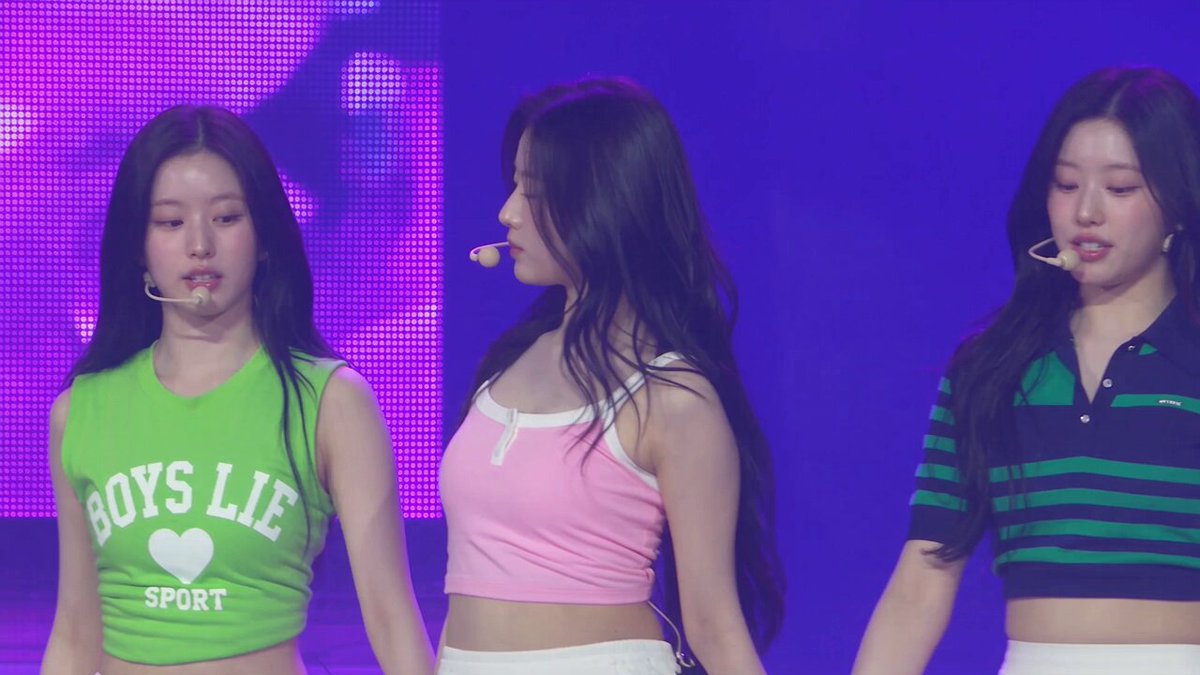
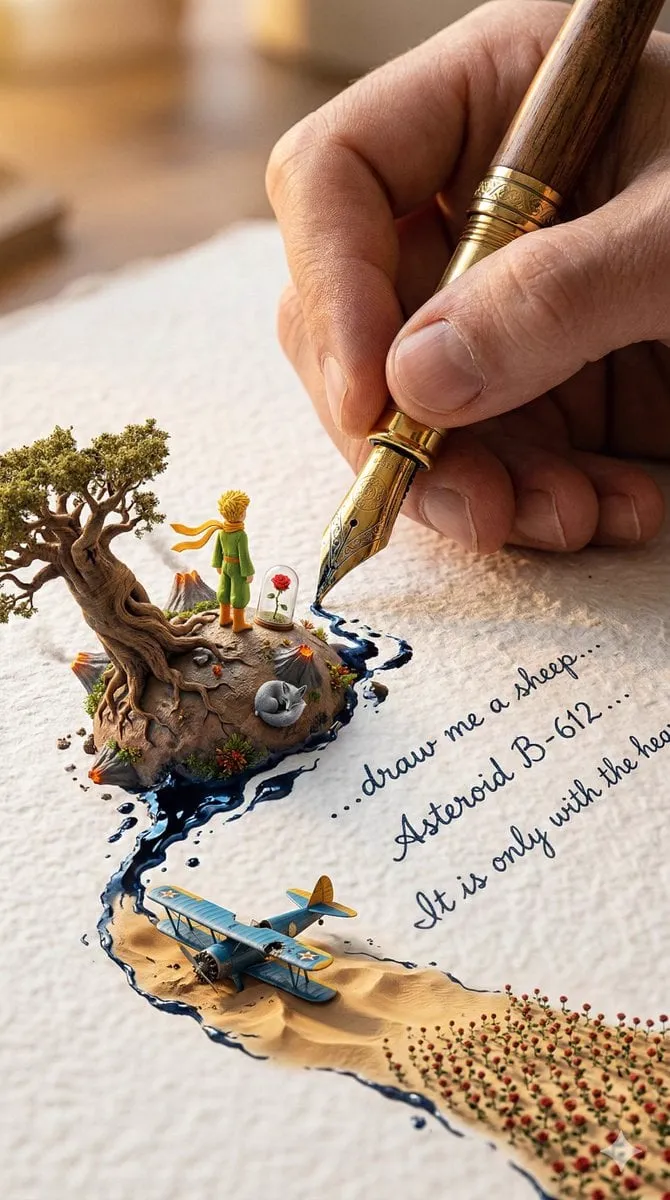
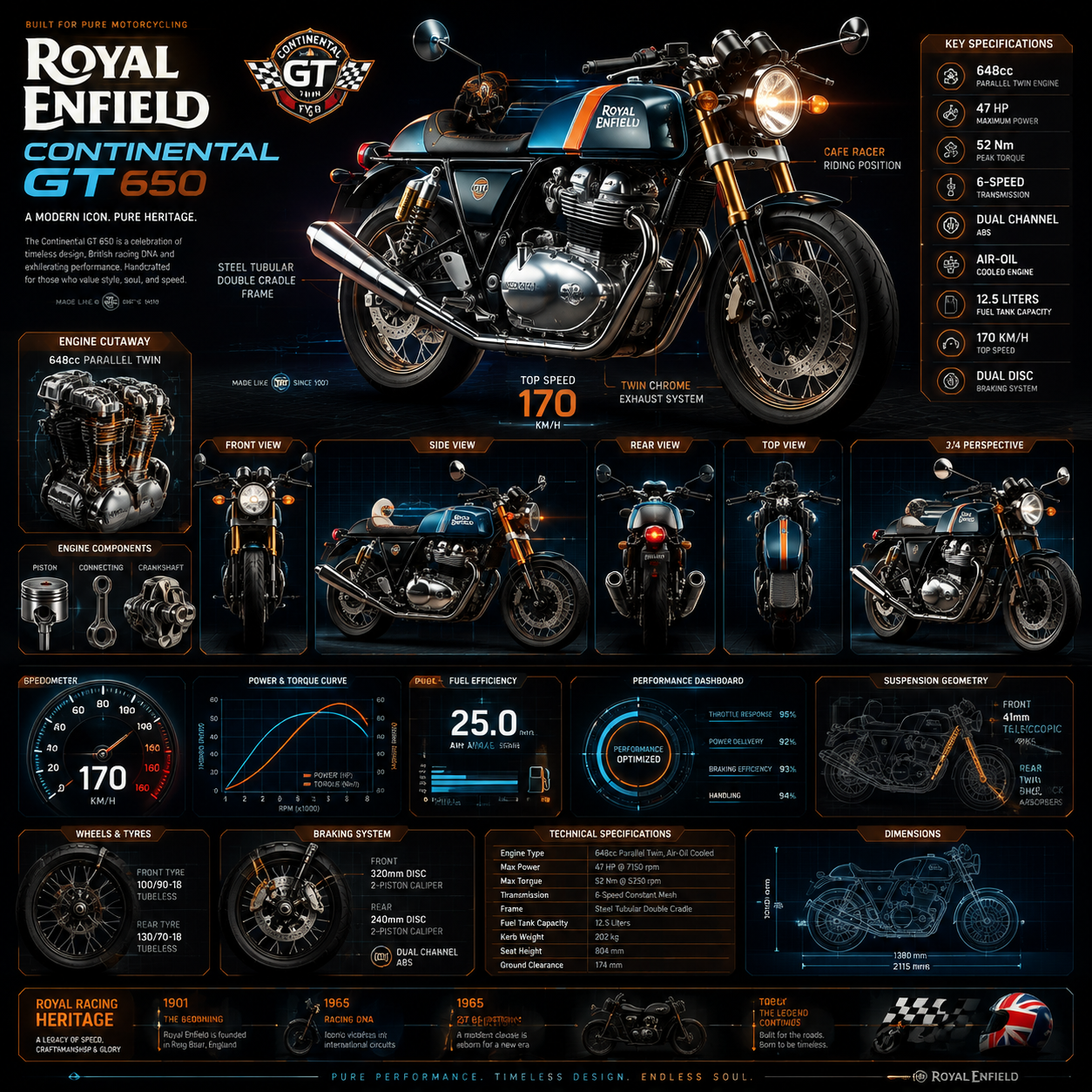
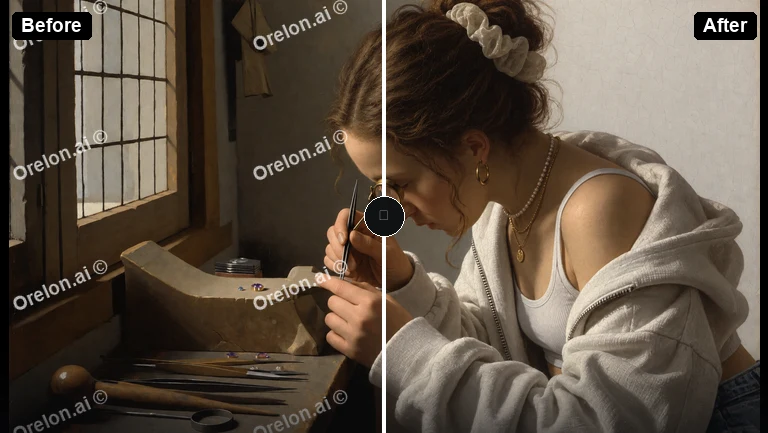
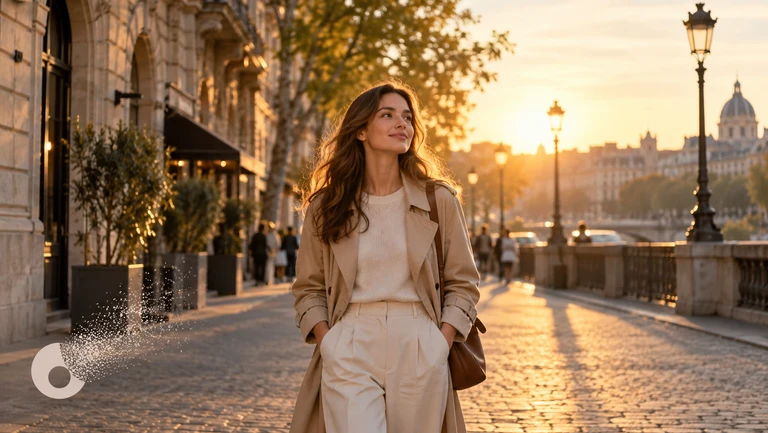
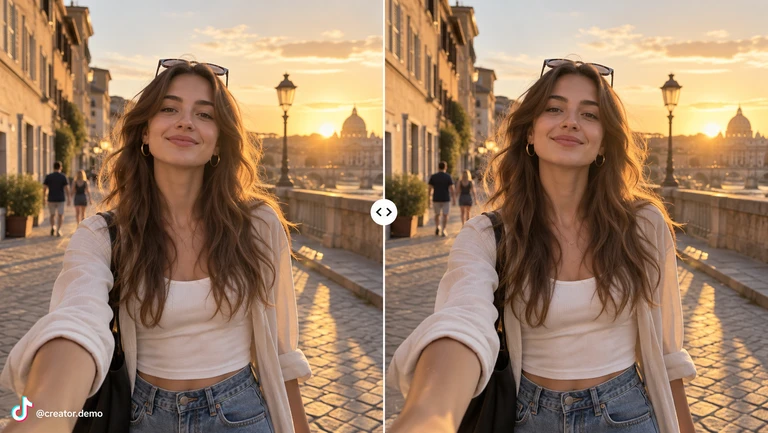
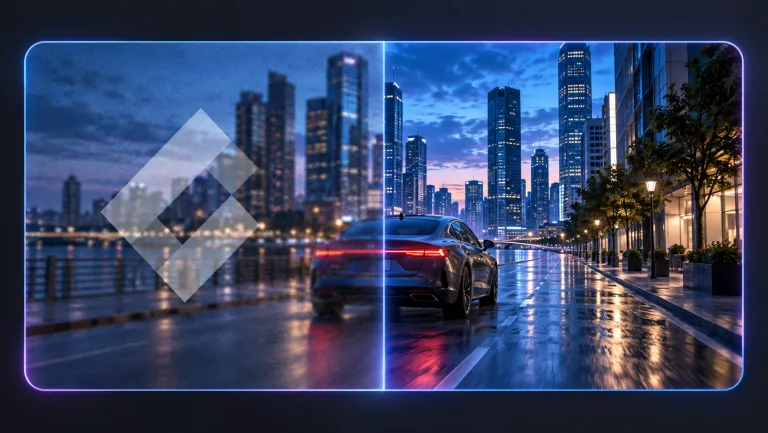
An AI cinematic photo generator turns text descriptions into film-style images with dramatic lighting, strong composition, and narrative depth. Describe the mood, framing, and lighting, and the tool generates a cinematic image you can review and refine for storytelling projects, storyboards, or visual references.
AI Cinematic Photo Generator
Film Noir Street
Input
A rain-soaked alley at night with a single streetlamp casting long shadows, a lone figure in a trench coat walking away
Expected output
A moody cinematic scene with dramatic lighting, rain reflections, and a central figure in noir style
Epic Landscape Shot
Input
A lone tree on a hilltop under a dramatic storm sky with lightning in the distance and golden light breaking through clouds
Expected output
A cinematic landscape with strong contrast between the dark sky and the illuminated tree and hill
Character Close-Up
Input
Close-up portrait of a weathered face illuminated by candlelight, dark background, shallow depth of field
Expected output
A cinematic character portrait with warm candlelight, deep shadows, and a blurred background
Create dramatic, film-quality images from text descriptions for visual storytelling, storyboards, and mood boards
Storytelling Visuals
Create dramatic scenes with cinematic composition and lighting for narrative projects.
Previsualization Tool
Describe a scene you plan to shoot and generate a visual reference for framing and mood.
Mood and Atmosphere Control
Specify lighting, weather, and color grading through your text prompt.
How It Works
1
Step 1: Describe
Describe the desired image.
2
Step 2: Configure
Choose the available generation settings.
3
Step 3: Create
Generate, review, and download a suitable result.
Tips for Cinematic Prompts
How to get film-like results from your prompts.
Input Constraints
Results are generated images, not actual photographs.
Cinematic style depends on prompt detail and available settings.
Review outputs before using them in production contexts.
Practical Tips
Use film terminology like 'low angle', 'dutch angle', or 'wide shot'.
Describe lighting sources, direction, and quality.
Include mood descriptors like 'tense', 'dreamy', or 'dramatic'.
Privacy
Do not upload personal or sensitive material unless you have permission to use it.
Usage Rights
Confirm that you have the rights needed for the inputs and intended use of the result.
Prompt recipes
Copy a structure, then adjust the subject, lighting, camera, and output details for your own result.
Noir street scene with lone figure
A narrow rain-soaked alley at night, single streetlamp casting hard shadows on wet cobblestones, a lone figure in a trench coat walking away from the camera, mist rising from the ground, dramatic noir lighting
Names the location, lighting source, character position, and atmosphere to create a classic noir mood with strong visual contrast.
Golden-hour hero portrait in wide frame
Wide shot of a person standing on a cliff edge at sunset, golden light from behind creating a rim-lit silhouette, dramatic sky with warm oranges and deep purples, cinematic 2.35:1 aspect ratio feel
Specifies the framing, lighting direction, color palette, and widescreen composition for an epic hero moment.
Intimate close-up with shallow depth
Extreme close-up of a woman's face lit by a single candle in a dark room, soft warm glow on her skin, eyes reflecting the flame, background completely out of focus, shallow depth of field
Tight framing, single light source, and explicit depth-of-field direction create emotional intimacy and cinematic focus.
Action scene with motion blur
Low-angle shot of a runner sprinting through a foggy forest at dawn, motion blur on the background trees, sharp focus on the runner's face, dramatic side lighting cutting through the mist
Camera angle, motion treatment, selective focus, and lighting direction combine to create dynamic cinematic action.
Suspense interior with hard shadows
A dimly lit empty hallway with a single door slightly open at the end, harsh light spilling through the crack, long shadows stretching across the floor, tense atmosphere, high contrast
Sets up visual tension through lighting contrast, compositional leading lines, and explicit mood direction for suspenseful storytelling.
Best use cases
Match the workflow to the input you have and the result you need before opening the generator.
Use case
Best input
Expected result
Tool
Storyboard a film scene before shooting
Detailed shot description with camera angle, lighting, and character position
A visual reference showing composition and mood for the planned shot
Text to Image with cinematic keywords
Create mood boards for a video project
Atmospheric descriptions with color palette and lighting style
A collection of images establishing the visual tone and feel
Text to Image with mood and style terms
Design a poster or marketing visual
Hero composition with dramatic framing and strong visual focus
A striking image suitable for promotional use after review
Text to Image with composition and lighting direction
Explore scene ideas for a script
Scene setting with time of day, weather, and narrative context
Visual concepts that help refine the story and setting
Text to Image with narrative and environmental details
Storyboard a film scene before shooting
Input: Detailed shot description with camera angle, lighting, and character position
Result: A visual reference showing composition and mood for the planned shot
Tool: Text to Image with cinematic keywords
Create mood boards for a video project
Input: Atmospheric descriptions with color palette and lighting style
Result: A collection of images establishing the visual tone and feel
Tool: Text to Image with mood and style terms
Design a poster or marketing visual
Input: Hero composition with dramatic framing and strong visual focus
Result: A striking image suitable for promotional use after review
Tool: Text to Image with composition and lighting direction
Explore scene ideas for a script
Input: Scene setting with time of day, weather, and narrative context
Result: Visual concepts that help refine the story and setting
Tool: Text to Image with narrative and environmental details
Limitations to know before generating
Generated images are AI interpretations, not photographs of real scenes.
Cinematic quality depends on how clearly you describe lighting, framing, and mood.
Complex camera movements or specific lens effects may not render as expected.
Review all outputs for composition and lighting accuracy before using them in production.
Results should be treated as concept art or reference, not final deliverables without review.
Creative Suite: AI Video Generator & AI Image Generator Tools
Power up your creative workflow with our AI-driven tools. Generate stunning videos, create images, and apply custom adjustments - our AI Video Generator and AI Image Generator offer a complete solution for all your creative needs.