An AI color image generator creates images based on the color palette you describe in your prompt. Name specific colors, describe their placement, and control the mood through terms like warm tones, pastel, or neon accents to guide the output.
AI Color Image Generator — Describe Your Palette
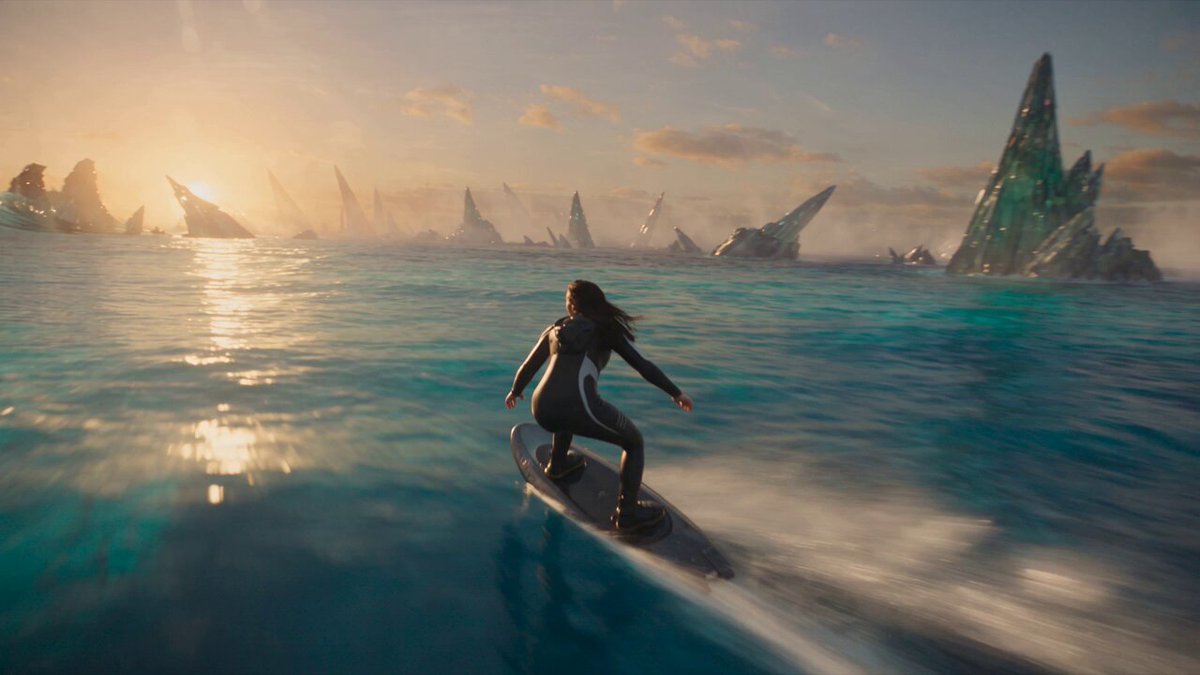
Warm sunset palette scene
Input
A beach shoreline at sunset with orange, pink, and purple sky, gentle waves reflecting the warm colors, silhouetted palm trees
Expected output
A warm-toned beach scene with gradient sky colors, reflective water surface showing the sunset hues, dark palm silhouettes
Monochromatic blue composition
Input
An underwater cave interior with light streaming from above, all in shades of blue and teal, coral formations, rays of light in the water
Expected output
A monochromatic underwater scene with layered blue tones, visible light beams, and textured coral shapes in varying blue shades
Neon cyberpunk color scheme
Input
A futuristic city street at night with bright neon pink, cyan, and purple signs, rain-slicked pavement reflecting the colored lights
Expected output
A high-contrast night scene with vibrant neon colors on dark surfaces, colored reflections on wet ground, glowing signage
Generate images with specific color palettes described in plain language
Control colors through descriptive prompts
Specify the exact color palette you want by naming colors and describing their relationship in the scene.
Explore how palettes change visual mood
Keep the same subject and description but change the color terms to see dramatically different results.
Generate color-specific visuals for projects
Create images that match a brand color scheme, design palette, or specific visual mood through color-focused prompts.
How It Works
1
Describe the desired image
Describe the desired image.
2
Choose the available generation settings
Choose the available generation settings.
3
Generate, review, and download
Generate, review, and download a suitable result.
Working with color in prompts
Color names and relationships guide the output palette.
Input Constraints
Avoid specifying exact hex codes as they may not be interpreted literally.
Do not include personal information in your prompts.
Practical Tips
Use color relationships like complementary, monochromatic, or warm tones.
Name 2-4 specific colors that should dominate the image.
Describe where each color appears such as sky gradient from pink to orange.
Mention the overall mood the colors should convey.
Privacy
Do not upload personal or sensitive material unless you have permission to use it.
Usage Rights
Confirm that you have the rights needed for the inputs and intended use of the result.
Prompt recipes
Copy a structure, then adjust the subject, lighting, camera, and output details for your own result.
Brand-matched product scene
A minimal product photo with brand colors: soft coral pink background, white product in center, sage green accent leaves, clean shadows
Names exact brand colors and their placement, creating a cohesive visual that matches existing brand materials.
Complementary color portrait
A portrait with complementary colors: subject wearing deep orange clothing against a rich teal background, warm skin tones, golden hour lighting
Uses color theory terms and specifies complementary pairing for visual tension and professional color balance.
Monochromatic mood study
A monochromatic forest scene in greens: dark emerald shadows, bright lime sunlight, sage foliage, olive ground cover, peaceful mood
Constrains the entire palette to one color family while naming distinct shades for depth and visual interest.
Warm analog color palette
A cozy interior with warm analog colors: burnt orange walls, mustard yellow cushions, cream furniture, terracotta accents, film photography look
Evokes a specific color era and mood through named warm tones that feel cohesive and intentional.
High-contrast split palette
An architectural scene split between warm and cool: left side in warm sunset golds and oranges, right side in cool blue shadows and grays
Divides the composition by temperature for dramatic contrast while giving clear spatial color assignments.
Best use cases
Match the workflow to the input you have and the result you need before opening the generator.
Use case
Best input
Expected result
Tool
Brand visual consistency
Brand color names and placement description
Marketing visuals matching your brand palette
Text to Image
Mood board exploration
Color relationships and emotional tone
Concept images showing different palette directions
Text to Image
Product photography concept
Product description with background colors
Product scene with controlled color harmony
Text to Image
Editorial illustration
Subject with specific color temperature or saturation
Illustration matching editorial color direction
Text to Image
Brand visual consistency
Input: Brand color names and placement description
Result: Marketing visuals matching your brand palette
Tool: Text to Image
Mood board exploration
Input: Color relationships and emotional tone
Result: Concept images showing different palette directions
Tool: Text to Image
Product photography concept
Input: Product description with background colors
Result: Product scene with controlled color harmony
Tool: Text to Image
Editorial illustration
Input: Subject with specific color temperature or saturation
Result: Illustration matching editorial color direction
Tool: Text to Image
Limitations to know before generating
Exact hex codes may not translate literally; use descriptive color names instead.
Subtle color distinctions like slight tint shifts may not appear consistently.
Complex multi-color gradients can be approximated but may vary from your precise vision.
Generated colors may shift slightly depending on other prompt elements like lighting or style.
Creative Suite: AI Video Generator & AI Image Generator Tools
Power up your creative workflow with our AI-driven tools. Generate stunning videos, create images, and apply custom adjustments - our AI Video Generator and AI Image Generator offer a complete solution for all your creative needs.