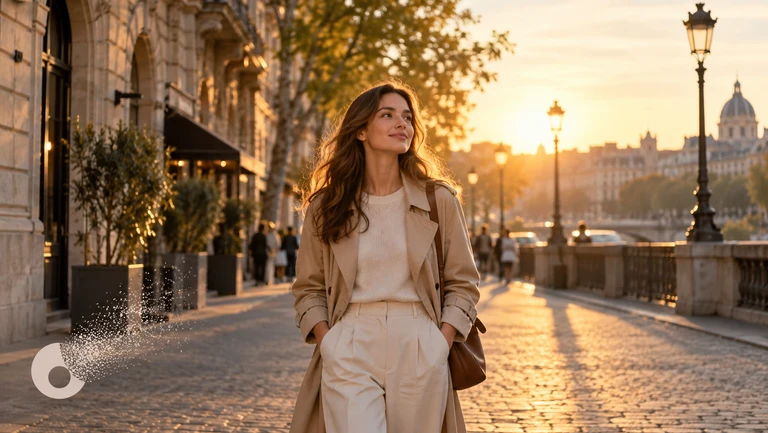
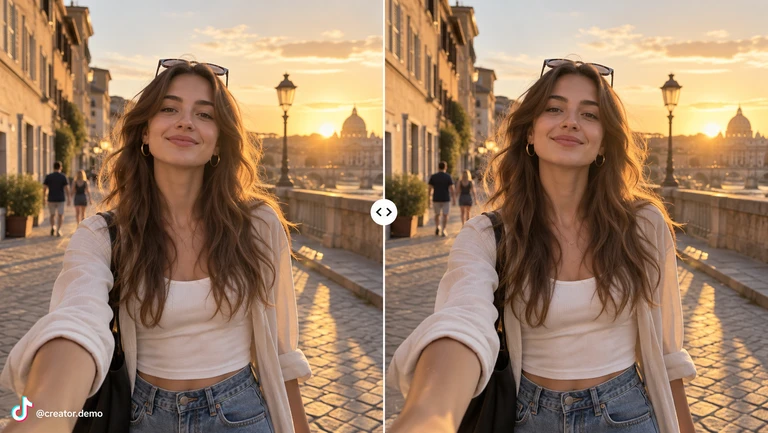
AI image generator commands are the prompt-writing techniques you use to guide a text-to-image tool. By structuring your description with subject, style, lighting, and composition cues, you get more useful and predictable results.
AI Image Generator Commands
Structured prompt example
Input
A serene Japanese garden with a koi pond, red maple leaves, traditional wooden bridge, soft morning mist, detailed zen aesthetic, golden hour lighting
Expected output
A detailed Japanese garden scene generated from a structured prompt
Parameter-based prompt
Input
Portrait of a cyberpunk character with neon pink hair, dramatic side lighting, urban night background, shallow depth of field, cinematic color grading
Expected output
A cinematic cyberpunk portrait with controlled lighting effects
Style-specifying prompt
Input
An oil painting of a Mediterranean coastal village, impasto technique, warm terracotta colors, blue sea, impressionist style, textured canvas effect
Expected output
An impressionist-style oil painting of a coastal village
Learn how to structure text prompts to get better results from a text-to-image tool.
Master prompt techniques
Learn how to structure prompts for specific visual outcomes
Control visual parameters
Use descriptive keywords to control style, lighting, composition, and mood
Refine generation results
Adjust and iterate prompt language for improved outputs
How It Works
1
Step 1
Describe the desired image.
2
Step 2
Choose the available generation settings.
3
Step 3
Generate, review, and download a suitable result.
Writing effective image prompts
Structure your prompts for better results.
Input Constraints
Focus on prompt structure and technique rather than claiming model capabilities
Describe how to control visual elements through language
Encourage experimentation and iteration
Practical Tips
Start with the main subject, then layer in style, setting, and mood
Use specific visual terminology for precise control
Reference art styles and techniques for aesthetic direction
Privacy
Do not upload personal or sensitive material unless you have permission to use it.
Usage Rights
Confirm that you have the rights needed for the inputs and intended use of the result.
Prompt recipes
Copy a structure, then adjust the subject, lighting, camera, and output details for your own result.
Subject-First Structure
A red fox, sitting in snow-covered forest, winter morning light, soft focus background, wildlife photography style.
Starting with the subject, then adding setting and style in order, helps the tool prioritize what matters most.
Layered Detail Approach
Portrait of an elderly woman. Deep wrinkles. Warm smile. Natural window light. Black and white photography. High contrast.
Breaking details into short phrases gives each element equal weight and prevents one descriptor from dominating.
Style-Driven Prompt
Vaporwave aesthetic: a retro computer setup with pink and cyan lighting, palm trees in background, grid floor, 1980s nostalgia.
Leading with the style cue sets the visual tone before the tool processes the scene description.
Lighting and Mood Focus
A lonely streetlight on an empty road at night, fog rolling in, cool blue tones, cinematic atmosphere, long exposure effect.
Emphasizing lighting and mood before subject details produces atmospheric, emotion-driven results.
Technical Photography Language
Macro shot of a water droplet on a green leaf, shallow depth of field, 100mm lens perspective, soft natural light, bokeh background.
Using camera and lens terminology guides the tool toward realistic photographic composition and focus.
Best use cases
Match the workflow to the input you have and the result you need before opening the generator.
Use case
Best input
Expected result
Tool
Learning prompt syntax
Start with simple subject-style-setting structure and add layers
Predictable results that respond clearly to each added detail
Text to Image
Controlling specific visual styles
Lead with style cue, then describe subject and composition
Images that match the requested aesthetic or artistic movement
Text to Image
Refining and iterating results
Adjust one prompt element at a time and compare outputs
Clear understanding of which words drive which visual changes
Text to Image
Reproducing photography techniques
Use camera, lens, and lighting terminology in prompts
Realistic photographic effects like bokeh, shallow focus, or long exposure
Text to Image
Learning prompt syntax
Input: Start with simple subject-style-setting structure and add layers
Result: Predictable results that respond clearly to each added detail
Tool: Text to Image
Controlling specific visual styles
Input: Lead with style cue, then describe subject and composition
Result: Images that match the requested aesthetic or artistic movement
Tool: Text to Image
Refining and iterating results
Input: Adjust one prompt element at a time and compare outputs
Result: Clear understanding of which words drive which visual changes
Tool: Text to Image
Reproducing photography techniques
Input: Use camera, lens, and lighting terminology in prompts
Result: Realistic photographic effects like bokeh, shallow focus, or long exposure
Tool: Text to Image
Limitations to know before generating
Prompt techniques improve consistency but do not guarantee identical results across generations.
Different tools may interpret the same prompt differently; these techniques are general guidance, not tool-specific commands.
Overly complex prompts with many conflicting cues can produce unpredictable results; simplicity often works better.
The tool does not understand natural language perfectly; experiment to learn which phrases work best.
Confirm that you have the rights needed for your inputs and intended use before publishing generated images.
Creative Suite: AI Video Generator & AI Image Generator Tools
Power up your creative workflow with our AI-driven tools. Generate stunning videos, create images, and apply custom adjustments - our AI Video Generator and AI Image Generator offer a complete solution for all your creative needs.