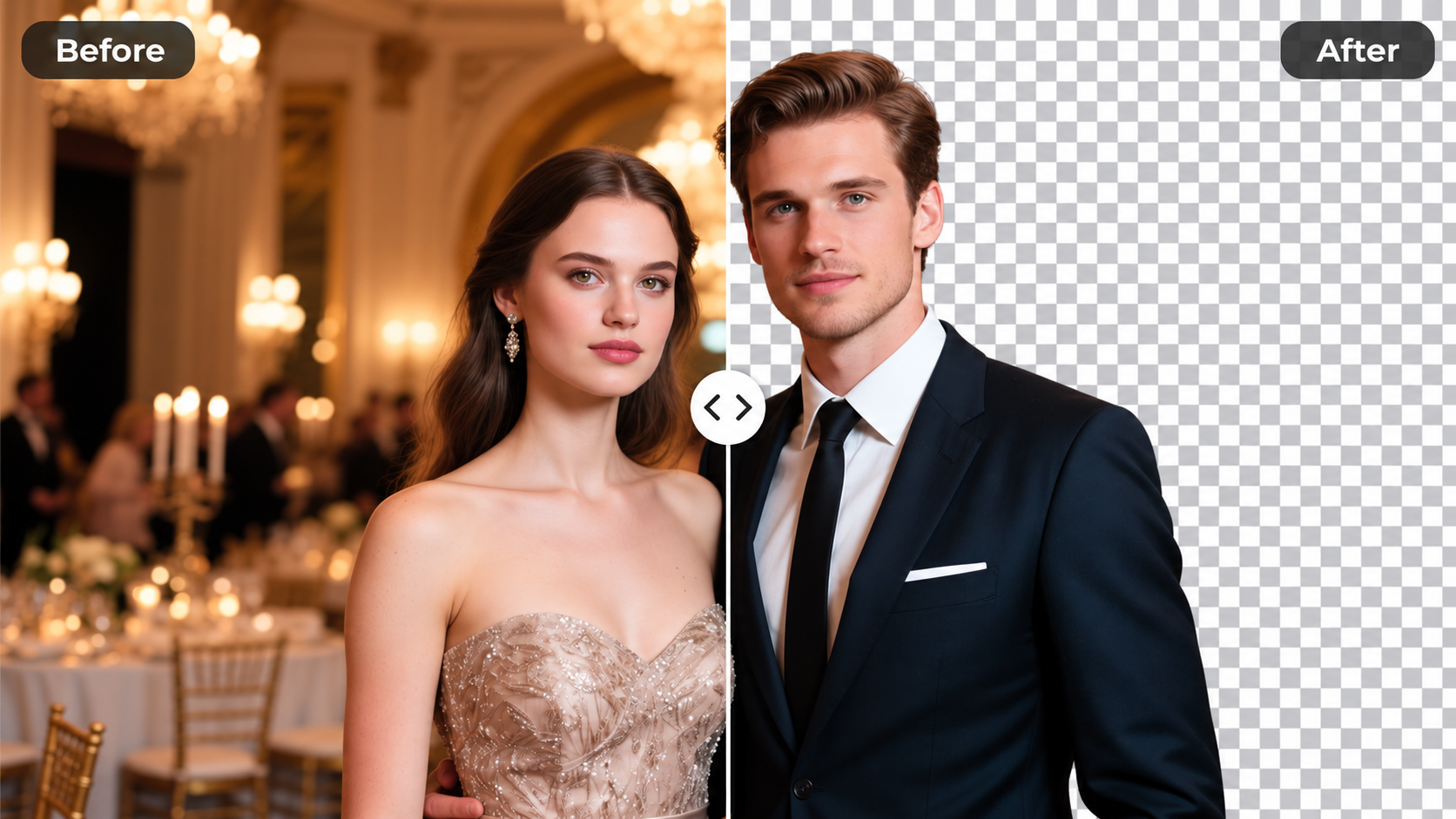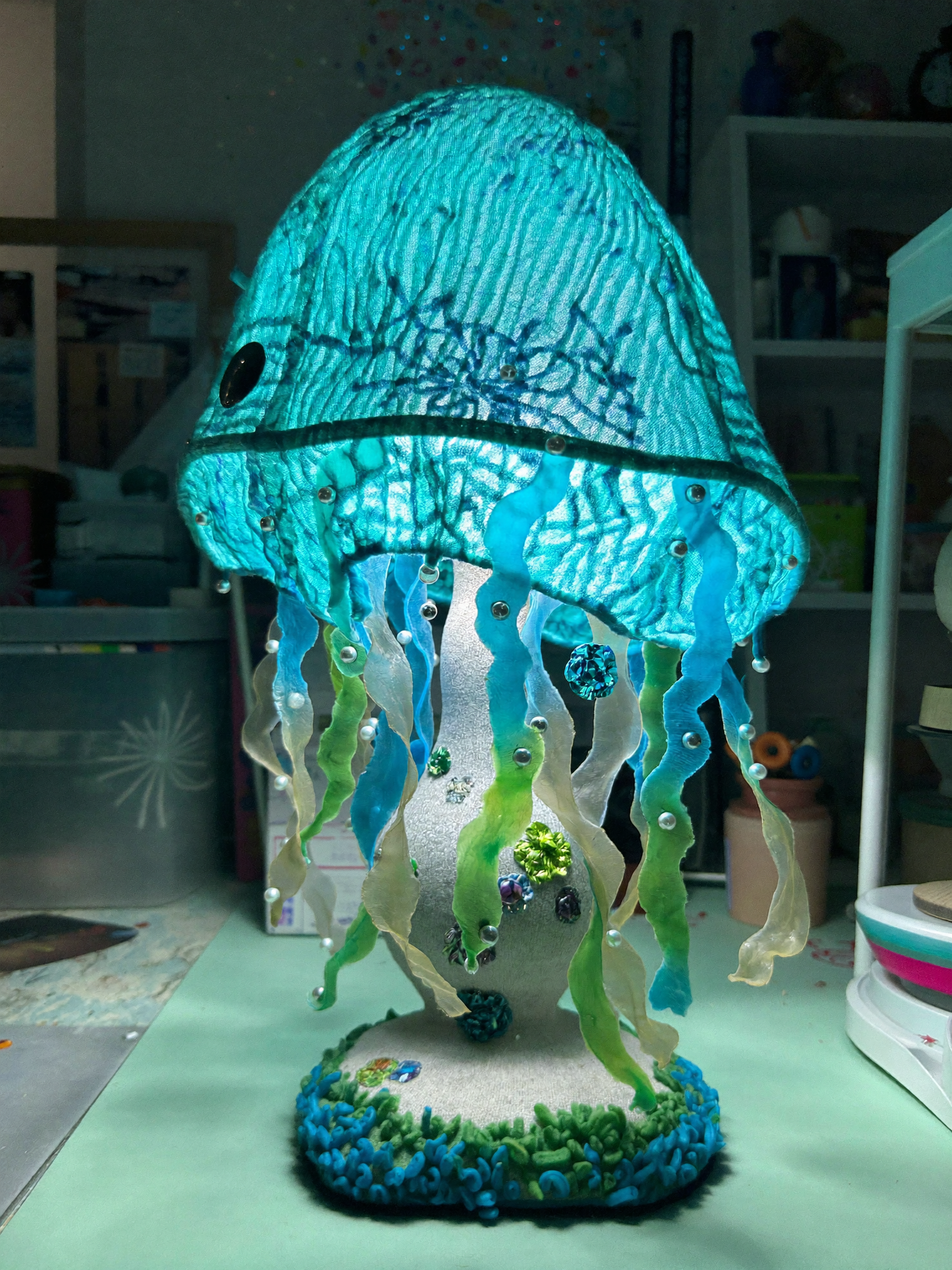
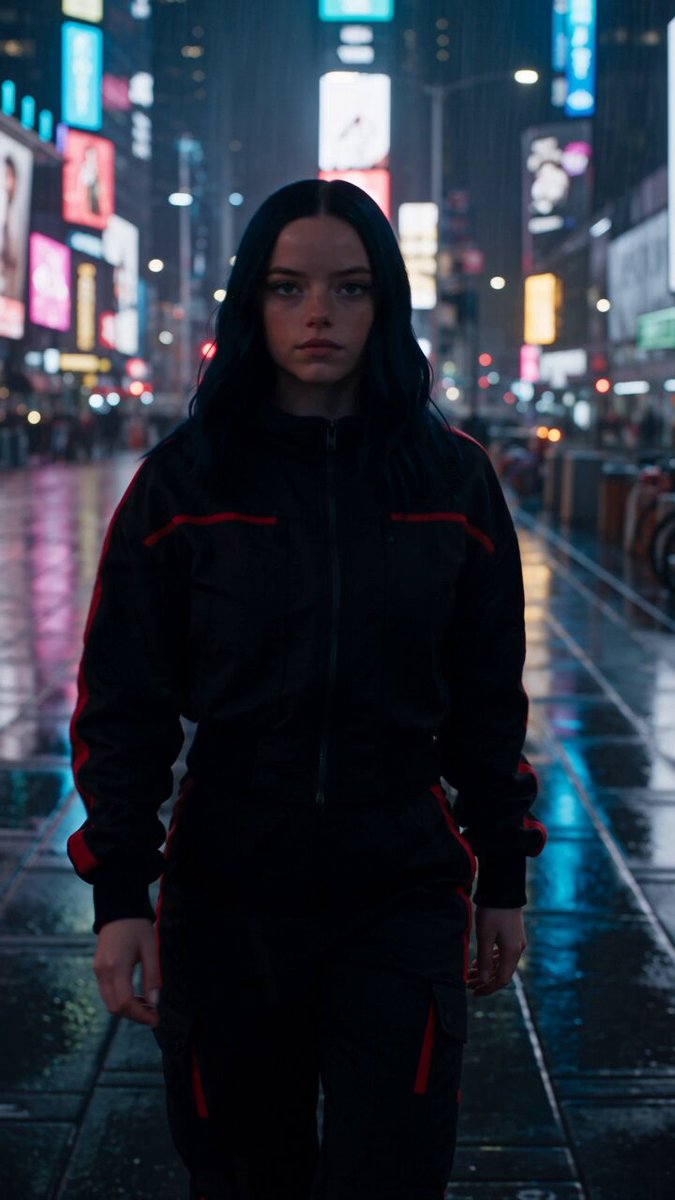
Character concept for a protagonist
Input
A young sailor with a brass compass, short dark hair, wool coat, standing in warm harbor light at dusk
Expected output
A character portrait of a young sailor holding a compass with warm evening lighting
Use ai image generator for stories to draft story illustrations from text: describe a character, setting, or moment, choose generation settings, and review.
Loading...
It turns written character descriptions and scene beats into visual drafts you can reference while writing. Instead of imagining everything in your head, you get a concrete image to react to—useful for character consistency, setting details, and visualizing key moments before finalizing the narrative.
Input
A young sailor with a brass compass, short dark hair, wool coat, standing in warm harbor light at dusk
Expected output
A character portrait of a young sailor holding a compass with warm evening lighting
Input
A lantern going out in a forest cabin interior, dim light from a window, shadows filling the room, tense atmosphere
Expected output
A moody cabin interior illustration with fading light and deep shadows
Input
A flooded town with rooftops above water, grey overcast sky, mist rising, distant church spire visible, melancholy tone
Expected output
A wide establishing shot of a flooded landscape under grey skies with visible rooftops
Seeing a draft helps you notice what works and what doesn't in a character or scene description, leading to stronger narrative choices.
Reuse the same subject description across prompts to maintain visual coherence when illustrating multiple scenes with the same character.
A generated scene image reveals missing details—lighting, props, spatial relationships—that improve your written setting descriptions.
Describe the desired image.
Choose the available generation settings.
Generate, review, and download a suitable result.
Treat generated images as working drafts that inform your writing, not finished illustrations.
Copy a structure, then adjust the subject, lighting, camera, and output details for your own result.
A teenage mechanic with oil-stained hands, short red hair, standing in a cluttered workshop with tools on shelves behind her, natural light from a window
The specific physical details, clothing state, and setting anchor the character in a believable world, giving you a reference point for how she appears in later scenes.
A close-up of an older woman's face, tears on her cheek, holding a faded photograph, soft window light from the left, quiet grief
Focusing on one emotional moment with lighting and framing cues helps you visualize the intensity of a key scene without describing the entire setting.
A figure running through a narrow alley at night, motion blur, rain reflecting streetlights, dramatic low-angle view, urban thriller atmosphere
Action descriptions with camera angle and motion cues produce dynamic reference images that inform pacing and blocking in your chase or escape scenes.
A small coastal village at dawn, fishing boats in the harbor, mist rolling in from the sea, wooden cottages with lights in windows, serene morning mood
A wide establishing description sets the story world's visual tone and reveals environmental details that strengthen your scene-setting prose.
A worn leather journal lying open on a wooden desk, handwritten notes visible, candlelight casting shadows, intimate study atmosphere
Object-focused prompts help you visualize important story artifacts and their relationship to the scene's mood and lighting.
Two figures facing each other across a bridge at sunset, silhouettes against an orange sky, tense standoff composition, dramatic backlighting
Confrontation scenes benefit from compositional cues that show spatial relationships and tension through framing and lighting.
Match the workflow to the input you have and the result you need before opening the generator.
Input: Detailed physical description, clothing, and a neutral setting to focus on the character
Result: A reference portrait you can consult while writing scenes to maintain consistent appearance details
Tool: AI Image Generator with repeated character description across prompts
Input: Room or location description with object placement, lighting direction, and character position
Result: A visual layout that clarifies where characters and objects are in relation to each other
Tool: AI Image Generator with setting-focused prompts
Input: Lighting cues, weather, time of day, and emotional tone keywords
Result: An image that captures the feeling of a key scene, helping you choose stronger descriptive language
Tool: AI Image Generator with mood-driven prompts
Input: Story's central visual motif, genre cues, and dramatic composition
Result: A striking image that communicates genre and tone for potential cover design or pitch materials
Tool: AI Image Generator with genre and composition keywords
Power up your creative workflow with our AI-driven tools. Generate stunning videos, create images, and apply custom adjustments - our AI Video Generator and AI Image Generator offer a complete solution for all your creative needs.
Choose the credit package that works best for you.
No hidden fees • Cancel anytime • Unused credits roll over
Perfect for trying out AI creation.
Credits
2,400 credits per year
$59.99/year billed yearly
You save $60 · the equivalent of 6 months free
What's included
Perfect for light creators.
Credits
6,000 credits per year
$119.99/year billed yearly
You save $120 · the equivalent of 6 months free
What's included
Best value for creators.
Credits
14,400 credits per year
$399.99/year billed yearly.
Save $80 compared to monthly
What's included
For video creators and power users.
Credits
60,000 credits per year
$999.99/year billed yearly.
Save $200 compared to monthly
What's included
Questions? Contact us at support@domer.io
Open the tool, describe a character or scene from your narrative, and generate a visual reference to support your writing.