Describe the visual qualities of the picture in text — its color palette, lighting, composition, or mood — then generate a new image that shares those characteristics. You do not upload the original; instead, you explain what you want to carry forward into the new result.
AI Image Generator from a Picture
Sunset color palette
Input
A landscape scene using the same warm sunset colors as a photo I saw, deep oranges and purple sky, silhouetted trees
Expected output
A colorful landscape with a sunset color scheme matching the described palette, dark foreground silhouettes
Classical portrait composition
Input
A portrait arranged like a classic painting, subject in the center, dark background, one strong light from the side
Expected output
A portrait with central composition, dramatic side lighting, and an atmospheric dark backdrop
Rainy street atmosphere
Input
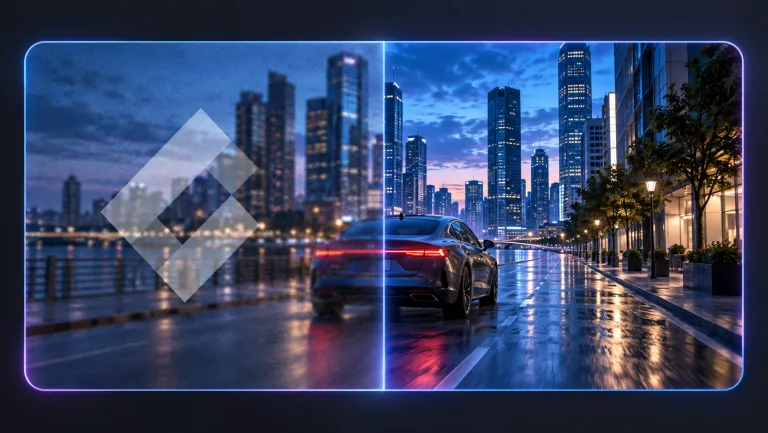
A quiet rainy street scene with the same calm, melancholic mood as an old photograph, wet pavement reflecting streetlights
Expected output
A rainy urban scene with reflective surfaces, cool color tones, and a quiet atmospheric mood
Generate new images by describing the visual qualities of an existing picture in text.
Inspire new images from old ones
Describe what you like about a picture to generate fresh visuals that share its qualities.
Explore variation without uploads
All description is text-based, so you can explore visual ideas inspired by any picture you can describe.
Focus on specific qualities
Choose which aspects of the reference to carry over such as color palette or composition, and leave others behind.
How It Works
1
Describe the desired image
Describe the desired image.
2
Choose the available generation settings
Choose the available generation settings.
3
Generate, review, and download a suitable result
Generate, review, and download a suitable result.
Tips for picture-inspired prompts
Creating new images inspired by existing ones.
Input Constraints
Use your own original prompt text rather than copying from other sources.
Avoid describing real people or trademarked characters without permission.
Review each result before using it in any project.
Practical Tips
Identify one or two specific qualities of the original picture to carry over.
Change the subject while keeping the color palette or lighting description the same.
Describe what you want the new image to have, not a copy of the existing image.
Privacy
Do not upload personal or sensitive material unless you have permission to use it.
Usage Rights
Confirm that you have the rights needed for the inputs and intended use of the result.
Prompt recipes
Copy a structure, then adjust the subject, lighting, camera, and output details for your own result.
Moody forest with golden-hour light
A dense forest scene with shafts of golden sunlight breaking through the canopy, soft warm tones like a late-afternoon photograph, moss-covered ground, misty atmosphere
Borrows the lighting and color temperature from a reference photo without requiring the original, letting you recreate the mood in a new setting.
Minimalist product shot inspired by studio lighting
A single ceramic vase on a neutral gray surface, lit from above and one side like a professional product photograph, soft shadows, clean background
Replicates the lighting setup and composition style of a reference product image, useful for creating consistent visual themes.
Vintage postcard color grading
A seaside town view with faded pastel colors, slightly desaturated like an old postcard, soft focus on distant buildings, clear blue sky
Captures the color palette and tonal quality of vintage photography without needing to upload the reference image.
Dramatic portrait lighting from a painting
A close-up portrait of an elderly person, lit from the left with strong contrast between light and shadow like a Rembrandt painting, dark background, focused on the face
Borrows the chiaroscuro lighting technique from classical portrait paintings and applies it to a new subject.
Architectural geometry inspired by a magazine photo
A modern building facade with repeating geometric patterns, photographed straight-on with symmetrical composition, sharp lines, blue sky background
Recreates the composition and framing style of architectural photography without requiring the original building shot.
Best use cases
Match the workflow to the input you have and the result you need before opening the generator.
Use case
Best input
Expected result
Tool
Create mood boards for design projects
Describe the color scheme, lighting, and atmosphere from reference photos
A collection of images that share the same visual feel
Text to Image with detailed mood and palette descriptions
Generate concept art inspired by existing paintings
Describe the composition, lighting technique, and color relationships
New artwork that carries forward the visual approach
Text to Image with style and technique keywords
Explore variations on a photograph's atmosphere
Focus on the lighting direction, time of day, and emotional tone
Multiple images that share the same mood but differ in subject
Text to Image with consistent lighting and tone descriptions
Match visual style across different subjects
Identify the key visual elements that define the reference style
Images of different subjects that maintain style consistency
Text to Image with detailed style and aesthetic descriptions
Create mood boards for design projects
Input: Describe the color scheme, lighting, and atmosphere from reference photos
Result: A collection of images that share the same visual feel
Tool: Text to Image with detailed mood and palette descriptions
Generate concept art inspired by existing paintings
Input: Describe the composition, lighting technique, and color relationships
Result: New artwork that carries forward the visual approach
Tool: Text to Image with style and technique keywords
Explore variations on a photograph's atmosphere
Input: Focus on the lighting direction, time of day, and emotional tone
Result: Multiple images that share the same mood but differ in subject
Tool: Text to Image with consistent lighting and tone descriptions
Match visual style across different subjects
Input: Identify the key visual elements that define the reference style
Result: Images of different subjects that maintain style consistency
Tool: Text to Image with detailed style and aesthetic descriptions
Limitations to know before generating
The tool generates new images from text descriptions, not direct copies of existing pictures.
Complex visual details may not transfer accurately unless described with precision.
The more subjective the quality you want to replicate (like 'mood' or 'feel'), the more variation you may see between results.
Results depend on how well you can translate visual qualities into words.
Generated images are interpretations, not exact reproductions of the reference.
Creative Suite: AI Video Generator & AI Image Generator Tools
Power up your creative workflow with our AI-driven tools. Generate stunning videos, create images, and apply custom adjustments - our AI Video Generator and AI Image Generator offer a complete solution for all your creative needs.