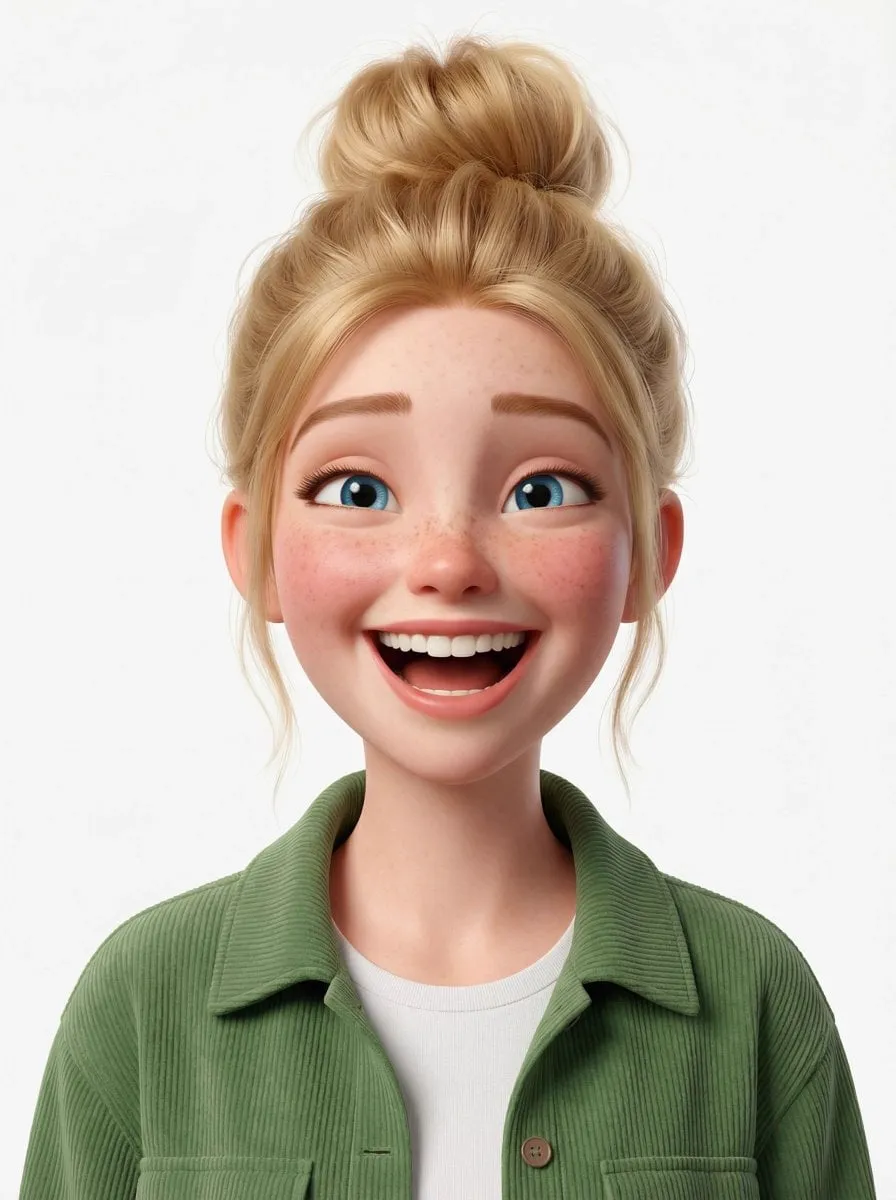
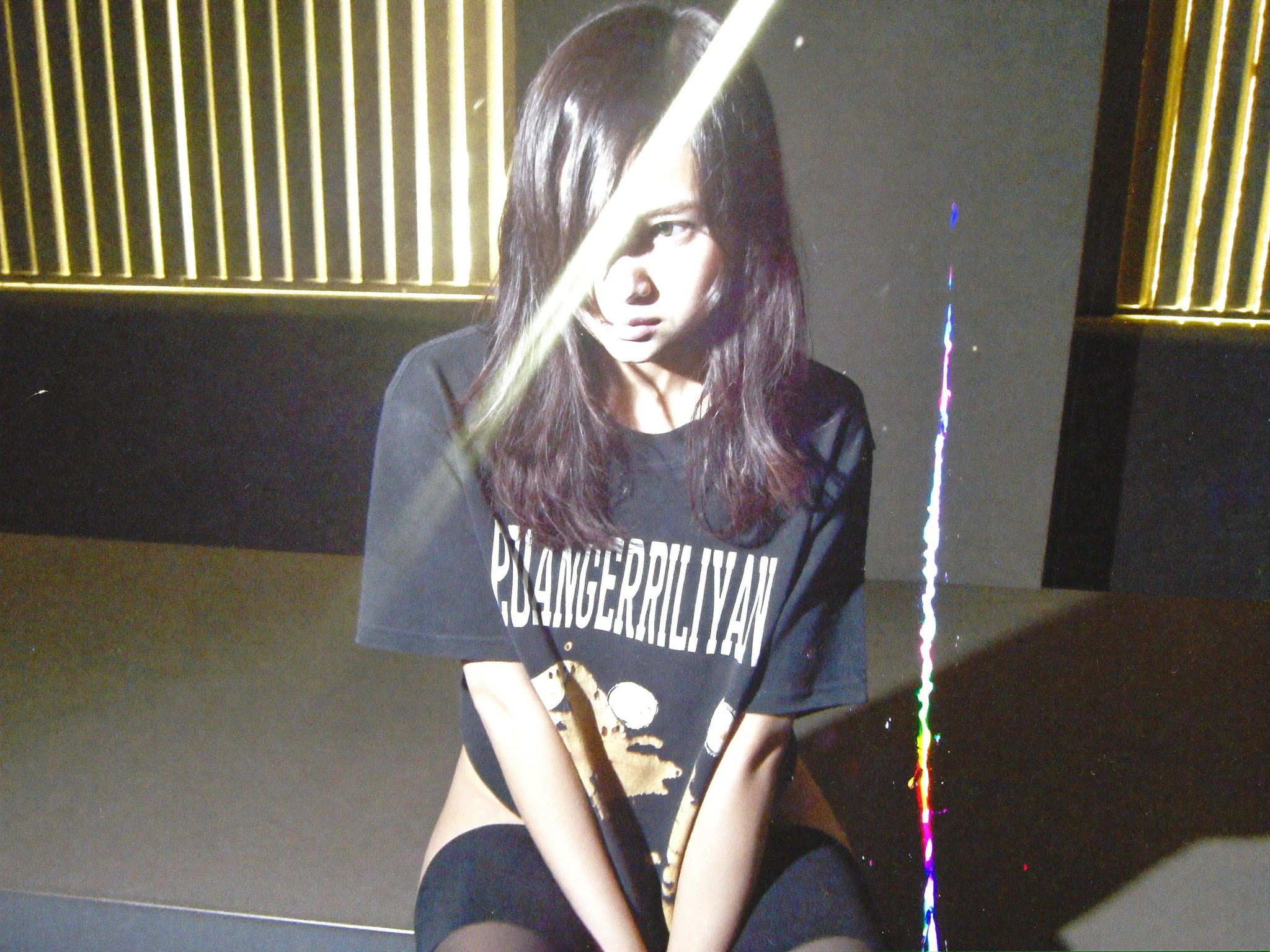
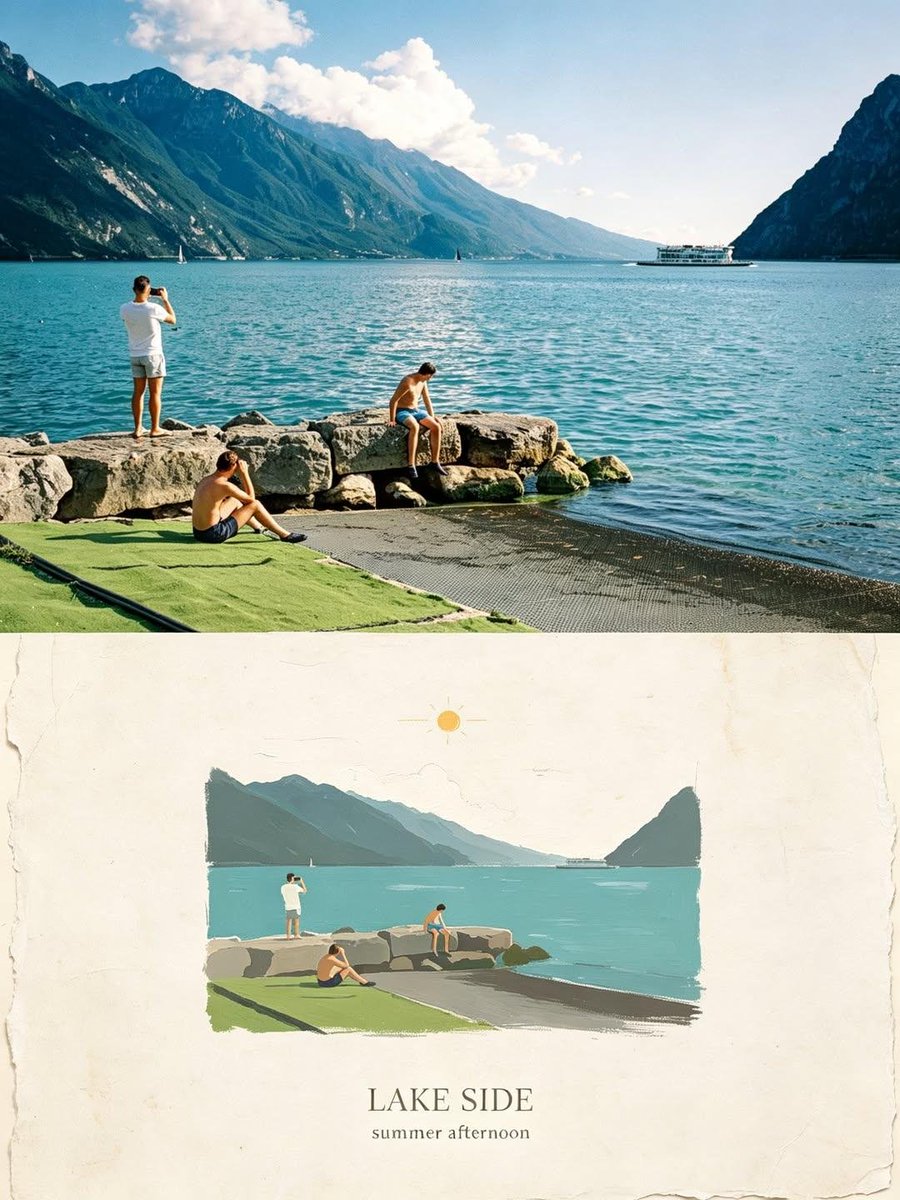
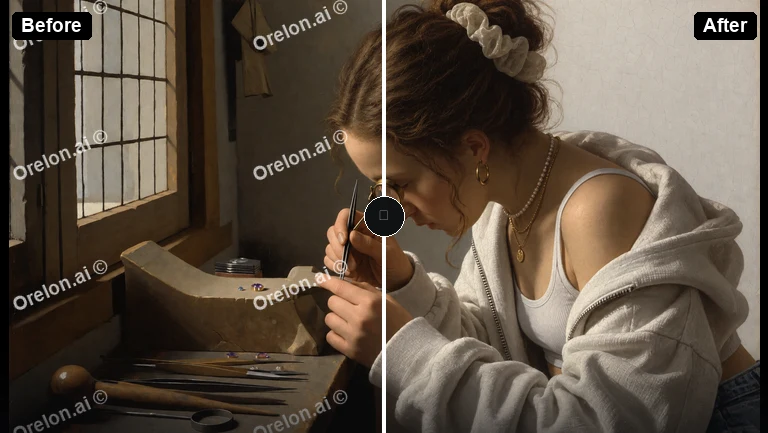
AI image generator models are the systems that interpret text descriptions and produce corresponding images. They process your prompt to understand subjects, composition, style, and context, then generate pixels that match your description. The quality and character of the output depend on how clearly you describe what you want and which generation settings you choose.
AI Image Generator Modles
Portrait in natural light
Input
A portrait of a young woman with braided hair and freckles, wearing a linen shirt, soft window light, warm earth tone background
Expected output
A natural portrait with soft lighting, detailed hair texture, warm skin tones, and gentle background color
Full-body character concept
Input
A fantasy ranger character in green and brown leather armor with a hooded cloak, holding a bow, forest setting, dynamic standing pose
Expected output
A full character illustration with detailed costume, weapon, and environment context showing the figure in action-ready stance
Multi-element scene composition
Input
A busy farmers market scene with wooden stalls, colorful produce displayed, people browsing, string lights overhead, sunny afternoon
Expected output
A lively market scene with multiple stalls and figures, varied produce colors, overhead lighting, and outdoor atmosphere
Generate images from text descriptions with control over composition, style, and visual treatment by adjusting prompt structure and available settings.
Versatile image creation
Generate images of subjects ranging from simple portraits to complex multi-element scenes through text prompts.
Custom composition control
Describe the arrangement, pose, and positioning of elements in your scene to guide the final composition.
Available settings adjustment
Choose from the tools available settings to influence the visual character of your generated image.
How It Works
1
Describe the desired image.
Describe the desired image.
2
Choose the available generation settings.
Choose the available generation settings.
3
Generate, review, and download a suitable result.
Generate, review, and download a suitable result.
Prompting for compositions
Describe how elements relate to each other.
Input Constraints
Do not claim the tool supports specific model names or versions.
Avoid describing copyrighted or trademarked characters.
Focus on original visual concepts in your prompts.
Practical Tips
Describe the position of each element using spatial cues.
Specify the relationship between foreground and background subjects.
Use pose and action words for character descriptions.
Mention the depth of field or focus to control visual emphasis.
Privacy
Do not upload personal or sensitive material unless you have permission to use it.
Usage Rights
Confirm that you have the rights needed for the inputs and intended use of the result.
Prompt recipes
Copy a structure, then adjust the subject, lighting, camera, and output details for your own result.
Environmental Portrait with Context
A blacksmith in a workshop, wearing a leather apron, holding tongs and a glowing piece of metal, forge fire in the background, sparks in the air, warm orange lighting, mid-shot composition
Places the subject in a detailed environment with action, props, and atmospheric lighting that tells a story about the character's work.
Dynamic Action Pose
A basketball player mid-jump reaching for the hoop, ball in hand, legs bent, determined expression, indoor court with blurred crowd in the background, fast shutter effect
Uses action verbs and body position cues to convey motion and energy, with background blur to emphasize the subject.
Layered Landscape Composition
A mountain valley with a river in the foreground, pine forest in the middle ground, snow-capped peaks in the background, morning mist rising from the water, soft diffused sunlight
Explicitly describes foreground, middle ground, and background layers, guiding the model to create depth and spatial separation.
Close-Up with Selective Focus
A macro shot of a bee on a sunflower, bee in sharp focus with visible wing detail, petals and background softly blurred, warm afternoon light, shallow depth of field
Uses photography terms like 'macro', 'sharp focus', and 'shallow depth of field' to control what is in focus and what is blurred, creating a professional-looking image.
Symmetrical Architectural Shot
A grand library interior, symmetrical composition with rows of bookshelves on both sides, ornate ceiling with chandelier centered, polished marble floor reflecting the light, wide-angle perspective
Calls out symmetry, centering, and wide-angle perspective to create a balanced, visually impressive architectural image.
Best use cases
Match the workflow to the input you have and the result you need before opening the generator.
Use case
Best input
Expected result
Tool
Character design for games or stories
Describe the character's costume, pose, props, and environment in one cohesive prompt
A full-body or mid-shot character illustration with context and personality
Text to Image with detailed character and setting descriptions
Scene composition for concept art
Layer your prompt with foreground, middle ground, and background elements, plus lighting and atmosphere
A multi-layered scene with depth and visual interest
Text to Image with spatial and lighting cues
Product or portrait photography
Use photography vocabulary—focal length, depth of field, lighting direction—to guide the visual treatment
An image with professional photography characteristics
Text to Image with camera and lighting terminology
Illustrative poster or cover art
Describe the main subject in the center with supporting elements framing it, plus bold lighting and color contrast
A visually striking composition suitable for promotional or editorial use
Text to Image with strong compositional framing and dramatic lighting
Character design for games or stories
Input: Describe the character's costume, pose, props, and environment in one cohesive prompt
Result: A full-body or mid-shot character illustration with context and personality
Tool: Text to Image with detailed character and setting descriptions
Scene composition for concept art
Input: Layer your prompt with foreground, middle ground, and background elements, plus lighting and atmosphere
Result: A multi-layered scene with depth and visual interest
Tool: Text to Image with spatial and lighting cues
Product or portrait photography
Input: Use photography vocabulary—focal length, depth of field, lighting direction—to guide the visual treatment
Result: An image with professional photography characteristics
Tool: Text to Image with camera and lighting terminology
Illustrative poster or cover art
Input: Describe the main subject in the center with supporting elements framing it, plus bold lighting and color contrast
Result: A visually striking composition suitable for promotional or editorial use
Tool: Text to Image with strong compositional framing and dramatic lighting
Limitations to know before generating
Complex multi-subject scenes with specific spatial relationships can be challenging—the model may misinterpret positions or overlap elements incorrectly.
Prompt quality directly affects output—vague or contradictory descriptions produce unpredictable results.
The model interprets your description based on common visual patterns—unique or highly unusual compositions may not render as expected without iteration.
Settings and prompt wording interact in ways that are not always predictable—experimentation is often needed to achieve the exact result you want.
Creative Suite: AI Video Generator & AI Image Generator Tools
Power up your creative workflow with our AI-driven tools. Generate stunning videos, create images, and apply custom adjustments - our AI Video Generator and AI Image Generator offer a complete solution for all your creative needs.