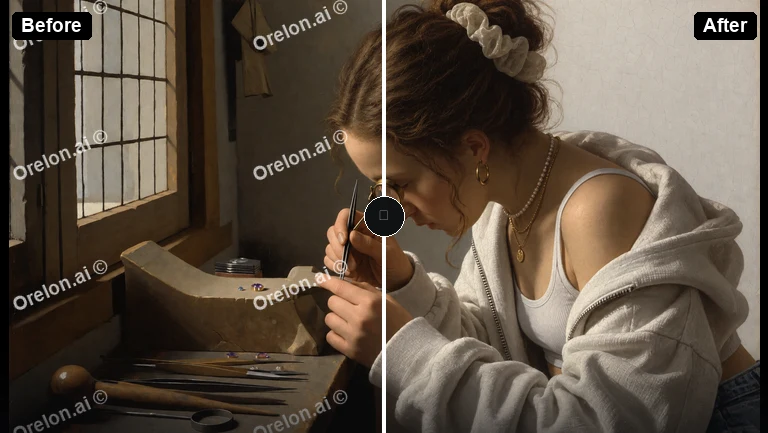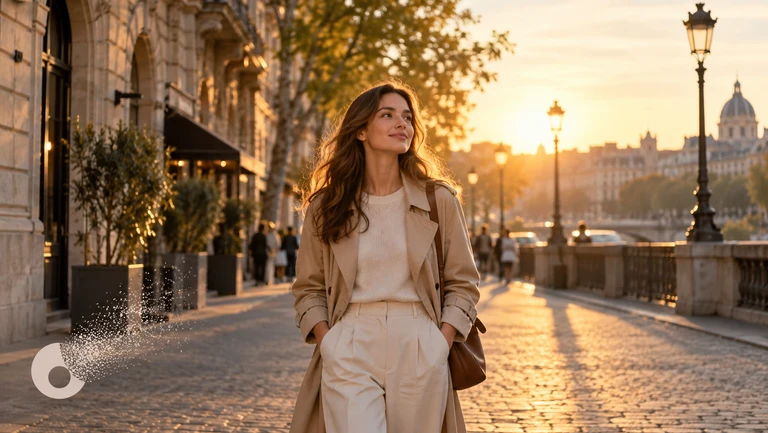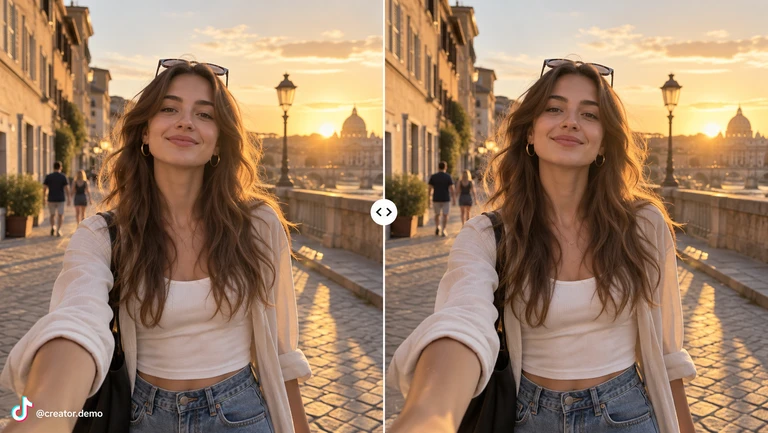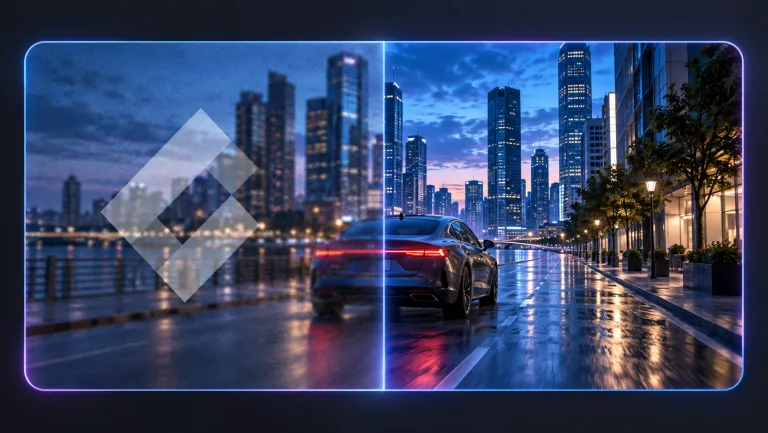
Concept art for a scene
Input
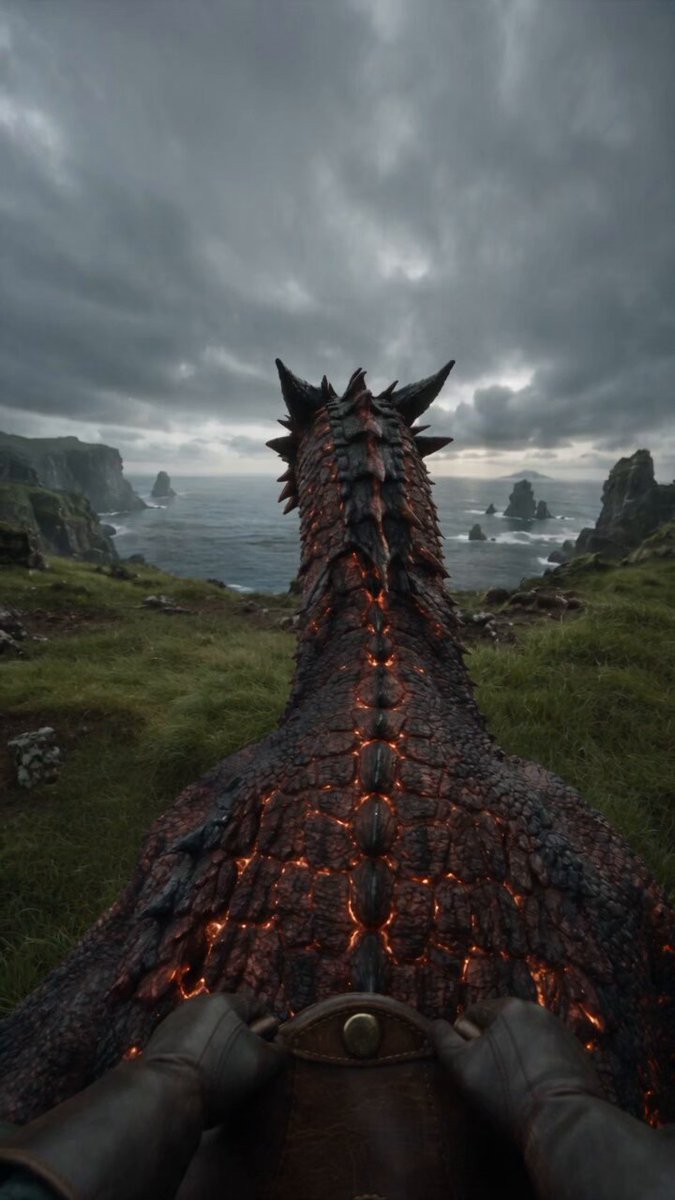
A misty forest clearing with a single stone arch, morning fog, muted green palette
Expected output
A scene image that matches the described setting and mood, which you can review before using it
Learn how AI art generators work and how to write effective prompts. Understand the workflow, try real examples, and generate images.
Loading...
A good description for an AI art generator includes the main subject, setting, mood, and style. Instead of 'a cat', write 'a fluffy orange cat sitting on a windowsill at sunset, warm golden light, soft focus background'. The generator uses your words to build the image, so specific visual details produce more accurate results. Include what the subject is doing, where it is, what the lighting looks like, and what artistic style you want.
Input
A misty forest clearing with a single stone arch, morning fog, muted green palette
Expected output
A scene image that matches the described setting and mood, which you can review before using it
Input
A stylized portrait of an explorer with a brass compass, painterly texture, warm rim light
Expected output
A character portrait in the requested style with consistent features across the face and outfit
Input
A minimalist studio backdrop with soft gradient lighting in coral and cream
Expected output
A clean background image that can support a headline or product shot in a layout
See exactly what an AI art generator does — describe, choose settings, generate, review — before you commit to a tool.
Knowing how prompts and settings behave helps you pick the generator that fits the images you want to make.
The description ends with a working text-to-image path so you can test the workflow yourself.
Describe the desired image.
Choose the available generation settings.
Generate, review, and download a suitable result.
A useful description explains inputs, controls, and review steps without promising specific results.
Copy a structure, then adjust the subject, lighting, camera, and output details for your own result.
A skateboarder performing a kickflip on a concrete ramp, mid-air, legs bent, board rotating, urban skate park background, late afternoon light
Names the subject, action, pose, setting, and lighting for a dynamic scene with clear focal action.
A quiet library interior with rows of wooden shelves, warm lamp light pooling on reading tables, deep shadows in the corners, cozy and contemplative atmosphere
Uses lighting, color temperature, and mood words to create an atmospheric interior scene.
A portrait of a jazz musician in the style of 1920s art deco poster, bold geometric shapes, limited color palette of gold, black, and cream, stylized features
References a specific art movement, shape language, and color palette for a stylistically consistent result.
A vintage red motorcycle parked on a desert highway, mountains in the distance, golden hour light casting long shadows, road trip photography style
Describes the main subject, environment, background elements, lighting, and photographic style for a cohesive scene.
A close-up of a weathered wooden door with peeling blue paint, rusty metal hinges, visible wood grain, Mediterranean village setting, natural daylight
Focuses on texture, material, color, wear, and context for a detailed close-up image.
Match the workflow to the input you have and the result you need before opening the generator.
Input: Simple subject with clear visual details, one main element, descriptive adjectives
Result: An image that closely matches your description, teaching you which words produce accurate results
Tool: Text to Image with straightforward prompts to see direct cause-and-effect
Input: The same detailed prompt across multiple tools to evaluate output quality and style
Result: Multiple images from the same prompt, showing how each generator interprets descriptions
Tool: Text to Image with identical prompts to benchmark consistency and style
Input: Iterative prompts that adjust one element at a time — lighting, color, composition — to narrow in on your vision
Result: A series of images that progressively match your intended concept
Tool: Text to Image with prompt variations to explore creative directions
Input: Prompts that test specific features like style keywords, lighting terms, or composition instructions
Result: Images that reveal what the tool can and cannot interpret from text
Tool: Text to Image with focused test prompts to learn tool strengths and limits
Power up your creative workflow with our AI-driven tools. Generate stunning videos, create images, and apply custom adjustments - our AI Video Generator and AI Image Generator offer a complete solution for all your creative needs.
Choose the credit package that works best for you.
No hidden fees • Cancel anytime • Unused credits roll over
Perfect for trying out AI creation.
Credits
2,400 credits per year
$59.99/year billed yearly
You save $60 · the equivalent of 6 months free
What's included
Perfect for light creators.
Credits
6,000 credits per year
$119.99/year billed yearly
You save $120 · the equivalent of 6 months free
What's included
Best value for creators.
Credits
14,400 credits per year
$399.99/year billed yearly.
Save $80 compared to monthly
What's included
For video creators and power users.
Credits
60,000 credits per year
$999.99/year billed yearly.
Save $200 compared to monthly
What's included
Questions? Contact us at support@domer.io
Now that you know what an AI art generator does, describe an image and open the generator to try it.