An AI video generator is a tool that converts a written description of a scene—including subjects, settings, lighting, and motion—into a short video clip. You describe what you want to see, choose generation settings, and the tool produces a visual result you can review, refine, and download.
AI Video Generator Definition
Coastal sunrise scene
Input
A quiet beach at sunrise, gentle waves rolling in, soft pink light spreading across the sky, camera slowly pushing forward.
Expected output
A short clip of a calm beach with slow wave motion and a gradually brightening sky.
Product close-up
Input
A white ceramic mug on a wooden desk, steam rising, soft window light from the left, a slow orbit around the mug.
Expected output
A product-style clip showing the mug rotating with subtle steam movement and warm lighting.
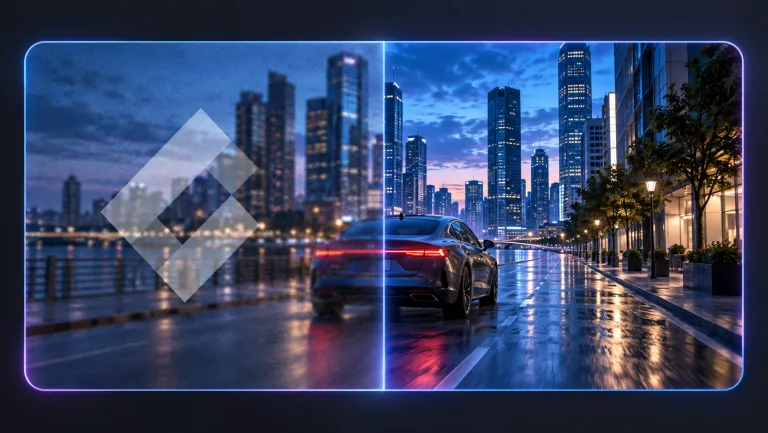
City night drive
Input
A rainy city street at night, neon signs reflecting on wet asphalt, a car moving slowly past storefronts, shallow depth of field.
Expected output
A moody street clip with drifting reflections and a slow forward traveling motion.
Understand what an AI video generator is and how the text-to-video workflow operates
Start from words alone
You can explore a video idea with a written scene description before any footage or editing is involved.
Review before reuse
Each clip can be checked for motion and coherence, then regenerated or downloaded when it fits.
Fit the workflow to your scene
The same describe, choose, and generate loop works for simple scenes, product shots, and moodier setups.
How It Works
1
Describe the scene
Describe the desired scene and motion.
2
Choose settings
Choose the available generation settings.
3
Generate and download
Generate, review, and download a suitable result.
Writing a clearer prompt
Concrete scene and motion details give the generator more to work with.
Input Constraints
Name the subject, setting, and action you want to see.
Keep the motion description separate from the scene description.
Use wording you are comfortable seeing in a generated clip.
Review each result before reusing it.
Practical Tips
Start with one subject, then add setting details.
Mention camera behavior such as slow push or orbit if it matters.
If a clip misses the scene, adjust the prompt and generate again.
Privacy
Do not upload personal or sensitive material unless you have permission to use it.
Usage Rights
Confirm that you have the rights needed for the inputs and intended use of the result.
Prompt recipes
Copy a structure, then adjust the subject, lighting, camera, and output details for your own result.
Cinematic product shot
A perfume bottle on a marble surface, soft spotlight from above, slow 360-degree rotation, dark background fading to deep blue
Combines product, surface, lighting, motion type, and background in one sentence—giving the generator a complete visual brief.
Nature time-lapse concept
Clouds moving fast over a mountain peak, shadows racing across the valley below, golden afternoon light, wide-angle view
Describes the primary motion (clouds), the secondary effect (shadows), the lighting, and the framing—useful for atmospheric clips.
Urban establishing shot
A busy intersection at dusk, car headlights streaming past, pedestrians crossing, warm streetlights turning on, shot from above
Names multiple motion elements (cars, pedestrians, lights) and a clear camera position, helping the generator compose a layered scene.
Abstract motion graphic
Colorful liquid swirling in slow motion, transitioning from red to blue to yellow, soft glow around the edges, black background
Focuses on color transitions and motion speed without a real-world object, ideal for title backgrounds or creative intros.
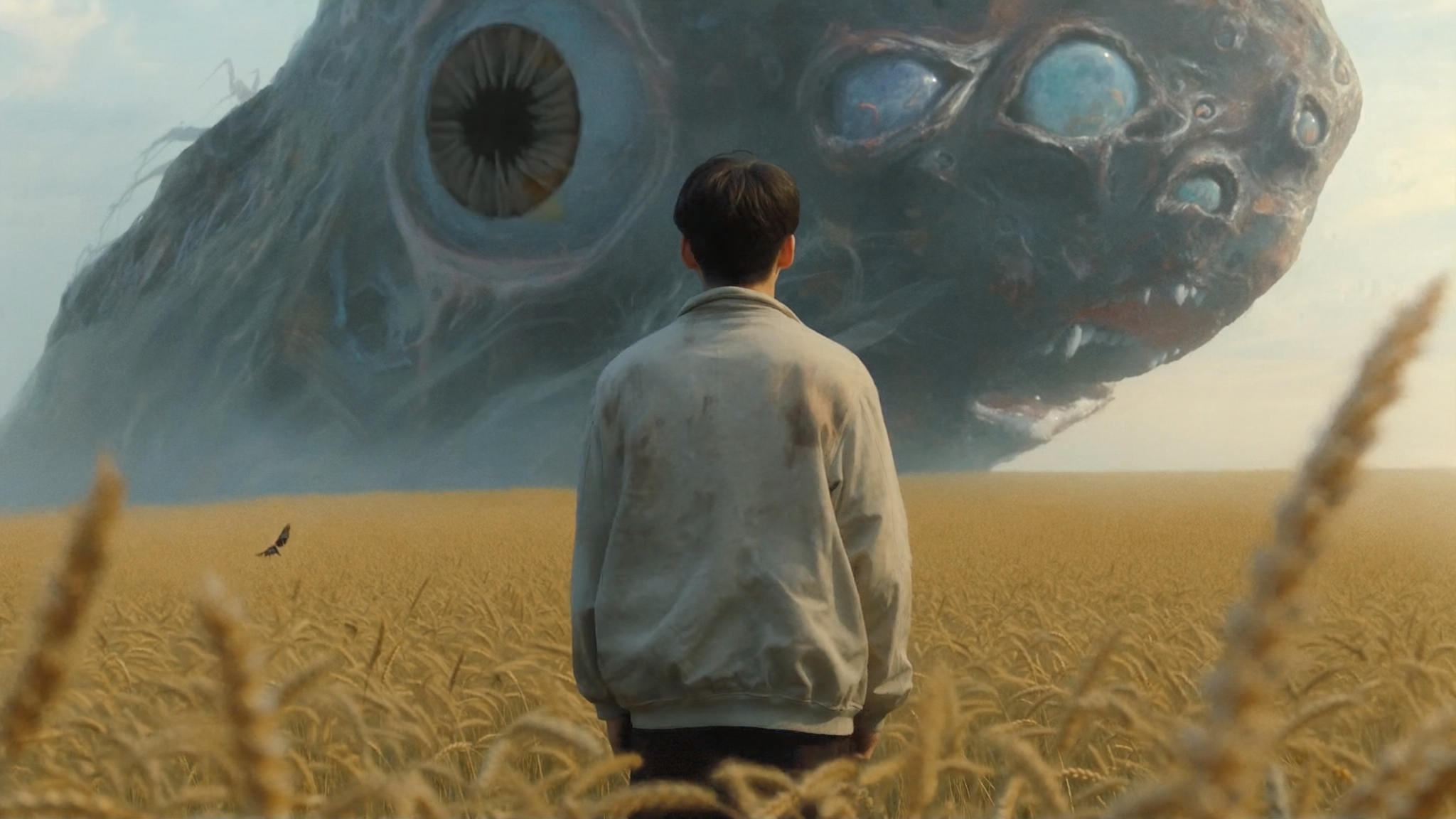
Character in environment
A person walking through a wheat field at sunset, tall grass swaying in the wind, camera tracking alongside, warm golden light
Describes the character, the environment, the environmental motion (grass), the camera behavior, and the lighting in one coherent prompt.
Best use cases
Match the workflow to the input you have and the result you need before opening the generator.
Use case
Best input
Expected result
Tool
Explaining the tool to a client
A simple example prompt and its expected output
Client understands the input-output relationship without technical jargon
Use one of the provided examples and walk through the three-step workflow
Training a team member
The definition page plus a live generation demo
Team member can write their own prompts and interpret results
Share this page, then have them try the text-to-video tool with feedback
Pitching a video concept
A detailed scene description with camera notes
A rough visual draft that communicates mood and composition
Text-to-video with emphasis on lighting and camera movement
Understanding your own workflow
Read the definition, try a few test prompts, review the results
Confidence in what the tool can and cannot produce
Start with simple prompts, then add complexity as you learn what works
Explaining the tool to a client
Input: A simple example prompt and its expected output
Result: Client understands the input-output relationship without technical jargon
Tool: Use one of the provided examples and walk through the three-step workflow
Training a team member
Input: The definition page plus a live generation demo
Result: Team member can write their own prompts and interpret results
Tool: Share this page, then have them try the text-to-video tool with feedback
Pitching a video concept
Input: A detailed scene description with camera notes
Result: A rough visual draft that communicates mood and composition
Tool: Text-to-video with emphasis on lighting and camera movement
Understanding your own workflow
Input: Read the definition, try a few test prompts, review the results
Result: Confidence in what the tool can and cannot produce
Tool: Start with simple prompts, then add complexity as you learn what works
Limitations to know before generating
The tool generates new video from text—it does not edit or enhance existing footage.
Prompt interpretation varies; the same prompt may produce different results across runs.
Complex scenes with many subjects or actions may not render all elements clearly.
Generated clips are short; longer narratives require multiple prompts and manual assembly.
Text, faces, and fine details may not be accurate or consistent across generations.
Creative Suite: AI Video Generator & AI Image Generator Tools
Power up your creative workflow with our AI-driven tools. Generate stunning videos, create images, and apply custom adjustments - our AI Video Generator and AI Image Generator offer a complete solution for all your creative needs.