An AI video generator for students converts a written description of an educational scene into a video clip. Describe a science visualization, historical recreation, or literary setting, then review the result and download it for use in presentations, reports, or learning materials. No camera, editing software, or production experience needed—just describe what you want to show.
AI Video Generator for Students
Science visualization
Input
A 3D-style animation of a plant cell structure, labeled organelles floating inside, nucleus in the center, mitochondria glowing, educational color coding.
Expected output
An educational cell biology scene with labeled organelles, glowing mitochondria, and clear structural visualization.
History scene recreation
Input
An ancient Egyptian marketplace with pyramids in the background, merchants selling pottery and fabrics, people in period clothing, warm desert lighting.
Expected output
A historical recreation of an ancient Egyptian market with pyramids, period clothing, and desert atmosphere.
Literary scene visualization
Input
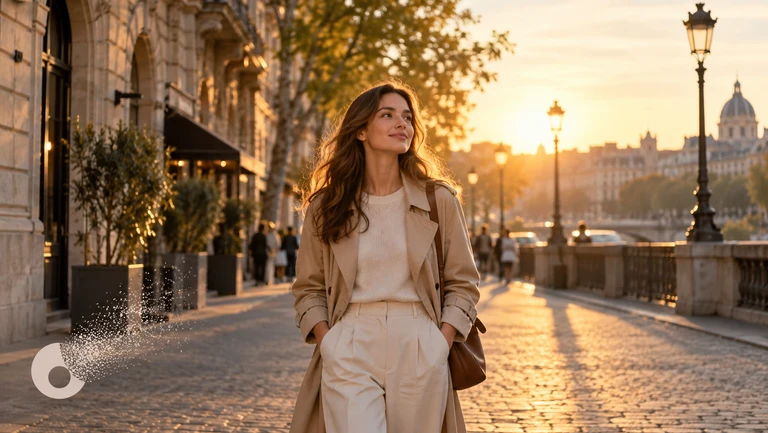
A character from a novel walking through a foggy London street at night, gas lamps glowing, cobblestone road, horse-drawn carriage in the distance.
Expected output
A literary scene with a character in foggy Victorian London with gas lamps and cobblestone streets.
Generate educational video scenes from text descriptions for student projects and presentations.
Academic project support
Create visual content for presentations, reports, and creative projects by describing the scenes you need as text prompts.
Visual learning aids
Generate video scenes that illustrate concepts from science, history, literature, and other subjects for better understanding.
No production barriers
Students can create video content without cameras, editing software, or production experience. Just describe what they want to show.
How It Works
1
Describe the scene and motion
Describe the desired scene and motion.
2
Choose generation settings
Choose the available generation settings.
3
Generate and review
Generate, review, and download a suitable result.
Tips for student prompts
Focus on clear educational visual descriptions that illustrate the concept or topic you are studying.
Input Constraints
Describe educational scenes and concepts visually.
Focus on one subject or scene per generation.
Avoid requests for age-restricted or unsafe content.
Do not reference copyrighted characters or media.
Review generated content for accuracy to your topic.
Do not include personal or sensitive material without permission.
Practical Tips
Describe the key visual elements of your topic.
Include relevant setting and time period details.
Use subject-specific descriptive language.
Keep prompts focused on what you want to illustrate.
Generate multiple versions for different project sections.
Combine generated clips with your own narration or text.
Privacy
Do not upload personal or sensitive material unless you have permission to use it.
Usage Rights
Confirm that you have the rights needed for the inputs and intended use of the result.
Prompt recipes
Copy a structure, then adjust the subject, lighting, camera, and output details for your own result.
Biology process animation
Animated diagram of photosynthesis showing sunlight entering a leaf, chloroplasts converting light into energy, labeled arrows showing carbon dioxide in and oxygen out, bright green and yellow tones.
The labeled arrows and color coding make the invisible biological process visible and easier to understand.
Historical event reenactment
A medieval blacksmith hammering glowing metal on an anvil in a stone forge, sparks flying, warm firelight, tools hanging on the wall, camera steady from the side.
The period-accurate setting and action bring historical daily life to life beyond textbook descriptions.
Geography landscape study
Aerial view of a river delta splitting into multiple channels, sediment visible in the water, green vegetation along the banks, camera slowly zooming out to show the full delta pattern.
The aerial perspective and zoom reveal the geographic pattern in a way that static maps cannot.
Physics concept demonstration
A pendulum swinging back and forth, motion trails showing the arc, labels indicating potential and kinetic energy at different points, clean white background, side view.
The motion trails and energy labels help students visualize the energy transformation happening during the swing.
Literature scene setting
A small cottage on a windswept moor, storm clouds overhead, a single candle glowing in the window, heather and rocks in the foreground, moody lighting.
The atmospheric setting helps students visualize the mood and environment described in the text they are studying.
Chemistry reaction visualization
Two beakers side by side, one with blue liquid and one with yellow liquid, being poured into a third beaker, the mixture turning green, bubbles rising, laboratory setting.
The color change and bubbles make the chemical reaction visible and memorable for lab reports or presentations.
Best use cases
Match the workflow to the input you have and the result you need before opening the generator.
Use case
Best input
Expected result
Tool
Presentation slide visual aid
One clear concept or scene described with subject-specific vocabulary and visual labels.
A short clip that illustrates a key point in a presentation without requiring narration.
Text-to-video generator with short duration and clear framing.
Report or essay multimedia element
Historical scene, scientific process, or literary setting described in detail.
A video that supports written analysis and demonstrates research depth.
Text-to-video generator with descriptive, research-backed prompts.
Study aid or revision clip
Diagrams, processes, or timelines described with step-by-step motion and labels.
A short looping clip that reinforces memory through visual repetition.
Text-to-video generator set to short duration for easy replay.
Creative project visual storytelling
Narrative scenes from literature, history, or original stories with mood and setting details.
A sequence of clips that bring the story to life for creative assignments.
Text-to-video generator run multiple times with related prompts for scene continuity.
Presentation slide visual aid
Input: One clear concept or scene described with subject-specific vocabulary and visual labels.
Result: A short clip that illustrates a key point in a presentation without requiring narration.
Tool: Text-to-video generator with short duration and clear framing.
Report or essay multimedia element
Input: Historical scene, scientific process, or literary setting described in detail.
Result: A video that supports written analysis and demonstrates research depth.
Tool: Text-to-video generator with descriptive, research-backed prompts.
Study aid or revision clip
Input: Diagrams, processes, or timelines described with step-by-step motion and labels.
Result: A short looping clip that reinforces memory through visual repetition.
Tool: Text-to-video generator set to short duration for easy replay.
Creative project visual storytelling
Input: Narrative scenes from literature, history, or original stories with mood and setting details.
Result: A sequence of clips that bring the story to life for creative assignments.
Tool: Text-to-video generator run multiple times with related prompts for scene continuity.
Limitations to know before generating
Generated clips are visual aids, not a substitute for research or understanding the underlying concept.
Scientific accuracy depends on prompt quality; review results against source material before using in assignments.
The tool does not add narration, captions, or combine multiple scenes; plan for those steps separately.
Check your institution's policy on AI-generated content before submitting work that includes generated video.
Creative Suite: AI Video Generator & AI Image Generator Tools
Power up your creative workflow with our AI-driven tools. Generate stunning videos, create images, and apply custom adjustments - our AI Video Generator and AI Image Generator offer a complete solution for all your creative needs.