Documentary-style opening
Input
Scene one: aerial shot over a forest at dawn, mist moving between trees, camera descending slowly.
Expected output
A wide aerial clip with drifting mist and a slow descent; the forest stays calm and readable.
Plan longer video pieces scene by scene. Generate each scene separately for better control, then review and assemble the parts.
Loading...
The most effective approach is to plan your video scene by scene before generating. Describe each scene separately with consistent subject and lighting details, generate one clip at a time, review each for quality and motion, then assemble the approved scenes in your video editor. This gives you control over each segment and makes retakes easier.
Input
Scene one: aerial shot over a forest at dawn, mist moving between trees, camera descending slowly.
Expected output
A wide aerial clip with drifting mist and a slow descent; the forest stays calm and readable.
Input
Scene two: a quiet room with a desk lamp, camera panning slowly from the window to the chair, then holding.
Expected output
A slow pan across the room that settles on the chair; the lamp light stays stable.
Input
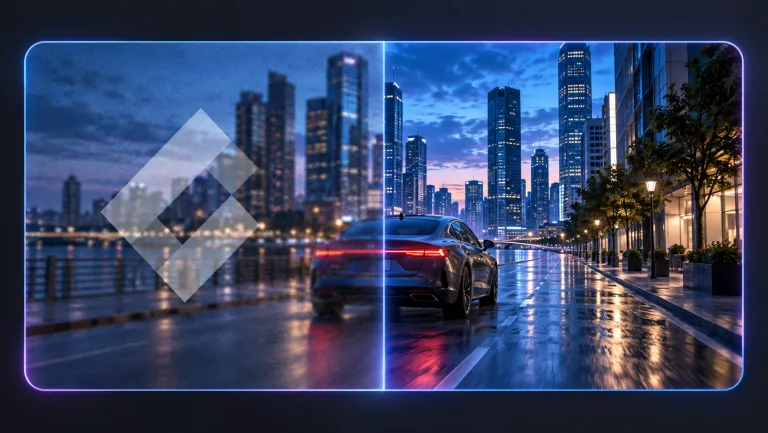
Scene three: a city street at dusk, traffic lights reflecting on wet pavement, cars passing at a steady pace.
Expected output
A dusk street clip with reflected lights and steady traffic motion; the pace matches the closing beat.
Outline the scenes first, then describe each one so the piece has a clear beginning, middle, and end.
Generate each scene separately, which keeps motion and composition focused and makes retakes easier.
Review every generated scene, keep the ones that fit, and combine the parts you want in your edit.
Describe the desired scene and motion.
Choose the available generation settings.
Generate, review, and download a suitable result.
Plan scenes in order so the generated parts stay consistent and easy to assemble.
Copy a structure, then adjust the subject, lighting, camera, and output details for your own result.
A closed white box on a clean surface, soft overhead lighting, camera slowly pushing in from a wide shot
Sets up anticipation with a simple static subject and slow camera motion, works as an opening beat before the reveal scene.
A tidy desk with laptop, notebook, and coffee cup, morning sunlight from left window, static wide shot holding for three seconds
Establishes location and mood without complex motion, easy to match with subsequent closer shots if you maintain the lighting direction.
Hands opening a laptop on the same desk, screen glowing to life, camera angle from above the keyboard
Adds action and visual interest between static shots, the hand motion gives the viewer something to follow into the next scene.
Extreme close-up of fingers typing on laptop keyboard, shallow depth of field, keys in sharp focus, warm indoor lighting
Provides visual variety and emphasizes activity, works well as a bridge between wider shots in a tutorial or demonstration sequence.
The same desk from a wider angle, laptop closed, empty coffee cup, late afternoon golden light, camera slowly pulling back
Signals completion by returning to a similar composition but with changes that show passage of time, the pullback creates a sense of closure.
Match the workflow to the input you have and the result you need before opening the generator.
Input: Scene list with: wide intro, process close-ups, result wide shot, each with consistent lighting and subject
Result: A set of clips that cut together smoothly to show a complete process
Tool: AI Video Generator with scene-by-scene planning and consistent descriptors
Input: Opening scene establishing context, multiple angle shots of the product, closing scene showing use or result
Result: Professional-looking product footage from multiple angles ready for editing
Tool: AI Video Generator with planned camera angles and lighting consistency
Input: Storyboard with numbered scenes, each describing setting, character action, and mood progression
Result: Individual story beats that you can review and assemble into a narrative arc
Tool: AI Video Generator with scene list and continuity notes for character and setting
Input: List of thematically related scenes with varied camera angles and consistent visual tone
Result: A collection of clips that feel cohesive when cut together with music or voiceover
Tool: AI Video Generator with style consistency across varied subjects
Power up your creative workflow with our AI-driven tools. Generate stunning videos, create images, and apply custom adjustments - our AI Video Generator and AI Image Generator offer a complete solution for all your creative needs.
Choose the credit package that works best for you.
No hidden fees • Cancel anytime • Unused credits roll over
Perfect for trying out AI creation.
Credits
2,400 credits per year
$59.99/year billed yearly
You save $60 · the equivalent of 6 months free
What's included
Perfect for light creators.
Credits
6,000 credits per year
$119.99/year billed yearly
You save $120 · the equivalent of 6 months free
What's included
Best value for creators.
Credits
14,400 credits per year
$399.99/year billed yearly.
Save $80 compared to monthly
What's included
For video creators and power users.
Credits
60,000 credits per year
$999.99/year billed yearly.
Save $200 compared to monthly
What's included
Questions? Contact us at support@domer.io
Open the text-to-video tool, write your scene list, and generate the first scene to review.