Limited Time Offer: Get 50% OFF Starter & Basic Yearly Plans 🎉
Factors AI Video Generator
Use factors ai video generator to learn which factors affect AI video generation. Experiment with prompt detail, scene complexity, and generation settings.
Prompt specificity, scene complexity, motion description, lighting cues, and generation settings all influence the quality and coherence of AI-generated video. More detailed prompts with clear subjects and focused motion tend to produce more predictable results, while crowded or abstract descriptions can lead to less coherent outputs.
Factors AI Video Generator
Detailed vs simple prompt
Input
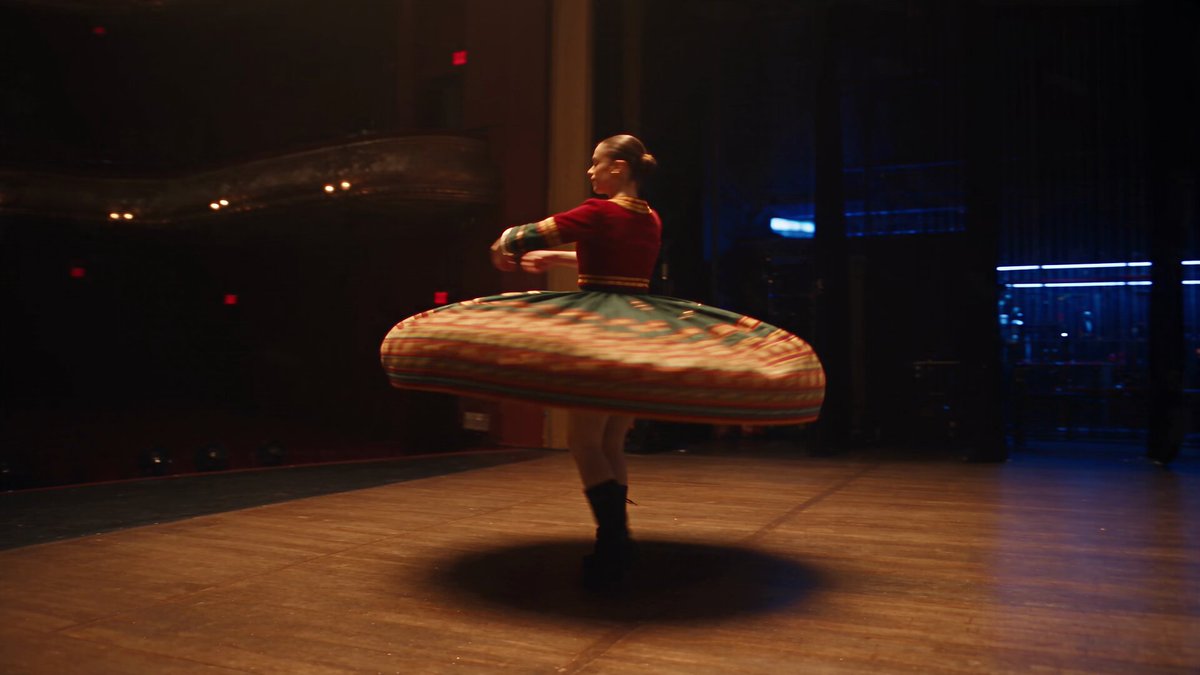
Detailed: A sunlit garden with blooming red roses, a weathered wooden bench, yellow butterflies moving between flowers, gentle breeze swaying petals. Simple: A garden with flowers.
Expected output
The detailed prompt produces a scene with specific subjects and motion; the simple prompt yields a basic garden scene.
Motion description impact
Input
Fast: A fast-paced drone shot racing through a narrow forest canyon. Slow: A slow, steady walk through a quiet forest path.
Expected output
The fast prompt results in quick, dynamic motion; the slow prompt produces gentle, steady movement through the scene.
Lighting and atmosphere
Input
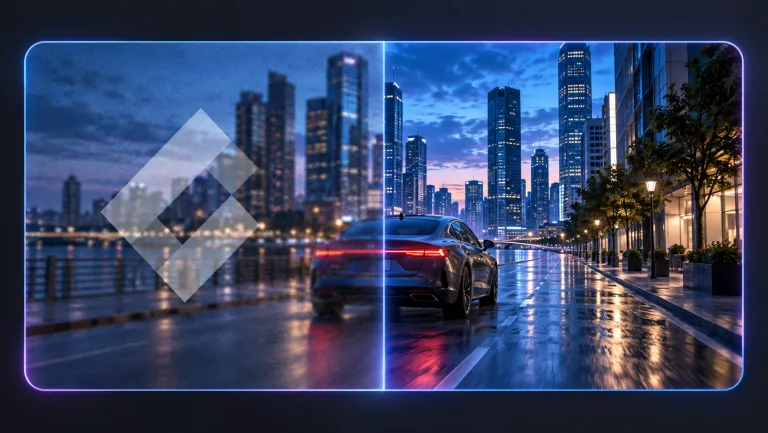
Dark: A dark, rainy alleyway with neon reflections on wet pavement, moody blue lighting. Bright: A bright sunny alleyway with flowers in window boxes.
Expected output
Each lighting description produces a distinct atmosphere, showing how scene-setting terms affect the visual result.
Understand what factors affect AI video generation quality and output
Write better prompts
Understanding factors that influence generation helps you write prompts that produce the results you want.
Iterate faster
Knowing which variables to adjust saves time when refining a scene between generations.
More predictable outcomes
Clear cause-and-effect understanding of prompt factors reduces trial and error.
How It Works
1
Describe the scene
Describe the desired scene and motion.
2
Choose generation settings
Choose the available generation settings.
3
Generate and download
Generate, review, and download a suitable result.
Key factors that affect results
Prompt specificity, scene complexity, motion description, and generation settings all influence the output quality and coherence.
Input Constraints
Avoid contradictory instructions in the same prompt.
Keep scenes focused on one primary subject for best coherence.
Simple prompts with clear actions often produce more consistent results than crowded descriptions.
Practical Tips
Test one variable at a time by changing only one element between generations.
Start broad, then add detail after reviewing the first result.
Note which prompt elements consistently produce better outputs for your use case.
Privacy
Do not upload personal or sensitive material unless you have permission to use it.
Usage Rights
Confirm that you have the rights needed for the inputs and intended use of the result.
Prompt recipes
Copy a structure, then adjust the subject, lighting, camera, and output details for your own result.
Test prompt specificity
A park bench under a large oak tree. Then: A worn wooden park bench under a large oak tree with low-hanging branches, dappled sunlight on the grass, a squirrel running up the trunk.
Comparing a vague prompt to a detailed one shows how specificity changes the output quality and coherence.
Experiment with scene complexity
Simple: A single bird flying across a clear blue sky. Complex: Five birds weaving through tree branches in a dense forest while rain falls and wind shakes the leaves.
Contrasting simple and complex scenes reveals how added elements affect generation stability and visual clarity.
Vary motion speed
A river flowing gently through a meadow. Then: A fast-moving river rushing over rocks with white water splashing and mist rising.
Changing motion descriptors isolates the effect of motion speed on the generated clip.
Adjust lighting cues
A forest path. Then: A forest path at golden hour with warm orange light filtering through the trees and long shadows on the ground.
Adding specific lighting cues shows how atmosphere and mood are shaped by lighting descriptions.
Compare subject clarity
Vague: Something moving in water. Clear: A goldfish swimming in a round glass bowl on a windowsill with sunlight coming through.
Contrasting unclear and clear subject descriptions demonstrates the importance of naming what you want to see.
Best use cases
Match the workflow to the input you have and the result you need before opening the generator.
Use case
Best input
Expected result
Tool
Learning prompt design
Simple scene with one variable changed each time
Clear cause-and-effect understanding of which prompt elements produce better outputs
Text to Video with systematic prompt variations
Troubleshooting poor results
A prompt that failed, then a simplified version with fewer elements
Identification of which part of the prompt caused the problem
Text to Video with iterative simplification
Optimizing generation time
Test the same prompt with different generation settings
Insight into which settings balance quality and speed for your use case
Text to Video with setting comparisons
Learning prompt design
Input: Simple scene with one variable changed each time
Result: Clear cause-and-effect understanding of which prompt elements produce better outputs
Tool: Text to Video with systematic prompt variations
Troubleshooting poor results
Input: A prompt that failed, then a simplified version with fewer elements
Result: Identification of which part of the prompt caused the problem
Tool: Text to Video with iterative simplification
Optimizing generation time
Input: Test the same prompt with different generation settings
Result: Insight into which settings balance quality and speed for your use case
Tool: Text to Video with setting comparisons
Limitations to know before generating
Understanding factors does not guarantee perfect results; generation still depends on model capabilities and prompt clarity.
Testing every variable systematically can be time-consuming for complex scenes.
Some factors interact in unpredictable ways, so isolated tests may not fully capture real-world prompt behavior.
Generated results should always be reviewed; understanding factors improves consistency but does not eliminate the need for human review.
The effect of each factor can vary depending on the generation model and settings available at the time.
Creative Suite: AI Video Generator & AI Image Generator Tools
Power up your creative workflow with our AI-driven tools. Generate stunning videos, create images, and apply custom adjustments - our AI Video Generator and AI Image Generator offer a complete solution for all your creative needs.