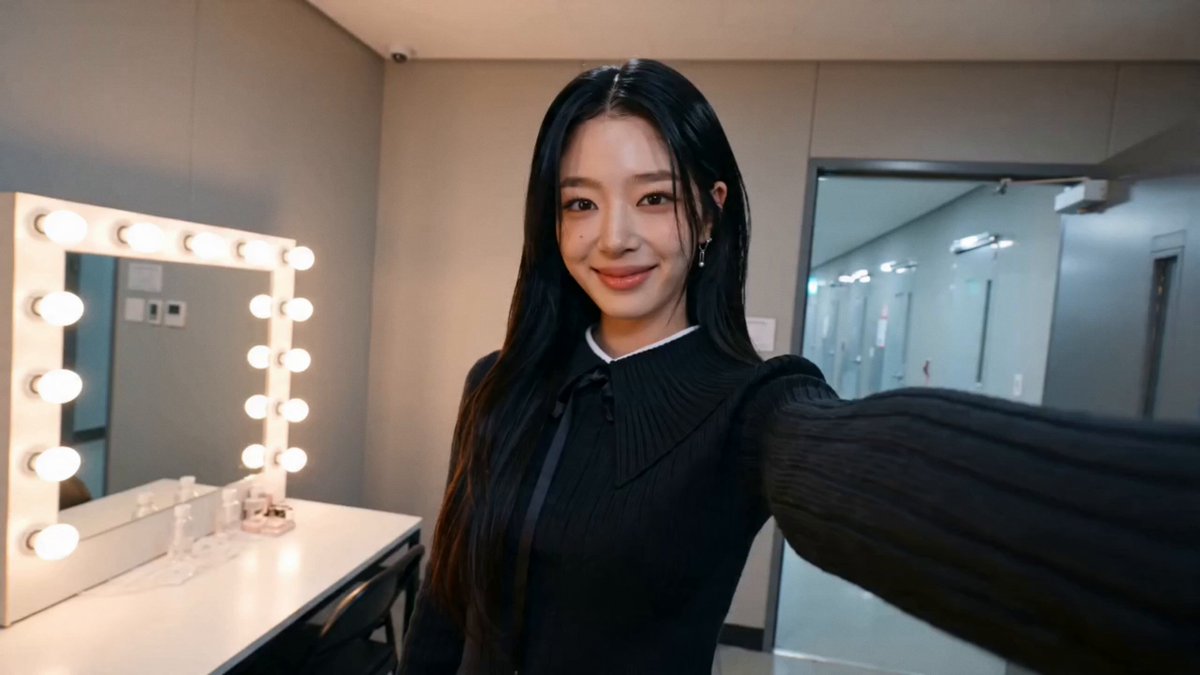
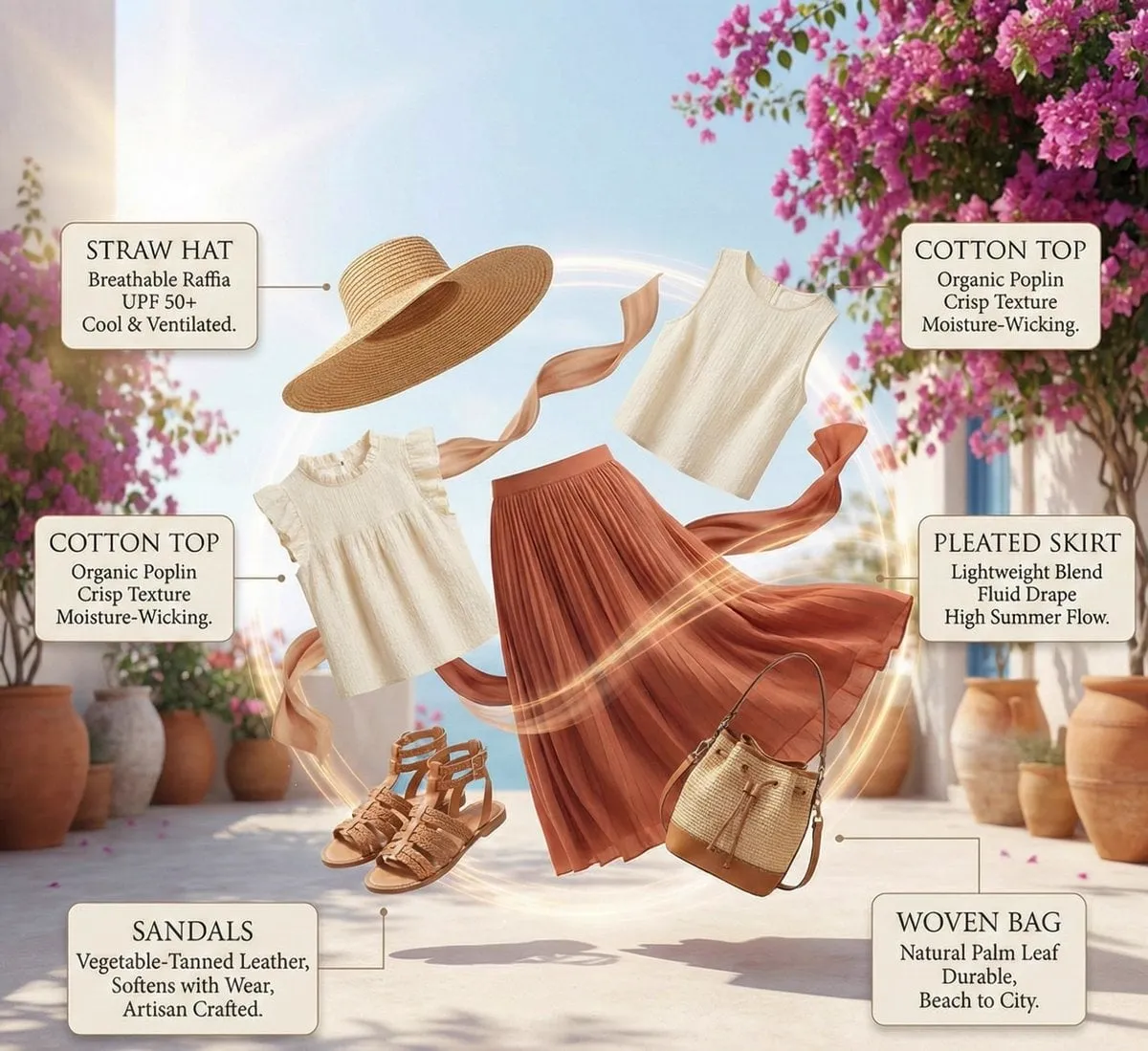
A script for an AI image generator is code that automates image creation by sending prompts and parameters programmatically. Instead of generating images one at a time through a web interface, you can use scripts to process batches, apply consistent settings across multiple outputs, or integrate image generation into larger workflows.
Script For AI Image Generator
Batch Character Portraits
Input
A script that generates ten fantasy character portraits with consistent art style but different features
Expected output
A set of character portraits from an automated batch, each with unique features but a shared visual style
Product Image Series
Input
A script generating product images against four different background colors for A/B testing
Expected output
Multiple product images with identical lighting and angle but varied background colors
Landscape Variations
Input
A morning, afternoon, evening, and night version of the same forest scene
Expected output
Four landscape images showing the same scene under different lighting conditions
Automate image generation workflows through code and scripting
Automate image generation through API calls
Integrate image generation into automated workflows and batch processing pipelines.
Generate consistent image sets programmatically
Produce multiple images with consistent styling and parameters through scripts.
Integrate image generation into existing workflows
Connect image generation to your existing tools and processes through programmatic access.
How It Works
1
Describe the Desired Image
Describe the desired image.
2
Choose the Available Generation Settings
Choose the available generation settings.
3
Generate, Review, and Download a Suitable Result
Generate, review, and download a suitable result.
Tips for Effective Image Generation
Get the best results from your text-to-image prompts.
Input Constraints
Keep descriptions clear and specific for more accurate results
Describe the subject, setting, lighting, and style for better control
Avoid ambiguous terms that could be interpreted multiple ways
Practical Tips
Lead with the main subject: person, object, or scene first
Add descriptive details: colors, lighting, mood, and composition
Mention the desired art style: realistic, watercolor, 3D render, etc.
Specify the format: portrait, landscape, close-up, wide shot
Privacy
Do not upload personal or sensitive material unless you have permission to use it.
Usage Rights
Confirm that you have the rights needed for the inputs and intended use of the result.
Prompt recipes
Copy a structure, then adjust the subject, lighting, camera, and output details for your own result.
Batch Product Variants with Consistent Angle
A wooden desk organizer photographed from a 45-degree angle, soft natural lighting from the left, clean white background, photorealistic product photography style
Uses consistent composition and lighting language so the script can generate multiple product shots with the same visual treatment but different items or colors.
Character Portrait Series with Shared Style
A fantasy warrior character, front-facing portrait, detailed armor with unique heraldry, dramatic side lighting, digital illustration style with painterly textures
Defines a clear visual framework and leaves character-specific details flexible, making it easy to script variations by swapping armor design or heraldry.
Seasonal Landscape Loop
A countryside meadow with rolling hills and a single oak tree, season lighting and color palette, wide shot, natural landscape photography
Uses a placeholder for season so the script can substitute spring, summer, autumn, winter to generate a cohesive seasonal set from the same composition.
A/B Testing Background Colors
A modern smartphone displayed at a slight angle, studio lighting with soft shadows, background color gradient background, product photography
Keeps the subject and lighting constant while scripting the background color as a variable, ideal for generating A/B test assets.
Time-of-Day Scene Progression
A lakeside cabin with a wooden dock, reflections on calm water, time of day lighting with appropriate sky color, serene atmosphere, landscape photography
Defines a fixed scene and composition, then scripts the time-of-day lighting as a parameter to create a cohesive progression from dawn to night.
Best use cases
Match the workflow to the input you have and the result you need before opening the generator.
Use case
Best input
Expected result
Tool
Generate product images with different backgrounds
Script a fixed product description with a background color variable
Consistent product images across multiple background options for A/B testing
Text to Image
Create character avatar sets for a game
Write a shared style prompt and loop through character-specific features
A batch of character portraits with consistent art style and varied features
Text to Image
Build a seasonal image gallery
Define a landscape composition and script seasonal lighting keywords
Four versions of the same scene with spring, summer, autumn, and winter treatments
Text to Image
Automate daily social media visuals
Script a prompt template with placeholders for daily themes or keywords
A scheduled batch of images aligned with a content calendar
Text to Image
Generate product images with different backgrounds
Input: Script a fixed product description with a background color variable
Result: Consistent product images across multiple background options for A/B testing
Tool: Text to Image
Create character avatar sets for a game
Input: Write a shared style prompt and loop through character-specific features
Result: A batch of character portraits with consistent art style and varied features
Tool: Text to Image
Build a seasonal image gallery
Input: Define a landscape composition and script seasonal lighting keywords
Result: Four versions of the same scene with spring, summer, autumn, and winter treatments
Tool: Text to Image
Automate daily social media visuals
Input: Script a prompt template with placeholders for daily themes or keywords
Result: A scheduled batch of images aligned with a content calendar
Tool: Text to Image
Limitations to know before generating
Scripted generation requires technical knowledge of HTTP requests or API integration.
Batch outputs are only as consistent as the prompt structure; variation in wording can produce unexpected results.
Large batch jobs may take time to complete and should include error handling for failed generations.
Human review is still necessary to ensure each generated image meets quality and intent standards.
Not all visual elements can be parameterized; some creative details are difficult to script precisely.
Creative Suite: AI Video Generator & AI Image Generator Tools
Power up your creative workflow with our AI-driven tools. Generate stunning videos, create images, and apply custom adjustments - our AI Video Generator and AI Image Generator offer a complete solution for all your creative needs.