
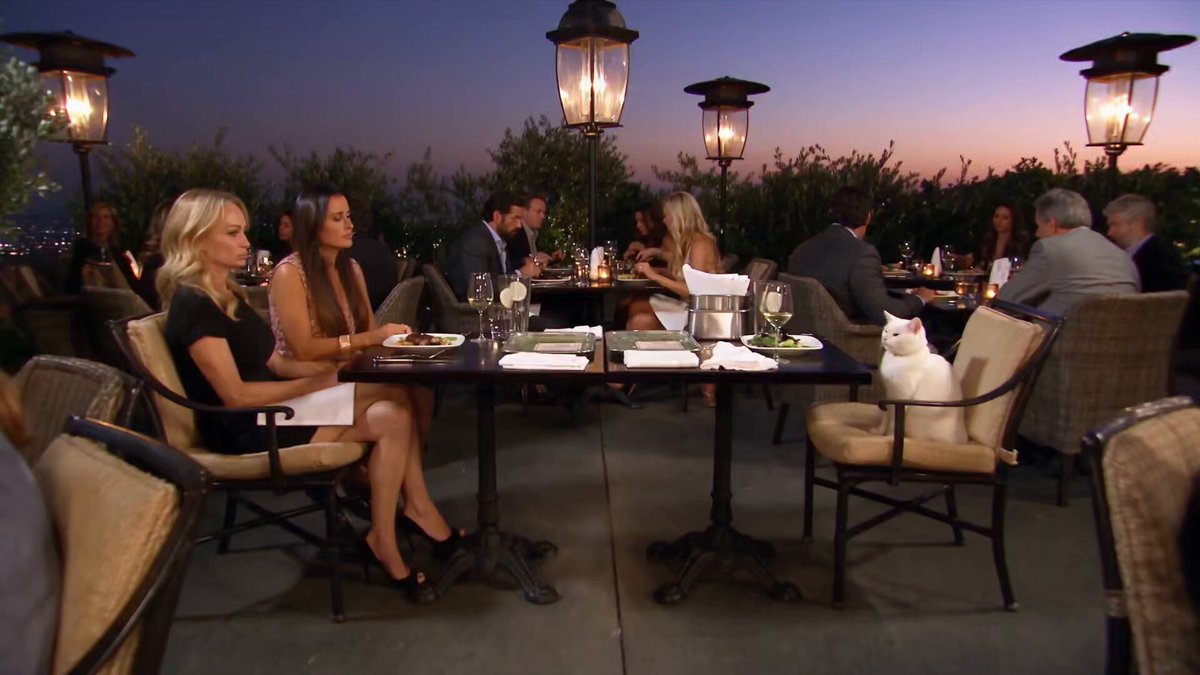
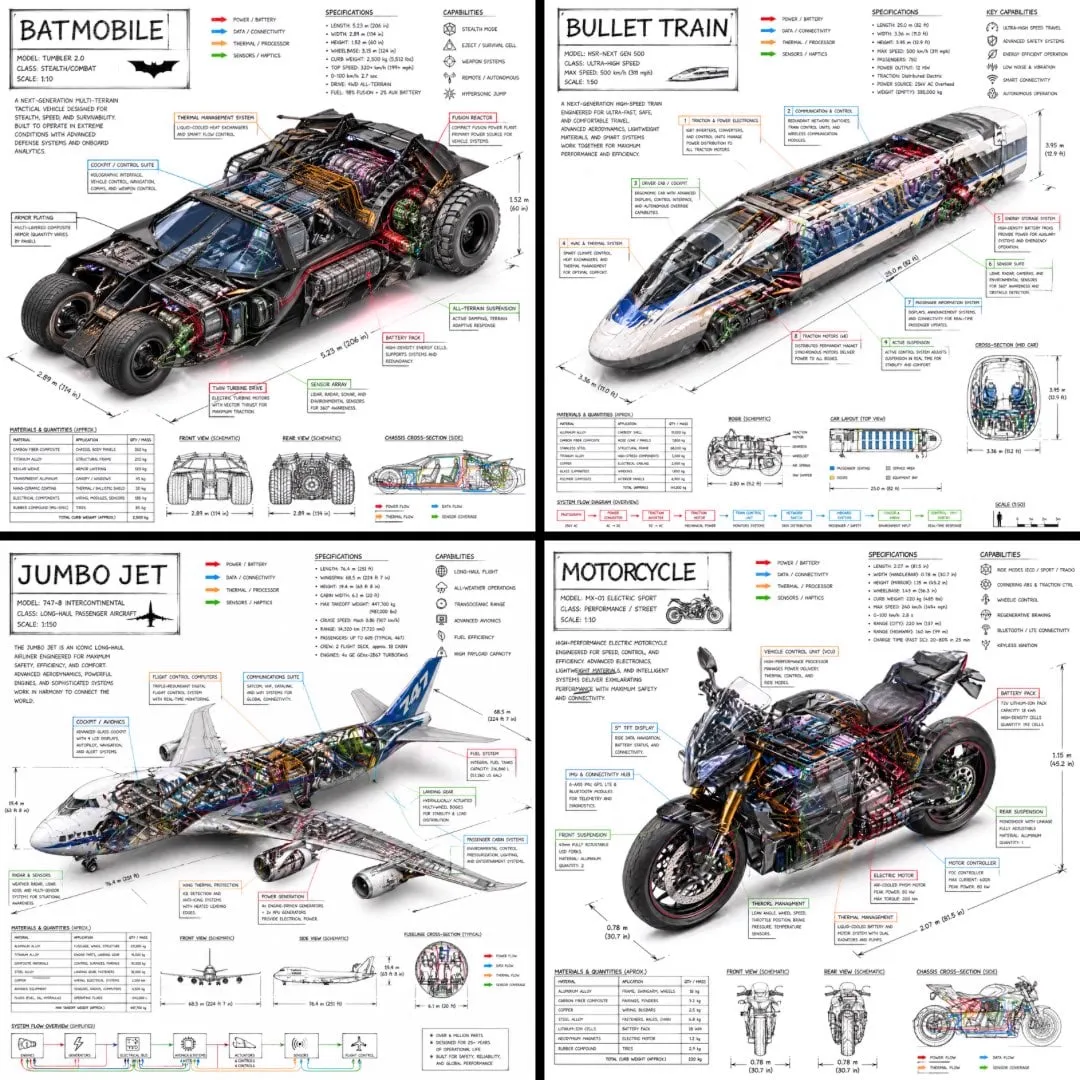
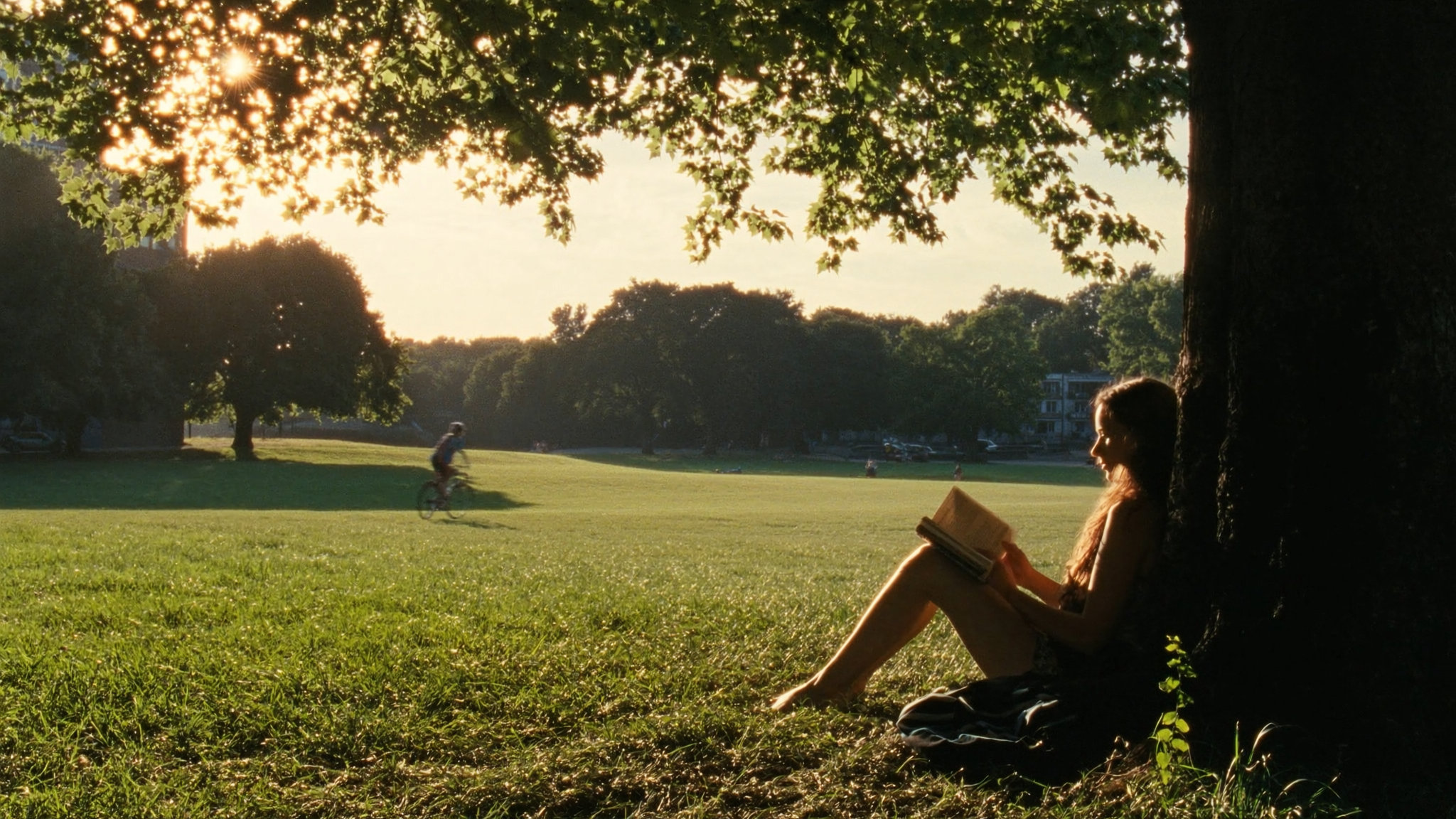
Cinematography used to mean mastering physical lighting, precision lenses, and years on a real set. That world has not disappeared, but it has been joined by something faster and more accessible: AI-driven cinematic generation. Today, a single creator with good taste can produce shots that carry the visual language of big-budget film, not by renting expensive equipment, but by understanding how to choreograph modern generative video tools.
This is a practical, advanced course in AI cinematography. It moves from the fundamentals of the craft, through the specific techniques that separate hobbyist output from credible work, and into the production discipline that turns isolated clips into a coherent, cinematic piece. You do not need a film school degree. You need to understand visual language, master a few core tools, and build a repeatable pipeline.
The New Paradigm: Thinking in Multiple Models
The first mental shift is to stop thinking about a single magic tool and start thinking in terms of a toolbox. Modern AI cinematic work is model-agnostic at heart: the craft lies in choosing the right model for each specific job, not in relying on one engine for everything.
A photorealistic landscape calls for a model with strength in realistic physics and light. An animated, stylized sequence wants a model tuned for illustrative language. A fast turnaround of social clips wants something quick and cost-effective. The pro does not have a favorite model; they have a routing instinct that sends each task to the motor best suited for it.
This changes how you plan a project. Instead of imagining a single prompt producing everything, you storyboard your shots and assign a model strategy to each one. Some shots justify the premium engine; others are perfectly served by an economical one. That decision-making, applied across a whole video, is a large part of what makes the final result feel cinematic rather than random.
The Cinematographer's Vocabulary, Recast for AI
All the classical concepts of cinematography still apply. You just express them differently, as prompts and controls.
Frame and Composition
Every AI image model understands composition language. Leading lines, rule of thirds, negative space, symmetry, and frame-within-frame are all terms you can describe directly. The payoff is immediate: a shot described with "wide symmetric frame, subject centered, strong depth of field" reads entirely differently from a vague request.
Lighting and Mood
Lighting is where mood is born. Key light, fill light, rim light, hard versus soft light, warm versus cool color temperature, all of these translate into cinematic output. Describe your lighting scheme the way a gaffer would, and the model responds with footage that carries a clear emotional temperature.
Lens and Perspective
You can now express lens choices as language. A wide-angle creates dramatic perspective, a telephoto compresses space and flattens depth, and a tilt introduces unease. Learning to describe the lens effect you want lets you bend the psychology of each shot deliberately instead of accepting whatever the model defaults to.
Building Cinematic Quality With Advanced Models
Raw quality comes down to the model and how well you ride it. The best results do not happen by luck; they follow from understanding each model's strengths and working with them.
Photorealism and Style Fidelity
Models built for high fidelity combine strong physics simulation, realistic lighting, and impressive stability. They maintain consistent physical laws and a coherent style across seconds of footage, which is exactly what makes a shot believable. Use them when realism and polish matter most, for establishing shots, product content, and anything that needs to feel grounded.
For highly stylized work, they still shine when you give them a strong style reference. The key is to commit to a single artistic direction and feed it consistently, so the model builds and maintains that world rather than drifting between looks.
Motion and Cinematic Dynamism
The emotional heart of cinema is motion. Modern video models understand how subject, camera, and physical forces interact. Describing a camera arc around a still subject, a slow push-in that builds tension, or a dynamic tracking shot through an environment produces motion that feels directed, not procedural.
The trick is to be precise about the pace and direction of that motion. A slow, deliberate camera move conveys a completely different feeling from a whip pan. Learn to describe the tempo of your camera language, and you take control of the audience's attention.
Lens Control and Cinematic Aesthetics
Newer generations of video tools add actual lens behavior, focal length control, depth-of-field management, and even subtle lens characteristics. This is where the cinematic look stops being incidental and becomes deliberate. Choosing a long lens with shallow depth of field to isolate a subject from its background, or a wide lens to exaggerate scale, becomes a direct authorial choice.
The gain is expressive range. You can produce a locked-off, contemplative close-up and then a soaring, kinetic travel shot in the same project without breaking the audience's trust in the visual world, because each choice is a conscious tool rather than a default.
Directing With AI: Automation of Cinematic Judgment
Beneath the raw generation tools sits a quieter revolution: the idea of an AI director that interprets your creative intent and translates it into concrete production guidance. This is less about a specific product than about a capability that is increasingly baked into good platforms.
An agentic director understands the emotional arc of a scene. When you describe a mood, a turning point, or a style target, it can recommend the right combination of camera angle, motion, and pacing, then execute a coherent sequence rather than a single clip. It labels the emotional beats, maps tone to shots, and automates the repetitive work of turning a script into a production plan.
The practical benefit is that you focus on vision while the system handles execution details. But the craft skill is still yours. An AI director is only as good as the intent you express. Learning to articulate a clear emotional and narrative direction to your tools is the modern equivalent of knowing how to brief a camera team.
A Production Pipeline for Cinematic Output
Cinematic results come from discipline. Here is a pipeline that reliably produces quality instead of a pile of pretty but unrelated clips.
Step One: Script and Mood Boards
Write the intent first. For any real project, produce a short script and a mood board of the visual direction. This is your creative contract, the reference you return to every time a generation drifts.
Step Two: Shot List and Model Routing
Break the script into individual shots. For each shot, decide the model strategy, the keyframe set, and the style anchor. This is where your multi-model thinking becomes a written plan.
Step Three: Validate With Quick Tests
Before committing to expensive rendering, generate low-cost tests for the difficult shots. Confirm the character identity, the lighting, and the overall feel before you spend real render budget. Fix problems now, cheaply.
Step Four: Produce in Batches
Render the approved shots in a batch pass, keeping identity and style references consistent throughout. Batch production keeps the look uniform and is dramatically more efficient than jumping between shots.
Step Five: Grade and Assemble
Assemble the shots on a timeline and apply a single color-grading pass across the whole piece. The final grade is what sells the footage as one cohesive film rather than separate clips. Add sound, music, and titles, then review the complete work with fresh eyes.
Cost Optimization Without Losing Quality
Film production has always been about protecting a budget. AI cinematography has its own version of this, and it rewards the same financial discipline.
Use economical models where they are good enough. Coverage shots, experiments, and anything that will be heavily edited can come from a fast, low-cost model without degrading the final product. Reserve premium engines for hero shots, the handful of moments that define the emotional peak and visual credibility of the piece.
Time is also a currency. A strategy that avoids endless regenerations, by nailing the reference set and style anchor early, saves the most precious resource a creator has. Learn to test cheap and commit expensive, and your budget will stretch surprisingly far.
Troubleshooting the Common Cinematic Failures
Even a strong workflow runs into problems. Here is how to diagnose the recurring ones.
Characters Drift Between Shots
The identity is not anchored. Return to a multi-image reference set for each character and reuse it for every shot. Face, wardrobe, and lighting must stay consistent in the references you feed.
The Image Is Rich but Motion Looks Odd
You asked for motion without anchoring it in a pose. Add keyframes, defined start and end poses with the correct identity, so the model knows what the character is actually doing rather than inventing movement.
The Cut Feels Random, Like Separately Made Clips
This is a grading and style drift problem. Reuse a single style anchor across shots and apply one color grade at the end. If shots were generated at different times or with different prompts, unify them in the timeline before you judge the edit.
Nothing Feels "Cinematic" No Matter What You Do
You are probably missing the deliberate use of lighting, lens, and composition language. Go back to describing your shots with intent: a defined lighting scheme, a chosen lens, a specific composition. Generic prompts produce generic output, however powerful the model.
Frequently Asked Questions
Do I need to learn traditional cinematography to be good at AI video? It helps enormously, but it is not mandatory. The classical vocabulary, composition, lighting, lens, framing, is exactly what translates into good AI prompts. You can learn it as you go by studying how these concepts appear in films you love.
What model should I start with? Start with one well-regarded all-rounder to learn the craft, then expand only as projects demand it. Breadth of tools is less important early on than depth of understanding of one.
How do I keep a consistent style across a whole video? Use a single style anchor, keep character references fixed, and apply one color grade across the assembled timeline. Consistency is enforced, not hoped for.
Is AI cinematography going to replace the human role? No. It removes drudgery and lowers cost, but it shifts the human role to vision and direction. The person who can articulate intent, taste, and narrative is more valuable, not less, in an AI production pipeline.
Learning Cinematic Grammar From the Films You Love
The fastest way to sharpen your AI cinematography is to study films the way a director does, and then translate what you observe into prompt and pipeline decisions. You do not need a film school; you need a note-taking habit and a willingness to break a movie down.
Watch for One Element at a Time
Instead of watching passively, pick a single element and follow it through the whole film: how the director uses light, how the camera moves during dialogue, how color shifts between emotional beats. Watching for one thing teaches you that element far more deeply than notice everything at once.
Turn Observations Into Prompts
Every observation is a potential prompt ingredient. When a scene holds the audience with a slow push-in on a half-lit face, describe exactly that, the lens, the light ratio, the pace, and test it in your own tools. The note-to-prompt translation is the training that makes your instinct sharper.
Build a Style Vocab Notebook
Keep a notebook where each entry names a technique, shows a reference frame, and states the prompt language that reproduces it. Over time this becomes a personal cinematic grammar, a library of moves you can reach for whenever a story needs a specific emotion.
Reverse-Engineer Your Favorite Decades
If you love the look of a particular era, analyze its light, lens, and grain, then reproduce those features deliberately in your own projects. Recreating a period feel is one of the best exercises in cinematic attention, because it forces you to name what you used to only feel.
The Craft Is Still Yours
The most productive way to think about AI cinematography is as an expansion of your potential, not a replacement of your taste. The tools handle the hard, mechanical work of rendering consistent, believable images. The craft the decision to use one lens language over another, to light a scene a certain way, to cut at a beating emotional moment remains entirely human.
Start small: take one short, emotionally clear piece and run it all the way through the pipeline, from script and mood board to final graded assembly. Each time you do it, your instinct for routing models, building references, and carrying a visual language all the way to the last frame will sharpen. That instinct, not any single tool, is what makes your work cinematic.
