
From Simple Prompts to Cinematic Language
Understanding basic text-to-video prompts is the entry level. The next step is mastering the visual grammar of cinema: lens choices, depth of field, camera movement, and lighting. With AI, these techniques are no longer reserved for professional crews — they're accessible through precise prompting and the right tools.
Virtual Camera Operation
Modern models simulate optical physics, so you can control:
- Depth of field: describe aperture and subject distance;
- Focus pulling: move focus between subjects within a shot;
- Focal length: choose between wide, normal, and telephoto looks.
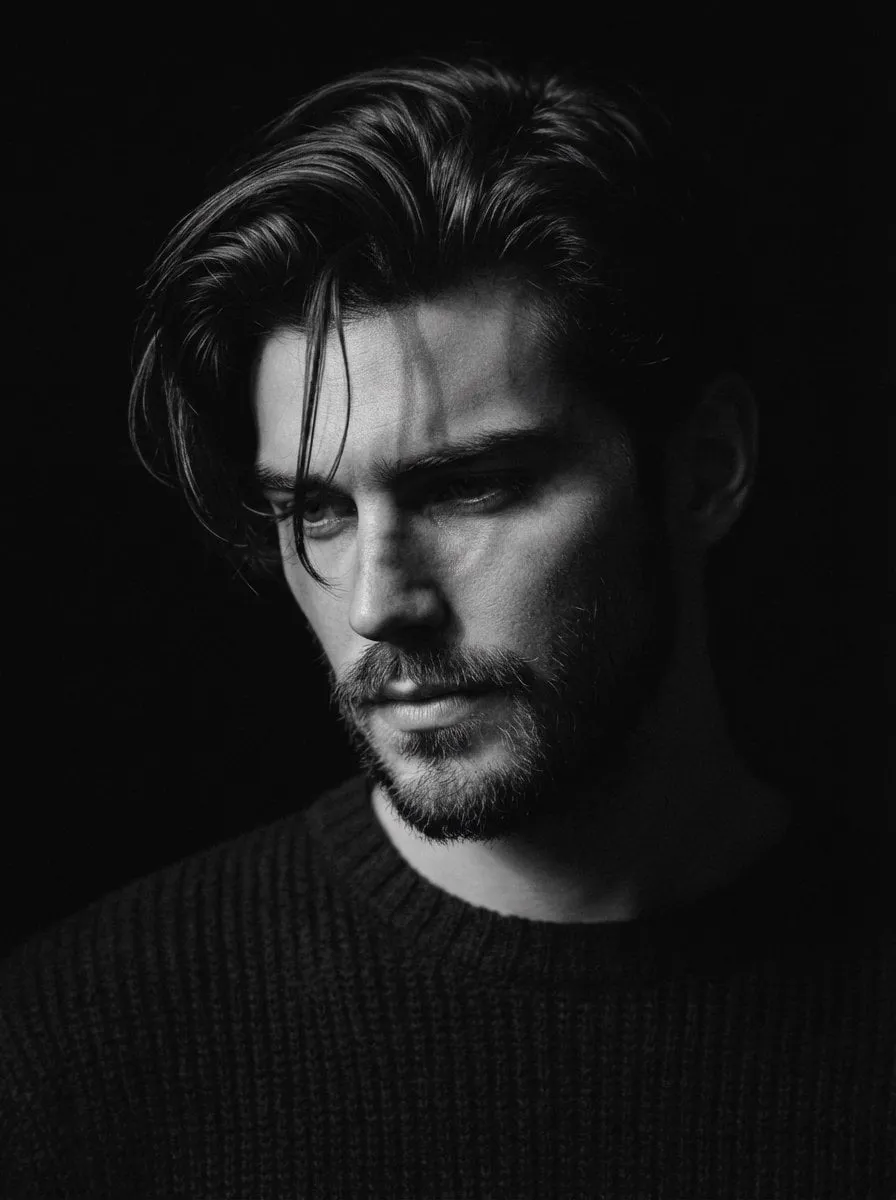
Instead of saying "close-up," say "85mm prime lens, shallow depth of field, subject's eyes in sharp focus." Small details change the entire feel of the shot.
Complex Camera Movement
Traditional filmmaking used cranes and dollies. AI achieves the same through motion vectors:
- Define start, end, and intermediate waypoints;
- Set velocity parameters for smooth motion;
- Experiment with impossible moves, like flying through objects.
Models that excel at natural motion keep the scene coherent during these dynamic shots. Try generating the base scene with text-to-video, then refine movement with more advanced tools.
Directing with AI Agents
AI director agents interpret abstract intent: "create a sense of oppressive isolation" becomes concrete parameters for lens, lighting, and pacing. They handle the technical heavy lifting, letting you focus on narrative rhythm and emotional impact. This is especially useful when working across the AI video generator model library.
Style Consistency Across Scenes
Style drift is the silent killer of cinematic projects. Fix it with:
- Reference images: anchor character and set design;
- Lighting schemas: apply the same three-point or low-key setup across scenes;
- Color grading: lock the palette from start to finish.
Build the visual anchors with an AI image generator, then maintain them across every generation.
A Progressive Learning Path
- Master one camera move at a time;
- Experiment with depth of field and lens emulation;
- Build a consistent character reference set;
- Learn to describe lighting schemes precisely;
- Combine techniques into a full narrative sequence.
FAQ
Do I need film school knowledge? No, but learning the basic vocabulary (lens, depth of field, rule of thirds) dramatically improves results.
Can AI match studio cinematography? For many formats, yes — especially short-form and commercial content. Human oversight still matters for complex narratives.
Where to practice? Browse the AI tools directory and start with a single-shot exercise: describe the same scene with different camera settings and compare.
