
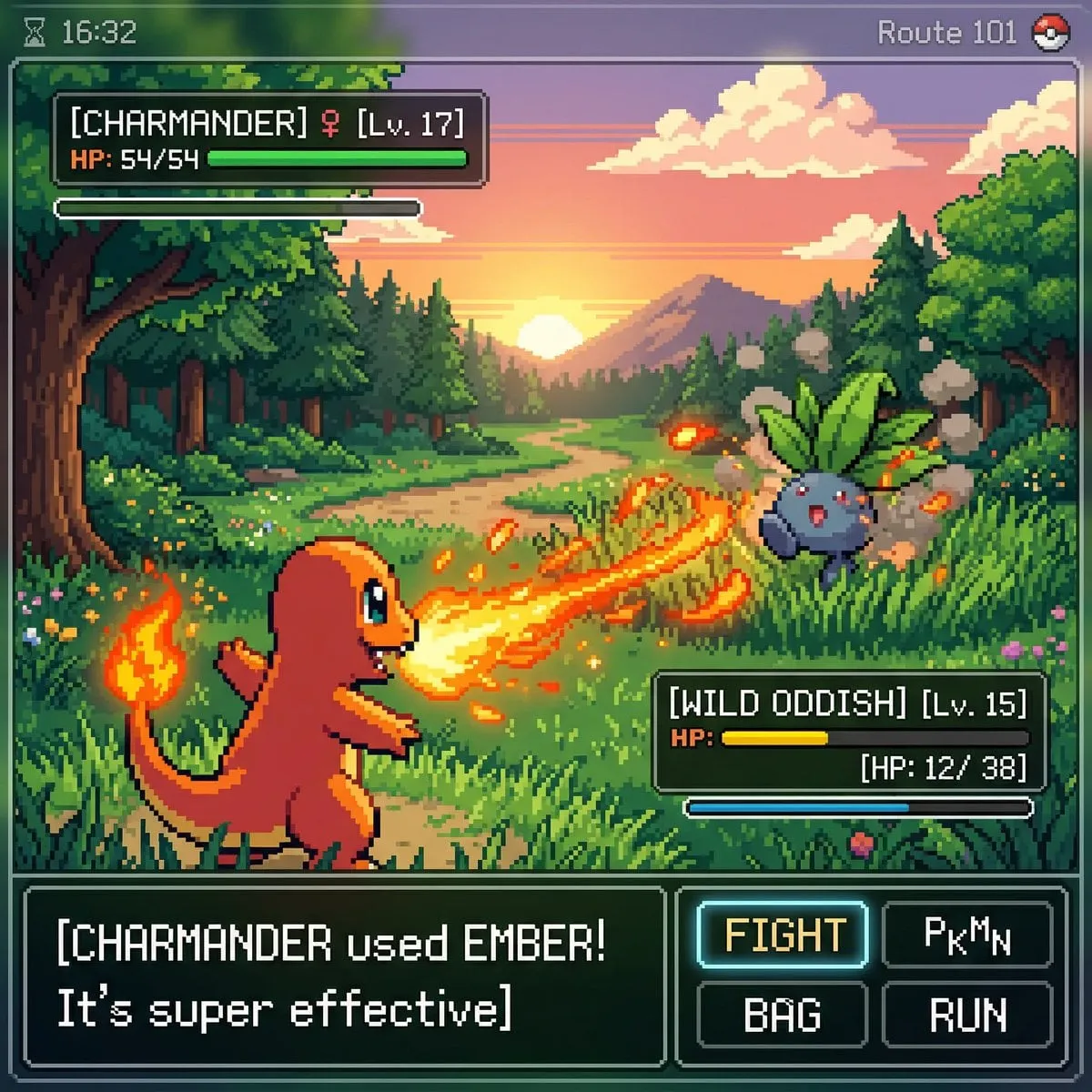

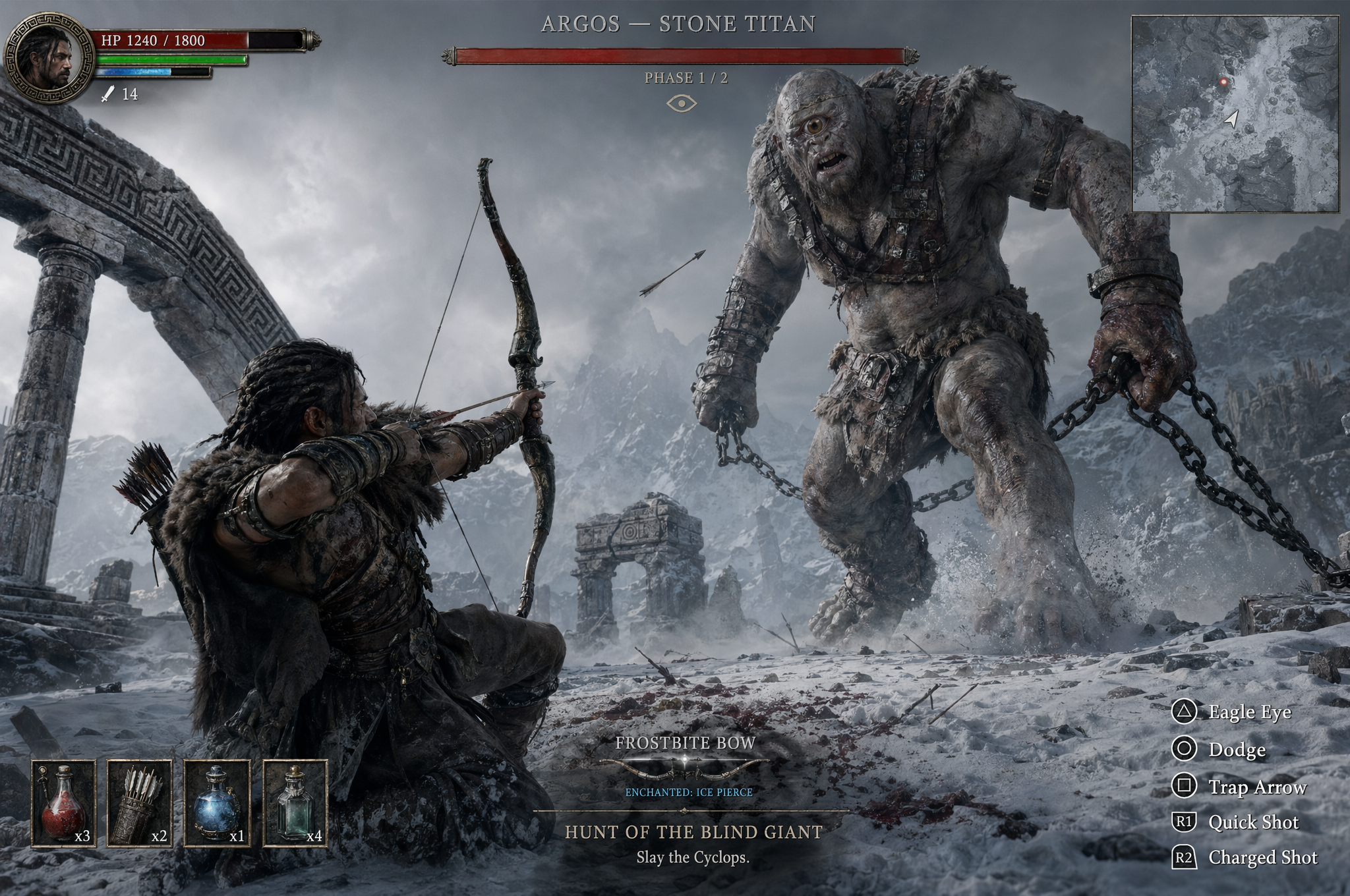
What Text-to-Video Really Means in 2025
Text-to-video has crossed a threshold. What was a curiosity in 2023, and a usable prototype in 2024, is now a professional production tool that independent creators, marketing teams, and even small film crews rely on every week. The idea is simple: you describe a scene in words, and a generative model produces moving images that match your description. The reality, of course, is more complicated. The gap between a throwaway demo clip and a sequence that can sit inside a real campaign or short film is still wide, and closing that gap requires understanding the models, the workflow, and the failure modes.
This guide is about the advanced side of that craft. It will not just list tools. It will explain how modern text-to-video models think, how to choose between them, how to keep characters and scenes consistent across multiple shots, and how to build a repeatable pipeline from idea to finished video. By the end, you should be able to look at a prompt, a model, and a rendered clip with the eye of someone who has done this before, not someone trying it for the first time.
Why Text-to-Video Became a Production Standard
The shift did not happen because one model suddenly became perfect. It happened because several things aligned at once.
First, the models themselves got dramatically better at understanding long, detailed prompts. Early generators would produce a beautiful frame that had almost nothing to do with what you asked for. Current flagship models parse paragraphs of instructions, respect shot-by-shot direction, and even follow simple camera cues such as push-in, low angle, or aerial establishing shot. Second, the cost of generation dropped enough that iterating on a clip is a normal part of the workflow instead of a luxury. Third, the ecosystem around the models matured: reference images, character keyframes, audio support, and editing tools now wrap the core generator into something closer to a complete production system.
For creators, the practical consequence is that video that used to require a shoot can now be produced from a desk. Product demos, explainer content, social clips, background b-roll, and even narrative experiments are all being generated rather than filmed. The result is rarely indistinguishable from a live-action shoot, and it does not need to be. The goal is to produce footage that serves the story at a fraction of the time and cost, and to iterate until the output is good enough to ship.
The Model Landscape in 2025
Fourth-Generation Models: Quality and Consistency
The current frontier is defined by a handful of fourth-generation models. Runway's Gen-4 line and the Flux Pro series represent the new standard for cinematic output. What separates them from earlier generations is not just resolution, but behavior: they handle longer text descriptions with surprising precision, and they maintain a consistent visual style across clips. This matters enormously in practice, because style drift is one of the fastest ways to break an audience's suspension of disbelief.
When you compare generations side by side, the difference shows up in details that are hard to fake: how light falls on skin, how fabric moves, how a character's face holds across different angles. Fourth-generation models are the ones that let you say "the same woman in a dark trench coat, rainy neon street at night, shot on 35mm" and get something close to that intent in every frame of the clip.
The Asian Contenders: Kling and MiniMax Hailuo
Western labs get most of the attention, but some of the most interesting progress in 2025 comes from Asia. Kling AI has become famous for physical realism and strong cultural adaptation, which makes it a favorite for scenes that require natural movement, water, cloth, and character actions that obey the laws of physics. MiniMax's Hailuo line, meanwhile, has quietly built a reputation for emotive, film-like output at a lower cost per render, which makes it attractive for creators who need volume without giving up quality.
The practical lesson here is to stop thinking in terms of one best model. The best model depends on the shot. A photoreal commercial product shot, a stylized anime action sequence, and a moody atmospheric landscape will each benefit from a different engine. The creators who get the best results in 2025 are the ones who treat the model library as a toolbox and switch engines per scene.
Narrative Control: Sora and PixVerse
OpenAI's Sora changed the conversation when it demonstrated long, physically coherent sequences. Its real contribution is temporal understanding: it keeps the world consistent over time, which is the difference between a moving image and a scene. Shadows stay put, reflections track correctly, and objects that disappear behind a character re-emerge on the other side. For anyone trying to build multi-shot narratives, this is the property that matters most.
PixVerse approaches the same problem from a different angle, with strong focus on cinematic lens control and prompt fidelity. Tools in this category are moving toward giving creators director-level control: choosing focal length, simulating camera moves, and locking composition across generations.
The takeaway: realism is table stakes. The differentiators are now consistency, control, and the ability to hold a story together over time.
Choosing the Right Model for the Job
Model selection is a decision, not a habit. Here is a practical framework for choosing an engine per scene.
Start with the subject. If the shot is a person, especially a close-up, prioritize models known for facial fidelity and emotional expression. If the shot is a landscape or architecture, prioritize models with strong environmental detail and physics. If the shot is a character doing a specific action, prioritize models with reliable motion.
Next, consider the style. Photorealistic output, cinematic color grading, anime, 3D-render look, and watercolor all respond differently across models. If your project has a defined visual style, run a small style test on two or three candidates before committing to a full render.
Then think about length. Some models degrade noticeably on long clips, while others are built for extended sequences. For a 10-second social clip you can use almost anything. For a 60-second narrative scene, choose a model with proven temporal coherence.
Finally, consider cost and iteration speed. The most expensive engine is not always the right one for exploration. Generate drafts on a fast, cheap model, and reserve the premium engine for the shots that will actually appear in the final cut.
Keeping Characters and Scenes Consistent
Consistency is the hardest technical problem in AI video, and the one that separates hobby projects from professional ones. The good news is that the workflow for solving it is now well established.
Reference Images and Character Keyframes
The foundation is reference imagery. Before generating a single clip, build a small set of reference frames for every recurring character: a front-facing portrait, a full-body shot, and a few action poses. These images become the anchor that the generator uses to keep the character recognizable. The more diverse the reference set, the better the model generalizes across lighting, camera angle, and emotion.
Multi-Image Fusion
Modern platforms integrate this idea through multi-image fusion. Instead of describing the character in words every time, you supply the images and the generator references them throughout the pipeline. The payoff is that the same character can pass through different models without collapsing into a different-looking person. This is the single biggest quality multiplier available to you right now.
Style Locking
Character consistency is only half the story. The other half is style consistency: the look of the world, the color grade, the lens character. Lock your style early by generating a reference frame for the whole project and reusing it as a style anchor. When every clip in a sequence shares the same light, color, and texture, the sequence reads as one coherent piece instead of a pile of unrelated shots.
The Role of AI Director Agents
A newer and genuinely useful layer on top of raw generators is the AI director agent. Instead of typing a prompt and hoping for the best, you give an agent the story beat and it proposes a shot list: what to show, from which angle, at what duration, in what order. The best of these agents understand basic cinematic grammar and translate it into parameters the generator can execute.
The practical benefit is speed and consistency of judgment. An agent that plans a scene the way a human director would can turn a vague idea into a structured sequence of prompts in minutes, and it can keep the visual language consistent across the whole sequence. You still need taste, and you still need to review every output, but the agent removes the blank-page problem that slows down most solo creators.
A Repeatable Workflow: From Idea to Finished Video
Here is a pipeline that works, whether you are producing one clip or a series.
1. Write the Brief
Start with a short written brief that answers four questions: What is the story? Who is in it? What is the visual style? What is the final destination (social post, ad, film sequence, presentation)? The brief is the contract that every later step refers back to.
2. Define the Assets
Create the reference set: character images, style frames, and any object or location references. This step is boring and it is the most important one. Skipping it is the most common cause of bad output later.
3. Build the Shot List
Break the brief into shots. For each shot, write a one-line description, the camera move, and the desired duration. If you are using a director agent, this is where it earns its keep.
4. Draft and Iterate
Generate drafts at low cost and review them ruthlessly. Check three things on every draft: prompt fidelity, consistency with the reference set, and motion quality. Fix the prompt, fix the reference, or change the model, then regenerate. Plan for multiple passes; the first render is a hypothesis, not a result.
5. Assemble and Polish
Once the shots pass review, assemble them in your editor of choice. Add sound design, music, and titles. Treat the AI-generated footage like footage: it still needs cutting, pacing, and audio to become a video.
6. Review Against the Brief
Before shipping, watch the final cut against the original brief. Does it tell the story? Does it look like one piece? If the answer to either is no, go back to the shot list and fix the specific shots that break.
Cost and Pipeline Economics
Budgeting for AI video is different from budgeting for a shoot. There is no crew and no location, but there is compute cost, and the cost is driven by iteration. The largest expense is almost never the final renders; it is the drafts, the abandoned takes, and the experiments.
Two habits keep costs sane. First, iterate cheap: do your exploration on fast models and save premium engines for the final pass. Second, batch intelligently: render multiple variations of the same shot in one pass instead of regenerating one at a time. And keep a small library of reusable assets, character references, and style frames, because the second project reuses what the first project paid for.
Common Mistakes and How to Avoid Them
The most common mistake is overloading the prompt. A paragraph that tries to describe a character, a location, lighting, camera movement, mood, and plot in one sentence produces mush. Break the description down and let the model focus on one thing at a time.
The second mistake is skipping reference images. Words alone cannot hold a face steady across twenty shots. If your character changes appearance between scenes, you skipped the reference step.
The third mistake is judging output on a single frame. AI video can produce a gorgeous still and a broken motion. Always watch the clip, not the thumbnail.
The fourth is ignoring the edit. Generated footage is raw material. The videos that feel professional are assembled, paced, scored, and cut. The ones that feel like AI demos are raw clips posted without any post-production.
Frequently Asked Questions
How long does it take to generate a video clip?
It depends on the model, resolution, and length, but in 2025 a single draft clip typically takes anywhere from under a minute to a few minutes. The slow part of the workflow is iteration, not generation: most projects spend their time in review-and-regenerate cycles.
Can text-to-video replace traditional video production?
Not wholesale, and it does not need to. It replaces specific types of production: short social content, concept visualization, b-roll, product shots, and pre-visualization for larger shoots. For projects that need real actors, real locations, or complex practical effects, AI video is a complement, not a replacement.
Do I need a powerful computer to use these tools?
No. The heavy computation happens on the provider's servers. What you need is a reliable connection and a browser or app. The hardware matters only if you are doing heavy editing locally.
How do I avoid the "AI look"?
The AI look comes from several compounding factors: generic prompts, no reference images, and no post-production. A clear style brief, a locked reference set, and a proper edit will take you most of the way. The rest is taste and iteration.
What about copyright and usage rights for generated video?
Policies vary by provider and by model. Before using generated footage commercially, check the terms of the specific tool and model you used, and keep records of what was generated and under which terms.
Final Thoughts
Text-to-video in 2025 is a craft with a toolchain, and the craft is learnable. The models are good enough to produce professional work, but they reward deliberate process: clear briefs, disciplined reference sets, per-shot model selection, and honest review. If you build the pipeline once, you can reuse it for every project after, and that is where the real leverage is. The people winning with AI video are not the ones with the fanciest tools. They are the ones with the most repeatable workflow.
Start small. Generate one scene, then a three-shot sequence, then a full short video. Learn where each model breaks, build your reference library, and tighten your review process. Every project makes the next one faster, and after a few cycles, producing video from text will feel less like magic and more like a skill you own.
