
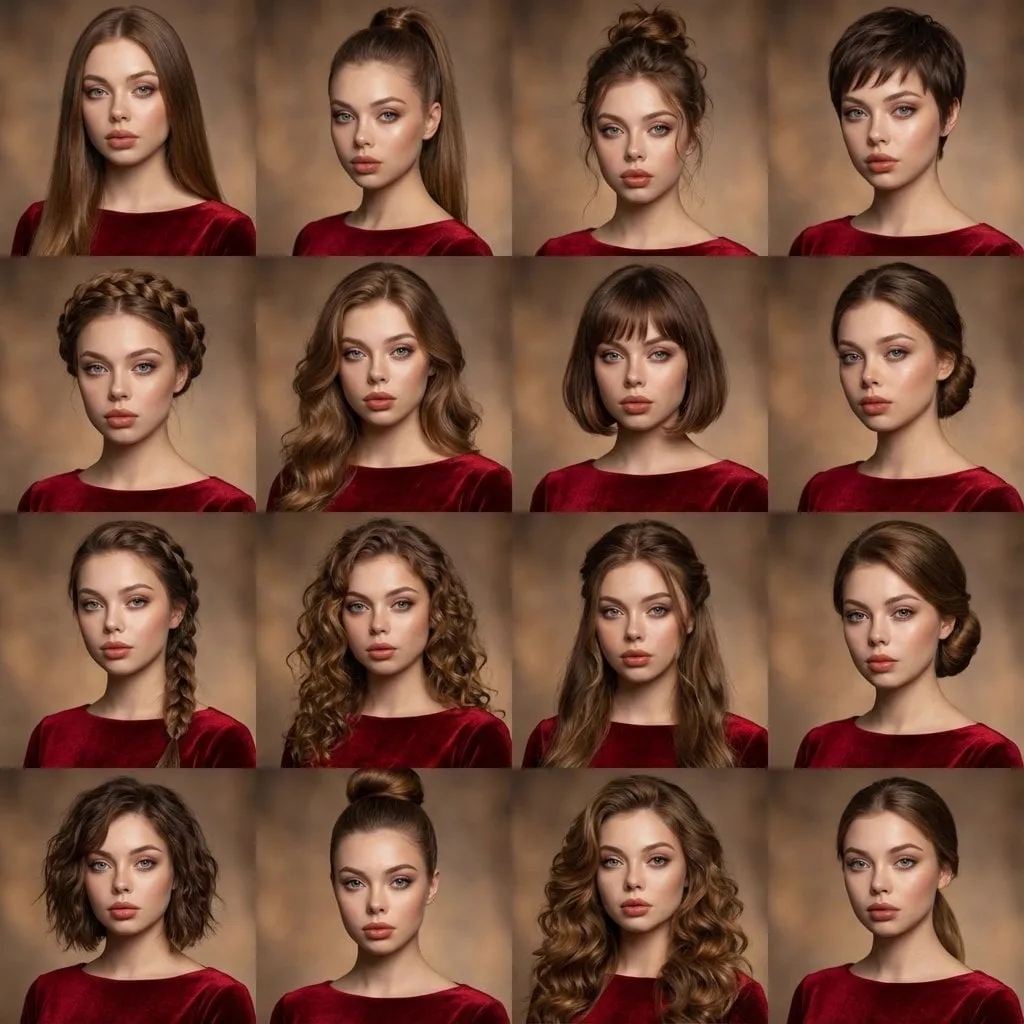
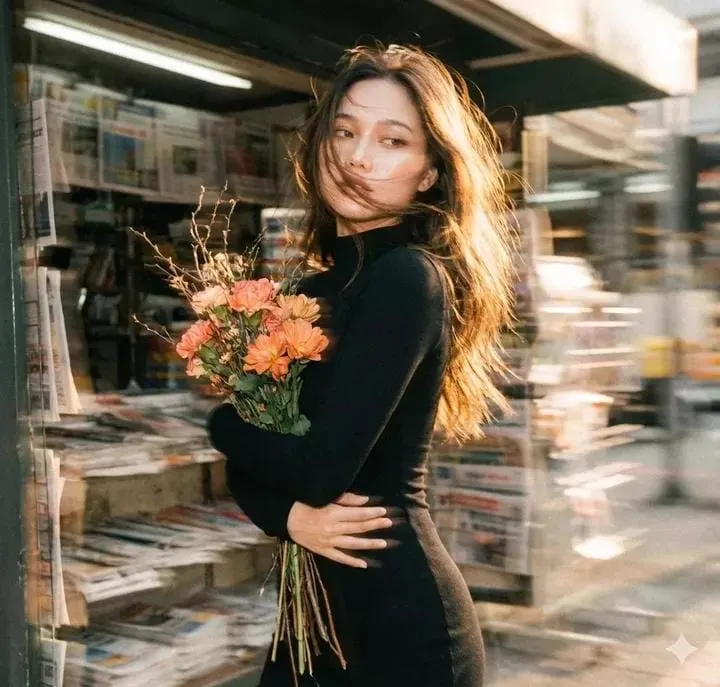
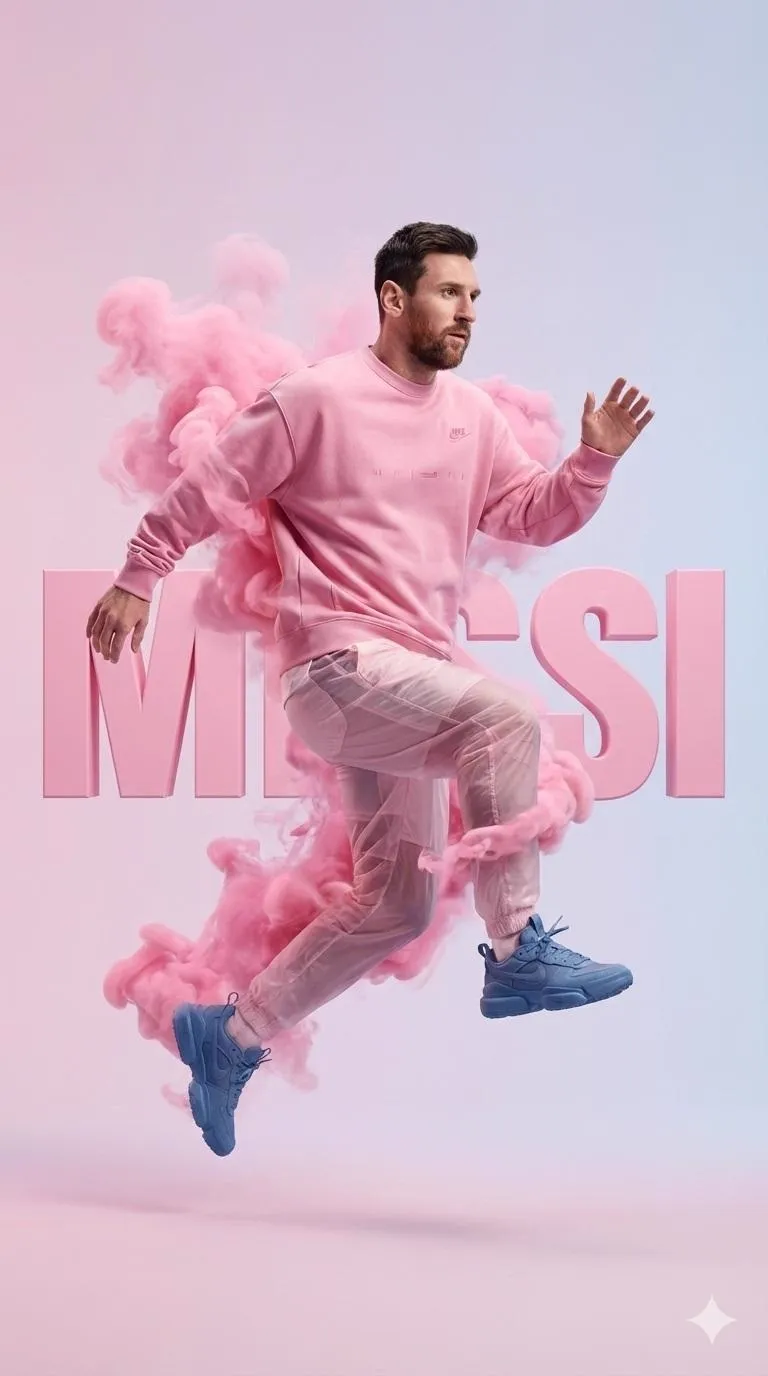
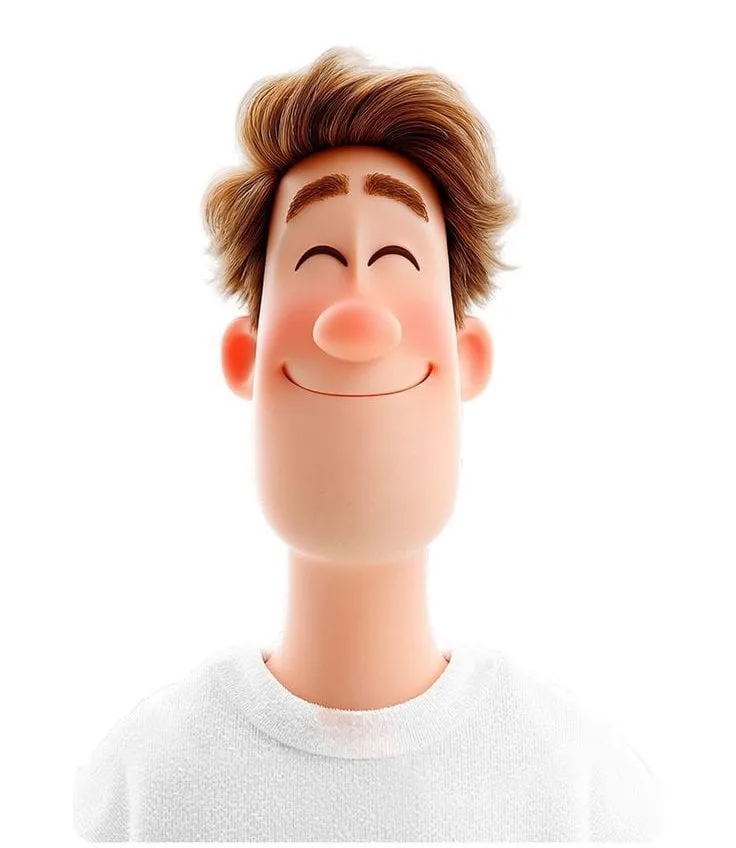
A year ago, describing a scene in a sentence felt like enough. You typed "a dog running through a field" and the model produced exactly that: a dog, running, through a field. Then the models got better, and the gap between what you imagined and what you typed became the limiting factor. Today, the difference between a clip that looks like a lucky accident and one that looks directed comes down to how you construct the prompt. This is not about writing longer sentences. It is about treating the prompt as a structured control interface — closer to a query language than a paragraph of prose.
This guide covers the practical layers of advanced prompt engineering for generative video: syntax and weighting, negative prompting, multi-modal reference, model-specific dialects, temporal control, and the workflow decisions that turn isolated techniques into repeatable results.
Why Descriptive Prose Stops Working
The first generation of video models rewarded plain description. Their successors reward structure. Modern models parse prompts into components — subject, action, setting, camera, style, lighting, and constraints — and each component competes for attention. When you write a rambling paragraph, the model must guess which words matter most, and its guesses are often wrong.
Think of the prompt as a specification with priority. The most important elements should be explicit, early, and precise. Supporting details fill in the gaps. The single biggest upgrade most creators can make is moving from "write a description" to "write a spec": subject first, action second, environment third, then camera and style. That ordering is not arbitrary — models that attend to early tokens more strongly than late ones will weight your opening words heavily, so put the deal-breakers up front.
Concrete beats vague at every layer. "A sleek electric motorcycle" is a category; "a matte-black electric motorcycle with a brushed titanium frame and amber accent lighting" is a spec. Every adjective that narrows the visual is worth more than an adjective that merely praises it.
The Anatomy of a Structured Prompt
A reliable advanced prompt is built from a small set of blocks. You do not need all of them every time, but knowing which block you are adjusting is what makes iteration systematic instead of random.
The subject block names the protagonist of the frame: who or what is present, with appearance, clothing, age, and mood. The action block states what happens, including direction and speed. The environment block defines place, weather, and time of day. The camera block controls perspective and movement. The style block fixes the visual language: photorealism, anamorphic, claymation, ink wash, documentary. The lighting block is where mood is decided. Finally, the constraint block excludes what must not appear.
When a generation fails, diagnose which block failed. Was the action muddled? Adjust the action block only. Did the style drift? Reinforce the style block. Block-level iteration is dramatically faster than rewriting the whole prompt, and it produces a mental model of how the model interprets each dimension.
Weighting and Emphasis: Making the Model Listen
Not all parts of a prompt carry equal weight, and most tools let you push that balance deliberately. Emphasis markers — the double parentheses, the plus signs, or the bracket syntax that various platforms support — amplify a term. De-emphasis does the opposite. Used sparingly, weighting is the difference between "the model included the red jacket" and "the red jacket is the first thing you notice."
The discipline is restraint. Weighting everything weights nothing, and over-amplified terms produce artifacts: colors that saturate unnaturally, objects that bloat, styles that overtake the scene. A good rule is to amplify at most two or three elements per generation, and only the ones that genuinely cannot be allowed to drift. If the composition still misses after weighting, the problem is usually the base prompt, not the emphasis.
Negative Prompting as a Specification of Absence
Negative prompts are the mirror of the spec: instead of saying what you want, you say what you must not see. This is surprisingly powerful for video, where models have strong priors that constantly tempt them to add unwanted content — extra fingers, warped text, lens flares everywhere, a second person walking in behind your subject.
Build the negative list from observation, not imagination. Run a generation, look at what actually annoys you, and add that to the negatives. Common recurring offenders include watermark, blurry motion, extra limbs, distorted face, oversaturated, and flickering. Keep the list short; long negative lists can suppress legitimate content or create a sterile look.
Negative prompting is not a cure-all. If the composition is fundamentally wrong, negatives will fight the model's prior and produce strange results. Use negatives to remove noise around a strong core, not to reshape a weak one.
Multi-Modal References: The Consistency Shortcut
Text is a lossy way to describe a face. An image is not. The biggest consistency upgrade of recent model generations is the ability to feed reference images, style frames, and even audio into the generation alongside text.
For character consistency, a reference image of the character — same face, same costume, same lighting direction — outperforms any written description. For style consistency, a style frame teaches the model the palette and texture of your project in a way adjectives cannot. For scene continuity, referencing the previous shot's last frame anchors the next shot to the same world.
The practical pattern is text-plus-reference: use the reference to carry identity and style, and use text to control action and camera. Keep the reference images clean and unambiguous. A cluttered reference teaches the model clutter. Crop, grade, and simplify the reference so the model copies exactly what you want copied.
Speaking Each Model's Dialect
Under the hood, different models were trained differently, and they respond to different prompt dialects. Fluency means knowing which dialect you are addressing.
Image-to-video models with strong photographic roots respond well to spatial and textural detail: material, surface, lens character. They reward prompts that describe what the frame is made of, not just what is in it.
Long-sequence models trained on extensive footage respond to motion and temporal language: trajectory, duration, cause-and-effect physics. They reward prompts that describe how things move and interact over time.
Fast stylized models reward strong style tokens and bold color language. They care less about physics and more about visual punch.
The practical move is to maintain a small prompt-style library per model: the tokens that reliably produce your desired look for each family. When you switch models, switch dialects instead of hoping the old prompt transfers.
Temporal Conditioning and Frame-Level Control
Advanced video prompting is not one prompt; it is often a sequence of intentions over time. Temporal control means telling the model what happens when, not just what happens.
The simplest form is a shot description that includes a beginning, a middle, and an end: "The camera starts low on the ground, tilts up as the door opens, and settles on the figure stepping through the light." That single sentence implies a timeline the model can follow.
A stronger form is per-segment prompting, where a longer piece is split into shots, each with its own prompt, and the shots are stitched. This trades a little seamlessness for a lot of control. The professional pattern is rarely "one long prompt for one long video"; it is "a storyboard of short, directed shots."
Frame-level control extends this to stills: generate key frames, lock them, and interpolate or animate between them. The stills define the narrative beats; the model fills the motion. For anything with a narrative requirement — a product reveal, a character walk, a transformation — key frames beat pure text every time.
Style Transfer and Model Blending
Consistency does not have to mean sameness. Some of the most distinctive outputs come from blending: taking the subject from one generation and the aesthetic from another.
Style transfer starts with a reference that owns the aesthetic: a painting, a film still, a photographic grade. When the reference is strong, the text prompt should focus on subject and action, letting the style ride along. When the reference is weak, the text must compensate, which usually produces a muddier result.
Blending models means using the strengths of different engines in one pipeline: one model for the initial still, another for animation, a third for upscaling. The output is often better than any single model's best. The cost is workflow complexity — you must keep the intermediate files organized and the style tokens aligned across engines.
The Iteration Loop That Makes It Repeatable
Technique without workflow is just luck with extra steps. The creators who produce consistent quality run a tight iteration loop: spec, generate small, review hard, adjust one variable, repeat.
Generate short and cheap first. Test the concept with the fastest model and the shortest clip. The goal at this stage is not beauty; it is validity: does the idea work? When the concept is proven, spend the premium render on the validated version.
Change one variable per iteration. If you adjust the subject and the camera in the same run, you cannot tell which change fixed the problem. This discipline feels slow and is actually the fastest path to a good result.
Keep a log. Track the prompt, the model, the settings, and the outcome for every generation worth remembering. After a few projects, the log becomes a personal prompt library that makes every future project faster — your own dialect documentation, built from your own taste.
When to Stop Engineering and Start Editing
There is a trap in prompt engineering: endless iteration on a single generation because the tool feels close. A better frame is to think of the generated clip as raw footage, not as the final shot.
If the composition is right and the motion is wrong, fix motion in the edit — a speed ramp, a reverse, a crop. If the timing is off, cut it. If the color needs a push, grade it. Post-processing is often cheaper and more reliable than forcing the model to nail everything at once.
The division of labor is simple: let the model create, then let the edit refine. Generations that are 80 percent right are the best material to work with. Generations that are 100 percent wrong are the sign that the spec itself is broken — go back to the prompt, not to the edit.
A Worked Example: Directing a Single Shot
To see the blocks in action, take one shot and build its prompt step by step. The goal: a character walking through a rain-soaked night market, seen from a slow tracking position.
Start with the subject block: "a woman in her forties wearing a charcoal coat, hood half up, carrying a canvas bag with a folded newspaper." That is enough identity to keep her stable. Add the environment: "a night market street, canvas stalls dripping with rain, warm tungsten lights reflected on wet asphalt, steam rising from a food cart." The environment is now a world, not a backdrop.
Add the action with direction: "she walks left to right at a steady pace, glancing briefly toward the food cart as she passes." The motion has a direction, a speed, and a beat — the glance is the moment the viewer will remember.
Now the camera: "slow tracking shot moving with her, at shoulder height, shallow depth of field, slight handheld sway." The camera is a participant, not a bystander. Add the style: "cinematic color grade, muted highlights, subtle film grain." And add constraints in the negative space: no text artifacts, no extra pedestrians merging, no flickering lights.
Each block contributes one control, and the whole reads as a directed shot rather than a description. When the first generation drifts — say, the glance disappears — you adjust only the action block and regenerate with the same seed. This is the loop that turns prompt engineering from a guessing game into a craft.
Frequently Asked Questions
How long should a video prompt be? Long enough to specify the blocks that matter, short enough to stay focused — usually a few sentences, not a paragraph. Block structure matters more than length.
Can I use the same prompt across different models? Sometimes, but expect to adjust. Models speak different dialects. Maintain a small prompt library per model family instead of one universal prompt.
Why does my character change appearance between shots? Identity drift comes from weak identity anchoring. Use reference images, keep costume and lighting descriptions identical across shots, and prefer key-frame pipelines for multi-shot scenes.
Are negative prompts mandatory? No, but they are the fastest way to remove recurring artifacts. Build the list from what you actually see in your outputs, and keep it short.
What is the fastest way to improve my results? Treat the prompt as a spec with blocks, iterate one variable at a time, and generate small before generating expensive. Most gains come from structure and workflow, not from longer prompts.
The Directed Prompt Mindset
Advanced prompt engineering is not a secret vocabulary; it is a way of thinking. Describe what matters, specify what must be absent, anchor identity with references, respect the dialect of the model you are using, and control time with storyboards rather than prose. Every technique in this guide serves one goal: making the model execute your intention instead of guessing at it.
The models will keep improving, and the exact syntax will keep shifting. What will not change is the underlying craft — knowing what you want, expressing it in the model's language, and validating it quickly. Master that loop, and every new model becomes another instrument you already know how to play.
