
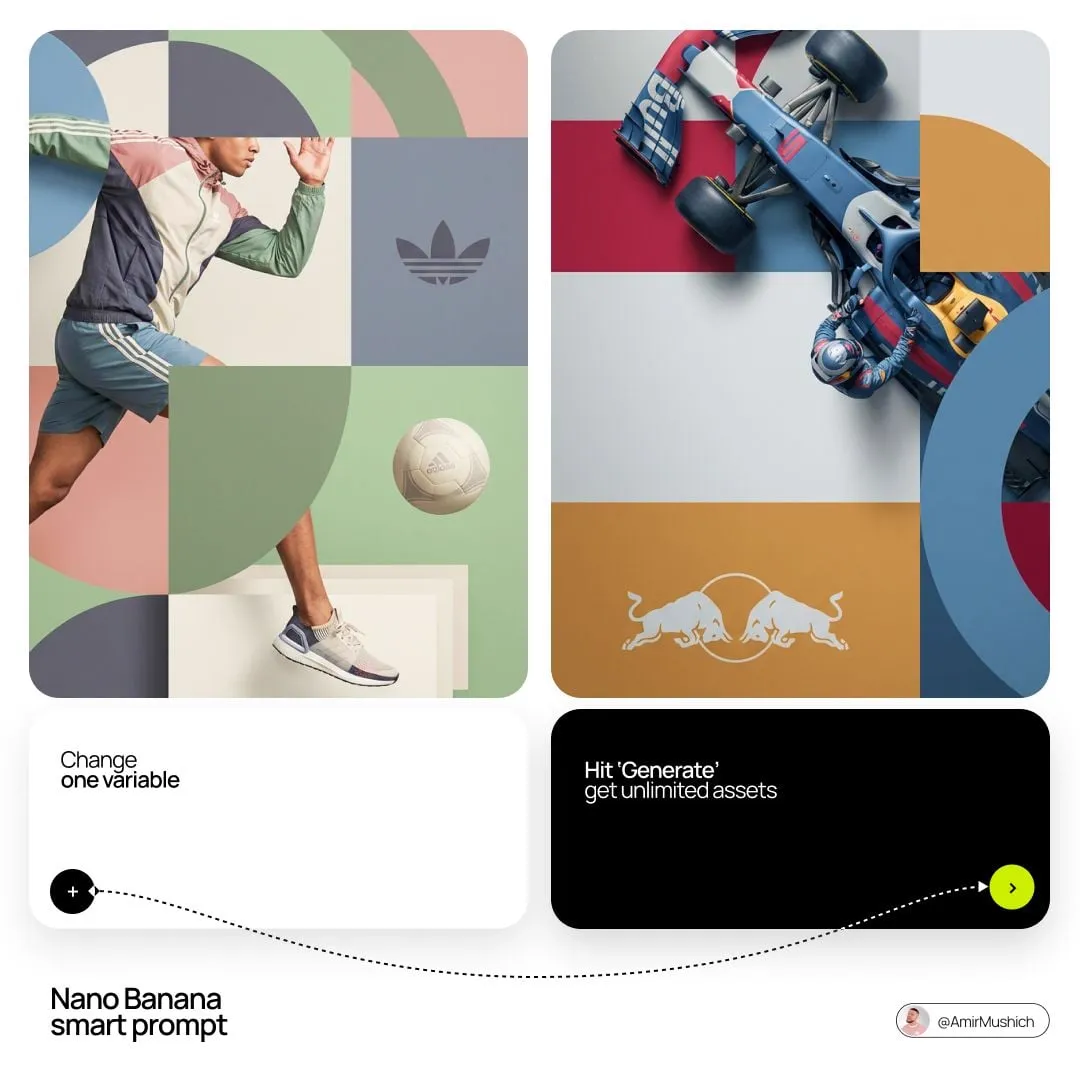
The idea of creating professional-looking 2D animation without a large studio used to feel out of reach for most creators. Animation has always demanded specialized skills, patience, and access to expensive software and hardware. That barrier is falling. AI has moved 2D animation from a slow, manual craft into a field where an individual can generate cinematic-quality content in a fraction of the time and cost. This guide explains how AI-driven 2D animation actually works, why it has become a practical tool, and how you can build a workflow to produce quality animated videos for real projects.
Why 2D animation became a practical field again
Animation was long considered one of the most labor-intensive art forms. Every frame had to be drawn or posed, and even a short sequence required enormous effort. This expense pushed animation toward big studios and well-funded productions, leaving individual creators to work with severe limitations. The arrival of generative AI changed the equation by making it possible to produce coherent animated scenes from text and reference images directly.
The result is that animation has moved from an elite discipline to an accessible creative tool. What once took a team of artists can now be approached by a single creator who brings a good idea and a clear direction. This democratization is not just about making things faster; it is about rethinking what individual creators are able to do at all.
None of this makes the artist obsolete. The most compelling AI-animated work still depends on strong visual taste, clear storytelling, and careful curation. But the technology removes the technical bottlenecks that previously stopped talented people from becoming animators. That shift has real economic implications for content creators, agencies, and educators alike.
The technology behind AI 2D animation
At the core of modern AI animation is a set of generative models, each with its own strengths. Some excel at producing clean, stylized imagery that suits the flat, expressive look of classic 2D animation. Others are better at maintaining motion, ensuring objects behave believably over time. None is universally best, which is why choosing the right engine for a project matters so much.
The models you use are only half the story. An equally important role is played by the techniques that keep animation consistent. Maintaining character identity across many frames is the central technical challenge, because a character whose face or outfit shifts between frames ruins the illusion. Methods that anchor a character with reference images, letting a model reuse the same visual identity, are what make coherent multi-shot animation possible.
There is also a clear separation between creating the still frames and animating them. You can produce the key visual ideas as images first, refine them until the style is right, and then animate those images into sequences. This staged approach gives creators far more control than attempting to generate a finished video in a single step.
Why visual consistency is the real challenge
Anyone who has experimented with AI-generated animation quickly discovers that the hardest problem is not making images look good, it is making them look like the same world from one moment to the next. A character that silently changes hairstyle, or a background whose colors shift unexpectedly, breaks the viewer's belief in the scene.
The solution starts before animation with careful image work. Define your character and environment clearly in a strong reference image, and use that reference consistently for every shot in the project. Consistent lighting, palette, and line style across your key frames are the foundation that makes a sequence feel like a single film rather than a montage of unrelated pictures.
Modern tools increasingly support combining multiple references to lock down an identity from several angles or details. When a platform offers this style of multi-image fusion, it becomes a powerful ally for animation, letting you preserve the same figure, props, and color identity across cuts and scenes. The more disciplined you are with references, the more professional the final result.
Building a practical animation workflow
A reliable workflow separates the creative planning from the technical generation. It starts with the script and storyboard. Before generating a single frame, decide what happens, in what order, and with what emotional arc. This clarity guides every later decision and prevents wasted work.
From the storyboard, move to key visual development. Produce the look of your main character, setting, and props as refined images. Adjust them until you are satisfied with the artistic direction, because it is far cheaper to fix a style in still images than after you have animated a scene. These refined images then become the reference anchors for your animation.
With references in place, animate each key frame into a short sequence. Keep animations modest at first, a single motion or transition, and combine them into the longer piece. This incremental approach makes quality predictable and keeps the process manageable, especially for creators new to the tools.
Turning still frames into motion
It is worth understanding how still images become moving sequences, because the distinction shapes your whole workflow. When you animate a key frame, you are telling the model to move within a visual world that has already been fixed by your reference. That separation is powerful: it means you can perfect the look of a scene as an image before you spend any effort animating it, and it protects you from chasing a moving target while the style is still unstable.
The quality of your still frames therefore dictates the quality of your animation. Spend the time to get lighting, color, and character design right in the images, and the animated result inherits that polish. By contrast, animating a rough image locks in the rough look and forces you to redo the animation later. Adopt the habit of refining first and animating second, and your entire pipeline will become more reliable.
Incremental motion is also your friend. A single well-controlled movement reads more professionally than several competing motions that muddy the composition. Identify the one action that matters in each shot, animate that clearly, and let the rest stay still. Restraint in motion, just like restraint in design, is often what separates a confident animation from a busy one.
Fashioning a personal style library
One of the most powerful things you can build over time is a personal library of styles, characters, and motifs. Every successful project produces reference images, prompts, and settings that worked. If you save and organize these, you accumulate a reusable toolkit that makes each new project faster and more distinctive.
This library becomes your artistic signature. The more you draw on your own developed style rather than generic defaults, the more your work feels like you. When audiences encounter consistent visual language across your projects, they begin to recognize your work at a glance, which is a genuine asset in a crowded field.
Treat the library as living material. Strip successful images back to a few reusable motifs, note the descriptions that produced them, and revisit them as your taste evolves. Over time, this practice turns sporadic good luck into a repeatable method, and it is one of the main ways serious creators separate themselves from those who start fresh every time.
Designing for visual control
One of the most attractive features of modern AI animation is that it rewards being specific. Rather than hoping for the best from a vague description, you can guide the result with reference images and detailed prompts. A character shown in a strong reference image will be more reliably reproduced than one described only in text.
This control extends to style. You can push a project toward a clean, minimal look, a richly textured storybook style, or a bold graphic aesthetic simply by the references and language you supply. The ability to reproduce the same look across an entire series is what makes AI animation useful for branded content, where consistency is non-negotiable.
Practical detail also matters in design. Define the aspect ratio, key colors, and the general composition of your scenes early. Deciding these before generation saves iteration later and keeps the whole set visually unified. Thoughtful preparation is the difference between a lucky generation and a repeatable result.
Use cases that benefit the most
Educational and training content is one of the strongest applications of AI 2D animation. Concepts that are difficult to explain in text or live action, whether in science, business, or digital literacy, become clear and engaging when presented as animation. The ability to produce such content quickly makes it practical for course creators and trainers who need fresh material regularly.
Marketing and advertising also benefit. Animated explainers, product illustrations, and character-driven brand stories stand out in social feeds and are relatively easy to iterate as ideas evolve. For startups and small teams without an in-house animation budget, this is a genuine competitive advantage.
Entertainment and personal projects finish the picture. From short illustrated narrative films to character sketches shared with a community, creators can express ideas visually that would have required a studio to realize before. The scope of what is achievable keeps expanding as the tools improve.
Making animation practical for small teams
The value of AI animation is not limited to solo creators; small teams, agencies, and freelance studios benefit just as much. The ability to produce quality animated content without the overhead of a full production pipeline lets small operations take on work that would previously have gone to larger, more expensive vendors. This changes what a small studio can promise and deliver to its clients.
For teams, the key is a clear division of roles supported by a shared toolkit. One person may own story and direction, another the visual development and references, and a third the assembly and review. Because the tools do the heavy lifting, each person can focus on their strength rather than becoming a generalist. A firm set of shared style references keeps everyone aligned and the output coherent.
This also makes iteration cheaper at the agency level. Clients often want to see concepts quickly and then refine them. A team that can turn a concept into a polished preview fast, and then adjust it without rebuilding from scratch, builds trust and differentiates itself. In competitive service markets, that responsiveness is worth far more than raw output volume.
Avoiding the common pitfalls
The most frequent mistake is skipping the planning stage and jumping straight to generation, which produces impressive-looking but disjointed fragments. Define the story and visual direction first. A second common error is neglecting consistency, leading to characters who drift across scenes. Establish strong references and reuse them. A third is overproducing, generating more than needed and complicating the edit; favor tight, purposeful sequences.
Copyright and originality deserve attention as well. Rely on your own artwork and direction rather than replicating protected characters or styles. Building a distinctive personal visual language not only avoids problems but also helps you stand out in an increasingly crowded creative landscape.
Questions before you begin
What is my audience, and what should animation communicate to them? How long is the finished piece, and how many scenes does that require? What character and world do I need to design consistently? Which of my available tools best matches the style I want? These questions keep a project bounded and realistic so that ambition does not outpace what you can reliably deliver.
The future of AI animation
The field is advancing on several fronts at once: better physics-aware motion, sharper coherence over longer sequences, richer stylistic control, and tighter integration into existing production tools. As these come together, AI 2D animation will move further from a novelty toward a dependable, professional-grade production method.
For the creator, the practical takeaway is to start small and build skills. Pick a short project, define a clear style, lock down references, and animate it end to end. Learn how your tools behave in practice and refine your workflow with each project. The quality gap between amateurs and professionals in AI animation is closing quickly, and the people who will lead the next wave are the ones who understand both the creative direction and the technical craft.
Conclusion
AI has made 2D animation practical, accessible, and genuinely competitive for individual creators and small teams. The technology handles the heavy lifting of consistency and generation, freeing you to focus on story, style, and taste. By planning your story, nailing down a consistent visual identity with reference images, animating incrementally, and avoiding the common pitfalls, you can produce animated videos that rival the output of far larger operations. In a field once gated by expense and technical skill, the door is now open wide, and the creators who combine a strong vision with a disciplined workflow will be the ones whose work stands out.
