

Why Generative AI Changed Ad Design Forever
Advertising has always been a race for attention, and for most of its history the bottleneck was production. A single campaign required a creative director, an art team, a photographer or studio, a video editor, and weeks of approvals. By the time the asset shipped, the trend it was built for had often already peaked. Generative AI does not just speed up that pipeline; it changes the shape of it. Image and video models now let a small team produce broadcast-quality creative in days, iterate on dozens of variations overnight, and personalize the same concept for different audiences without re-shooting anything.
This shift matters because the digital market is saturated. Every scroll position is contested, and consumers have learned to ignore generic advertising. The brands that win are the ones producing original, relevant, visually striking content quickly. AI ad design is the mechanism that makes that possible: it solves the two problems that have always limited ad teams — originality and production efficiency.
What a Modern AI Ad Toolkit Looks Like
Before diving into workflow, it helps to map the tools. There is no single model that does everything well, and the strongest campaigns use several in combination.
Image generation models remain the foundation of ad design. Tools like Midjourney, DALL·E, and the Flux family excel at stills: product shots, lifestyle scenes, hero images, and concept boards. They are ideal for exploring visual directions before any video work begins, because a still costs seconds to generate and can be iterated cheaply.
Video models add motion. Runway, Sora, Kling AI, Luma, and Pika each have different strengths. Some favor photorealism and physics, others favor stylized looks or fast generation. For ad work, the practical distinction is control: how precisely you can steer camera movement, character appearance, and scene composition. Video models that accept reference images or keyframes give you far more brand control than pure text-to-video tools.
Finally, the supporting layer matters: upscalers, inpainting tools, caption generators, and AI audio tools for voiceover and music. A polished ad is rarely one generation; it is a composite of several models and finishing passes.
A Practical Workflow: From Brief to Finished Ad
The fastest way to understand AI ad design is to follow a real process. Here is a workflow that works across industries, from e-commerce product ads to app install campaigns.
1. Write the Creative Brief as a Prompt Foundation
Start with the same discipline you would use with a human art director: audience, message, tone, platform, and desired action. Convert those into a written brief. This document becomes the root prompt for every asset, which is what keeps a campaign coherent even when different team members generate different frames.
A useful brief includes the target emotion, the visual style (cinematic, minimal, vibrant, vintage), the color palette, lighting direction, and the key product or message that must remain visible. Without this foundation, AI tools produce impressive but directionless images.
2. Build a Visual Direction Board with Image Models
Use an image model to generate eight to twelve concept stills in the chosen direction. Do not judge them as finished art; judge them as direction. Group the results, pick the two or three strongest, and refine those with targeted prompt edits. This step replaces the mood board phase and takes minutes instead of days.
The key trick here is prompt structure. A strong image prompt names the subject, the action, the environment, the lighting, the lens or camera, and the style reference. For example, instead of "a coffee cup ad," write "a ceramic coffee cup on a wet wooden table in a rain-streaked café window, golden morning light, shallow depth of field, cinematic product photography, warm tones." Specificity is what separates usable output from generic stock-looking images.
3. Lock Brand Elements with Reference Images
Consistency is the biggest gap between one-off generations and real advertising. Brands live or die on recognizability: the same logo treatment, the same color, the same product shape, the same model across every frame.
Modern image and video tools handle this through reference images. Generate a master reference for each critical element — the product, the spokesperson, the logo placement — and pass that reference into every subsequent generation. Many video models support multi-image input, which lets you fuse several reference frames into one consistent scene. The concept is simple: instead of describing the product with words every time, show the model what the product looks like and ask it to keep that identity.
4. Animate the Winning Stills
Once a still direction is approved, convert the best frames into video. Two paths work well. Image-to-video tools animate an existing still directly, which preserves composition and product fidelity. Text-to-video tools can build scenes from scratch, which gives more freedom but less control over details.
For most ad work, start with image-to-video. It anchors the brand elements you locked in step three and reduces the chance of the model inventing a different-looking product. Use the text prompt to describe the motion: camera push-in, product rotation, steam rising, fabric moving, particles drifting.
5. Create Variations in Batches
Here is where AI changes the economics of testing. Traditional ad production made A/B testing expensive because every variant was a full production run. With generative pipelines, you produce ten, twenty, or fifty variants of the same concept by varying one dimension at a time: different copy overlays, different background moods, different spokesperson expressions, different aspect ratios for different platforms.
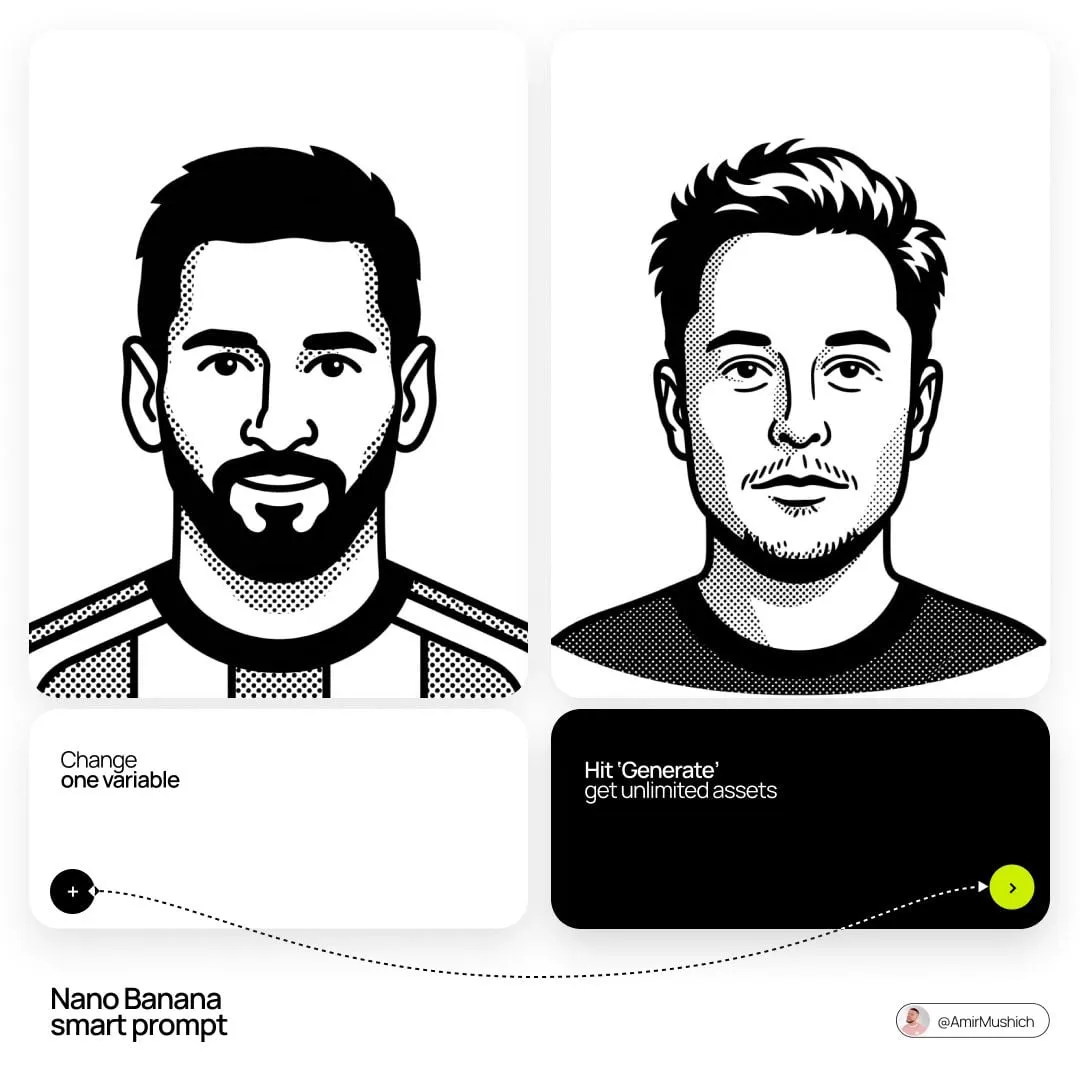
Batch generation works best when you keep the core elements stable and vary deliberately. Change one variable per batch so the results are comparable. Otherwise you end up with a pile of unrelated images that teach you nothing about what drove performance.
6. Finish with Traditional Post-Production
Raw generations are rarely final. Run the selected clips through upscaling, color grading, and captioning. Add the logo and legal lines in your regular editor so the branding stays pixel-perfect. Generate voiceover and music with AI audio tools if you do not have licensed assets. The finishing pass is what makes AI creative feel like brand work rather than tech demos.
Keeping a Campaign Consistent Across Every Touchpoint
The single most common complaint about AI-generated advertising is inconsistency: the hero image looks nothing like the video thumbnail, which looks nothing like the social post. Consistency is not a nice-to-have; it directly affects trust and conversion. A consumer who sees three different versions of the same brand identity in one day reads it as sloppy, even if each individual asset is beautiful.
The discipline is to create a single source of truth for the campaign. That means:
- One locked color palette and lighting direction across all assets.
- One set of reference images for product and people.
- One written style guide embedded in every prompt.
- One approval checklist that every asset must pass before it ships.
Treat references the way a film production treats continuity: log every master frame, name files consistently, and reuse them. AI models are deterministic in their inputs; if you feed every generation the same references and the same style language, the outputs will cluster tightly around the same look.
Personalization at Scale: One Campaign, Many Audiences
The most exciting commercial use of AI ad design is personalized creative at scale. Instead of one video shown to everyone, marketers can generate region-specific, audience-specific, even context-specific versions of the same campaign.
This works by separating the parts of the creative that never change — product, logo, core message, brand colors — from the parts that adapt — language, background, spokesperson ethnicity, cultural references, seasonality, offer. Generative pipelines make this separation mechanical. The fixed elements are baked into reference images and locked prompts; the adaptive elements are swapped per segment.
The practical benefit is measurable. A travel brand can show beach imagery to users in cold climates and city imagery to users searching for weekend trips, all within one campaign. An e-commerce store can vary the product angle per category. Each variant is generated in minutes, and the campaign simply runs more variants, letting the platform's algorithm find the best performers faster.
Common Mistakes and How to Avoid Them
Chasing the Trendiest Model Instead of the Right Tool
New models launch constantly, and it is tempting to rebuild your pipeline around each one. Resist. Choose models based on the asset type you produce most, and only switch when the new model demonstrably improves your weakest step. Consistency of process matters more than having the newest engine.
Letting AI Choose the Message
AI generates images and video; it does not decide what your ad says. The strategy, audience, and offer must be decided by people who understand the business. Treat the model as an executor of the brief, not the author of it.
Skipping the Review Gate
Generative output still produces mistakes: deformed hands, wrong text in images, products that subtly change shape. Build a human review step into the pipeline. For legal-sensitive industries, this is non-negotiable. Automated checks can catch resolution and format issues, but visual judgment stays human.
Ignoring Platform Requirements
Every platform has different aspect ratios, lengths, and safe zones. Generate at the largest required size and export platform-specific versions, or use tools that natively support multiple aspect ratios. Do not crop a square ad into a vertical story and hope for the best.
Measuring Whether Your AI Ads Actually Work
The goal of AI ad design is not efficiency for its own sake; it is better performance. Track the same metrics you would for any campaign: click-through rate, cost per acquisition, view-through rate, and conversion. The advantage of generative pipelines is that you can test far more variables, so structure your testing to produce learning, not just winners. Log which prompt direction, which visual style, and which variant family produced each result, and let that data feed the next brief.
Retention and scroll-stop matter for video specifically. A strong hook in the first three seconds, clear brand recognition, and a single obvious call to action outperform clever but confusing creative. Generative tools make it cheap to test multiple hooks on the same asset, so run that test before scaling spend.
Building the Team and Skills Around an AI Ad Pipeline
The technology is only half of a successful AI ad operation; the other half is the team and the habits around it. Most teams do not need to hire specialists in machine learning. They need to upgrade three existing roles.
The first is the creative strategist who owns the brief. This person translates business goals into the prompt foundation and reference system, and they are responsible for keeping the campaign coherent. In practice, the best AI ad teams treat the brief writer as the art director of the pipeline. Their taste determines whether the output looks like a brand or like generic AI.
The second is the prompt and pipeline operator. This person runs generations, manages the reference library, and maintains the model selection and batch workflows. The role is learnable on the job, and the critical skill is disciplined iteration: change one variable, record the result, build a library of what works.
The third is the reviewer and finisher. This person owns the human quality gate, does the final editing pass, and checks legal and brand compliance. With volume increasing, this role becomes a bottleneck if it is not structured — which is why a checklist-based review beats an informal "look at it and see" approach.
For solo creators, these three roles collapse into one person, but the discipline should not. Write the brief before generating, log what you tried, and review against a checklist. The pipeline scales because the discipline is built in, not because a bigger team is added.
A Note on Transparency and Disclosure
As AI-generated advertising becomes indistinguishable from traditional creative, transparency becomes a trust issue. Different regions and platforms have different rules about labeling AI-generated content, and the rules are evolving quickly. Two principles keep teams safe. First, know the disclosure requirements in every market where the campaign runs, and treat compliance as a launch gate rather than an afterthought. Second, be honest internally about what the AI did and did not do — the team should always know which assets are generated, which are edited, and which claims have been verified. Disclosure is not a constraint on creativity; it is the condition that keeps the audience trusting the brand long after the campaign ends.
Frequently Asked Questions
Do I need design skills to use AI for ad creation?
Basic visual judgment helps, but the tools lower the entry barrier dramatically. The most important skills are prompt writing, taste, and knowing your brand. Many teams start with no formal design background and learn by iterating.
How do I avoid the "AI look" in my ads?
The AI look usually comes from generic prompts, over-smoothing, and lack of post-production. Specific prompts, strong references, deliberate lighting choices, and a real finishing pass with color grading and typography remove most of it.
Is AI-generated ad content safe for commercial use?
It depends on the tool's license and the content itself. Check the terms of each model, avoid generating trademarked or celebrity likenesses, and verify that your product claims remain accurate. Legal review is recommended for regulated industries.
How much does AI ad production cost compared to traditional production?
The marginal cost per asset drops dramatically — from thousands of dollars per video to the cost of a subscription and compute time. The real cost is time spent on direction and review, which is why a strong brief still matters.
Can AI maintain my brand's visual identity?
Yes, if you build reference systems and consistent prompts. The brands that succeed treat their reference library as a serious asset: organized, versioned, and reused across campaigns.
What should I automate first?
Start with variation generation and resizing — the mechanical, high-volume tasks. Keep strategy, message, and final approval human. Automate the boring parts, then expand as the process stabilizes.
Can I use the same pipeline for every platform?
The core pipeline stays the same; only the export layer changes. Generate at the largest size, then create platform-specific versions with the right aspect ratios, safe zones, and caption styles. Keep the brand elements identical across all of them.
How do I choose between different AI image and video tools?
Standardize on a small set based on your dominant asset types, then test alternatives against your own workload. Run the same three test prompts through each candidate and score the results; the tool that wins your benchmark is the right tool, regardless of what the demos look like.
What happens when a model I depend on changes or disappears?
This is the strongest argument for building a portable workflow. Keep your references, prompts, and style guides in files you own, separate from any single tool. If the model changes, your creative direction survives and can be re-executed in a different tool. A pipeline built around owned assets is resilient; a pipeline built around one vendor is fragile.
