

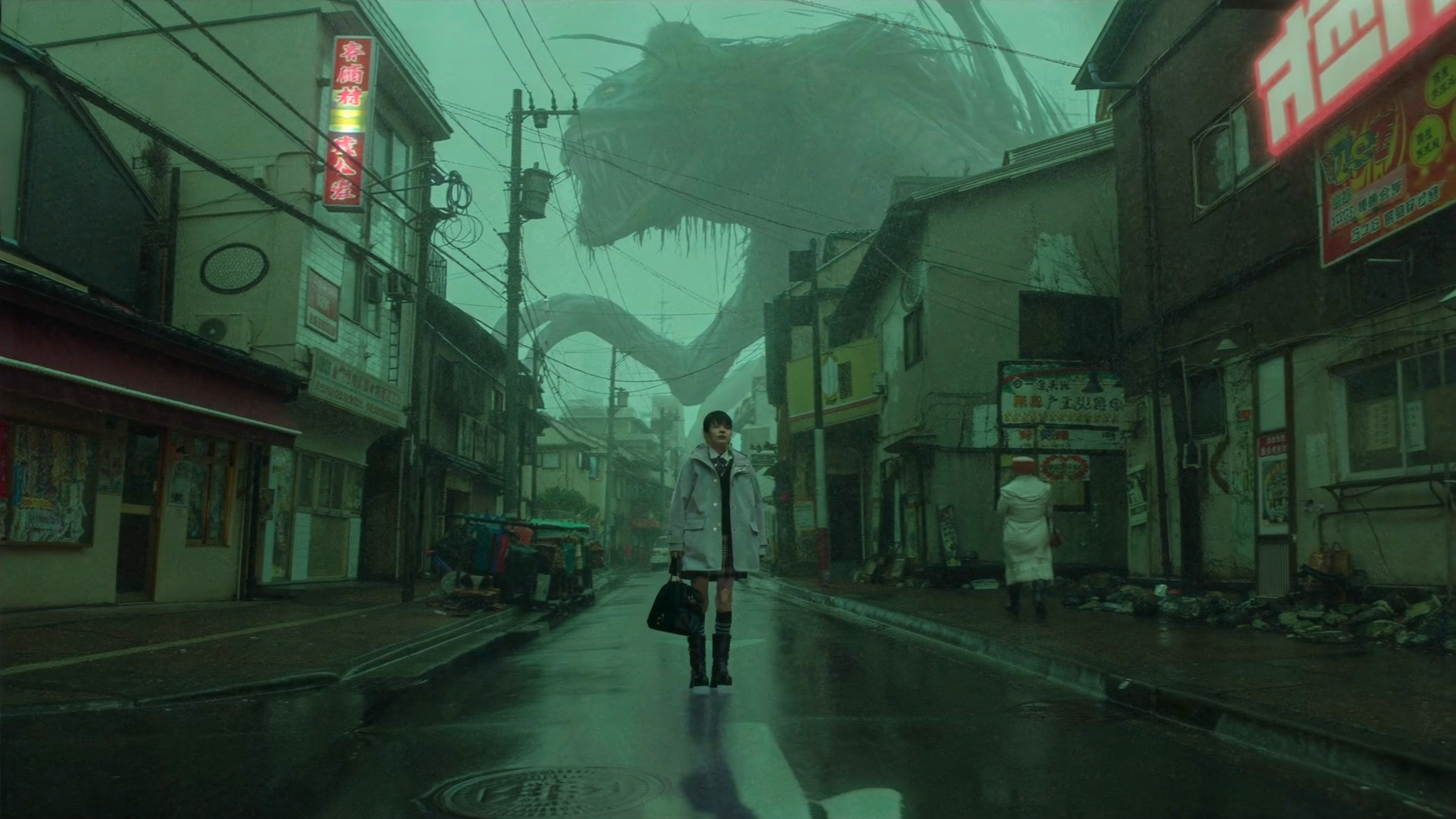
How to Create High-Impact Ad Videos with AI
Advertising video is the highest-pressure form of content creation. It has to grab attention in the first two seconds, communicate a value proposition clearly, and drive a specific action, all while competing with an endless feed of content. That combination of constraints is exactly why generative AI has become a core tool for ad teams. It lets you produce, test, and iterate on video creatives at a speed that traditional production cannot match.
But AI ad video is not just about pressing generate and hoping for a viral spot. The teams getting real results treat AI as part of a production system: define the goal, lock the visual identity, generate with intent, iterate against performance data. This guide covers that system in practice.
Start with the Ad Goal, Not the Model
Before you generate anything, write down what the ad must accomplish. The same product can justify radically different videos depending on the goal.
- Awareness: the video must stop the scroll and introduce the product visually.
- Consideration: the video must explain a problem and show how the product solves it.
- Conversion: the video must overcome objections and push toward a click or purchase.
Your goal determines length, pacing, tone, and call to action. A fifteen-second awareness hook looks nothing like a sixty-second conversion explainer. If you do not know the goal, every creative decision is a guess.
Define the Visual Identity Before You Generate
AI video fails hardest when the brand identity is inconsistent across creatives. Viewers do not consciously notice a slightly different shade of your brand color, but they feel it. The fix is to lock the visual system before the first render.
Build a Brand Reference Set
Collect reference images that define the look: product shots, approved color palettes, lighting styles, and any recurring characters or mascots. This reference set becomes the anchor for every generation in the campaign. When you brief a model, you condition it on these references instead of describing the brand with adjectives.
Write a Style Block
Create a short paragraph that captures the campaign's visual language: medium, lighting, palette, camera style, and mood. Append the style block to every prompt in the campaign. It is the written half of the visual system, and it keeps generations coherent even when you switch models or try new scene ideas.
Protect the Product's Appearance
If the ad features a physical product, its appearance must stay accurate: shape, label, colors, and packaging details. Generate product shots separately from lifestyle scenes, then combine them. Trying to generate a perfect product render inside a busy lifestyle scene is a recipe for subtle distortions that undermine trust.
Generate Scenes with Intent, Not Hope
An ad is a sequence of scenes with a job to do. Map each scene to its role before generating.
The Hook Scene
The first scene earns the viewer's attention. It should be visually striking, surprising, or emotionally resonant, and it must fit the platform. On social feeds, the hook often works best as a close-up, a dramatic motion, or a bold visual contrast. Generate several hook candidates and test them, because the hook is where most ads live or die.
The Problem and Solution Scenes
The middle of the ad establishes the problem and introduces the solution. Keep these scenes simple and direct. A common failure is cramming too much into one scene, producing a cluttered frame that the model renders as noise. One idea per scene, always.
The Proof and Call-to-Action Scenes
The end of the ad builds trust and drives action. Show the product in use, a result, or a clear demonstration, then finish with the call to action. For text-based CTAs, generate the visual without text and overlay the text in an editor. Text generated inside a model is often garbled and hard to read.
Keep Characters and Environments Consistent
Ads increasingly feature recurring characters, mascots, or presenters. Consistency across scenes and across versions is what makes a character feel like a real brand asset instead of a random AI face.
Use Multi-Image Fusion for Character Scenes
When a scene needs a character plus a specific environment, use generation features that accept multiple reference images. Feed the character reference and the environment reference together so the model honors both. This is far more reliable than a text description of either.
Keyframe Control for Precise Motion
For product demos and character actions, keyframe control lets you define the starting and ending frame of a shot, with the model generating the motion between them. This is essential when the shot must end in a specific composition, such as the product centered in frame right before the logo card.
Keep a Campaign Reference Document
Store the approved references, the style block, and the exact prompt phrasing for the character and product in one document. Every version of the ad draws from this document, which keeps the whole campaign coherent and makes it easy to produce variants.
Leverage Regional Models and Visual Trends
Audiences in different markets respond to different visual languages. An ad optimized for one region can feel foreign in another, not because of language but because of aesthetic expectations.
Match the Model to the Market
Some generation models are trained with stronger cultural awareness for specific regions, producing settings, clothing, architecture, and visual rhythms that feel native. If you are advertising in a specific market, test models with regional strengths rather than assuming one global model covers everything.
Ride Current Visual Trends
Trends move fast in ad creative: specific color grades, camera movements, and format styles cycle through feeds. Build trend awareness into your workflow by reviewing what is performing in your category, then adapting your style block accordingly. AI makes it cheap to test a trend before committing a full campaign to it.
Iterate Against Performance, Not Taste
The advantage of AI ad video is not just speed; it is the ability to test many versions and let performance decide.
Create Variants Systematically
Generate multiple variants of the critical scenes: different hooks, different pacing, different CTAs. Keep the brand system intact so the variants differ on the creative axis you are testing, not on random inconsistencies.
Run Structured Tests
Do not test everything at once. Change one variable per test: hook only, or CTA only, or platform format only. Structured tests produce clear learnings; unstructured testing produces noise and gut feelings.
Feed Results Back into the System
When a variant wins, document why it won: the hook style, the pacing, the reference images. Update your style block and reference set so the next campaign starts from a proven position. This is how the workflow compounds over time.
The Metrics That Matter for Ad Creatives
AI makes it cheap to produce ad variants, which means you can measure things that traditional production never allowed. The right metrics turn your ad workflow into an optimization engine.
Hook Retention
The single most diagnostic metric for an ad is how many viewers survive the first three seconds. If hook retention is low, the creative is wrong no matter how good the visuals are. Test hooks in isolation before you invest in full scenes: generate five hook candidates, run them as short placements, and let the data pick the winner.
Thumb-Stop and Completion Signals
Beyond the hook, track completion rate and the engagement actions that follow: shares, saves, comments, and clicks. An ad that gets views but no clicks is a storytelling failure; an ad that gets clicks but no sales is a targeting or offer failure. Each metric failure points to a different fix, so record them separately instead of lumping them into one score.
Cost per Result
Platforms charge per impression or per click, so the metric that ties everything together is cost per result: cost per lead, cost per install, or cost per sale. This is the number that tells you whether a creative is worth scaling. AI lets you retire losing creatives fast and scale winning ones, which is exactly how the production speed becomes a business advantage.
Creative Fatigue Tracking
Every ad creative decays as audiences see it repeatedly. Track performance over time and prepare the next variant before the current one fatigues. With a fast AI pipeline, you can refresh creatives weekly instead of monthly, staying ahead of the decay curve that slows most campaigns.
The Production Checklist Before You Render
A short checklist before each generation batch prevents the most common rework. Run through it once and you will cut iteration cycles in half.
- Goal confirmed: does this creative match the ad objective, and is the call to action aligned with it?
- References loaded: are the brand set, product images, and any characters attached to the scene?
- Style block applied: is the campaign's visual language present in the prompt, or did the scene drift back to generic?
- Negative constraints set: no text, no watermark, no extra limbs, no logo artifacts.
- Model matched to job: is this the fast draft model, or is this scene worth the premium render?
- Aspect ratio correct: is the output sized for the target platform, or will it need destructive cropping?
- Text separated: any on-screen copy planned as an editor overlay, not as generated text?
Reviewing the checklist takes two minutes and prevents the expensive failure of rendering a whole batch with the wrong references or the wrong format.
Frequently Asked Questions
How fast can I produce an ad video with AI?
A single polished ad spot can go from brief to final render in a day or two with an established workflow, compared to weeks with a traditional shoot. The bottleneck is usually approvals and iteration, not generation.
Do I need a professional editor for AI ad videos?
For high-stakes ads, yes. A human editor handles the final assembly, text overlays, color pass, and audio sync. For fast social testing, simple editor tools are enough. Match the production depth to the ad's importance.
Can AI ads look native to each platform?
Yes, if you adapt format, length, and pacing per platform, and generate or crop to the correct aspect ratios. A vertical hook for short-form feeds is a different creative from a widescreen pre-roll, even when the product and message are the same.
How do I avoid the AI look in ads?
The AI look usually comes from uncanny faces, inconsistent lighting, and muddy motion. Fix it with strong references, premium models for hero shots, careful negative prompts, and human finishing. Done well, AI footage is indistinguishable from production footage in most feed contexts.
Should I disclose that an ad uses AI?
Disclosure depends on your platform, region, and industry regulations. Many platforms require labeling for certain uses, and some industries have stricter rules. Check the requirements for your market before publishing, and keep records of your generation settings.
When to Scale Up Ad Production
The AI ad workflow pays off most when production volume becomes a strategy. Scaling is not about producing more for its own sake; it is about building a volume advantage competitors cannot match.
The signal to scale is a proven creative: a hook, a message, and a visual system that has won a structured test. Once you have a winner, the play is variants. Change the opening scene, the voiceover line, the background music, the aspect ratio, the CTA placement. Each variant is a new chance to win a different audience segment, and AI makes the marginal cost of a variant almost zero. A team that ships fifty tested variants a month learns what works far faster than a team that ships five.
Scaling also changes how you organize. Assign one person to the reference library and style blocks, one to generation and iteration, one to assembly and audio. Define handoffs clearly so a creative moves through the pipeline without friction. The goal is a factory that still produces tasteful work, and that only happens when the system is strong enough to carry the volume.
Conclusion
AI ad video works when it is treated as a production system rather than a magic button. Define the goal, lock the visual identity with references and a style block, generate scenes with intent, keep characters consistent, and iterate against performance data. The speed of AI is the multiplier; the system is the real advantage.
Start with one campaign, build the reference set and style block, and run a structured test between two hooks. Let the performance data teach you what your audience responds to, then fold those learnings back into the workflow for the next round.
