
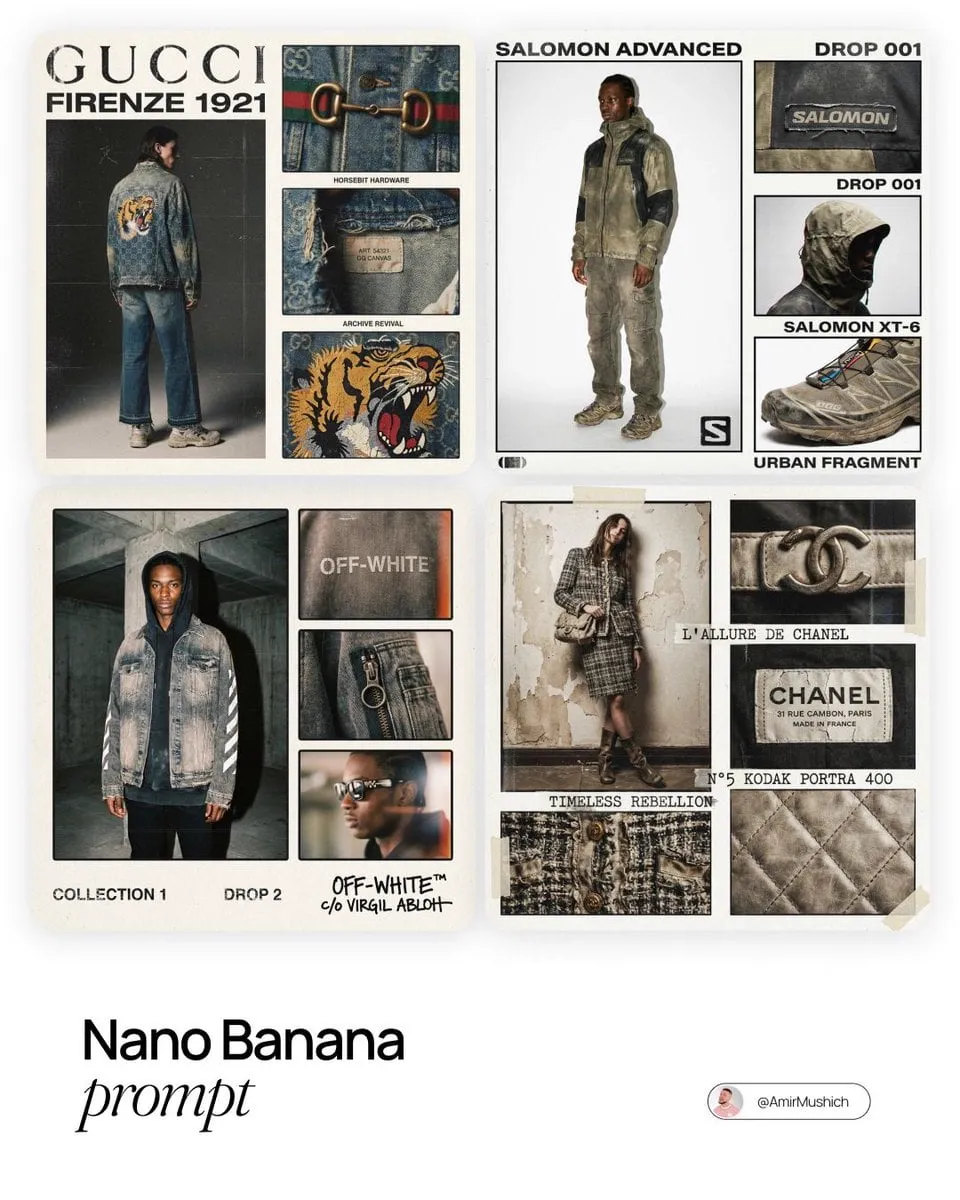
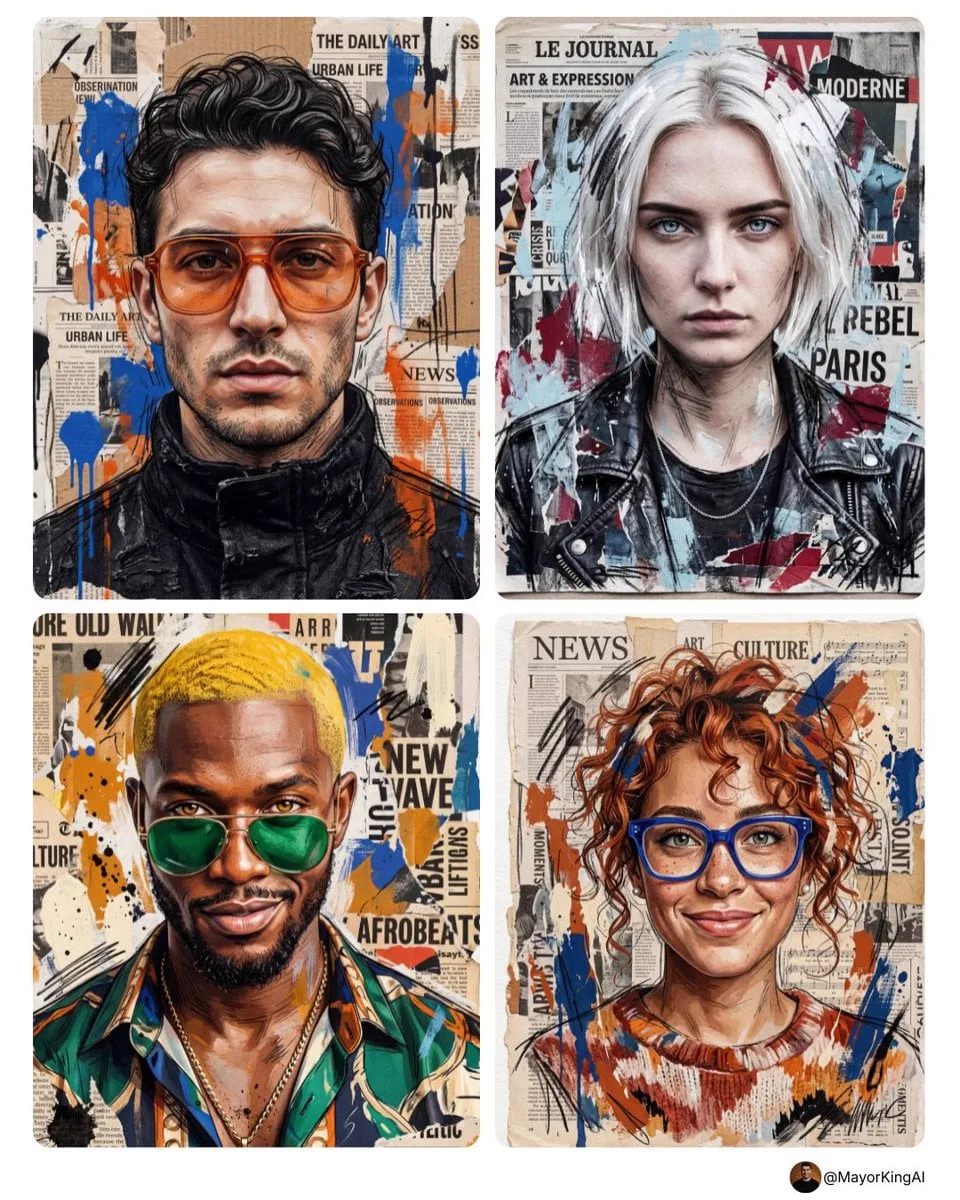
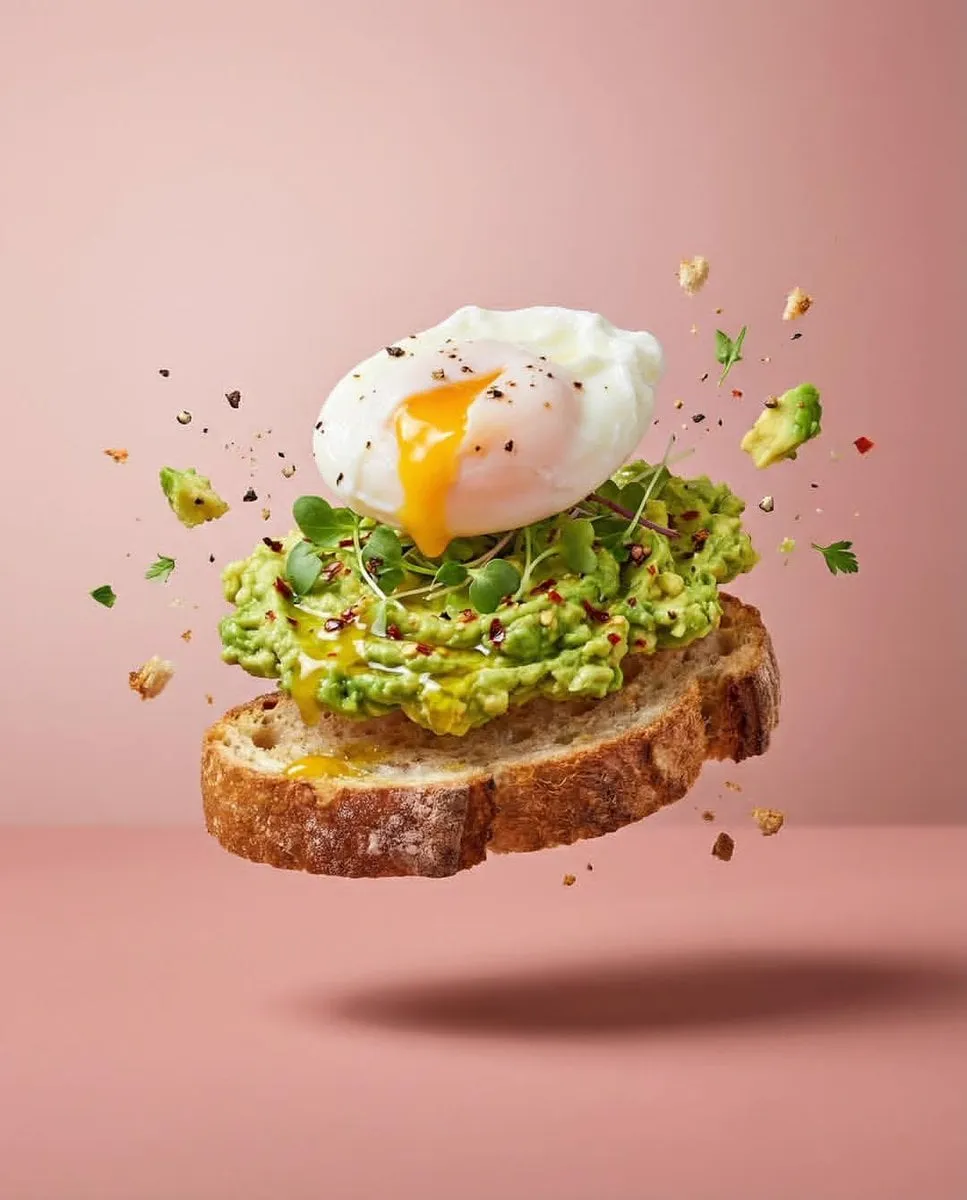
Product marketing used to move at the speed of a production calendar. You briefed an agency, waited weeks for a shoot, paid for reshoots, and shipped one or two hero spots per quarter. Then short-form platforms rewrote the rules. Audiences expect fresh video every few days, and the same ad that works on one channel often needs five variations for the next. AI video tools have changed what is possible, but the gap between possible and professional is still wide. This guide shows how product marketing teams build professional AI ad video templates end to end: the workflow, the model choices, the consistency tricks, the audio layer, and the measurement loop that keeps the whole system honest.
Why Product Marketing Teams Are Rethinking Video Ads
The pressure is not coming from one place. Organic reach on social feeds favors native, frequent video. Paid platforms reward creative diversity, which is why advertisers rotate dozens of ad variants instead of betting everything on a single cut. Meanwhile, product lifecycles are shorter, and launch windows compress. A team that could survive on three videos a month now needs three videos a week just to stay visible.
AI video generation does not magically solve every part of that problem, but it removes the two bottlenecks that made scaling impossible: the shoot and the edit. Instead of renting a studio and hiring a crew for every idea, teams can explore many visual directions in parallel, at a fraction of the cost, and only invest in traditional production when an idea proves itself. The practical skill is no longer operating a camera, but operating a repeatable pipeline that produces on-brand video reliably.
What an AI Ad Video Template Actually Is
A template is not a single file. It is a reusable recipe that combines a few components:
- A visual direction: color palette, lighting style, art direction, and reference images that define how the product and the brand look.
- A narrative arc: the classic hook, problem, solution, proof, and call to action mapped to specific shots.
- Shot scripts: written prompts or scene descriptions for each moment in the ad, with camera language such as close-up, slow push-in, or top-down product reveal.
- Asset libraries: character references, product images, background plates, and voiceover assets that can be swapped in and out.
- A production checklist: resolution, aspect ratio, duration, subtitle style, and audio specs for each target channel.
Once a template exists, producing a new ad becomes a variation task instead of a creative-from-zero task. You keep the structure, change the hook or the offer, regenerate the visuals, and re-export. This is what makes AI video practical for product marketing: the first template is the hard part, and every ad after it is fast.
Building the Workflow: From Brief to Final Cut
A reliable workflow has five stages. Do not skip the first two because they are unglamorous; they determine whether the final output looks professional or generic.
- Brief and audience definition. Write down the product, the problem it solves, the target customer, the platform, and the single message the ad must communicate. If you cannot phrase the message in one sentence, the ad will be muddled.
- Direction and reference gathering. Collect 10 to 20 reference images or videos that capture the mood you want: lighting, texture, color, camera movement. These references guide both the image model and any later human art direction.
- Shot-by-shot scripting. Break the ad into 4 to 10 shots. For each shot, define the subject, the action, the camera, and the duration. Write a prompt for every shot, even the ones you expect to regenerate.
- Generation and selection. Generate multiple takes per shot, pick the best, and note what worked in the prompt. Keep a shot sheet that records which prompt produced which result.
- Assembly, sound, and export. Combine the shots in an editor, add voiceover and music, add subtitles, and export for each aspect ratio you need: 9:16 for Reels and TikTok, 1:1 for feed, 16:9 for YouTube or connected TV.
Teams that document the first four stages are effectively building their own template library, which compounds with every project. A good shot sheet is the difference between a chaotic session and a pipeline that produces a finished ad in an afternoon.
Choosing the Right Models for Quality and Consistency
Not every AI model is good at every job, and treating them as interchangeable is the most common mistake. In practice you will likely use several:
- Image models such as Flux for hero stills, product shots, and reference frames. They give you precise control over composition and style before anything moves.
- Video models with strong motion understanding, including Runway Gen-4 and Kling, for shots where the subject actually moves: pouring, walking, reacting, or product reveals with parallax.
- Narrative-focused video models, such as OpenAI Sora, for longer sequences and scenes that need a clear story arc rather than a single gesture.
- Image-to-video tools for animating a still you already love, which is often the fastest path to a usable shot because you control the starting frame exactly.
The decision framework is simple: if the shot is mostly static, generate a still and animate it; if the shot needs complex physical motion or multiple interacting subjects, use a stronger video model; if the scene is long and story-driven, use a model built for coherence across many seconds. Matching the model to the shot is cheaper than forcing one model to do everything.
Keeping Characters and Scenes Consistent Across Ads
Consistency is the feature that separates professional-looking AI ads from uncanny slop. A product ad that changes the protagonist's face between shots, or shifts the brand color halfway through, will read as fake instantly. Three techniques solve most consistency problems.
- Multi-image reference: feed the model a reference image of the character, product, or scene and ask it to keep that identity in every generation. Most modern models support image references alongside the text prompt.
- Locked asset libraries: generate your main character, product hero, and key backgrounds once, at high quality, and reuse those exact images in every ad. Variation comes from the scene, not from regenerating the identity.
- Style pinning: describe the style in a consistent phrase, such as soft studio light, teal and orange grade, shallow depth of field, and paste it into every prompt. Small wording changes cause style drift, so keep a style block in your shot sheet and copy it verbatim.
When you do need to regenerate, compare the new take against the reference image, not against memory. Keep the reference open on a second screen and reject any take that loses the identity. This discipline is what lets a team ship a month of ads that look like they came from one production.
Adding Sound: Voiceover, Music, and Audio Quality
Visuals get the attention, but audio determines whether people stay. A silent ad gets scrolled past; a muddy voiceover gets muted. AI ad production should treat sound as a first-class deliverable.
- Voiceover: text-to-speech quality has improved enormously, and services such as ElevenLabs produce voices that are difficult to distinguish from human recordings. Choose a voice that fits the brand, set a consistent speaking pace, and always use the same voice across a campaign.
- Music: AI music generators can produce background tracks at any length and mood. Pick music that follows the ad's emotional arc and keep the volume under the voiceover by roughly ten decibels.
- Sound effects: subtle foley matters more than people expect. A product reveal benefits from a soft click, a liquid pour from an actual splash, and a transition from a whoosh. Many editors include stock SFX libraries that are enough for ad work.
Export audio at a consistent loudness. Platforms normalize loudness anyway, but you want to avoid harsh clipping, and you want your voiceover intelligible on phone speakers, where most social video is actually watched.
Distributing Ads Across Short-Form Channels
The same template should produce channel-specific cuts rather than a single file. Reels and TikTok reward tight, fast-paced hooks in 9:16. Feed placements tolerate slightly longer formats. YouTube Shorts has different subtitle conventions. Rather than regenerating everything per channel, keep the master edit and adjust:
- Aspect ratio: reframe the 9:16 master for 1:1 and 16:9 crops, checking that the main subject stays in frame.
- Hook length: cut the first two seconds tighter for paid placements where scroll velocity is highest.
- Subtitles: always include captions, styled with a readable font, because a large share of mobile viewing happens with sound off.
- End screens: swap the call to action per placement to match the platform's native action, like Shop now versus Follow.
A template library that stores per-channel variants makes distribution a checklist rather than a daily scramble. The same master edit can feed Reels, Stories, feed ads, and a YouTube cut without starting over.
Measuring Performance and Iterating
Production speed is worthless without a feedback loop. For every ad variant, track at least the completion rate, click-through rate, and conversion rate, and note which hook and which visual style produced the numbers. Then build the next batch from the winners:
- Keep the winning hook structure and swap the offer or the product angle.
- Keep the winning visual style and test a new narrative arc.
- Kill the variants that lose the audience in the first three seconds; do not polish them further.
Over a few cycles, you will learn the brand's visual vocabulary: the lighting that reads premium, the pacing that holds attention, the CTA that converts. That vocabulary is a strategic asset, and it lives in your template library long after individual ads stop running.
Integrating AI Video into Your Marketing Team
Adopting AI video is an organizational change, not just a tool change. Teams succeed when they assign clear roles: a strategist who owns the briefs and the message, a visual director who owns the direction and the template library, and an editor who owns assembly and distribution. Everyone else consumes the pipeline as a service.
Set a cadence that matches your platform needs, and treat the weekly batch as a normal marketing activity rather than a special project. Review the batch together, approve or reject at the template level, and keep the ledger of what worked. The companies that win with AI video are not the ones with the most impressive one-off generations; they are the ones with boring, repeatable systems that ship on time, every week.
Common Mistakes to Avoid
Even with a solid template, teams trip on the same predictable errors. Knowing them saves weeks of trial and error.
- Briefing without a single message. If the ad tries to say three things, it says none. One message per ad, and every shot serves it.
- Chasing novelty over fit. The newest model is not automatically the right one. A proven model with your locked references usually outperforms a shiny model you have to re-tune.
- Skipping the reference library. Teams that generate everything from text waste hours fixing faces, colors, and styles that a reference image would have solved.
- Approving the first good take. The first acceptable result is rarely the best one. Generate more, compare, and only then approve.
- Ignoring audio until the end. Voiceover, music, and captions are part of the ad, not an afterthought. Advertisers who treat sound as a last-minute step ship ads that get muted.
The pattern behind all of these mistakes is the same: treating AI video as a magic generator instead of a production system. The template, the references, and the review loop are what make the output professional, and they are exactly what a magic-generator mindset skips.
FAQ
How many takes should I generate per shot?
Generate at least four per shot for anything customer-facing. The first take is rarely the best, and the difference between take one and take four is often the difference between clearly AI and fine.
Do I need a designer on the team?
Not for the AI generation itself, but a design-minded person who can set direction and judge output is worth their weight. The judgment is the bottleneck, not the generation.
Is AI video cheaper than traditional production?
Almost always cheaper for volume. A single hero shoot may still be worth doing traditionally for your flagship campaign, but for testing and iteration, AI video wins on cost and speed.
Can AI ads be used for paid advertising?
Yes, and most platforms accept them, but check each platform's ad policies and disclosure rules. Brands should also decide their own disclosure stance, especially when using synthetic voices or photorealistic humans.
How long until my team is productive?
Plan for two to three weeks of setup: template building, prompt tuning, and one full pilot campaign. After that, the per-ad production time drops dramatically.
