
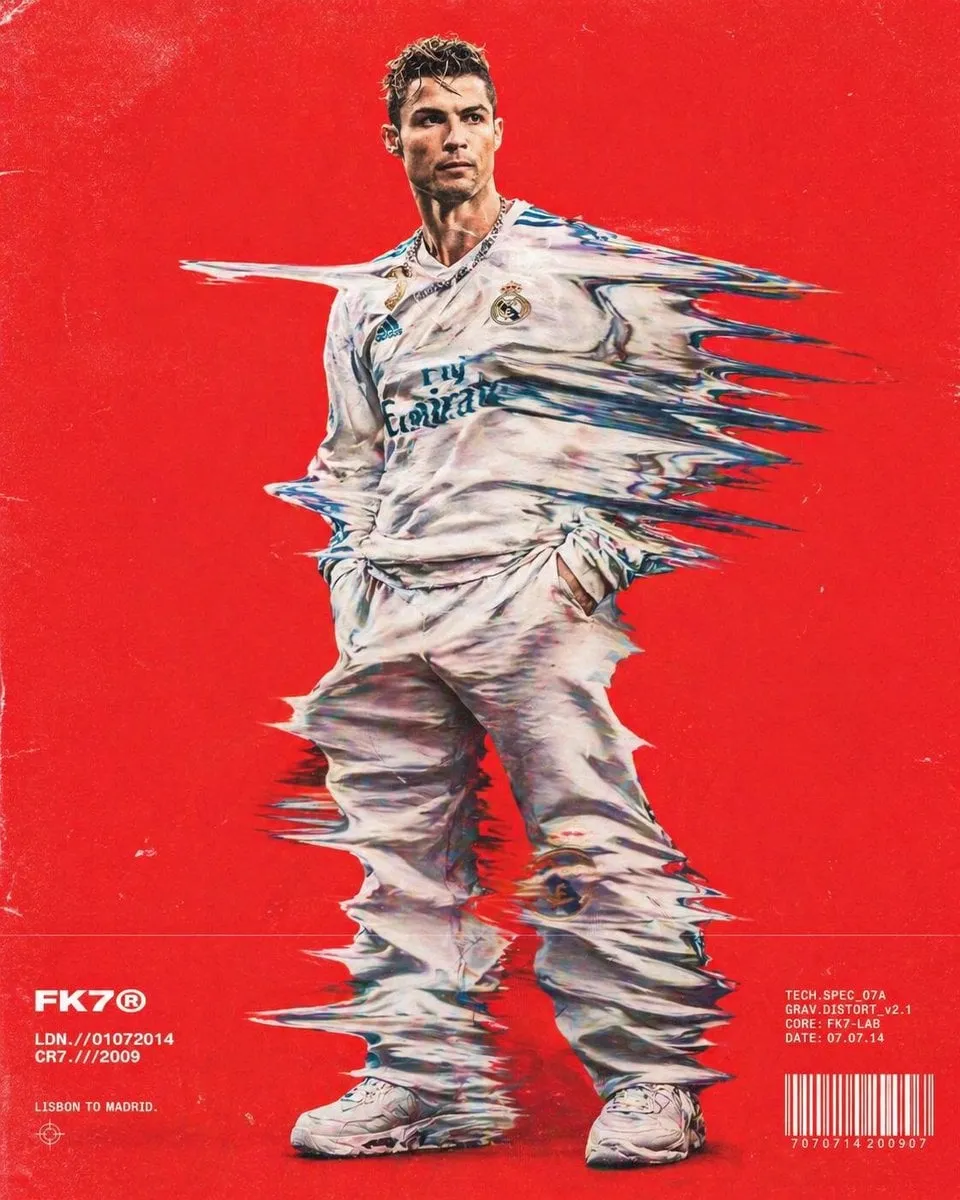
The idea of turning a single photo into a moving, breathing scene used to be the stuff of movie magic. A director would shoot thousands of stills, hand them to a VFX team, and wait months for a few seconds of animation. Today, the same transformation can happen in minutes with generative AI, and it is changing how films, ads, and social content are made.
Image-to-video animation, or AI animation from photo, is exactly what the name suggests: you give the system a still image, and it produces a video where that image moves, reacts, and flows through time. The interesting part is no longer whether it works. It does. The interesting part is how to make it work well: how to keep the character looking like themselves, how to choose the right model for the job, and how to build a workflow that produces consistent, cinematic results.
This guide walks through the technology, the model selection criteria, and a practical production pipeline you can use today.
What Image-to-Animation Means Today
The current media landscape is defined by an insatiable demand for high-velocity, high-quality video. Short-form platforms, advertising, and entertainment all need moving images, and they need them fast. Traditional animation is slow and expensive because every frame is drawn, rendered, or composited by hand. AI animation from photo collapses that pipeline: a single reference frame becomes a seed for motion, and the model fills in the frames in between.
The result is a shift in paradigm. Instead of laborious frame-by-frame creation, you get instantaneous visual dynamism. A product shot becomes a product demo. A character illustration becomes a scene. A family photo becomes a living memory. The barrier to entry has dropped so far that individual creators can now produce what once required a small studio.
How the Technology Works
You do not need a computer science degree to use these tools, but understanding the mechanics helps you make better decisions and debug failures faster.
Diffusion Models and Temporal Consistency
The foundation of modern image-to-video generation rests on latent diffusion models, which have evolved significantly since their early days. A diffusion model learns to start from noise and progressively remove it until a coherent image appears. Video models extend this idea across time: they learn not just what a frame should look like, but how frames should connect into believable motion.
Temporal consistency is the technical term for the hardest part. The model must keep a character's identity, lighting, and geometry stable from frame to frame while still allowing natural movement. When you see a video where a person's face melts or their shirt changes color mid-scene, you are seeing a failure of temporal consistency.
Reference Frames and Conditioning
This is where the photo comes in. The input still serves as a conditioning signal that anchors the output. The model analyzes the image, extracts the subject, the composition, and the style, then generates motion that respects those constraints. More advanced systems accept multiple reference images, which dramatically improves the stability of the result.
Why Character Consistency Is the Hard Part
A significant barrier to using AI for narrative filmmaking has always been maintaining the visual identity of a character across multiple generated shots. This problem, often called character keyframing, is what separates one-off novelty clips from actual storytelling.
If every shot in a film features a slightly different version of the hero, the audience stops believing in the story. Multi-image fusion addresses this directly by locking the character to a set of reference frames. The model is told, in effect: this face, this outfit, this palette are the character, no matter what scene they are in. When combined with careful prompting, it becomes possible to shoot an entire sequence with a character who looks like the same person throughout.
Choosing the Right Model for the Job
Not all video models are equal, and the differences matter more than raw quality. Your choice should depend on the project's goals.
Cinematic Fidelity
For hero content, brand films, or anything that will be judged on production value, prioritize models with strong photorealistic output, good prompt understanding, and reliable style consistency. These are usually the premium options in any platform, and they earn their cost on projects where every frame counts.
Speed and Volume
For social content, internal drafts, or A/B testing, speed matters more than perfection. Efficient models produce acceptable results in a fraction of the time, letting you iterate on ideas rapidly. The trick is knowing when a draft is good enough to ship, and reserving the premium tier for the final version.
Niche Styles
Some projects need a specific look: anime, claymation, watercolor, cinematic lens effects. Specialized models exist for many of these niches, and they often outperform general-purpose models on their home turf. If your project has a strong stylistic identity, research which model families are known for that style before committing.
A Practical Image-to-Video Workflow
Here is a pipeline that works for most projects, from a single short clip to a multi-scene story.
- Start with a strong still. The input image determines everything downstream. Choose or generate a reference with clear subject separation, good lighting, and the mood you want.
- Build a reference set. If the project has multiple shots, create two or three keyframes for the character from different angles.
- Write a motion prompt. Describe what happens, not just what is on screen: the camera move, the subject's action, the emotional beat.
- Generate short segments. Keep clips between four and ten seconds depending on the model; long generations are harder to control.
- Inspect frame by frame. Look for identity drift, warping, and physics errors before accepting a take.
- Regenerate or repair. Most workflows need two or three passes before a segment is clean. Fusion and inpainting tools can fix isolated problems without regenerating everything.
- Assemble and polish. Combine the accepted segments, add audio, and do a final consistency pass across the whole cut.
Directing Motion: Scene Structure and Shot Planning
Generating movement is one thing; generating cinematic movement requires directorial intent. This is where AI director agents come in. These agents translate a simple request into a structured visual narrative: they break a scene into shots, suggest camera angles, and sequence the action so the result feels intentional rather than random.
Even if you are directing manually, think like a director. Plan the shots you need before generating: wide establishing shot, medium action shot, close-up reaction. Each shot should be generated with its own prompt, but with the same character references and visual rules. The result is a sequence that cuts together cleanly because every shot was built from the same visual DNA.
Keeping the Story Cohesive
A film is more than a collection of good shots; it needs a coherent story and a consistent look across the entire runtime.
Video Fusion and Continuity
Video fusion technology lets you blend multiple clips or reference frames into a single continuous output. This is invaluable for transitions: instead of hard-cutting between styles, you can morph one shot into the next while preserving the subject's identity. It also helps when different segments were generated at different times or with slightly different settings.
Iteration and Refinement
Cohesion rarely happens on the first pass. Plan for iteration: generate, review, fix, regenerate. Tools that support targeted editing, such as adjusting a single element within a frame, make this loop dramatically faster. The goal is not perfection in one take, but a controlled loop that converges on the right result.
Practical Applications
Rapid Prototyping for Film and Advertising
Directors and creative teams use image-to-video to test scenes before committing to expensive shoots. A concept still can be animated into a rough animatic that shows camera movement, pacing, and mood. Clients can react to the animatic instead of abstract storyboards, which reduces miscommunication and reshoots.
Social Content and Brand Work
For social teams, the speed is the point. A brand can turn product photography into a short promo video in minutes, test several variations, and ship the winner the same day. The consistency techniques described above keep the brand recognizable across every variation.
Camera Language, Pacing, and Aspect Ratio
Technical consistency is only half of the craft; the other half is making the result feel directed. Two videos with identical characters can feel completely different if the camera behaves differently.
Learn to specify camera language in your prompts. A dolly-in signals emphasis, a whip pan signals energy, a slow push signals intimacy, and a locked-off shot signals documentary calm. The same scene generated with different camera moves tells a different story, so decide what the shot is for before you write the prompt. Directors call this shot planning, and it applies exactly the same way to AI generation.
Pacing is the rhythm of cuts. Short clips cut together quickly feel urgent; longer takes feel contemplative. Plan the pacing in the edit, not during generation: generate the material you need for the rhythm you want, then assemble. If you only generate one long clip, you have no choices in the edit; if you generate several short ones, the edit becomes a creative act.
Aspect ratio is a practical decision with artistic consequences. Vertical formats dominate social feeds; horizontal formats suit cinematic and desktop viewing; square formats work on feeds that crop unpredictably. Generate for the destination format rather than generating a default and cropping, because cropping often cuts out the subject or the composition you carefully planned.
Common Mistakes and How to Avoid Them
- Starting from a weak still. If the input is blurry or poorly composed, the output inherits the problems.
- Generating too long too soon. Long clips amplify drift; build from short segments.
- Ignoring references. One photo is rarely enough for multi-shot projects.
- Changing prompts between shots. Keep fixed descriptors identical across the sequence.
- Skipping inspection. AI output looks plausible even when subtly wrong; always review frames.
A Template for Your First Animation Project
If you are starting from zero, a fixed template reduces the number of decisions you have to make on the first run. Here is one that works for a short character scene.
First, choose a single subject: one character, one location, one action. Second, gather three reference frames of the character: a face close-up, a three-quarter body shot, and one action pose. Third, write one motion prompt that describes the action in a single sentence, with a fixed set of descriptors that you will reuse in every variation. Fourth, generate the keyframe image, inspect it, and only then animate it. Fifth, produce three short takes with slightly different camera language, and pick the best one. Sixth, add sound and export.
The template is deliberately small. Its purpose is not to produce a masterpiece on the first try, but to build the loop: references, generation, inspection, iteration. Once the loop is automatic, you can scale the template up to longer projects, richer scenes, and larger reference sets. Most people fail at image-to-video not because the technology is weak, but because they try to make something ambitious before they have made something simple. Start small, learn the loop, then expand.
FAQ
What kind of image works best as input?
A sharp, well-lit image with clear subject separation and a simple background is the safest starting point.
How long can generated clips be?
It depends on the model, but most produce reliable clips between four and fifteen seconds. Longer sequences are built by stitching segments.
Can I keep the same character across different models?
Yes, if you reuse the same reference frames and fixed prompt descriptors. Consistency is carried by the references, not the model.
Do I need expensive hardware?
No. Modern platforms run generation in the cloud; you only need a browser and a stable connection.
Is AI animation from photo replacing animators?
It is changing the workflow, not eliminating the craft. Direction, storytelling, and refinement still require human judgment, and the best results come from people who treat the AI as a powerful assistant rather than a replacement.
The Bottom Line
AI animation from photo has matured from a novelty into a production tool. The technology handles the motion; you provide the vision, the references, and the judgment. Master the workflow of strong stills, consistent references, short segments, and careful review, and you can produce animated content that looks deliberate, coherent, and worth watching.
