
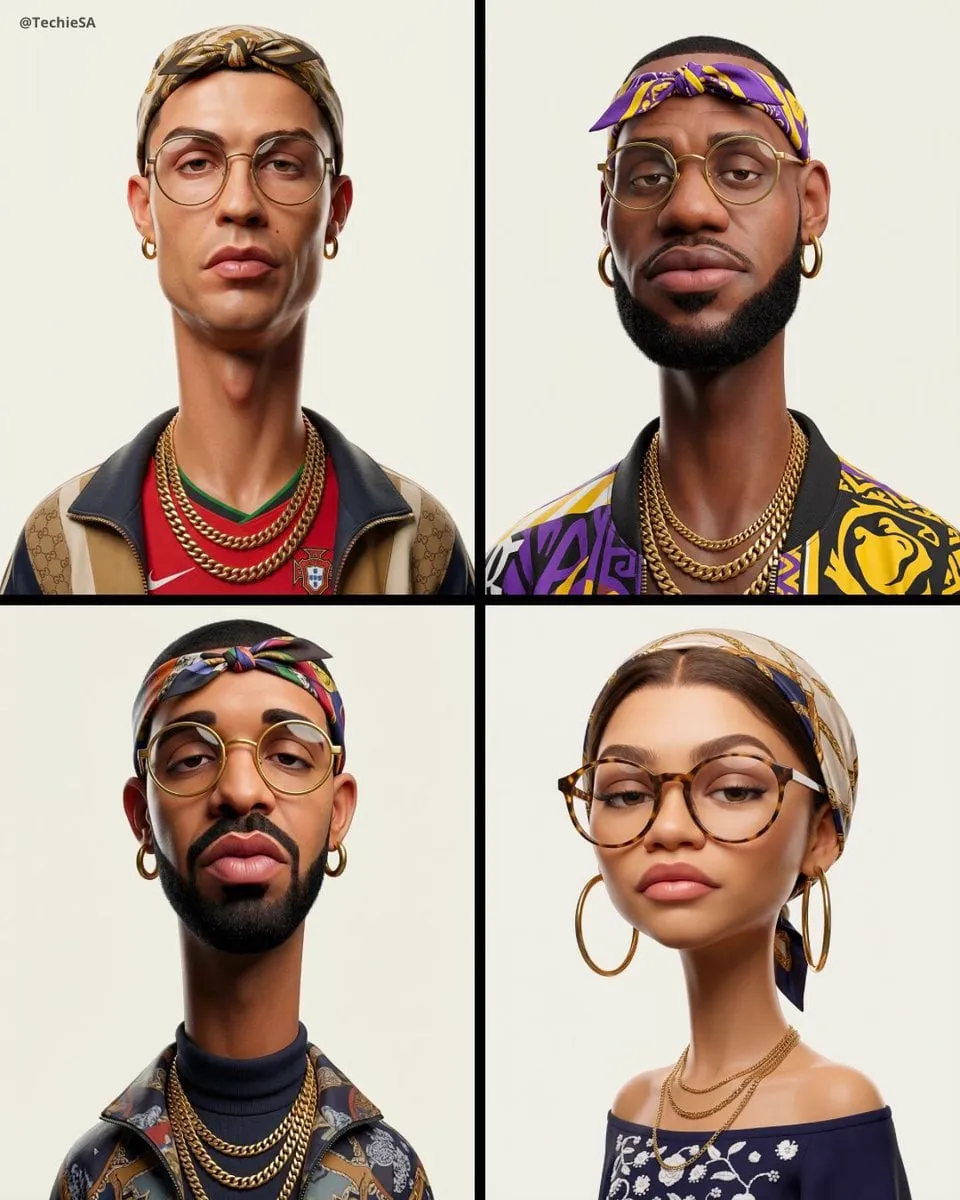

The generative video market crossed a symbolic threshold in 2025: what began as a novelty that produced short, artifact-prone clips has matured into a production tool that studios, independent filmmakers, and content teams rely on every day. The numbers tell the story — the market is measured in billions and growing at a pace that rivals the early days of social video.
But the real change is not in the market size. It is in how work gets done. Where previous generations of tools asked you to describe a scene and hope for the best, the current wave is built around control: reference images, keyframes, camera instructions, and models that understand narrative structure. For anyone making animated films, marketing videos, or educational content, this is a fundamental shift in what is possible.
This article maps the trends that actually matter — not the hype — and gives you a practical lens for deciding what to adopt, what to test, and what to skip.
From novelty to production tool
It is easy to forget how quickly this space moved. A few years ago, AI-generated video meant a handful of seconds of uncanny movement. In 2025, the defining feature of the field is long-form narrative coherence: characters who stay recognizable across scenes, styles that hold from shot to shot, and scenes that respect physical logic.
Three forces drove this transition. The first is the maturation of foundational models, which now treat time as a first-class dimension of learning rather than an afterthought. The second is the explosion of specialized models, each tuned for a specific aesthetic or workflow. The third is the platform layer — the infrastructure that lets a creator switch between models without rebuilding their pipeline.
For creators, the practical consequence is that the bottleneck has moved. It is no longer "can the tool generate this?" but "how do I direct the tool to generate this consistently?" The people who are winning are the ones who treat AI video generation as a directing problem, not a rendering problem.
Hyper-specialized models replace the one-size-fits-all engine
The most important structural change in the market is the end of the universal model. The field has shifted from monolithic, general-purpose engines to an ecosystem of hyper-specialized models. Some excel at photorealistic human movement, others at stylized animation, others at physics-heavy scenes like water, cloth, and destruction.
This specialization is a feature, not a bug. A single model cannot be the best at everything, because the training trade-offs are real: a model that nails realistic lighting may struggle with expressive character animation. The platforms that aggregate many models exist precisely to let creators pick the right engine for each shot.
The practical implication for your workflow is to stop asking "which AI video tool is the best?" and start asking "which model is best for this type of scene?" Build a shortlist of two or three models that cover your most common needs, and keep an eye on new releases — the release cycle has become so fast that a model you dismissed six months ago may now lead its category.
Multimodal generation: images, style maps, and clips
Text prompts are no longer the only — or even the primary — way to direct a generation. The rise of multimodal inputs is one of the strongest trends in the field: you can now guide generation with reference images, style maps, and even existing video clips, combining them with text to define what the output should look like.
The most valuable use of this capability is visual consistency. Instead of describing a character with words and hoping the model keeps the same face, you feed it reference images and the generation locks onto those anchors. Some models accept multiple references — up to seven images in the leading implementations — which lets you define a character from several angles and in several outfits.
For production, this changes the approval workflow. You can generate a hero image, validate it with the client or the creative team, and then use that approved image as the anchor for every shot in the sequence. The result is that "the character looks right" stops being a hope and becomes a planning step.
Keeping characters consistent across scenes
Character consistency is the single biggest technical challenge in AI video — and the single biggest source of rework when it goes wrong. Anyone who has watched an AI-generated character change face between shots knows how quickly it destroys immersion and how much time it costs to fix.
The current best practice is a layered approach. Start with a strong character bible: reference images from consistent angles, with consistent lighting and wardrobe. Generate a hero image and approve it before generating any video. Then, for each shot, feed the approved reference to the model and enforce continuity through camera and keyframe controls where available.
The discipline pays off in scale. Once your reference set is solid, generating ten shots of the same character takes about the same effort as generating one. Consistency is what makes AI video production viable for narrative projects, branded content, and anything with an IP that needs to stay recognizable.
The rise of the AI director layer
As raw generation became more reliable, the market shifted its attention up the stack: from models to direction. The newest category of tool is the AI director — an agent layer that sits on top of the models and applies cinematic principles to the output. Instead of improving your prompt, it improves your plan: scene composition, shot flow, pacing, and narrative structure.
Think of it as a pre-visualization partner. You describe the story beats and the intended emotional arc, and the director agent proposes a shot list, composes scenes, and sequences the generations into something that feels directed rather than assembled. For independent filmmakers and small studios without a dedicated storyboard artist, this closes a real capability gap.
The AI director layer also changes the economics of iteration. You can prototype a scene's composition cheaply, review the shot flow, and adjust before committing to expensive full-resolution renders. In traditional production, pre-visualization was a luxury; with AI direction, it becomes a standard step.
What happens under the hood
The trends that creators see on the surface are powered by serious engineering underneath. The platforms that deliver reliable AI video run on modular backends — commonly built with Node.js and TypeScript — that connect dozens of models from different providers behind a single interface. This modularity is what makes "pick the best model per shot" practical for normal users.
Two engineering details matter more than they look. The first is the task queue: generating video is GPU-intensive, and a well-built queue distributes work efficiently, keeps priority jobs moving during peaks, and fails over when one provider is slow. The second is resource management: balancing model load so that premium models stay responsive without idling expensive hardware.
As a creator, you rarely see this layer — but you feel it. It is the difference between a platform that is fast at 3 a.m. and one that queues for an hour at deadline time. When evaluating tools, ask about architecture before you fall in love with a model list. Infrastructure is the quiet determinant of whether your deadline survives.
The creator economy around custom models
The most interesting long-term trend is not in video generation itself but in the economy forming around it: creators training, sharing, and selling custom models. If you have a recognizable style — a character, a brand aesthetic, an animation look — you can train a model on it and let others use it, with the model owner earning from that usage.
This changes the incentive structure of the creator economy. Previously, the value was locked in finished videos. Now, the value can also live in the style itself: a distinctive character design becomes a reusable asset, and a well-trained model becomes a small business. For studios, custom models also solve the IP problem — the style stays under your control instead of being an emergent accident of a generic model.
The practical path is to start small: train a model on a specific character or aesthetic, use it in your own projects, and only then consider sharing or licensing it. Quality and consistency are what make a custom model valuable, and both come from good training data and disciplined reference sets.
The cost question: quality versus speed
Every workflow decision in AI video comes back to the same trade-off: quality costs time and money, speed costs fidelity. The professional response is not to pick one side but to assign the right budget to each shot.
Hero shots — the opening sequence, the money shot, anything the audience will see more than once — deserve the premium path: the best model, the most careful references, the extra iteration. Supporting shots, transitions, and background material can ride the fast path: lighter models, quicker generation, acceptable fidelity.
This tiering is exactly what the aggregated platforms make practical. Instead of being locked into one model's quality ceiling, you can route each shot to the engine that matches its role in the edit. The result is a production where the average quality rises and the total cost falls — the combination that makes AI video sustainable as a business tool, not just a creative toy.
What to adopt in your workflow next
If you are not yet using AI video in production, start with a pilot that has clear success criteria. Pick a real project — a short explainer, a product sequence, an animated intro — and run it through a complete pipeline: references, hero images, shot generation, and assembly. Measure time-to-delivery against your traditional process.
If you are already using AI video, focus this quarter on consistency: build a proper reference library, enforce hero-image approval before batch generation, and add camera and keyframe control to your most important shots. These changes compound — they cut rework, which is where most hidden production cost lives.
Finally, budget time for experimentation. The field is moving too fast for a set-it-and-forget-it approach. A small, regular experiment — one new model tested per month, one new technique per project — keeps your workflow from going stale while your competitors are still using last year's defaults.
FAQ
Do I need to be technical to use AI video tools? No. The best tools have visual interfaces. But understanding concepts like references, keyframes, and model selection will improve your results more than any specific tool feature.
What is the difference between image models and video models? Image models generate single frames; video models generate sequences with temporal coherence. Professional workflows use both in sequence: hero images first, animation second.
How do I keep a character consistent across many shots? Build a character bible of consistent reference images, generate and approve a hero image, and reuse that approved reference for every shot. It is a planning discipline, not a prompt trick.
Is AI video going to replace animators and editors? It automates the mechanical layers — rendering, cleanup, iteration. The creative decisions — story, direction, selection, review — become more important, not less.
Where should I start? Run one small pilot project end-to-end. Measure time and cost against your current process, and let the numbers decide whether and how to scale.
How do I pick between two models that look similar? Run your own test suite on both: the hardest shot from your real work, with your real references. Compare consistency across the clip, not just the best frame, and choose the one that requires less cleanup — that is the one that saves you money.
The tools have caught up with the ambition. AI animation and video generation are no longer about impressing people with a single clip — they are about delivering consistent, directed, professional work at a speed that changes what projects are worth attempting. The trend that matters most is not any single model; it is the shift of creative work from rendering to directing, and that is a shift you can start using today.
