

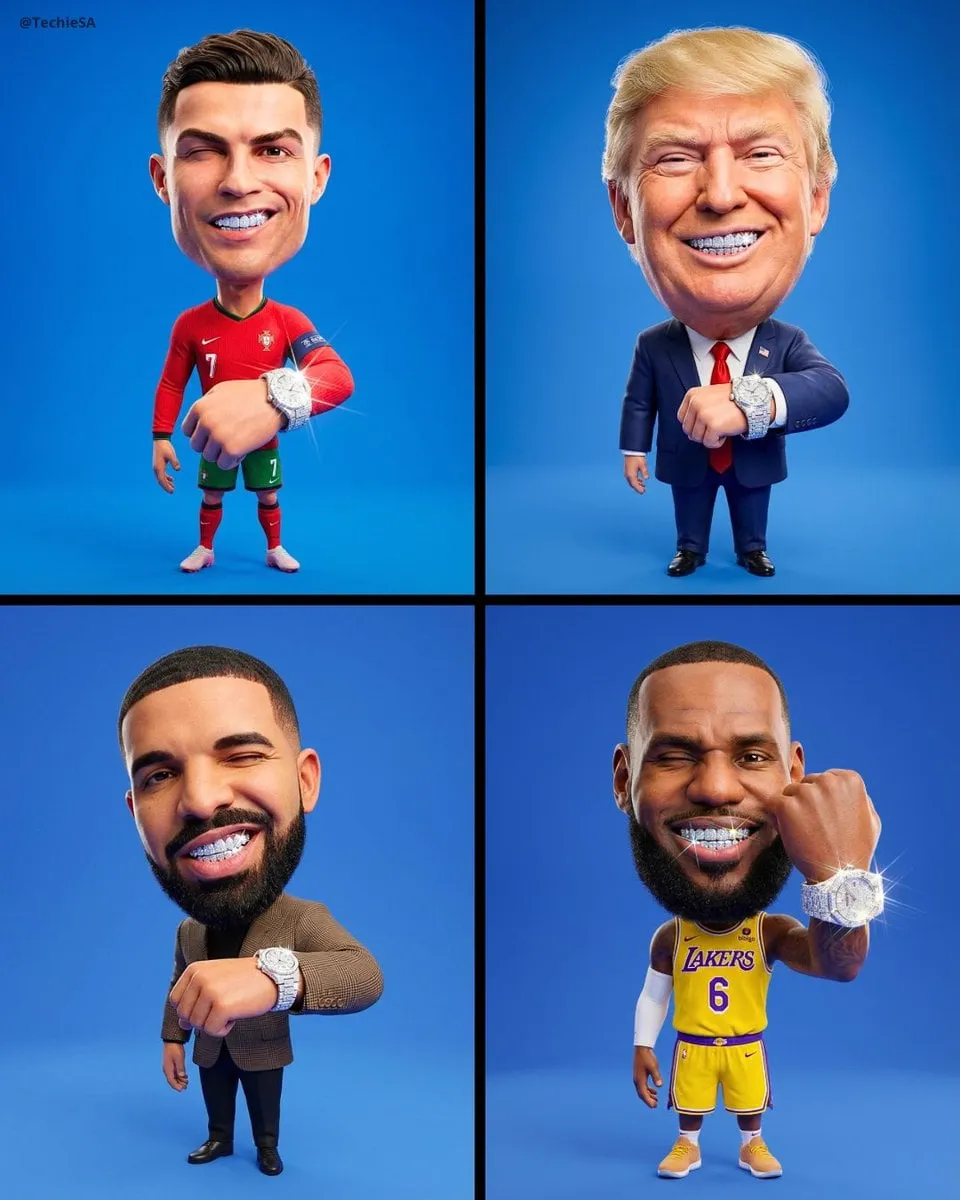
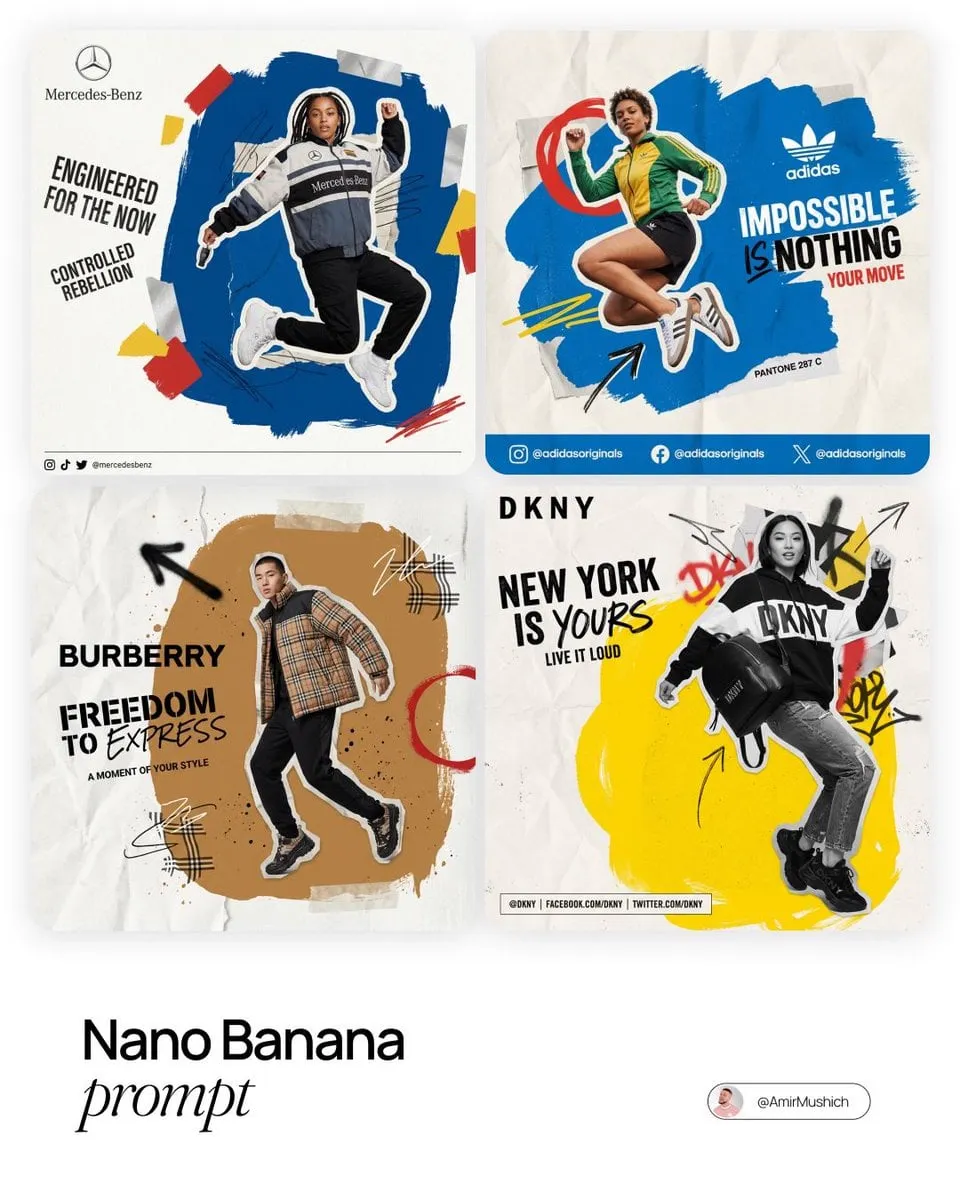
Open any short-form feed and you will see them within minutes: anime-style characters in absurd situations, comedy skits with a single running gag, mascots that repeat the same joke until it becomes a meme. What looks like a wave of independent creators is actually one of the clearest signs that generative AI has changed who can make video. Animation used to require a studio, a budget, and years of practice. Now a single creator can produce a short anime clip in an afternoon.
This article looks at why AI anime and comedy shorts are growing so fast, what separates the clips that take off from the ones that vanish, and how a creator can build a repeatable workflow around the format.
Why Short-Form Comedy and Anime Dominate Right Now
Three forces came together at once. The first is viewer behavior: audiences now consume media in short bursts and reward content that delivers a complete emotional beat in seconds. Comedy is the format that pays off fastest, and anime is a visual language that signals creativity instantly, even in a thumbnail.
The second force is cost. Traditional animation costs thousands of dollars per minute, because every frame is drawn or rendered. Generative models collapse that cost by orders of magnitude. A creator can generate dozens of variations of a scene and keep only the best one. Failure, which used to be ruinous, is now cheap.
The third force is distribution. Short-form platforms reward novelty and consistency. Accounts that publish regularly in a distinctive style get algorithmic tailwinds. AI makes it possible to maintain that cadence, which is exactly what creators need to grow.
Together, these forces explain the explosion: a format that is cheap to produce, built on an existing visual language, and perfectly matched to how people watch.
What Changed: From Hand-Drawn to Generated
It is worth being precise about what the AI actually does. It does not remove creativity. It removes the mechanical bottleneck between an idea and a visible result.
In traditional animation, the pipeline is long: storyboard, layout, keyframes, in-betweens, coloring, compositing. Each stage requires skilled labor and review. In AI generation, the same pipeline shrinks to a loop: write a prompt, generate a clip, evaluate, adjust, regenerate. The loop is fast enough that the creator's taste becomes the main constraint instead of their technical skill.
This changes who can participate. A writer with a good sense of humor but no drawing ability can now make anime comedy. A marketer who understands what makes a thumbnail click can test visual ideas without commissioning art. The barrier moved from production skill to judgment: knowing what is funny, what is consistent, and what will hold an audience's attention.
The Character Consistency Problem (and How to Solve It)
The single biggest technical obstacle in AI animation is consistency. A character who changes face between shots breaks the illusion instantly, and comedy depends on the audience recognizing the same character going through escalating situations.
Multi-image fusion is the practical solution. Instead of describing the character in words and hoping the model agrees with itself, you feed it several reference images: the character from the front, from the side, in different expressions, in different outfits. The model builds a composite identity from those references, and that identity persists across shots.
The same technique works for the whole visual style. A style reference image locks the color palette, line weight, and texture, so every clip in a series looks like it belongs together. Consistency is what turns a collection of clips into a recognizable brand, and it is the difference between a creator who posts one-off experiments and one who builds an audience around a recurring cast.
A Five-Step Workflow for AI Comedy Shorts
A reliable comedy short follows the same skeleton whether it is hand-made or AI-generated: a premise, a setup, a turn, a payoff, and a hook that makes people share it.
The first step is the premise. Write one sentence that summarizes the joke: "A salaryman's inner critic manifests as a tiny anime villain." The premise is the whole idea. If it is not funny in one sentence, it will not be funny in forty seconds.
The second step is the script and storyboard. Keep it to three or four beats. Comedy shorts live or die on rhythm, so mark the timing: the setup should take about a third of the runtime, the turn another third, the payoff the rest. Write the dialogue or on-screen text now, because it will drive the voiceover and subtitles later.
The third step is character and style locking. Generate the reference images: the character design, the expression sheet, the background style. Test them until the character looks right from multiple angles. This step is boring and essential. Skipping it guarantees a broken series.
The fourth step is generation. Produce each shot separately using image-to-video or text-to-video, with the references attached. Do not try to generate the whole short in one clip. Separate shots give you control, and control is what lets you fix one bad moment without rerolling everything.
The fifth step is assembly. Edit the shots into sequence, add the voiceover or sound design, and cut the dead air. The final pass is where the short becomes watchable. A generated clip with no sound feels like a demo; the same clip with music, a punchy voice, and tight cuts feels like content.
Voice, Sound, and Timing: Making the Joke Land
Visuals set up the joke; sound delivers it. This is where AI shorts most often fail, because creators treat sound as an afterthought.
Voice synthesis gives you a character voice without hiring an actor. The key is casting the right voice for the character type and matching the delivery to the joke's rhythm. A deadpan line needs flat, slow delivery. A panic beat needs pitch and speed. Generate several takes of each line and choose the one that lands.
Sound effects are cheap and transformative. A whoosh, a thud, a record scratch, a dramatic sting: these small cues tell the audience when to laugh. Comedy is about timing, and sound is how you control timing in a medium the viewer cannot pause for you.
Music sets the energy. Fast, bouncy tracks push the pace; minimal, awkward silence amplifies deadpan comedy. Match the music to the joke type, not to your personal taste.
Standing Out When Everyone Uses the Same Models
The uncomfortable truth is that everyone has access to similar tools. A distinctive style is what keeps you from being interchangeable.
The most reliable differentiator is a recurring character or premise. A cast with a name, a catchphrase, and a consistent look becomes the asset that belongs to you. Viewers follow characters, not generic clips.
The second differentiator is point of view. The same tools can make a joke about office life, a niche hobby, or a local situation. Formats travel, but the specific cultural texture of your humor is hard to copy. Write what you actually find funny, not what you think the algorithm wants.
The third differentiator is craft. Consistent references, clean sound, tight editing, and a recognizable color grade read as quality in a feed full of raw generations. Quality compounds: the audience cannot articulate why your clips feel better, but they keep watching.
Monetization and Platform Fit
AI shorts can feed several income paths, and the smart move is to treat them as an asset system rather than a single viral bet.
On short-form platforms, consistent publishing builds an audience that can be monetized through the platform's own programs, brand deals, and channel sponsorships. The format is fast enough to test many ideas, and the winners can be expanded into longer content.
Cross-platform reuse multiplies the value. A vertical short can become a highlight on a channel, a reaction source, or the seed of a longer video. Because the assets are digital and regenerable, one idea can earn in multiple places.
For brands, AI anime and comedy is an affordable way to test character-led campaigns before committing to production budgets. A mascot that tests well as a short can be extended into a full campaign, licensing, or merchandise. The generation pipeline de-risks the creative bet.
Pitfalls: Uncanny Motion, Bland Jokes, Consistency Drift
The most common failure is uncanny motion. AI animation can move in ways that feel almost right but not quite: floating limbs, sliding feet, rubbery physics. The fix is reference discipline and shorter shots. Small, controlled movements look better than ambitious ones that the model cannot hold.
The second failure is bland jokes. If the premise is generic, the execution cannot save it. "Character does a funny thing" is not a premise. The premise needs a specific contradiction: a robot learning sarcasm, a villain with customer service duties. Specificity is what makes comedy feel original.
The third failure is consistency drift across a series. The first clip looks great, the fifth clip has a different character. Fix it by keeping the same reference set, the same style image, and notes on every prompt. Consistency is a process, not a one-time setting.
Testing Ideas Before Committing
The cost of a comedy idea is now so low that the bottleneck is deciding which ideas deserve a full episode. A cheap testing loop settles that question in an afternoon.
Write five premises, not one. Generate a single keyframe for each: the character in the core situation, frozen at the most expressive moment. Compare the frames without any motion or sound. The frame test filters out the ideas that do not read visually, which is most of them, and it costs almost nothing.
Take the two or three survivors to the next stage: a five-second motion test. Generate the payoff beat only, with the voice line if you have it. You are testing whether the joke survives motion, because comedy that works in a still can die in the animation, and vice versa.
Only the idea that survives both tests gets the full production treatment: locked references, all shots, sound design, final edit. This funnel is the reason some creators ship polished content every week while others burn time on dead ends. The discipline is refusing to fall in love with an idea before the cheap tests approve it.
The same loop doubles as an idea library. The rejected frames and tests are not wasted; they become a backlog of concepts that can be revisited when a new format or a better model appears. Ideas are cheap to store, and the backlog is a permanent source of future content.
FAQ
Do I need to know how to animate? No. The model handles motion. You need taste, script sense, and patience with iteration.
How long does a typical AI comedy short take to make? Once you have the workflow set up, a polished short can take a few hours, including script, generation, and edit. The first few will take much longer.
Can I use existing characters or shows? No. Use original characters. Existing IP carries legal risk and platform penalties, and original characters are more valuable anyway.
What length works best? Forty seconds or less for feed comedy. Short enough to watch twice, long enough to land the setup and payoff.
Is consistency really achievable across shots? Yes, with reference images and a defined style. It is not automatic, but it is reliable once you build the habit of locking references before generating.
How do I write funnier premises? Start from a specific contradiction instead of a generic situation. Give the character a job, a flaw, or a rule that fights the situation. The more specific the tension, the more room the joke has.
Should I add subtitles? Yes, for comedy shorts especially. Many viewers watch without sound, and a well-timed subtitle carries the joke. Keep them short, punchy, and synced to the beat.
How often should I post? Consistency beats frequency per se. A realistic rhythm you can sustain for months is worth more than an ambitious one you abandon in three weeks.
What do I do when a video flops? Mine the data and move on. Check the first-three-seconds retention, note the premise, and feed the lesson into the next batch. Flops are information, not verdicts.
Conclusion
AI anime and comedy shorts are not a novelty. They are the leading edge of a structural change: production cost collapsed, and the constraint moved from skill to taste. The creators who win will treat the format as a craft with a repeatable workflow: premise, script, references, generation, and assembly, with sound and consistency treated as first-class citizens.
The barrier to entry is lower than it has ever been for moving image content. The barrier to standing out is unchanged: original ideas, consistent characters, and the judgment to know what lands. The tools handle the drawing. You handle the deciding.
