


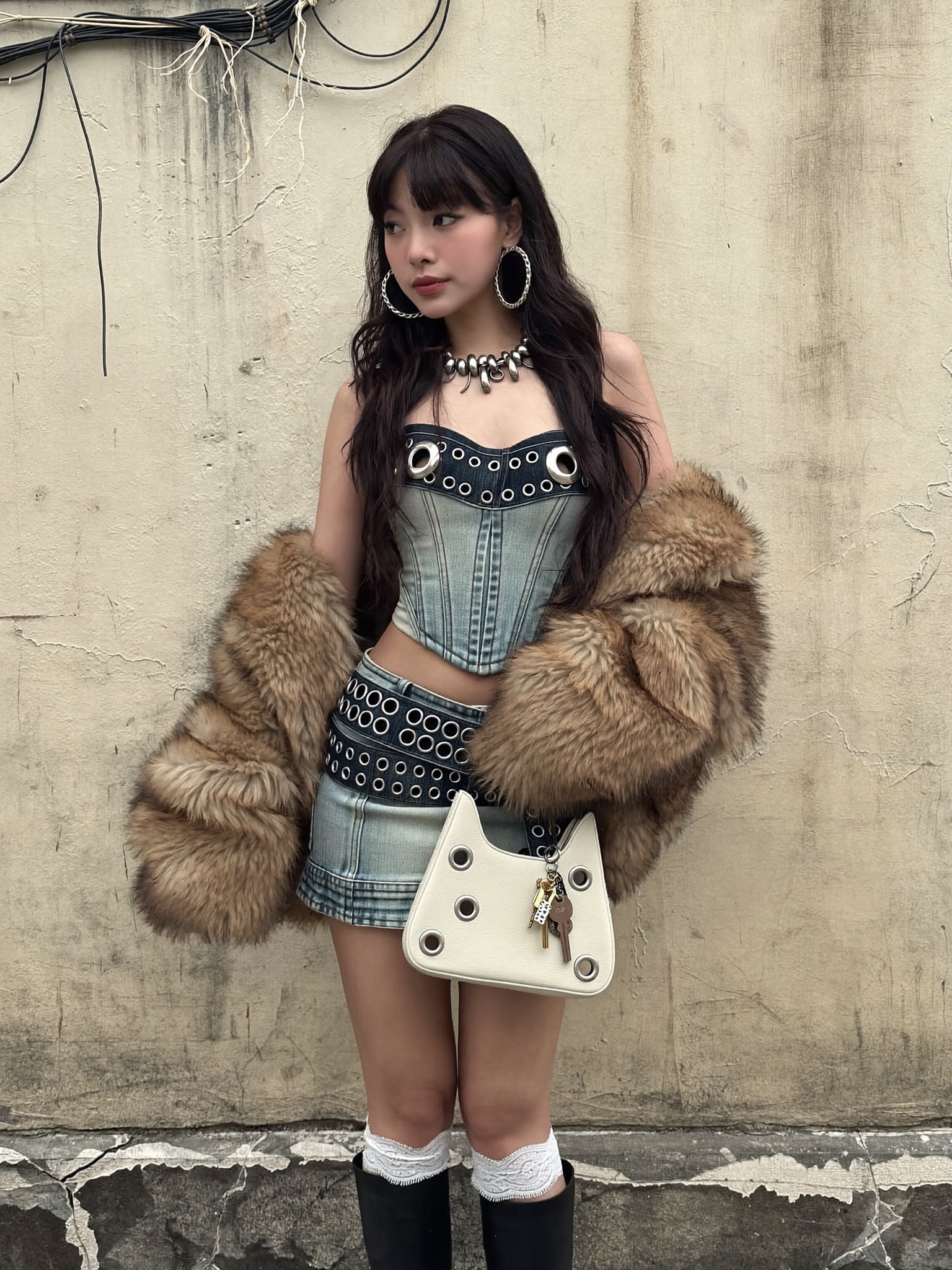
The Character Consistency Problem Nobody Solved
Watch any early AI-generated short film and you will spot it within seconds: the hero's face changes between cuts. In one shot she has freckles, in the next she does not. Her jacket color drifts from shot to shot. Her hairstyle mutates like a game of telephone. This is the character consistency problem, and for years it was the single biggest obstacle between AI video and real storytelling.
Text-to-video models generate every frame from scratch. Each generation starts from noise and statistical guesswork, so nothing about the character is actually remembered between clips. The result is that a ten-shot narrative feels like ten different actors playing the same role. Audiences notice even when they cannot name the problem. Inconsistent characters break immersion, and broken immersion kills otherwise good stories.
The good news is that the problem has a working solution now. It is not a single magic model. It is a technique called image fusion: you give the model multiple reference images of your character, and it learns a stable visual identity that it carries across scenes. This guide explains how fusion works, how to build a reference pack that actually locks identity, and how to use it across a full production without fighting the tools.
What Image Fusion Actually Does
Image fusion sounds like a filter that blends two pictures together. In practice it is more interesting. Modern fusion systems take several reference images of the same subject and extract what they share: the consistent facial structure, skin tone, hair, and distinguishing features. That shared identity is compressed into a feature representation, sometimes called an identity vector or character token. When you then generate a new scene, the model conditions on that representation, so the new character starts from the learned identity instead of from scratch.
Think of it as casting. A traditional animation studio casts one voice actor and keeps the same character sheet across every scene. Image fusion builds the character sheet automatically from your references. The quality of that sheet depends on the references you provide, which is why reference selection is the real skill.
There are two flavors of fusion in common use. Multi-image reference takes two or more images of the character and derives a fused identity. Video fusion or style fusion instead locks a specific visual style, like a consistent illustration look or a consistent wardrobe, across scenes. Both share the same core idea: consistency comes from conditioning every generation on a fixed anchor.
Build a Reference Pack That Locks Identity
The quality of your character consistency is decided before you generate a single frame. It is decided by the reference images you choose. Most creators underinvest here, and it shows in every shot.
A strong reference pack has four properties:
Front-facing clarity. Your primary reference should show the character face-on, well lit, with the whole face visible. A three-quarter angle is fine as a secondary reference, but the main anchor should be a clean front view. The model needs the full geometry of the face: eyes, nose, mouth, and jawline in one frame.
Lighting neutrality. Harsh colored light distorts the identity the model learns. If one reference is lit with red neon and another with blue, the fused identity may flicker between the two. Use references with similar, neutral, diffuse lighting. Golden hour is pretty; it is also a terrible time to build a character sheet.
Consistent distinguishing features. The references must agree on the details that make the character recognizable: hair color and cut, eye color, skin tone, any scars, tattoos, or glasses. If your references disagree, the model will average them into mush or alternate between them. One reference with long hair and one with a ponytail produces a character whose hair changes every shot.
Multiple angles of the same look. Once the identity features are locked, add two or three more angles: a profile, a three-quarter view, maybe a full-body shot with the outfit you want for the project. These help the model place the same character in new poses without breaking identity.
A practical pack is three to five images: one front portrait, one profile, one three-quarter, and optionally one full body. More than that adds noise. Fewer than three leaves the identity underdetermined. Clean the backgrounds if you can; the model should learn the person, not the backdrop.
Write a Character Description You Never Change
Image fusion handles identity. Language handles everything else, and it is surprisingly easy to break what fusion built. The golden rule: once you write the character description, copy and paste it into every single prompt. Never paraphrase.
The description should be a compact paragraph: name, age range, hair, eyes, build, outfit, and two distinguishing details. For example: "Mara, a woman in her early thirties, shoulder-length auburn hair, green eyes, a small scar above her left eyebrow, wearing a dark green field jacket and black boots." Use the same sentence in every shot, including the same jacket. The moment you change "dark green field jacket" to "green coat," the model may re-derive the wardrobe and you get a costume change across cuts.
Repetition feels clumsy, but it is the correct engineering. The model treats each prompt as an independent description. Consistency of wording is the cheapest consistency you can buy.
Choose Tools With Real Character Support
Not all video platforms handle fusion the same way. Some accept multiple reference images and build a genuine fused identity. Others accept a single image and use it weakly, which produces drift on the second shot. Before you commit to a workflow, test the tool's character features directly: generate the same character in three different scenes and check for drift.
The capabilities to look for:
- Multi-reference input: can you upload several images of the character at once?
- Identity or character lock: does the tool let you save a character and reuse it later?
- Reference strength control: can you tune how strongly the model follows the reference versus the prompt?
- Per-shot reference injection: can you attach the character references to every generation in a batch?
Tools like Runway, Kling, and Luma have added character reference features, and newer entrants such as PixVerse and Vidu have pushed multi-reference input hard. The specific leader changes every few months. What matters is the workflow, not the brand: pick whichever tool lets you attach the same references to every shot, and you can produce a consistent series.
A Shot-by-Shot Production Workflow
Here is the workflow that turns fusion into a finished, consistent piece.
First, lock the look. Build the reference pack and the character description before any creative generation. Freeze both. This is your production bible.
Second, create a style anchor. Decide the visual medium of the whole project, photorealistic, anime, painterly, and pick a model that produces it consistently. If the tool supports a style reference image, make one and reuse it everywhere.
Third, generate keyframes, not full shots. For each scene, first generate a keyframe image of the character in the scene's pose and lighting, using the reference pack. A keyframe is easier to control than a full video generation, and it gives you a checkpoint to approve before anything moves.
Fourth, animate the keyframes. Feed each approved keyframe to the video model with the same character references attached and a motion prompt. Because every clip starts from an approved still of the same character, the identity holds from shot to shot.
Fifth, review for drift. Watch the whole sequence in order, not shot by shot. Drift shows up most clearly when you see cuts side by side. If one shot drifts, regenerate it with a stronger reference weight or a closer matching keyframe, instead of trying to fix it in post.
Sixth, grade and finish. A light color grade across the whole edit hides small lighting differences between shots and gives the series a unified feel.
Managing Emotions and Expressions Without Losing Identity
The hardest version of the consistency problem is emotional range. A character who needs to smile, cry, and rage across a story must keep the same face while doing all of it. Fusion references usually show a neutral expression, so the model has to invent expressions without losing the learned geometry.
The reliable pattern is reference-plus-expression. Keep the identity references attached, but describe the expression explicitly and simply in the prompt: "Mara smiles slightly, eyes softening" rather than "Mara looks happy." The plainer the emotional description, the less the model feels the need to redraw the face.
Generate expression keyframes first. Before committing to a full clip of a character crying, generate the still keyframe of the crying expression, check that it still looks like Mara, then animate it. If the keyframe drifts, adjust the reference weight or regenerate the keyframe before wasting time on video.
It also helps to keep emotional moments in close-up. Close-ups give the model fewer competing elements and make expression changes the only thing moving, which both improves quality and makes drift easier to spot early.
Fixing Drift When It Happens
Even with a perfect workflow, drift happens. Here is how to fix the common variants.
Face changes slightly between shots. Rebuild the reference pack with more consistent lighting and re-freeze the character description. Often the culprit is a single reference with unusual lighting that the model latched onto.
Clothing changes mid-scene. Lock the outfit in the description and keep the full-body reference attached to shots where clothing is visible. If the scene requires a different outfit, generate a new full-body reference in that outfit and add it to the pack for those shots only.
Style drifts between scenes. The model is likely switching between two styles. Consolidate: use one style reference image everywhere and one model for the whole project.
Identity collapses in motion-heavy shots. Reduce the motion in the prompt, generate shorter clips, or animate a more neutral keyframe. High-motion generations have less capacity left for identity.
Do not try to fix drift with random regeneration. Change one input at a time and test on a single shot before regenerating the whole sequence.
Beyond Characters: Objects, Locations, and Brands
The same fusion logic applies beyond people. A hero object, like a specific car or a magical artifact, can be locked with reference images so it stays consistent. Locations benefit from environment references: a bar, a street corner, a spaceship bridge that must look identical across scenes. Brands are starting to use this for product consistency in ad campaigns, where the same product must appear recognizable in every cut.
The workflow is identical to characters. Build a reference pack, freeze a description, attach references to every shot, and review the sequence for drift. The technique is not about faces. It is about any visual identity you need to carry across generations.
Frequently Asked Questions
How many reference images do I need? Three to five is the sweet spot: front, profile, three-quarter, and a full body. More images add noise; fewer leave identity underdetermined.
Do references need to be the same resolution? They should be similar and reasonably high resolution. One blurry reference can degrade the fused identity.
Can I use AI-generated references? Yes. Many creators generate their ideal character first, then use those images as the fusion reference pack. Just make sure all references agree on the same features.
Why does my character still change between scenes? Check the three most common causes: inconsistent reference lighting, paraphrased character descriptions, and missing reference attachment on individual shots. One of the three is almost always the culprit.
Does fusion work for stylized or animated characters? Yes. In fact it often works better, because stylized characters have fewer ambiguous details. The same reference-pack rules apply.
How much time does this add to a project? The setup, building the pack and freezing the description, takes about fifteen minutes. It saves hours of regeneration on a multi-scene project.
The Bottom Line
Character consistency is no longer the unsolved problem in AI video. It is a solved problem with a clear workflow: build a disciplined reference pack, freeze a written character description, choose a tool with real multi-reference support, and generate keyframes before animating. The creators producing consistent, watchable AI narratives are not using secret models. They are using this process, shot after shot, until the audience stops noticing the technology and starts caring about the story. That is the whole point.
