
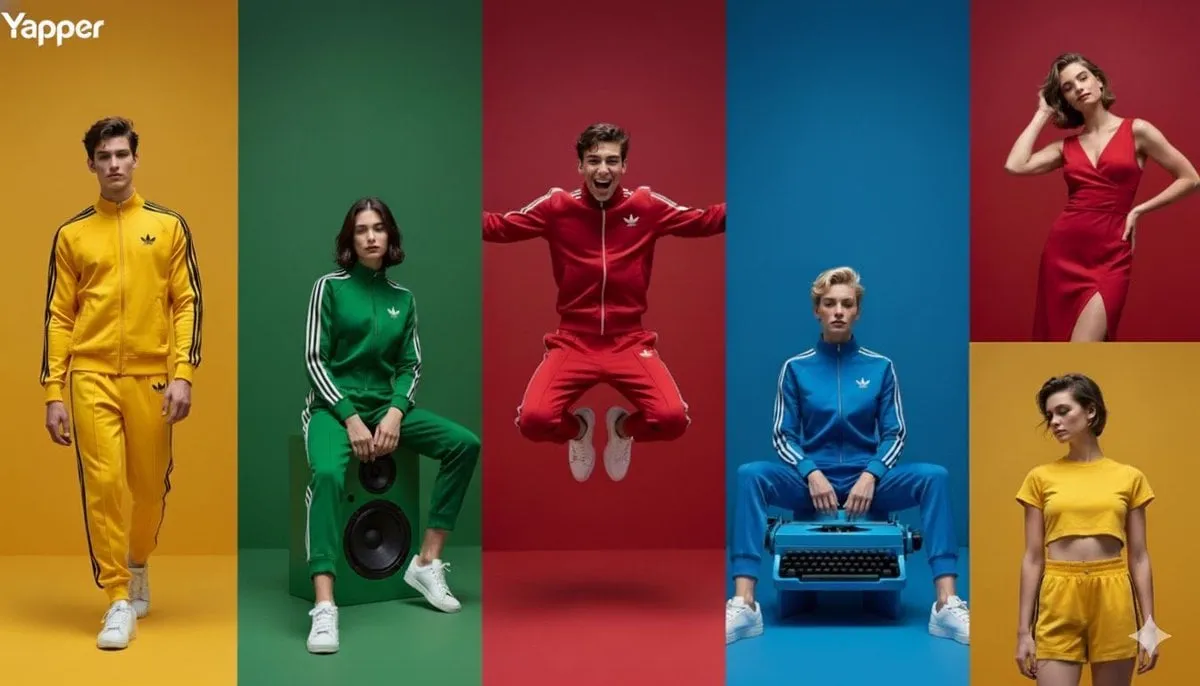
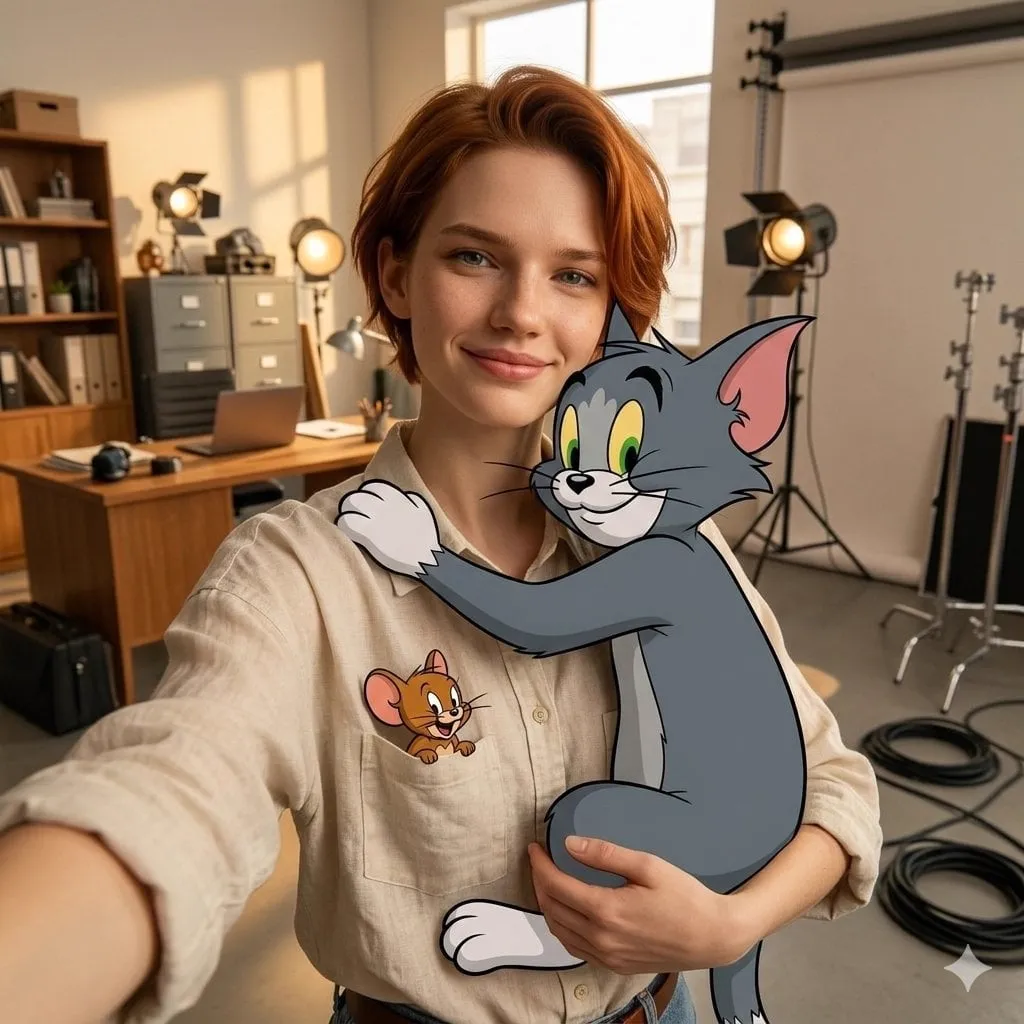
The trailer is the most demanding short format in video production. In ninety seconds, it has to introduce a world, build emotion, and sell an idea. Traditionally, trailers required cameras, actors, locations, and a post-production team, which made them expensive and slow to produce. That is changing. Generative AI now allows marketers, studios, and independent creators to produce cinematic trailers at a fraction of the cost, and to iterate on concepts in days instead of months.
This guide is a production playbook for AI-assisted trailers. It covers model selection, shot planning, character consistency, sound design, and the workflow that turns an idea into a finished promotional piece.
Why AI trailers matter now
The pressure on brands to react quickly has never been higher. Campaigns launch around trends, product drops, and cultural moments that do not wait for a traditional production schedule. AI-generated trailers meet that need: a concept can be written in the morning, visualized by afternoon, and delivered in days.
The technology is also finally mature enough. Modern models understand prompt adherence, physics, and scene continuity, which means the shots they generate can actually be edited into a coherent sequence. Combined with character consistency techniques, it is possible to tell a real story, not just a series of pretty images.
The result is a new capability for marketing teams: rapid concept testing. You can produce three different trailer directions for a product and test them with audiences before committing to a full production. That was unthinkable a few years ago. The practical effect is visible in campaign speed. A brand that used to wait eight weeks for a concept test can now see three directions on screen within days, gather audience reactions, and double down on the winner. The teams that adopt this rhythm are not replacing creativity; they are compressing the time between idea and feedback, which is where most production waste lives.
Choosing models for cinematic quality
Trailers live or die on the quality of their shots. The best starting point is the models with the strongest track record in cinematic output: the Flux series for exceptional prompt adherence, Runway and Sora for physics and camera work, and Kling for realistic motion and control.
Flux models are famous for following complex instructions, which makes them ideal for the first shot of a project, where the visual world is established. Runway and Sora handle ambitious camera moves and long scenes, useful for the sweeping moments that open a trailer. Kling offers strong control and consistent motion, good for character-driven scenes.
Do not commit to one model for the whole project. Match each shot to the model that serves it best. A trailer assembled from the strengths of several models will outperform one generated by a single tool. Build your own shortlist through testing. Generate the same test shot with each candidate model and compare them side by side: prompt adherence, motion quality, render time, and the effort required to get a usable take. Keep the top two or three and make them your defaults for the project. The testing session takes an hour and pays for itself many times over.
Shot planning: the trailer runs on intent
The difference between a random clip collection and a trailer is intent. Every shot should have a job: establishing the world, introducing the character, raising the stakes, or landing the payoff. Write these jobs down before generating anything.
Start with a shot list. For a ninety-second trailer, plan ten to fifteen shots, each with a clear purpose, camera movement, and mood. Describe the shot in one or two sentences: "Aerial shot of a neon city at night, camera dives toward a rooftop, tense and mysterious."
The shot list is your production document. It keeps the project focused, prevents scope creep, and gives every model prompt a clear target. A trailer made from a disciplined shot list reads as intentional, even when the shots themselves are simple. Use the shot list to build a shared vocabulary with the team. When everyone refers to "shot four, the reveal" instead of "that one clip with the building", feedback becomes faster and more precise. For solo creators, the list serves the same role: it keeps your own decisions consistent from day to day, which matters when a project spans several sessions.
Pre-production with an AI director mindset
Professional productions start with pre-production, and AI trailers should too. The AI equivalent of a director is your planning process: the shot list, the style frames, and the reference materials that define the visual world.
Create style frames first. Generate still images for the key moments of the trailer: the establishing shot, the character introduction, and the climax. Locking the look at the image stage is dramatically cheaper than iterating on video.
Next, define the visual rules: color palette, lighting style, and camera language. A consistent trailer looks expensive even with simple content. Write the rules down and apply them to every prompt.
Keeping characters, worlds, and products consistent
Character consistency across the trailer
If a character appears in multiple shots, they must look the same. The solution is the character sheet: a set of reference images showing the character from different angles and in different poses, generated with an image model.
Use the same reference images as input for every shot that includes the character, and reserve the prompt for the action and mood. This keeps the identity stable while allowing the scene to change around them.
For trailers, characters are often the emotional center of the piece. Protecting their consistency is protecting the story. Build the sheet early, review it carefully, and do not change the design mid-production.
Multi-reference control for worlds and props
Characters are not the only things that need consistency. Worlds, vehicles, and signature props also have to stay recognizable across shots. Multi-reference control lets you provide multiple images as input, defining both the character and the environment.
A typical setup for a product trailer is a reference for the product itself, a reference for the hero character, and a reference for the environment. Each shot then uses the relevant references, keeping the product's design accurate while the story moves around it.
This technique is especially powerful for trailers because it bridges the gap between advertising and storytelling: the product stays perfectly on-model while the narrative builds emotion around it.
Efficiency models for rapid iteration
Not every shot needs the most expensive model. Trailers benefit from fast iteration: testing compositions, timing, and mood before committing to final renders. Efficiency models are designed for exactly this.
Use fast models during the exploration phase. Test the shot list, the pacing, and the rough cuts. Once the edit is approved, re-render the shots that matter with the premium models. This two-stage approach keeps costs under control without sacrificing the final quality.
Also think in short clips. Generate each shot at the shortest length that proves the idea, review it, and only extend the shots that earn their place in the final edit. A practical iteration loop is: generate, assemble a rough cut, watch it end to end, and write down what to change. Watch the cut twice: once for story, once for craft. The story pass tells you if the shots say what they should; the craft pass tells you if the cuts, sounds, and pacing hold up. Two passes, one list of changes, then regenerate only what that list demands.
Sound and music: the hidden half of the trailer
A trailer is felt as much as it is seen. Sound design and music do most of the emotional work, and they are the easiest place to gain a professional edge.
Choose the music first, then edit the visuals to it. The rhythm of the cuts, the placement of the title card, and the timing of the final beat all follow the track. Editing to music makes the trailer feel inevitable.
Layer in sound effects: whooshes for camera moves, impacts for cuts, risers before the reveal, and room tone underneath. Even subtle effects add texture and make the trailer feel designed. AI sound tools can generate effects and even original music, giving small teams access to a full sound palette. A simple rule for trailer pacing: start quiet, build through the middle, and land hard on the final beat. The music should support that arc, the effects should accent the cuts, and the title card should arrive exactly on the last hit. Audiences feel that structure even when they cannot name it, and it is the difference between a trailer that plays like a video and one that plays like a promise.
The production workflow from idea to delivery
Here is the complete workflow that takes a trailer from concept to delivery.
Phase one, concept: define the message and the emotional arc. Write a one-sentence logline and expand it into a rough structure: opening, build, reveal, payoff.
Phase two, style: generate style frames and define the visual rules. Lock the look before generating video.
Phase three, shot list: write ten to fifteen shot descriptions with camera and mood. This is your production document.
Phase four, pre-visualization: generate rough versions of every shot with fast models and assemble a rough cut. Change direction freely here.
Phase five, final rendering: re-render the locked shots with the premium models, using references for characters and environments.
Phase six, post-production: edit to the music, layer sound effects, grade the color, and design the title card.
Phase seven, delivery: export in the formats your distribution needs, from vertical social clips to widescreen versions. Keep a version of the trailer without the title card and logo. Social platforms and ad networks often require clean masters, and having one ready avoids a last-minute re-export. Also keep the project file organized with clearly named phases; returning to a project weeks later is much easier when the timeline tells you where everything is.
Legal and practical considerations
Commercial trailers come with obligations. Every tool you use has terms of service; check them before using generated content in paid campaigns. Some tools restrict commercial use on free tiers, and others require disclosure of AI assistance.
Keep records of your prompts, models, and settings for every shot. This documentation is useful for consistency across a campaign and for answering questions about how the content was made.
Be thoughtful about claims in the trailer itself. The visuals are fictional by nature, but the message must not mislead. A cinematic trailer is a promise; make sure the promise is honest.
FAQ
How long does it take to produce an AI trailer?
With a clear concept and shot list, a short trailer can be produced in a few days. Complex projects take longer, mostly in iteration and post-production.
Which model is best for cinematic trailers?
It depends on the shot. Flux leads in prompt adherence, Runway and Sora excel at physics and camera work, and Kling is strong for realistic motion and control.
Can I keep the same character in every scene?
Yes. Build a character sheet with reference images and use the same references in every shot.
Do AI trailers replace traditional production?
They replace parts of it, especially concept testing and pre-visualization. Live-action production, voice acting, and complex VFX still have their place, and many projects combine both approaches.
Is AI-generated trailer content acceptable for commercial use?
Yes, if the tools' licenses permit it. Always review the terms, document your process, and follow platform disclosure rules.
How many shots do I need for a trailer?
For a short trailer, ten to fifteen shots are enough if each one has a clear job. Quality of intent matters more than quantity of shots; a single strong reveal is worth more than five filler clips.
Can I use live-action footage with AI shots?
Yes, and many productions do. Match the color grade and the camera language between the two, and the blend becomes invisible to most viewers. Hybrid workflows give you the control of live production and the flexibility of AI.
Do I need a voiceover in an AI trailer?
Not necessarily. Music-led trailers are common and often stronger for pure emotion. If you use a voiceover, keep it short and write it before the edit so the shots can be timed to the delivery.
