
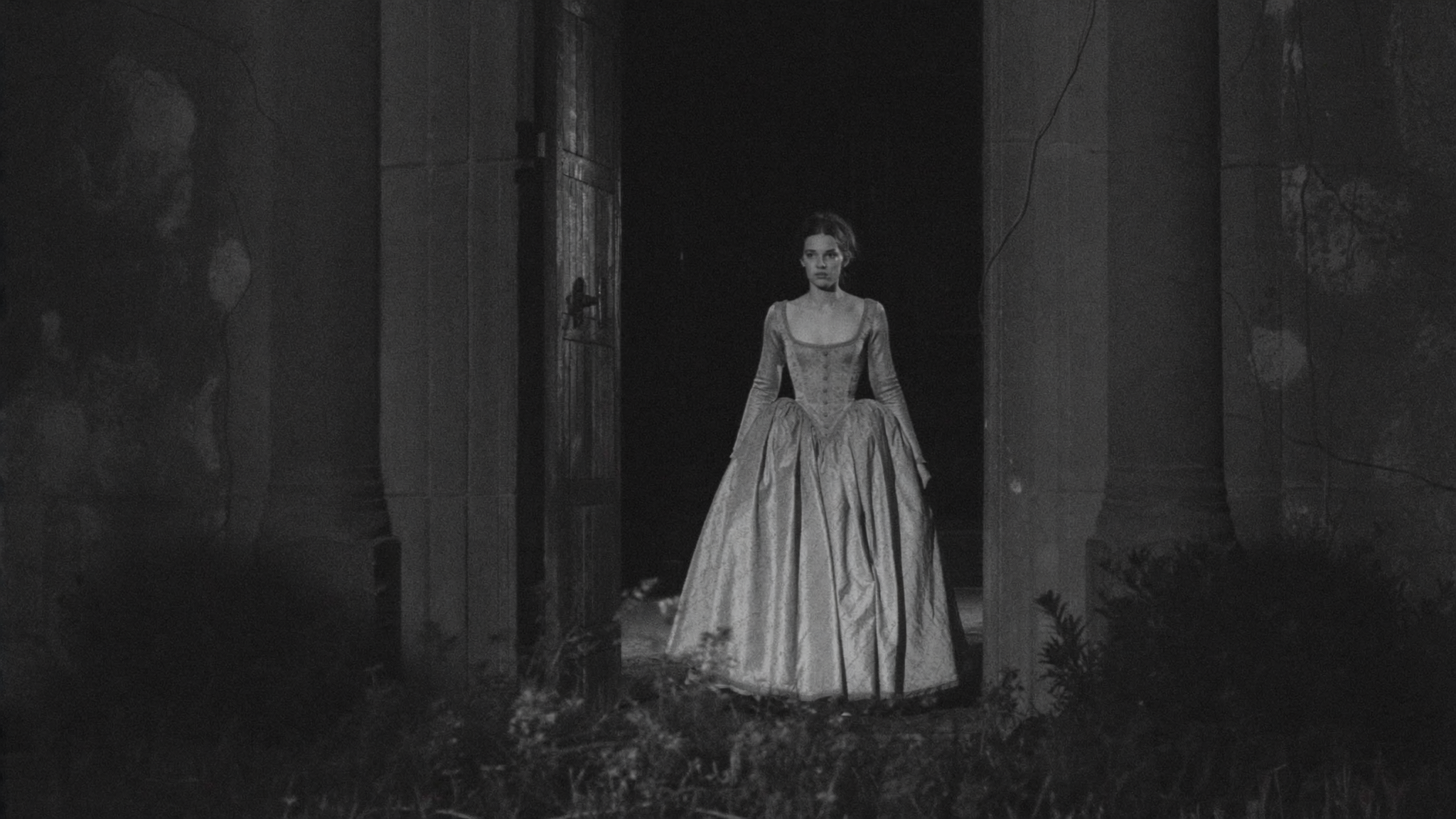

What an AI Director Agent Changes About Video Production
For years, the bottleneck in video production was never the camera. It was the pipeline: the scripts, the shot lists, the coordination between writer and director, the endless back-and-forth between concept and final edit. Generative AI removed part of that friction by turning text prompts into images and short clips, but prompt-to-clip generation alone still leaves the hardest work to the human: deciding what the story is, how the scenes fit together, and how each shot should be filmed.
An AI director agent is the next step. Instead of a tool that generates one clip on demand, it is a system that behaves like a production lead: it helps you define the narrative arc, breaks the story into scenes, decides the emotional tone, plans camera moves, coordinates the right generation models for each shot, and keeps characters visually consistent from the first frame to the last. This guide explains how that workflow works step by step, what you can expect at each stage, and how to get real results without a production team.
The Landscape: Why the Gap Between Demand and Supply Is Closing
The demand for high-quality, visually consistent video far exceeds what traditional production teams can deliver. A single brand now needs short-form content for multiple platforms, in multiple formats, at a cadence that would require a full-time studio. The gap between demand and supply is exactly where AI-assisted production is growing fastest.
The shift is not incremental. Moving from simple prompt-to-image generation to automated pre-production and direction is a structural change. Recent advances, like improved narrative coherence in the Sora series and stronger consistency controls in tools such as PixVerse, raise the ceiling of what a single generation can do. But individual model improvements only matter when something coordinates them. The director agent is that coordinator: it sits on top of the models and turns scattered capabilities into a coherent production process.
How the Director Agent Works as Your Screenwriter
From Concept to Narrative Structure
The screenwriting function begins long before the first frame is generated. You give the agent a rough concept: a product launch story, a brand origin narrative, a tutorial arc, or a fictional scene. The agent helps you define the narrative arc, segment the action into beats, and set the emotional tone for each part of the story.
A typical planning session produces a structured outline:
- The hook: the first three seconds that stop the scroll
- The setup: what the viewer needs to understand
- The escalation: the conflict, demonstration, or key information
- The payoff: the resolution and the takeaway
- The call to action: what the viewer should do next
You review the outline, adjust the tone, and lock it. This stage is where most creative decisions are made, and doing it before generation saves enormous time later.
Generating Detailed Scene Descriptions
Once the structure is locked, the agent expands each beat into scene descriptions: what is visible, what moves, what the camera does, what the mood is. Each scene description becomes the prompt for a generation step, but with structure behind it. Instead of a loose prompt like "a woman in a kitchen," you get a directed prompt: "medium shot, slow push-in, warm morning light, woman pouring coffee, steam rising, shallow depth of field, calm and focused mood."
This level of detail matters because it is what keeps a series of clips feeling like one piece of work rather than a collection of random generations. The scene descriptions are the connective tissue.
Character Consistency Through Reference Management
The screenwriter role also includes continuity. If a character appears in scene two and scene seven, they need to look like the same person. The agent manages reference images and keyframes so that faces, costumes, and environments stay anchored across the whole production. When a scene requires a costume change, the reference updates deliberately rather than accidentally.
The practical result: a multi-scene video where the protagonist's face does not drift, the lighting stays coherent, and the world feels continuous. This is the difference between AI video that looks like a demo and AI video that looks like a short film.
How the Director Agent Works as Your Director
Camera Direction and Cinematographic Control
Once the script is set, the agent switches into director mode and dictates the technical execution. Each scene gets camera language: push-in, pull-back, pan, orbit, handheld, aerial. It also gets lens language: wide establishing, medium, close-up, macro. The combination of camera move and framing is what creates the cinematic feel that flat prompt-to-clip generation rarely achieves.
A useful habit is to think in camera moves, not just subject descriptions. "A car driving on a highway" is flat. "Low-angle tracking shot following a car accelerating on a coastal highway, dust and light flares, dramatic sky" gives the model the direction it needs to produce something worth keeping.
Coordinating Models and Resources
Different scenes need different tools. A photorealistic product shot and a stylized animated transition should not necessarily come from the same model. The director agent coordinates model selection per scene: it routes the shot to the tool that fits the requirement, manages resolution and length settings, and keeps the style language consistent across models so the final edit feels unified.
This is where a model library pays off. When the agent can choose between a high-fidelity model for hero shots and a fast model for exploratory versions, you get both quality where it matters and speed where it counts. The alternative, forcing every scene through one model, either wastes budget on simple shots or caps the quality of hero shots.
Style and Visual Consistency Coordination
Consistency is not only about characters. It is also about color, lighting, composition, and atmosphere. The agent keeps style keywords and lighting language consistent across prompts, applies the same reference style to every scene, and flags scenes that drift so you can regenerate them before the edit, not after.
The discipline to adopt on your side: write a one-line style brief at the start of every project and repeat it in every prompt. Something like "warm, natural light, documentary realism, teal and amber palette." It feels repetitive, but it is the cheapest insurance against a disjointed final video.
Advanced Shot Control
The most advanced director functions give you shot-level control: defining the exact composition of a frame, setting the start and end camera position, and controlling how a scene transitions into the next. This is what makes short-form storytelling possible at scale. Instead of hoping the model produces something usable, you specify the shots you need and assemble them like a storyboard.
If you have ever used a storyboard, the mental model is identical: every shot is planned, every transition is intentional, and the editor's job is assembly rather than rescue.
From Production to Publication
Editing, Sound, and Assembly
After the clips are generated, the work moves to the edit. The director agent's planning pays off here: because every scene was planned as a shot, the assembly is fast. Add music and voiceover, sync them to the beats you defined in the planning stage, and do a final color pass so the clips feel continuous.
For narration, write the script at the planning stage, record it or generate it with a text-to-speech tool, and use the beat structure to time the voiceover to the visuals. The sync is easier when the structure existed before the footage.
SEO Metadata and Distribution
A finished video is only valuable if people find it. The metadata function generates the title, description, tags, and captions that make a video discoverable. For short-form platforms, the first caption line is the hook; for YouTube-style platforms, the title and description do the heavy lifting.
Good metadata practice:
- Write the title as a promise: what the viewer will get in the video
- Put the main keyword in the first words of the title and description
- Add captions or subtitles so the video works without sound
- Use a consistent naming pattern across a series so related videos are easy to group
The director agent can draft these from the script, but you should always review them before publishing. The metadata is your voice, and no machine should have the final word on it.
Building Your Own Director Workflow
You do not need an all-in-one platform to start working like a director. A simple version of this workflow works with the tools you already have:
- Write a one-paragraph concept and a one-line style brief
- Outline the story in beats: hook, setup, escalation, payoff, call to action
- Write one scene description per beat, including camera move and mood
- Generate each scene as a short clip, keeping reference images and style keywords consistent
- Assemble in an editor, add sound, sync to the beat structure
- Generate metadata from the script and review before publishing
The first time, this feels slower than just prompting. By the third project, it is faster, because you stop wasting generations on scenes that do not fit and stop redoing work that should have been planned.
Frequently Asked Questions
Do I need to be a filmmaker to use a director agent?
No. The agent handles the technical language; your job is to make creative choices. If you can describe a mood and a story, you can direct. Filmmaking knowledge helps, but the agent translates your intent into production steps.
How much control do I actually have?
As much as you want. You can let the agent propose the full plan, or you can override every decision. The value is that decisions become explicit: you are choosing between story options instead of hoping for good output.
Will this replace editors?
It changes the editor's job from rescue work to creative assembly. The planning stage reduces the number of bad clips, which means the editor spends time making the video better instead of making it usable.
What is the best way to keep a character consistent?
Reference images plus consistent prompt language. Use the same reference for every scene, repeat the character description and style brief in every prompt, and select stable takes. Consistency is a pipeline habit, not a magic setting.
How long does a typical short video take with this workflow?
For a 30-second video, a practiced team can go from concept to finished export in a few hours. The planning stage is the largest time investment; generation and assembly are fast once the plan is solid.
Common Mistakes and How to Avoid Them
Planning in your head instead of on paper. The most common failure is skipping the written plan. A one-page outline with beats and style brief takes ten minutes and saves hours of wasted generations. Write it down, even when the project feels small.
Over-prompting every scene. More words do not equal better direction. A scene description with too many competing elements confuses the model. Pick one hero action, one camera move, and one mood. Add details only when they serve the story.
Forgetting the reference. Consistency fails when you assume the model remembers. Every scene needs its reference: the character image, the style brief, the lighting language. Repeat them in every prompt, even when it feels redundant.
Accepting the first take. The first output is rarely the best. Generate multiple takes per scene, compare them side by side, and choose the one that matches the plan. This single habit improves quality more than any model upgrade.
Skipping the sound decision. Music and voiceover change how the edit feels, and syncing them after the fact is painful. Decide the sound direction at the planning stage and record or generate the audio before you start assembling.
Publishing without metadata review. The video is not finished until the title, description, and tags are right. The metadata is your distribution, and a weak title undoes good production.
Conclusion
The AI director agent represents a shift from generating video to producing it. It brings the discipline of screenwriting and directing to tools that were built for single-shot generation: narrative structure before pixels, camera language before prompts, reference management before consistency problems, and metadata before publishing. You do not need a studio to benefit. You need a plan, a consistent style brief, and the willingness to treat every project as a production instead of a single lucky prompt. The tools will keep improving; the director's mindset is the part you keep.
