
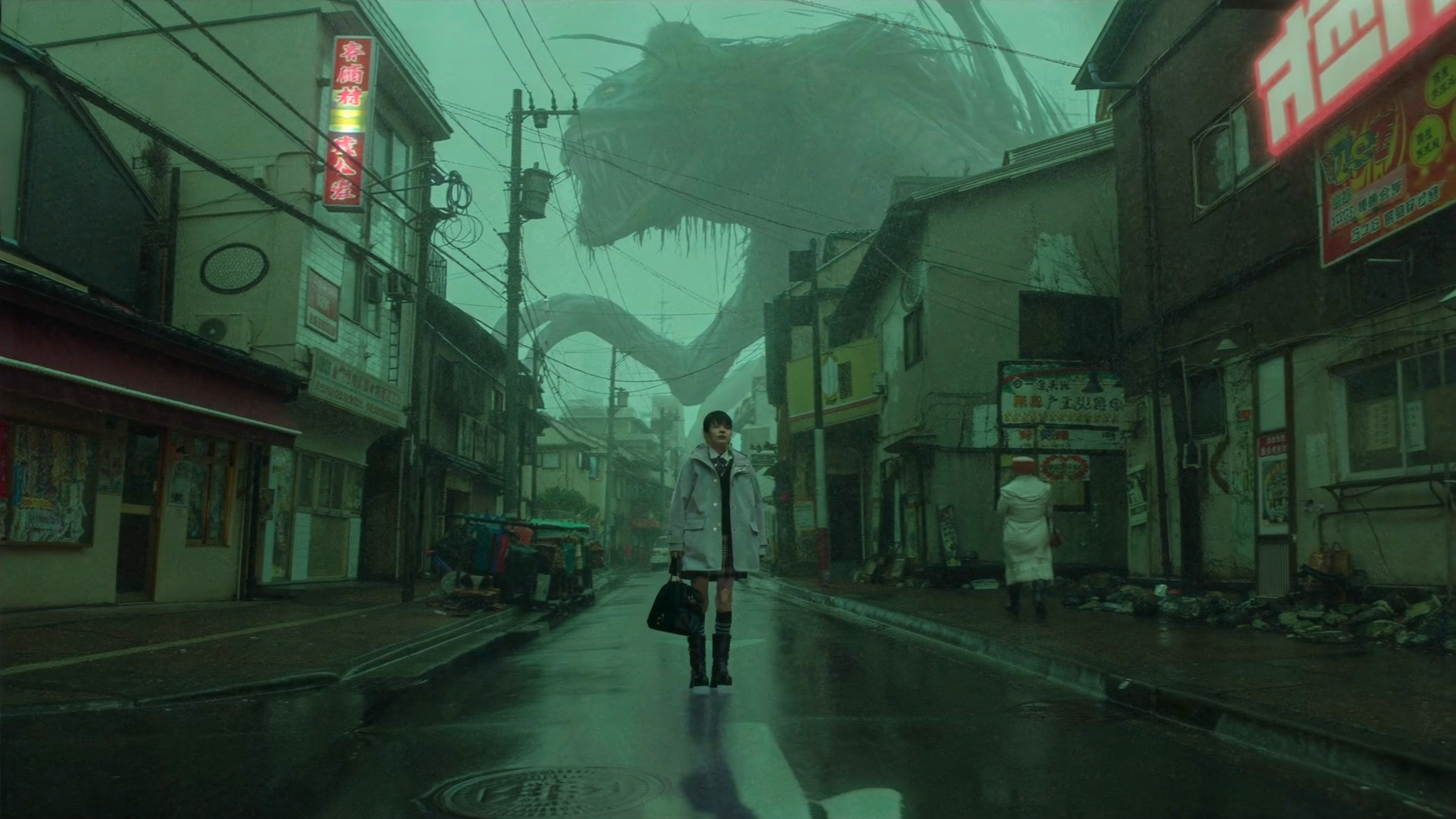
The Storytelling Revolution: Why the AI Agent Director Changes Video Production
For most of the history of video, "directing" was a luxury. You needed a human with years of training, a clear artistic vision, and a crew that could execute it. Independent creators and small businesses simply skipped the director's chair; they pressed record, made a decent edit, and hoped for the best. The result was a massive gap between what audiences saw in films and what most creators could produce.
Generative AI closed part of that gap by making video generation possible from a prompt. But it also created a new problem: anyone could generate clips, yet almost no one knew how to sequence them into a story. The missing piece was not another model — it was the directorial judgment that sits on top of the models. This is where the AI agent director enters the picture, and it is quietly changing the paradigm of video production.
What an AI Agent Director Actually Does
An AI agent director is not a filter, a style preset, or a smarter text-to-video prompt. It is an agent that plans the creative work the way a human director would: it breaks your idea into scenes, proposes the shot list, suggests framing and camera movement, keeps the emotional tone consistent, and coordinates the underlying generation models so the output feels like one film instead of random clips.
The core idea is "intention-based directing." Instead of writing a prompt and hoping the model understands your vision, you express an intention — a mood, a genre, a story beat — and the agent translates that intention into the technical decisions a director would make.
Scene composition as a service
The most visible capability is intelligent scene composition. The agent looks at the emotional tone of each moment and proposes the right framing. A scene that needs tension gets a low angle or a close-up; a scene that needs scale gets a wide shot; a moment of intimacy gets a shallow depth-of-field medium shot. These are the decisions film school teaches, now available inside a tool.
Narrative structure guidance
Beyond individual shots, the agent helps with the arc of the whole piece: setup, conflict, escalation, resolution. It keeps the narrative shape in mind while generating each segment, which is exactly what separates storytelling from a slideshow. For short-form content, it can compress the arc into the first few seconds, because that is where retention is won or lost.
From Text to Motion: The New Production Pipeline
The old pipeline was linear and slow: script, storyboard, location, crew, shoot, edit, grade, publish. The agent-directed pipeline compresses most of those stages into a collaborative loop between you and the AI.
- You describe the idea in plain language — the story, the mood, the audience.
- The agent proposes a scene breakdown and a shot sequence.
- You approve or adjust the plan; the agent then generates the clips using the models best suited to each shot.
- You review the assembly, request changes, and refine until the story lands.
This is not "one click and done" automation. It is a new division of labor: the human keeps the taste and the intent, the agent handles the craft and the technical orchestration. Creators who adopt this workflow produce more stories, with more consistent quality, in a fraction of the time.
Consistency: The Wall That Agent Direction Breaks
The most frustrating problem in AI video has always been consistency. Characters change faces between shots, outfits mutate, lighting shifts for no reason. One model might produce a stunning photorealistic face while another delivers a beautiful anime frame, and neither matches the other. The result is footage that cannot be edited into a story because it does not look like it came from the same film.
Multi-image fusion as the consistency anchor
Multi-image fusion addresses this at the foundation: you feed the system several reference images of a character — a clean face shot, a full-body shot, an outfit reference — and the generation locks onto those features. Combined with an agent director that reuses the same references across every shot, the character finally stays the same person from the first frame to the last.
This matters for every genre. A brand video needs the same spokesperson; a narrative short needs the same protagonist; a product story needs the same package on screen in every scene. Consistency is what makes generated content usable instead of merely impressive.
Mixing models without breaking the look
A director's job also includes choosing the right tool for each moment. Photorealism for the hero shots, a stylized look for the dream sequence, a fast motion model for the action beat. The agent can route each scene to the appropriate model while using character references and color language to keep the pieces coherent. The variety of models stops being a source of chaos and becomes a palette.
Camera Language: Motion With Meaning
Cinematic video is not just about what is in the frame; it is about how the camera behaves. The agent director brings camera language into the generation process:
- Push-ins to build tension during a key line.
- Slow pull-backs to reveal scale and isolation.
- Handheld energy for documentary realism.
- Static locked-off frames for authority and calm.
Each movement carries meaning, and the agent matches the movement to the emotion of the scene. This is the difference between footage that looks generated and footage that looks directed.
Sound and Story: The Audio Layer
Stories are told with sound as much as with images. Modern agent-driven workflows integrate the audio layer from the start: the voice-over is generated from the script with the right tone, the music is chosen or generated to match the mood of each act, and the pacing of the edit follows the music. When the soundtrack, the voice, and the visuals are planned together, the final video feels intentional in a way that post-hoc audio can never achieve.
For creators building channels around storytelling — true crime recaps, brand origin stories, fiction shorts — this integration is the difference between a video people watch and a video people feel.
The Ecosystem Behind the Agent
An agent director is only as good as the models and infrastructure it can call upon. The underlying architecture typically includes:
- A modular backend that can plug in new models as they appear.
- A task queue that schedules heavy generation jobs across GPU resources, so the agent can run many shots in parallel.
- Model libraries that span photorealism, animation, and specialized styles.
- Tools for creators to train and publish their own custom models, which the agent can then use for a specific series or brand.
The result is an ecosystem where the agent is the brain, the models are the hands, and the creator is the producer who decides what deserves to exist.
Why This Matters for Creators in Practice
The practical payoff is measurable. A solo creator can now:
- Produce multi-scene narrative videos that previously required a crew.
- Maintain a consistent cast of characters across an entire series.
- Experiment with genres and styles without committing weeks to each experiment.
- Keep a recognizable visual identity across dozens of videos.
Small businesses get the same advantage: explainer videos with consistent presenters, product stories with the same look every week, and the ability to scale content production without scaling headcount.
Common Misconceptions
"It replaces the director"
No. It replaces the technical burden of directing — shot planning, model orchestration, consistency management — but the creative judgment remains human. The best results come from creators who know what they want and use the agent to execute it faster.
"It only works for fiction"
Not true. Agent-directed workflows serve education, brand content, product marketing, and social storytelling equally well. The same shot sequencing and consistency rules apply to any video with a narrative.
"You need technical skills"
The entire point of the agent is to hide technical complexity. You express intentions in plain language; the agent handles camera math, model selection, and reference management.
Getting Started: Your First Agent-Directed Video
- Write a one-sentence story: who, what, where, and what changes.
- Define the mood and genre so the agent can set the visual language.
- Build a character reference set if your story has a recurring character.
- Let the agent propose a shot sequence; adjust until it matches your vision.
- Generate, review, and refine in short loops.
- Add the audio layer: voice, music, and pacing.
- Publish and repeat, each time reusing your references and style notes.
When the Agent Works Alongside a Human Team
Agent-directed production is not only for solo creators. Teams use the same workflow to scale their output without doubling headcount. A marketing team, for example, can keep a consistent brand style across every campaign by reusing the same style references and letting the agent handle the shot-by-shot generation. Editors gain time because the raw material arrives with consistent framing and identity, so they spend their hours on pacing and story instead of fixing broken visuals.
The division of labor inside a team becomes clear: the strategist defines the message, the creative director sets the mood and approves the shot plan, the agent executes the generation, and the editor assembles and polishes. Each role gets easier because the hardest craft problems — consistency, shot logic, model selection — are handled by the system. The result is a pipeline that produces more stories with the same people, and each story arrives closer to the final vision.
A Practical First-Week Routine
If you want to build the habit without getting overwhelmed, run a focused routine for the first seven days:
- Day one: write three one-sentence story ideas and pick the strongest.
- Day two: define the mood and visual language for that story.
- Day three: build a minimal character reference set (even a simple one).
- Day four: let the agent propose a shot sequence and refine it once.
- Day five: generate all shots, reviewing consistency between takes.
- Day six: add voice, music, and pacing; cut to the beat.
- Day seven: publish, collect feedback, and note what to improve next week.
By the end of the week you will have produced a complete narrative video and a repeatable process. The second week gets faster, because the references, style notes, and shot vocabulary are already saved and ready to reuse.
Frequently Asked Questions
Do I still need to write good prompts?
You write intentions, not prompts. But the clearer your story and mood are, the better the agent's plan. Think like a producer pitching a concept, not like someone typing keywords.
Can the agent keep the same character across a long series?
Yes, when you build and reuse a reference set. Consistency compounds: the more episodes you produce with the same references, the more stable the character becomes.
Is this only for professional filmmakers?
No. The whole value proposition is lowering the barrier. A beginner with a clear idea can now produce stories that look deliberate, because the craft layer is handled for them.
How long does the first project take?
Expect the first project to be slower while you learn the workflow and build your reference sets. By the third or fourth video, the same process usually takes a fraction of the time and produces more consistent results.
The New Paradigm
Video production is not being replaced; it is being reorganized. The heavy lifting — shot selection, consistency, model orchestration, sound integration — moves into software, while the human moves up to the role that matters most: deciding what story to tell and why. That is the real storytelling revolution. The tools changed, but the reason we make video did not: to move an audience, one intentional frame at a time.
