

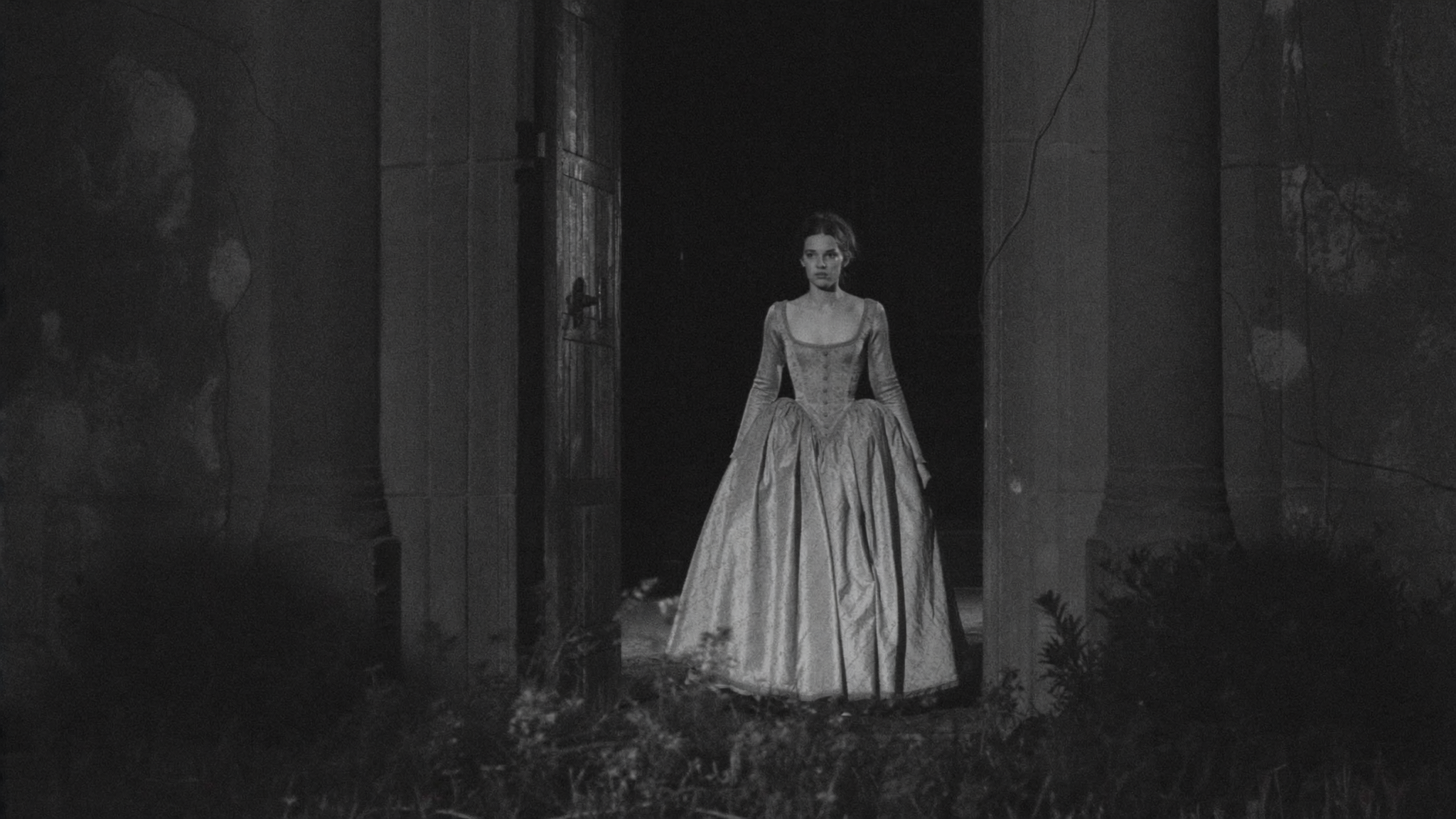
The hardest part of directing is not having ideas. It is turning an idea, an image in your head, into a set of specific instructions that someone, or something, can execute faithfully. Directors have always been translators. They stand between the written word of a script and the concrete reality of a camera, a frame, an edit. In modern generative production, a new class of tool takes over part of that translation. An AI director assistant analyzes your narrative and returns a complete shot plan, complete with framing, camera movement, lighting intent, and the model settings that will produce the result you described. This article is a working introduction to those assistants, what they handle well, where they still need human judgment, and how to incorporate them without losing your voice in the process.
The Old Way: Description Meets Interpretation
Think about how a traditional set works. The director describes a scene, a mood, a movement. The cinematographer interprets that description through framing and lens choices. The production designer fills the space with the visual language of the story. Each step is an act of translation, and each act is a place where meaning can be lost or gained. A director who cannot speak the language of cinematography depends entirely on the interpreter to render the vision faithfully.
Generative tools inherited the same weakness. A text prompt is a request, not a plan. When you type a description into a video model, you hand it both the idea and all the execution decisions, and you hope the model's interpretation matches your intention. Often it does not, because a prompt cannot carry the precision of a proper scene definition on its own.
This is exactly the gap an AI director agent is built to close. It moves the conversation from vague description to structured instruction. You give it the narrative intent, and it returns explicit shot specifications that encode framing, motion, and style.
How a Director Assistant Thinks About a Scene
An effective assistant works from a few recognized principles of visual storytelling. It starts from the emotional job of the shot. Is this moment about intimacy, tension, scale, or isolation? That answer determines the framing before any other consideration.
Wide establishing shots set place and time and create emotional distance. Medium shots support dialogue and keep two characters in a believable spatial relationship. Close-ups compress the space between camera and subject, intensifying feeling. The assistant maps the narrative beat to the appropriate shot size, so a scene of quiet emotional revelation does not accidentally render as a distant wide.
Camera movement carries meaning as much as framing. A slow push-in toward a character signals growing attention or threat. A dolly backward can acknowledge leaving. A handheld feel conveys urgency or instability. The assistant transcribes the emotional beat into these choices, so the resulting shot plan is not a list of pretty images but a series of deliberate dramatic statements.
From Story to a Storyboard in Minutes
The most tangible output of an AI director assistant is the storyboard. Given your script or scene list, it produces a sequence of shots, each with its purpose, its framing, its camera motion, and a description of the visual content that should appear. This is a huge productivity gain, because the storyboard is the shared language between a writer's intention and a production's execution.
The assistant can also map scene logic. It will flag where a continuous location spans multiple shots and needs consistent environment reference, and where a time jump forces a visual break. It turns vague narrative notes like "they meet again, but the city has changed" into concrete production terms: establish the new city in a wide before bringing the characters back together in the same framing as a previous scene, to make the change legible.
This mapping is where the assistant earns its keep. Producers who manually storyboard a long piece spend days at this table. An automated draft gets you to a reviewable plan in minutes, leaving the director to refine taste rather than invent logistics from scratch.
Keeping Characters the Same From Shot to Shot
The single most common reason a generated video feels unprofessional is character drift, the moment the protagonist in scene one no longer looks like the protagonist in scene twelve. An AI director assistant structured around production reality makes character consistency a first-class concern rather than an afterthought.
It does this by treating the character as an asset that must be locked before generation begins. The assistant establishes a reference for the character, and every shot in the plan that contains that character is anchored to that reference. When the plan calls for a close-up in one location and a wide in another, both go back to the same reference, so the identity does not destabilize as the scenery changes.
Multi-image fusion techniques extend the anchor beyond static identity. By combining reference images that show the character from different angles or in different actions, the assistant can maintain not just facial identity but wardrobe, silhouette, and manner, even as the character moves and the camera changes. This is what separates a single poster-quality frame from a whole believable sequence.
Routing the Right Work for the Right Model
No single model is best at everything, and a director assistant that routes all work to one tool is leaving value on the table. The strong assistant evaluates each shot in the plan and assigns it to the model best suited to the task.
A music video with rapid cutting and bold color can lean on a model known for stylized, high-impact imagery. A narrative short that depends on a character remaining recognizable across many scenes should be routed to a model with the strongest reference and keyframe support. A background plate or a transitional effect, which carries little narrative weight, can go to a faster or cheaper model without anyone noticing the difference when it is on screen for half a second.
This is more than a cost optimization. It is a quality strategy. You concentrate the expensive, sophisticated generation on exactly the shots that need it, and you prevent the pipeline from wasting high-fidelity computation on interstitial material that will be cut or skimmed anyway.
Managing Resources With an Eye on the Timeline
Generative production has a hidden cost structure: time and compute. Rendering a long sequence at maximum quality through an expensive model for every frame can stall your entire editorial schedule. A director assistant that is also a good production manager smooths this out.
It can draft the schedule of work, batching shots that share a location, a character, or a model so that references are reused and caches are warm. It can split the pipeline into an automatic assembly, a quick and rough first pass, and then a targeted refinement where only the shots that made the cut get the expensive final render. This is how a professional pipeline avoids both the embarrassment of a low-quality result and the ruin of an unboundedly expensive one.
The assistant can also protect the editorial priority. Because the rough assembly reveals which shots actually carry the narrative, rework is spent where the audience feels it, not evenly across the whole timeline.
The Human Still Holds the Stage
It is worth being clear about what an AI director assistant does not do. It does not bring original taste. It can execute a strong plan and suggest standard solutions, but the decision about what your story is about, what deserves emphasis, which images are iconic, and what the ending means, remains the director's job.
Treat the assistant as a brilliant first assistant director, competent, tireless, and fast, and keep the authority that matters in your hands. Review the plan before generating. Challenge the shot choices that feel wrong in your gut. Override the automated routing when a shot deserves a treatment the assistant did not consider. The best workflows are collaborative, where the machine accelerates logistics and the human provides the vision and the final veto.
A Practical Workflow to Try Today
If you want to test the concept without a large production, run a small exercise. Write a two-scene narrative with a clear emotional shift, a calm meeting followed by a sudden departure. Feed the assistant the scene text and ask for a shot plan. Inspect the choices: how did it frame the calm moment, and how did it communicate the urgency of the departure? Then execute the plan with a capable video model, locking a character reference across both scenes. Compare the result to a video you created by prompting each shot from scratch. You will almost certainly see the difference in consistency, pacing, and how deliberately the scenes read.
As you repeat the exercise with longer material, you will develop a feel for when to accept the assistant's default plan, when to nudge it, and when to throw the plan away and start from a different instinct. That judgment, the refinement loop between you and the tool, is the real skill of modern directing.
Common Questions About Director Assistants
Is this only for professionals? No. The biggest adoption win is actually for solo creators and small teams who cannot staff a full directorial pipeline. The assistant compresses the production discipline that would otherwise require several specialists.
Will it make every video look the same? Only if you reuse the same defaults without setting your own vocabulary. The assistant follows your characters, your locations, your pacing, and your notes. It standardizes execution, not vision.
Do I still need a story? Absolutely. The assistant translates narrative into shots; it does not replace the need for narrative in the first place. A hollow story generates a polished but hollow plan.
How much does it cost to run one? Less than a traditional crew, and the routing logic means you only spend expensive compute where the story requires it. The budget discipline is built into the production approach rather than bolted on afterward.
Common Beginner Mistakes and How to Avoid Them
The fastest way to trip over an AI director assistant is to hand it a vague brief and expect a perfect plan. The assistant works from what you give it, so a muddled description produces a muddled storyboard. Spend the time at the front of the process, writing the emotional intent of each scene before asking for a shot plan. The clarity you put in at the start is what the assistant turns into disciplined framing and movement.
The second mistake is deferring to the assistant on every decision. The assistant offers a strong default plan, but its defaults are generic. When a shot needs a personal choice, a distinctive angle, an unusual movement, an unexpected framing, make that call yourself and put it into the plan. The assistant should accelerate your taste, not replace it.
The third mistake is skipping the consistency lock until it hurts. Beginners often start generating before establishing a character reference, and then spend the whole project chasing identity drift. Lock the references first. It is the single practice that returns the most quality per unit of effort.
The fourth mistake is treating the storyboard as the end of production thinking. The storyboard is a plan, not a promise. As you render and see the material, the piece will tell you where it wants to change. Allow the plan to evolve, keep the scenes that work, cut the ones that stall, and keep the character anchors intact through every revision.
Building the Rapport Over Time
An AI director assistant gets more useful the longer you work with it, far more than a stateless tool does. As you use it across projects, you build up a shared vocabulary, your characters, your locations, your recurring visual decisions, your typical scenes. The assistant learns to anticipate the kinds of shots you favor and the mistakes you care about avoiding simply because you keep returning to the same tools with the same attention to detail.
To make that accumulation real, keep your reference assets organized and reusable. A library of your principal characters, locations, and style choices means you are never rebuilding an identity from a blank slate. Every future project starts from assets that already carry your decisions, so the production discipline compounds rather than starting over each time.
Set aside a small amount of time each month to revisit your saved templates and storyboard conventions. Refine the character references that drifted, retire the location assets you no longer use, and add the new scene types you have been shooting. The investment is small, and it keeps your directing vocabulary fresh and consistent, which is exactly the foundation a dependable production practice is built on.
The Real Upgrade Is the Relationship
The most honest way to understand an AI director assistant is to stop thinking of it as a button that makes videos and start thinking of it as a competent, tireless collaborator that handles the logistics of vision while you hold the vision itself. It will draft a storyboard in minutes, lock a character across twenty scenes, route each shot to the right model, and keep the production schedule on track. What it will not do is decide what your story is about, which image is iconic, or why the ending matters. Those are yours.
The creators who get the most from this working relationship are the ones who give the assistant enough to work with, the emotional intent, the references, the priorities, and then take responsibility for the choices that define the piece. When that division of labor is clear, the assistant removes the friction between the idea in your head and the shots on the screen, and you are left with the thing you actually wanted to make, rendered in deliberate, consistent, believable frames.
